Some motorcycles continue attracting enthusiasts long after their original production ended. Their dependable engines, distinctive styling, easy maintenance, and strong riding character have helped them remain relevant across generations. These nine motorcycles built loyal followings when new and continue finding new fans among riders, collectors, and restoration enthusiasts today.
Honda CB750
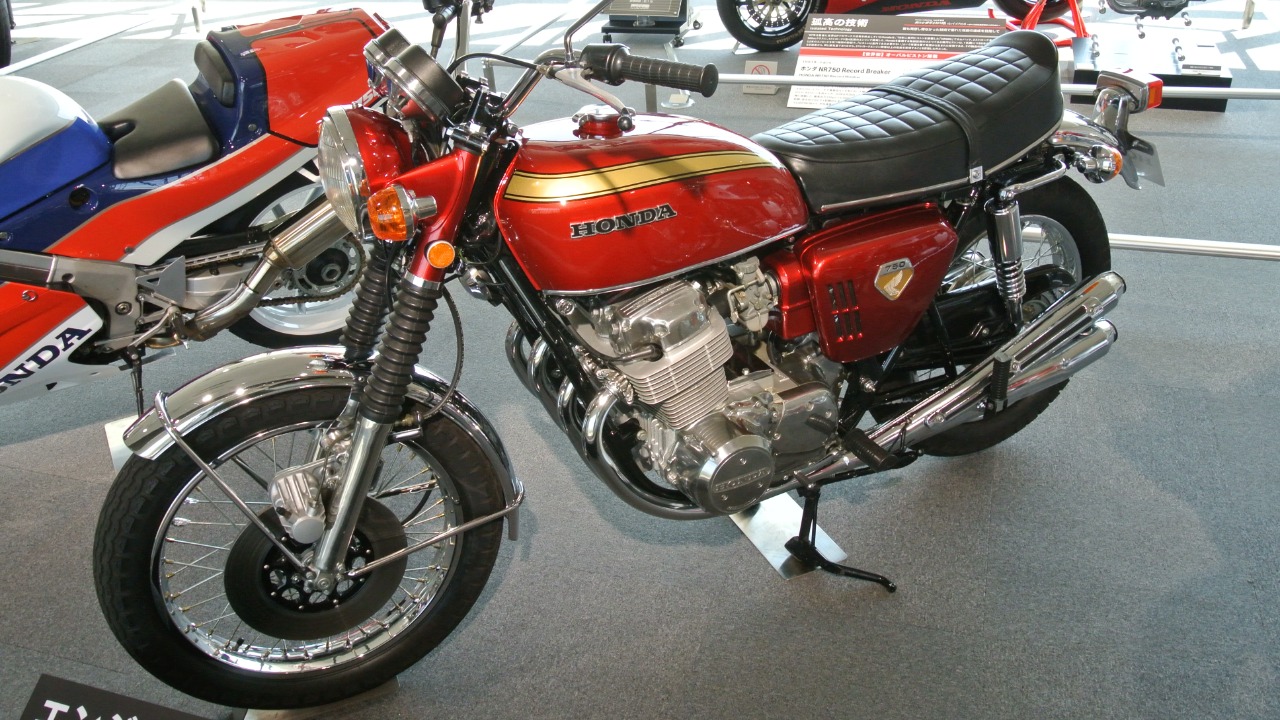
The Honda CB750 changed the motorcycle world with its smooth four-cylinder engine, electric start, and approachable performance. Its combination of reliability and speed made it attractive to a wide range of riders. Decades later, the CB750 remains popular with collectors and custom builders. Its simple mechanical character and recognizable design continue introducing new riders to classic Japanese motorcycles.
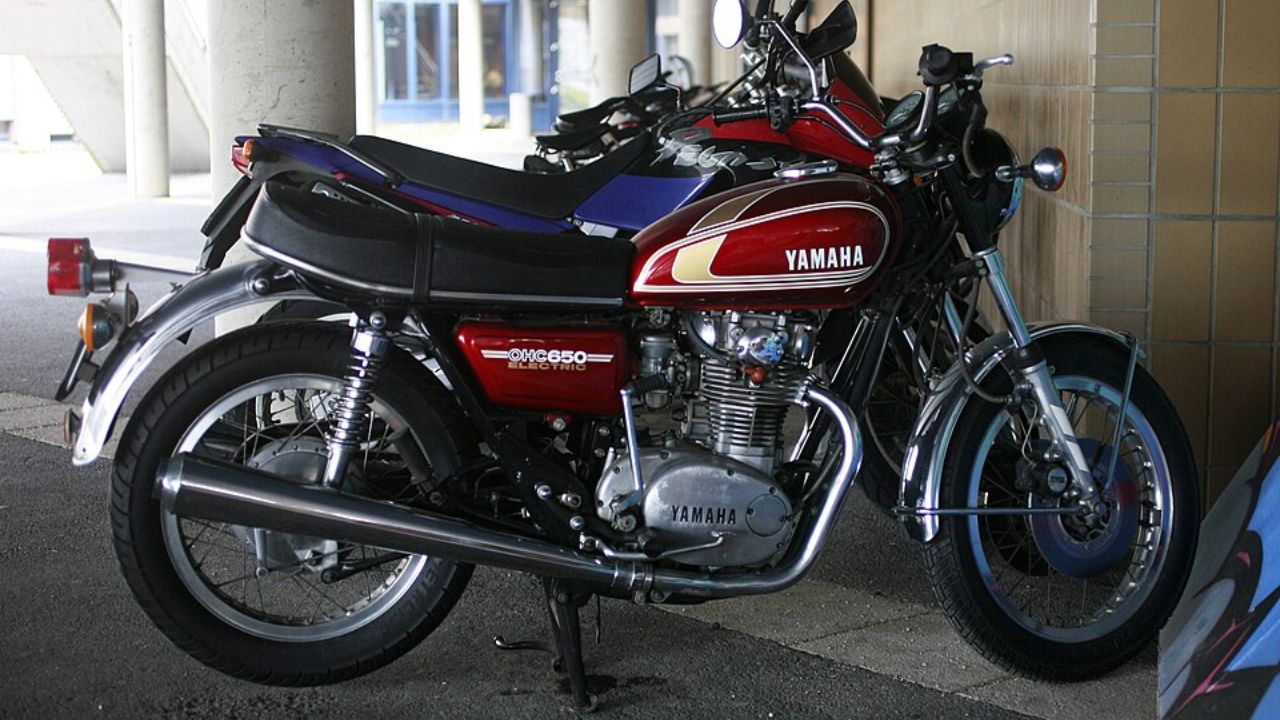
Yamaha XS650
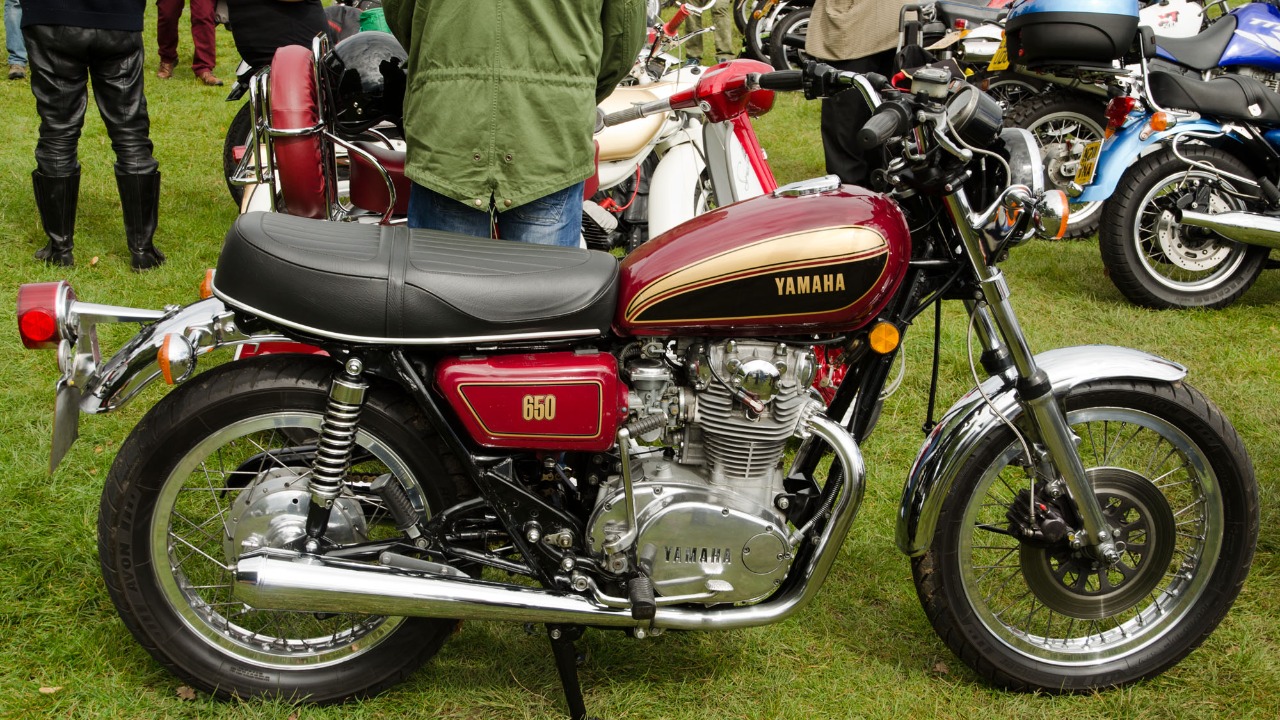
The Yamaha XS650 became popular for its traditional parallel-twin engine and straightforward mechanical layout. Its classic proportions made it attractive to riders who wanted a simple motorcycle with plenty of personality. The platform also became a favorite among custom builders because it was relatively easy to modify. Its strong aftermarket community has helped keep interest in the XS650 alive.
Kawasaki KZ1000
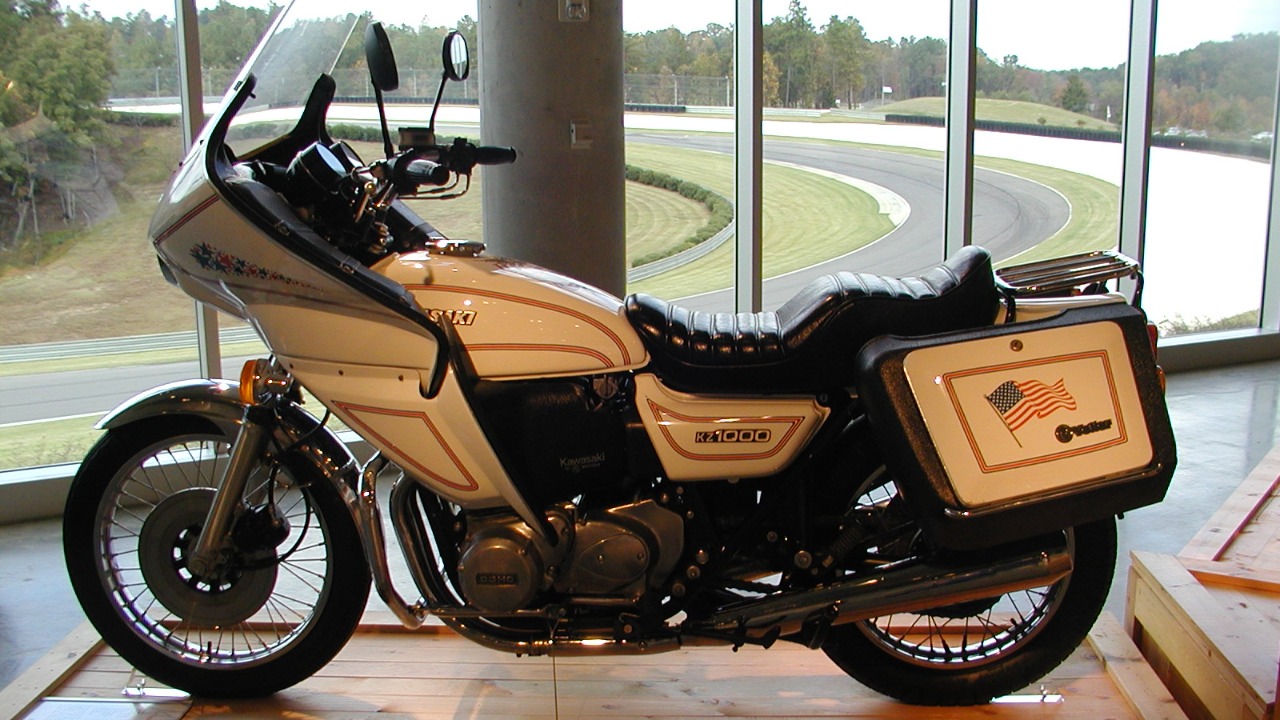
The Kawasaki KZ1000 earned a reputation for strong performance and durable engineering. Its large air-cooled inline-four engine gave riders impressive power while maintaining a relatively familiar mechanical design. The motorcycle became popular for street riding, touring, and police applications. Today, enthusiasts continue restoring and modifying KZ1000s because the combination of classic styling and strong performance remains appealing.
Suzuki GS750
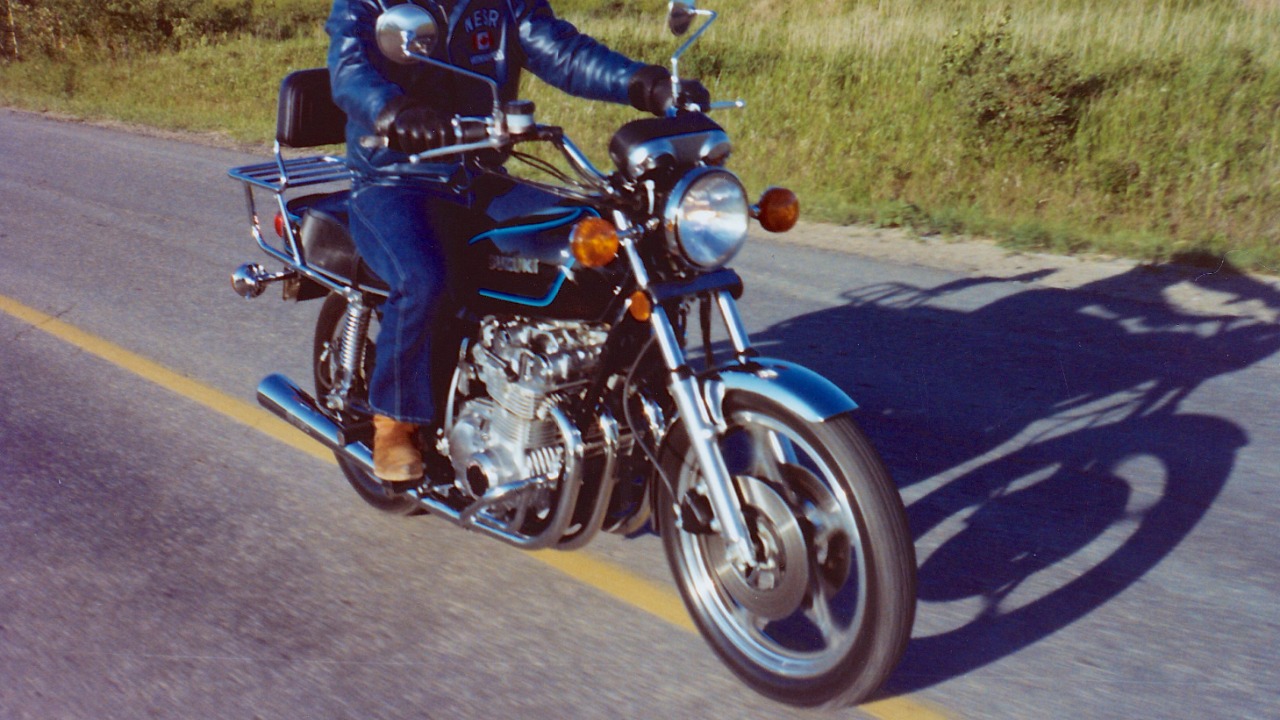
The Suzuki GS750 offered riders a balanced combination of performance, reliability, and everyday usability. Its air-cooled four-cylinder engine provided smooth power without excessive mechanical complexity. The motorcycle became a respected choice among riders who wanted Japanese engineering with traditional styling. Surviving examples continue attracting restoration enthusiasts because the GS750 remains relatively approachable compared with more exotic classic motorcycles.
BMW R90S
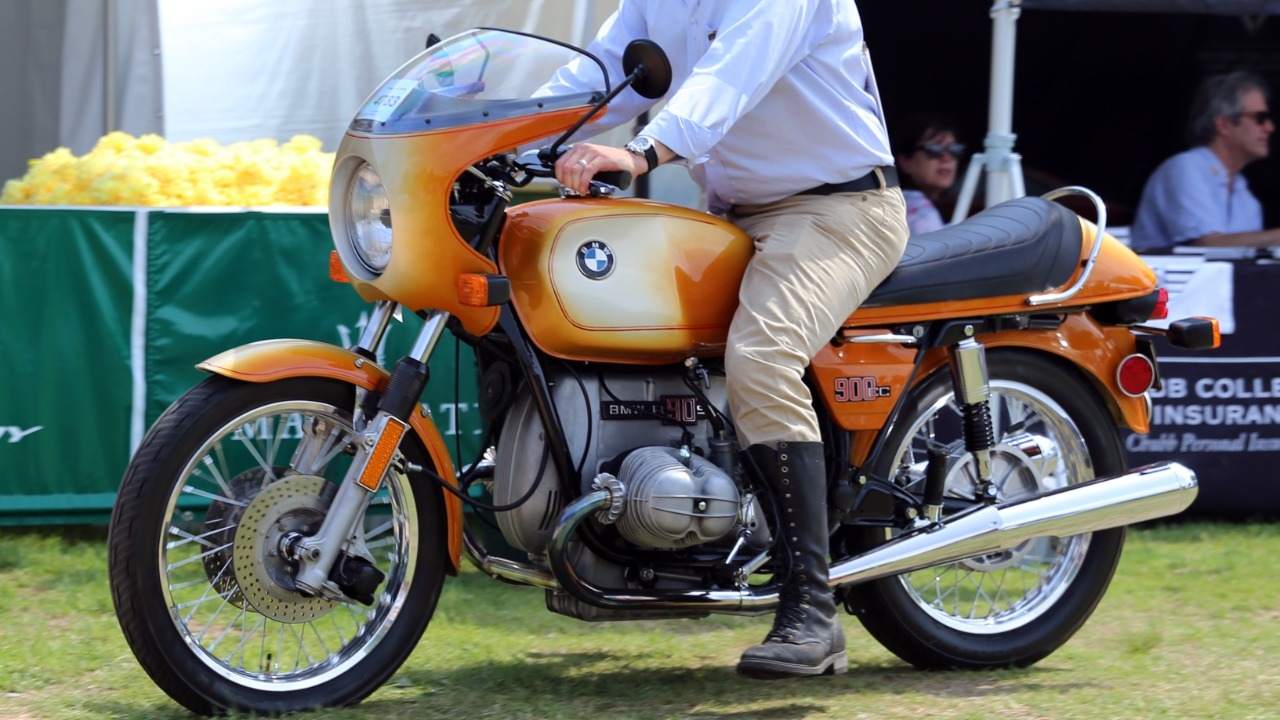
The BMW R90S became one of the most recognizable performance motorcycles of its era. Its distinctive fairing, comfortable riding position, and air-cooled boxer-twin engine gave it a unique combination of touring ability and sporting character. Limited production added to its appeal among collectors. The R90S continues attracting new fans because its design remains unmistakably BMW while its engineering reflects a fascinating period in motorcycle history.
Harley-Davidson Sportster
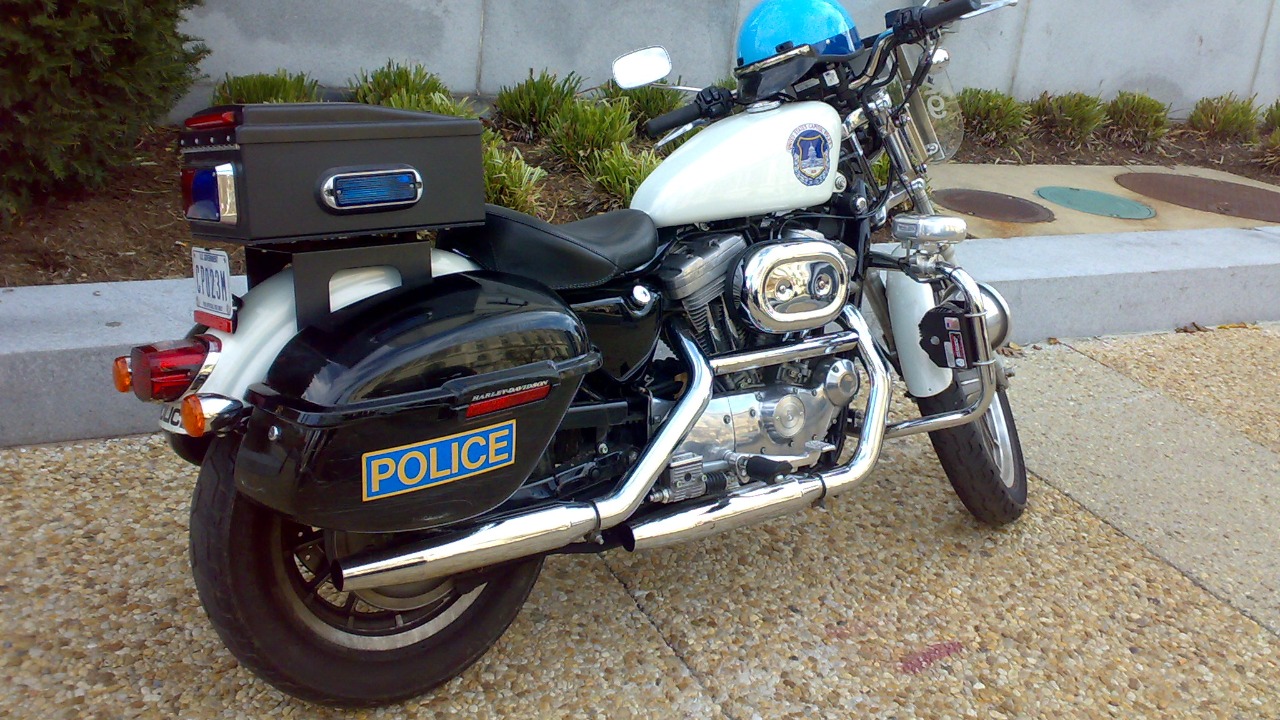
The Harley-Davidson Sportster became one of the most enduring names in American motorcycling. Its compact V-twin design, recognizable styling, and strong customization potential allowed it to appeal to generations of riders. Owners have used Sportsters for commuting, touring, and custom projects. Its long history and huge enthusiast community ensure that new riders continue discovering the model.
Honda Gold Wing
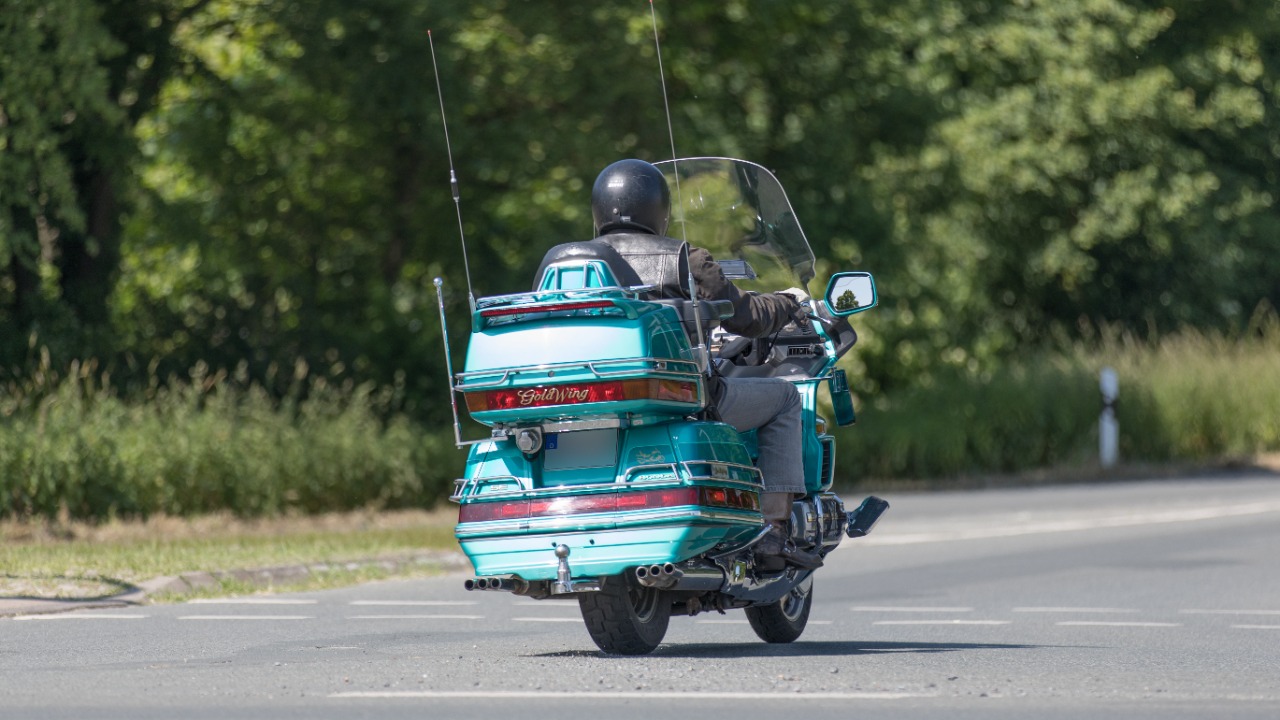
The Honda Gold Wing started as a relatively simple large motorcycle before evolving into one of the world’s best-known touring machines. Its smooth engine, comfortable design, and long-distance capability attracted riders who wanted to cover serious mileage. Different generations introduced increasingly sophisticated features, but the emphasis on dependable touring remained. That reputation continues bringing new riders into the Gold Wing community.
Kawasaki Ninja 250
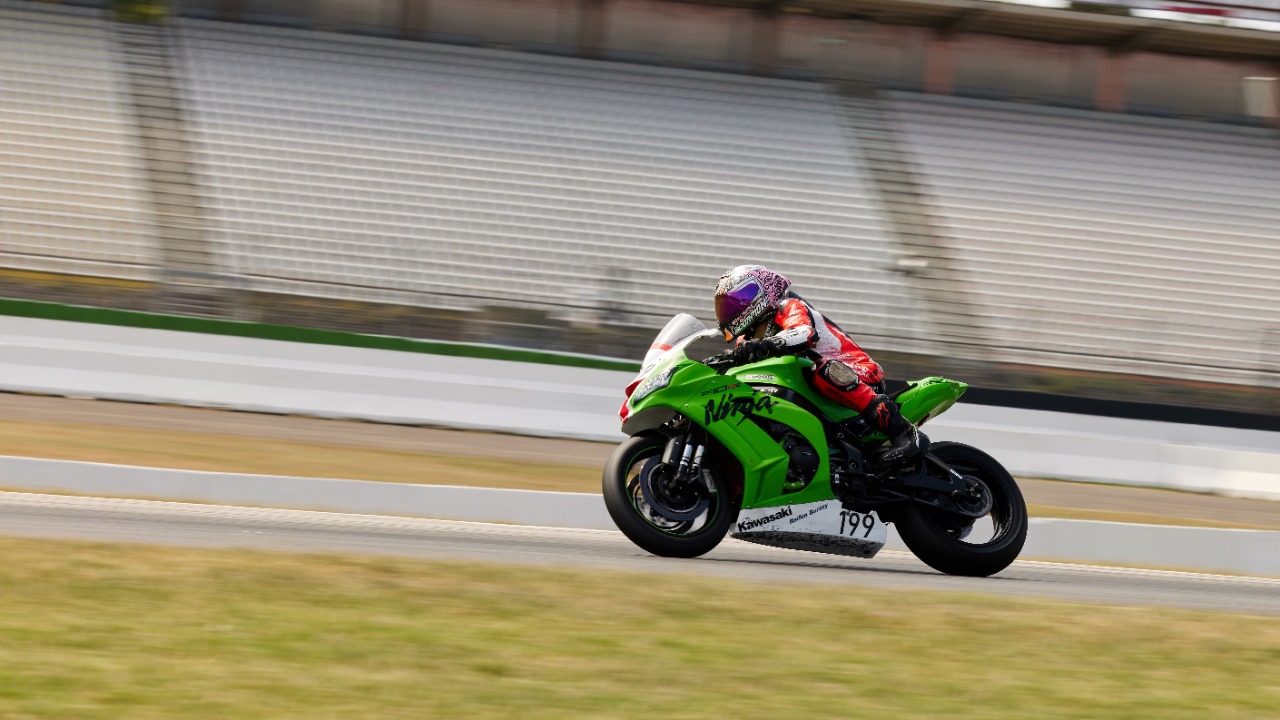
The Kawasaki Ninja 250 became an important entry point for riders who wanted a sporty motorcycle without overwhelming power. Its lightweight design, approachable engine, and aggressive styling made it popular with beginners and experienced riders alike. Because it was practical and relatively inexpensive to operate, many riders developed their interest in motorcycles through the Ninja 250 before moving to larger machines.
Ducati Monster
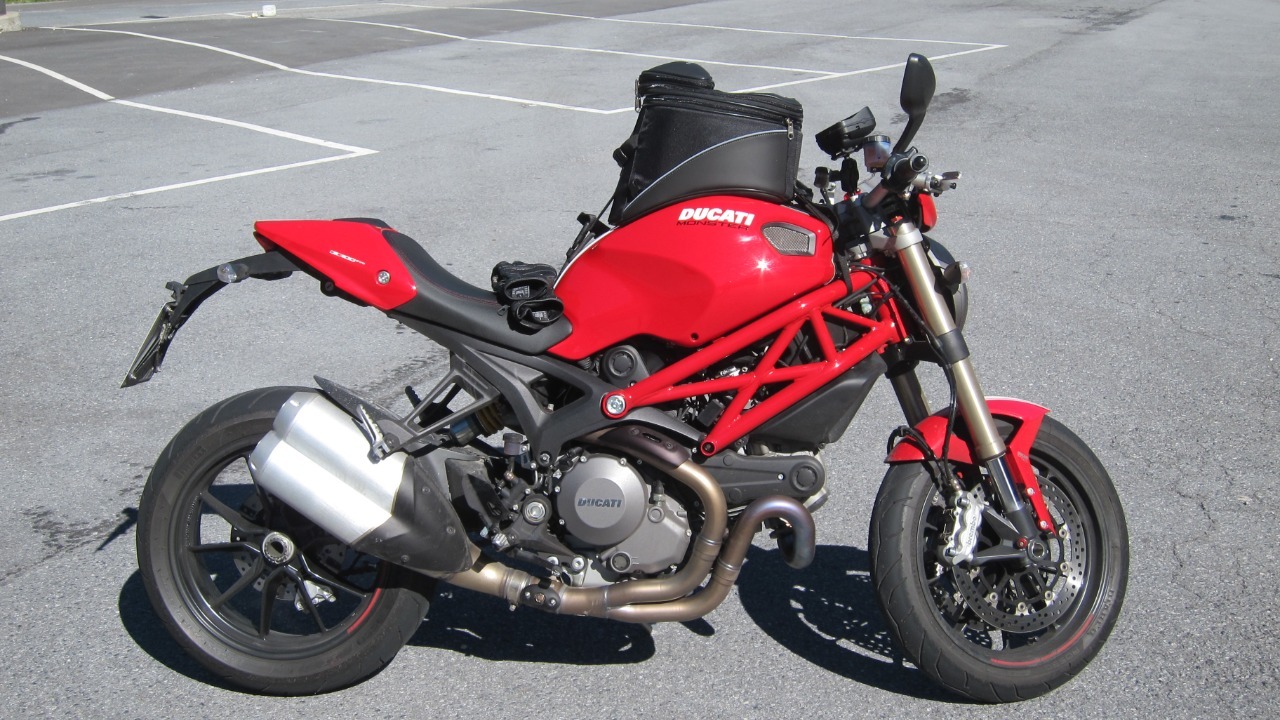
The Ducati Monster helped popularize the modern naked motorcycle by combining a compact chassis with an exposed engine and aggressive styling. Its distinctive appearance immediately separated it from traditional sport bikes. The Monster also offered an engaging riding experience without requiring a full racing-style fairing. Its recognizable design and wide range of versions have helped the model attract new enthusiasts for decades.
More from Fast Lane Only
- Unboxing the WWII Jeep in a Crate
- 15 rare Chevys collectors are quietly buying
- 10 underrated V8s still worth hunting down
- Police notice this before you even roll window down
*Research for this article included AI assistance, with all final content reviewed by human editors