Great rivalries don’t just produce wins and losses—they force drivers to dig deeper than they ever thought possible. Across Formula 1, endurance racing, and touring cars, certain head-to-head battles reshaped careers and sometimes entire eras of competition. These rivalries elevated performance standards, intensified pressure, and created some of the most unforgettable moments in motorsport history.
Ayrton Senna vs Alain Prost
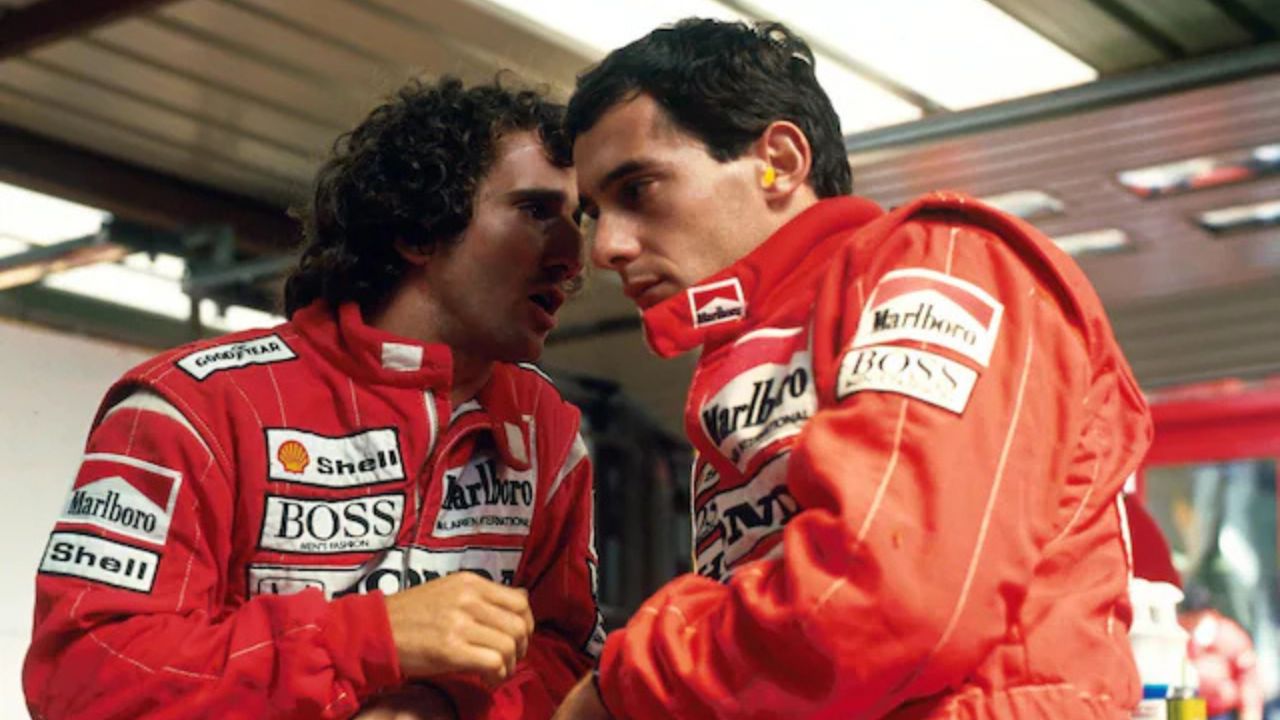
The Senna–Prost rivalry defined Formula 1 in the late 1980s and early 1990s, combining elite driving skill with intense psychological pressure. Both drivers pushed each other to perfection while fighting for world championships at McLaren and later Ferrari/Benetton. Their contrasting styles—Senna’s aggressive precision versus Prost’s calculated consistency—created constant tension on and off the track. Championship-deciding collisions and controversial moments added to the intensity. This rivalry forced both drivers to operate at the absolute limit of performance, shaping one of the most dramatic eras in Formula 1 history.
Lewis Hamilton vs Nico Rosberg
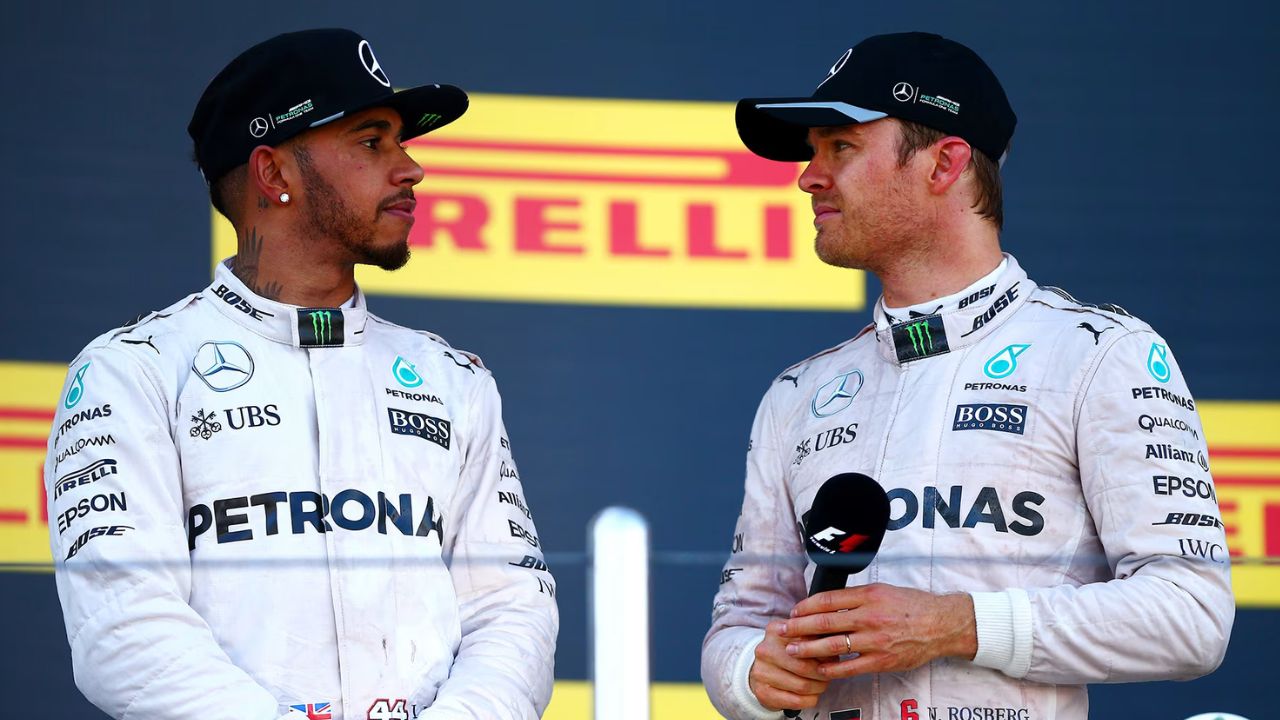
The Hamilton–Rosberg rivalry at Mercedes turned teammate competition into a high-pressure championship war during the hybrid era of Formula 1. Both drivers had equal machinery, which meant small margins decided everything. Years of close racing, strategic battles, and on-track clashes created constant psychological strain. Rosberg ultimately secured the 2016 World Championship before retiring shortly after, showing how mentally demanding the fight had become. Hamilton’s performance level also rose significantly, as each pushed the other to extract maximum performance from dominant Mercedes machinery.
Sebastian Vettel vs Fernando Alonso
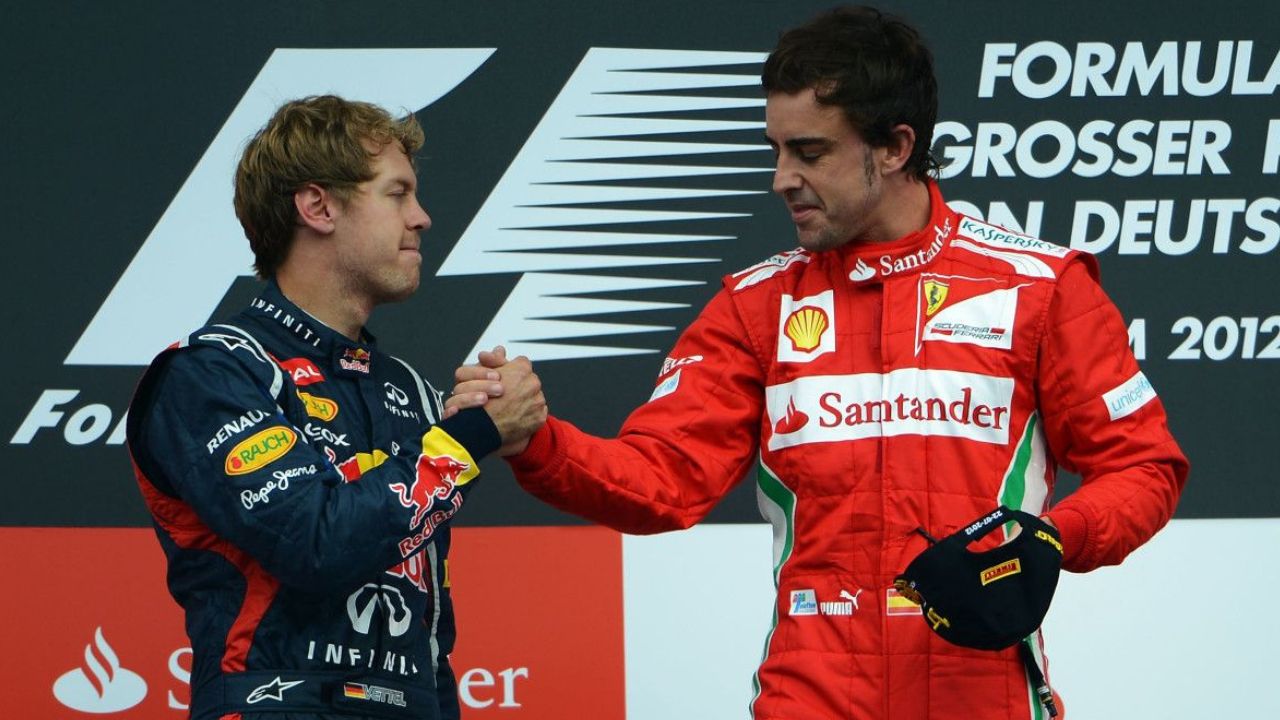
The Vettel–Alonso rivalry centered on the early 2010s Formula 1 title battles, where Red Bull and Ferrari fought for supremacy. Vettel’s precision and qualifying dominance clashed with Alonso’s aggressive racecraft and ability to extract results from less competitive cars. Their championship duels pushed both drivers into near-perfect execution under pressure. Even when machinery differed, their consistency kept them locked in direct competition. This rivalry elevated the importance of strategy, tire management, and race intelligence in deciding modern championships.
Tom Kristensen vs Jacky Ickx
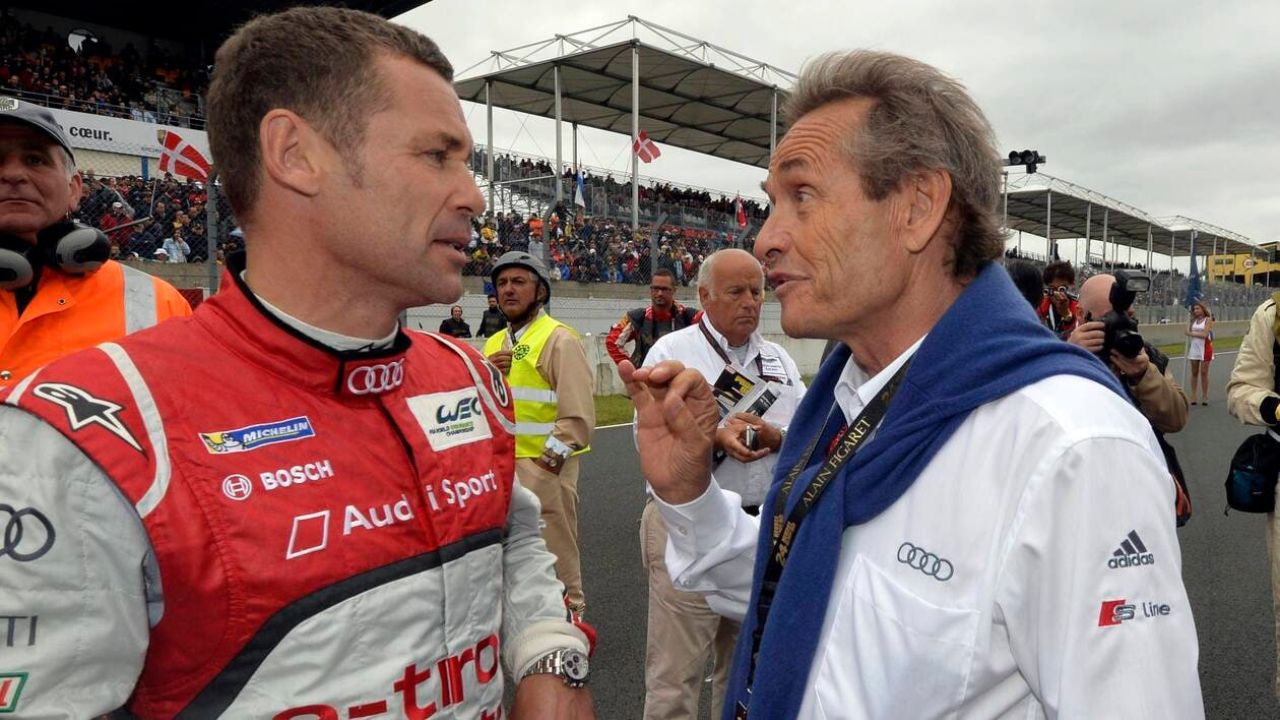
In endurance racing, the Kristensen–Ickx connection at Le Mans represented a battle of generations defined by stamina, speed, and mechanical sympathy. Both drivers mastered the unique demands of 24-hour racing, where consistency matters more than outright aggression. Competing across different eras of sports car development, they helped set benchmarks for endurance excellence. Their achievements pushed competitors to adopt more disciplined strategies in long-distance racing. Le Mans history is heavily shaped by drivers like them who redefined how to balance speed with survival over extreme durations.
Richard Petty vs David Pearson
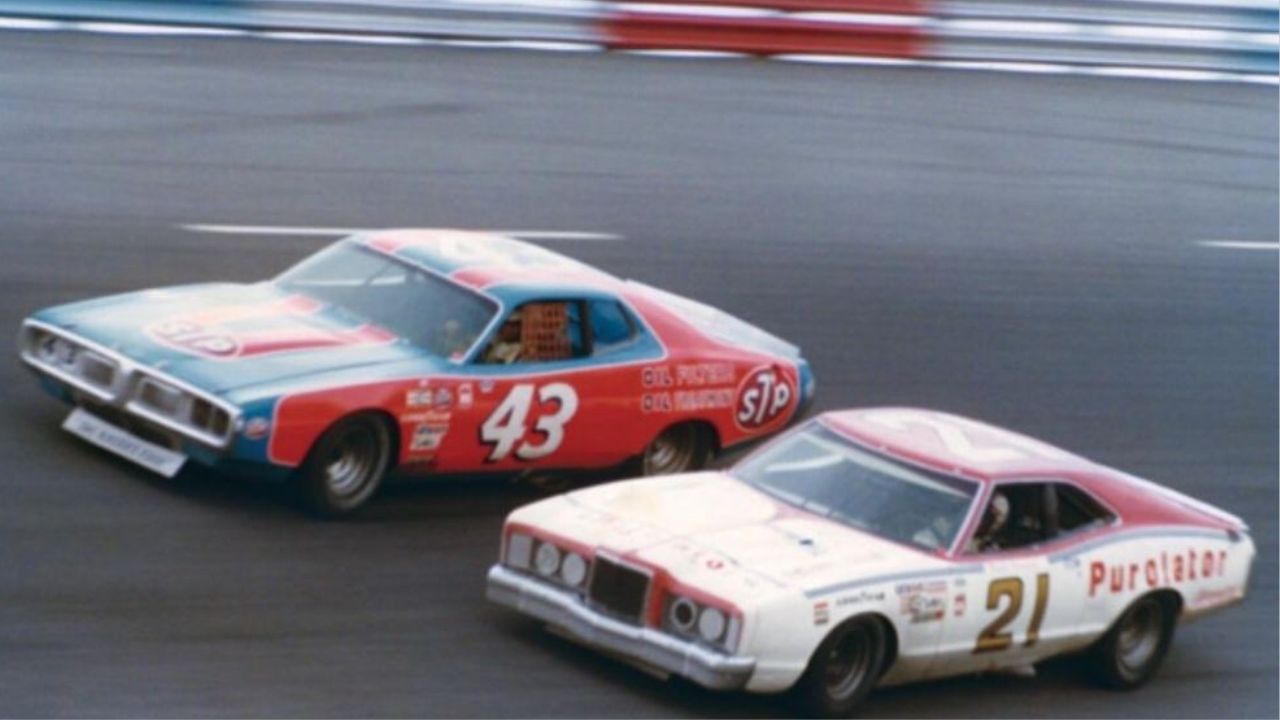
The Petty–Pearson rivalry became one of NASCAR’s defining battles, with both drivers trading victories across decades of stock car racing. Petty’s aggressive consistency and Pearson’s calculated racecraft created constant tension on short tracks and superspeedways alike. Their duels often came down to last-lap strategy and tire management. Fans saw them repeatedly fight for supremacy in the same machinery era, making every race unpredictable. This rivalry helped elevate NASCAR’s popularity and set the standard for what elite stock car competition should look like.
Mika Häkkinen vs Michael Schumacher
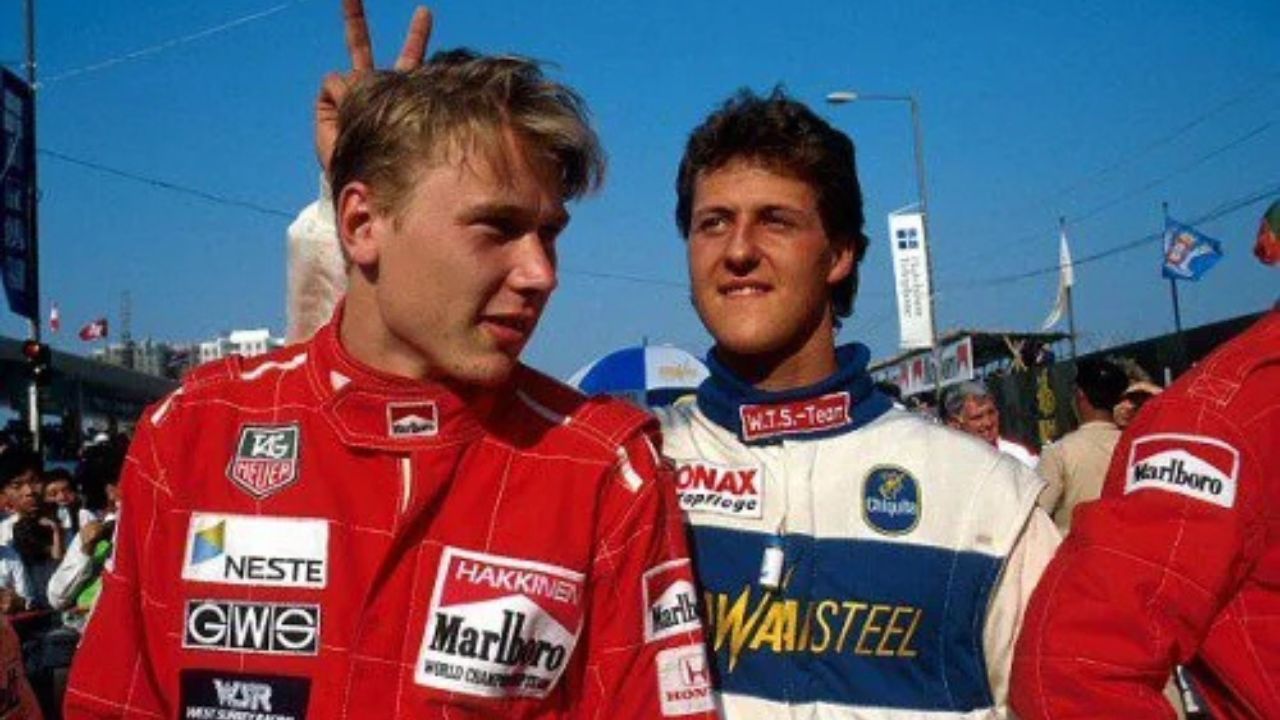
The Häkkinen–Schumacher rivalry in the late 1990s and early 2000s defined a golden era of Formula 1 competition between McLaren and Ferrari. Both drivers respected each other’s talent while pushing relentlessly for championships. Clean but intense wheel-to-wheel battles, including iconic overtakes, demonstrated elite driving precision under pressure. Each forced the other to refine race starts, qualifying performance, and strategic thinking. Their rivalry helped shape Formula 1’s modern competitive identity, blending professionalism with fierce on-track execution.
Valentino Rossi vs Max Biaggi
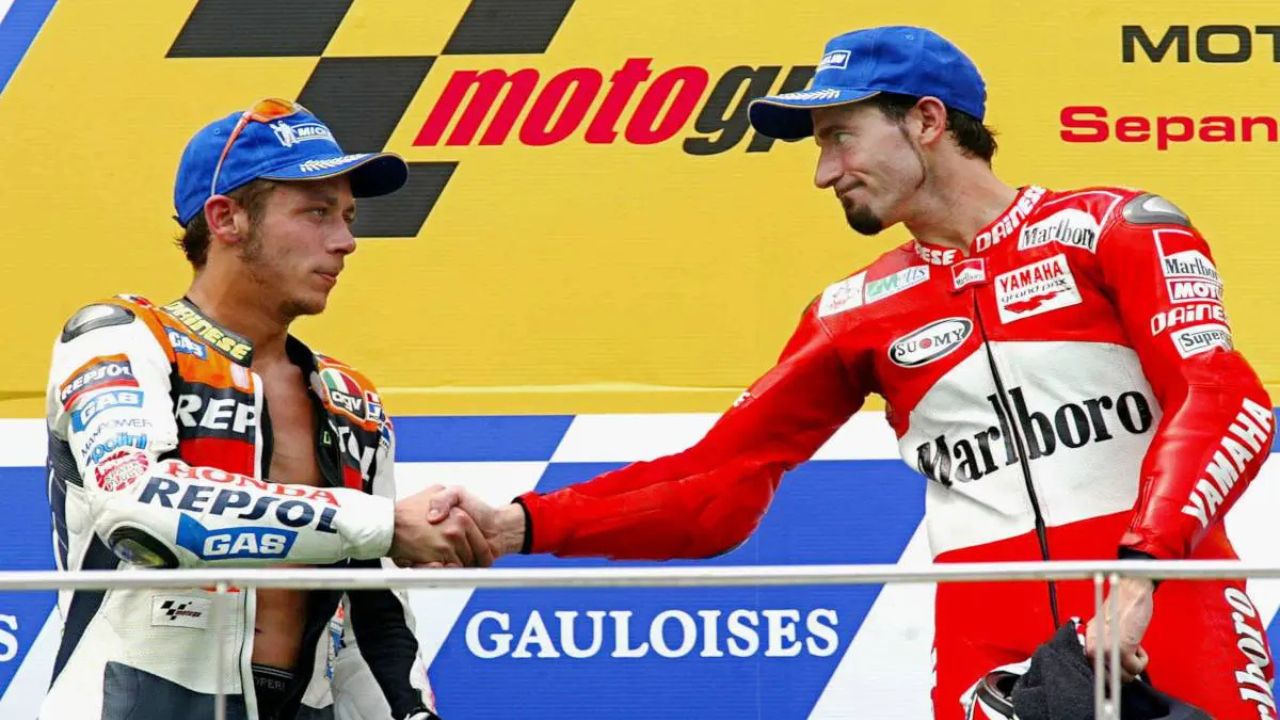
The Rossi–Biaggi rivalry in MotoGP brought personal intensity into motorcycle racing at the highest level. Their battles were fueled by national pride, contrasting personalities, and aggressive track encounters. Rossi’s fearless overtaking style clashed with Biaggi’s technical precision and experience. The rivalry escalated public interest in MotoGP dramatically during the early 2000s. Their competition forced both riders to push physical limits in braking, cornering, and race strategy, helping define a modern era of motorcycle racing drama.
Niki Lauda vs James Hunt
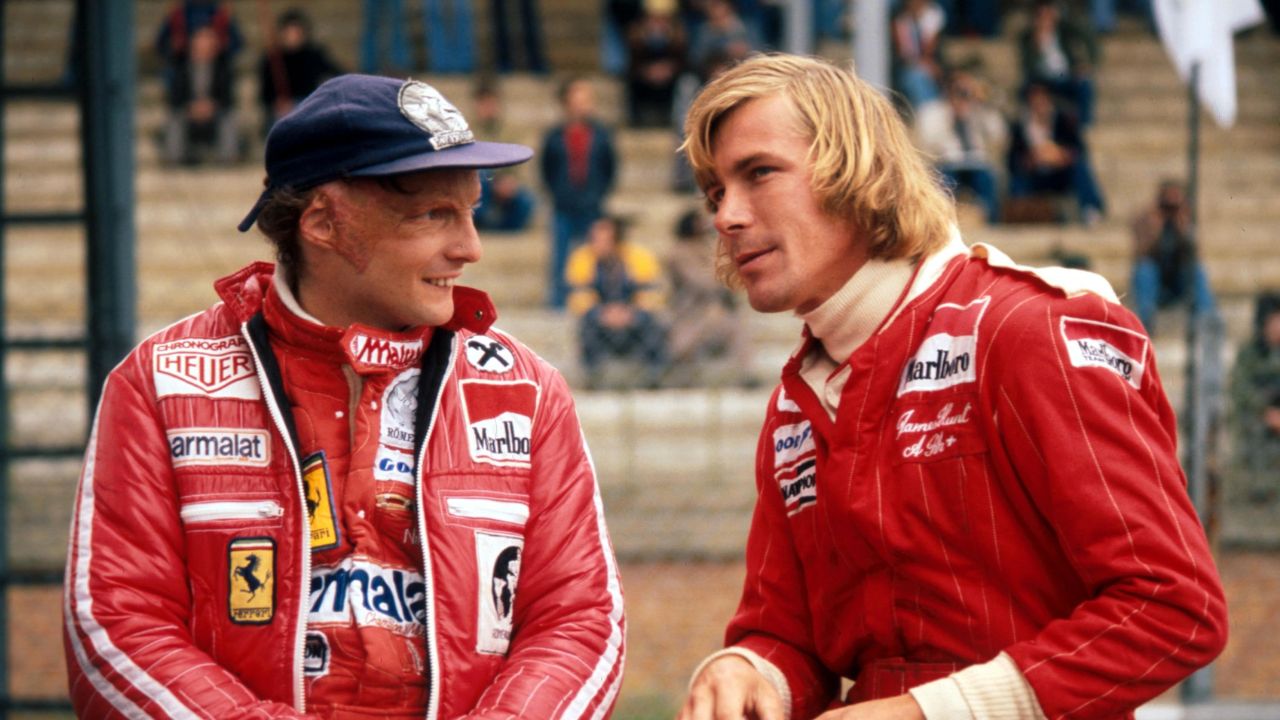
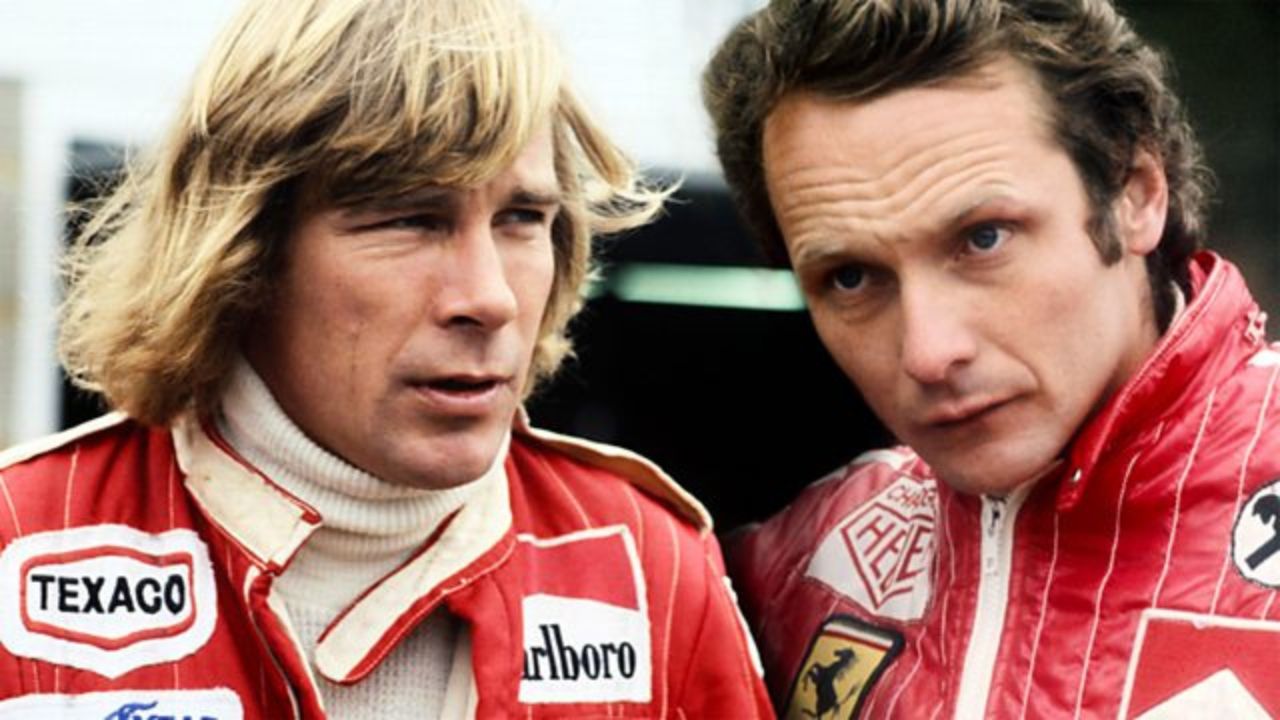
The Lauda–Hunt rivalry became legendary during the 1976 Formula 1 season, where contrasting personalities and racing philosophies clashed dramatically. Lauda’s disciplined technical approach and Hunt’s aggressive, instinct-driven style created a championship battle filled with tension. Their competition reached its peak during one of motorsport’s most dramatic seasons, influenced heavily by Lauda’s return after a near-fatal crash. The rivalry pushed both drivers to extraordinary mental and physical limits. It remains one of the most iconic examples of how competition can define character as much as performance.
Jimmie Johnson vs Denny Hamlin
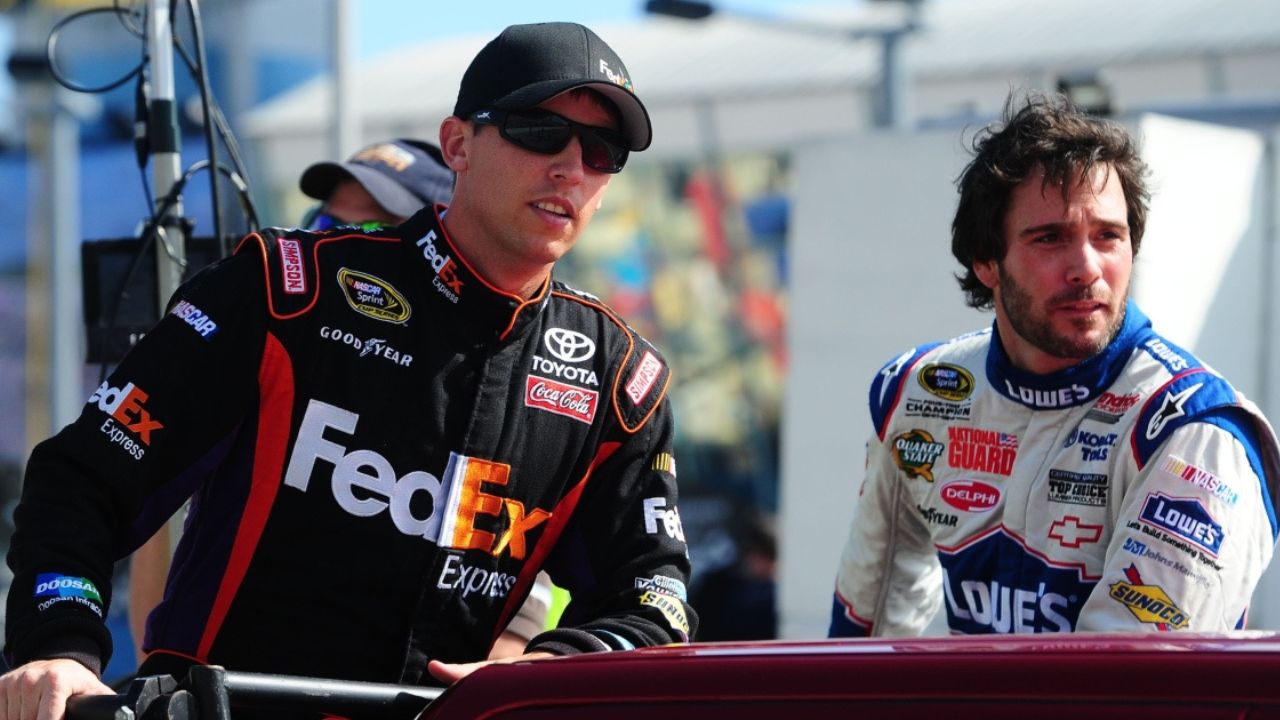
The Johnson–Hamlin rivalry in NASCAR’s modern era represented a clash between championship dominance and emerging consistency. Johnson’s multi-title success with Hendrick Motorsports set a high standard that Hamlin repeatedly challenged across multiple seasons. Their battles often came down to late-race strategy, pit execution, and tire management. While not always defined by direct on-track contact, their rivalry was built on constant pressure in championship standings. It pushed both drivers to maintain elite performance levels across long NASCAR seasons where consistency is just as important as race wins.
More from Fast Lane Only