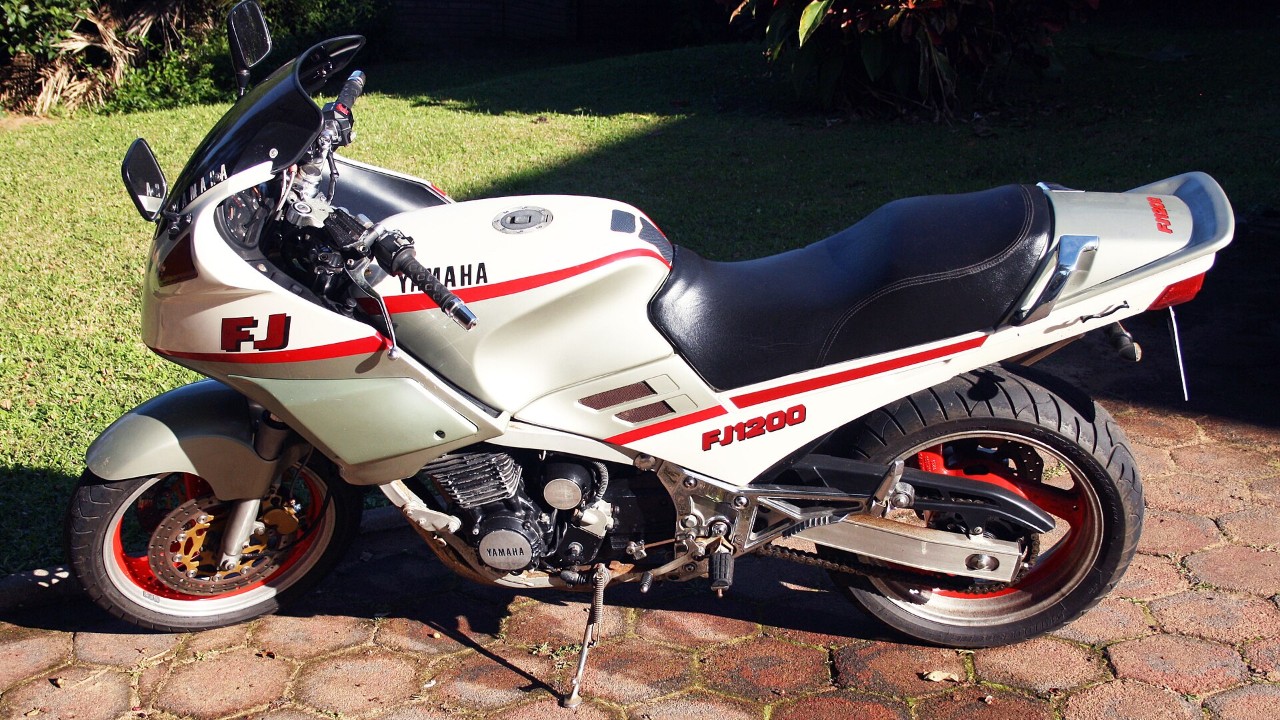
Few nameplates reflect the evolution of American performance culture as clearly as the Chevrolet Camaro. From its birth as a direct Mustang rival to modern track-focused supercharged machines, each generation carried its own interpretation of what muscle and performance should mean. Together, they show how Chevrolet adapted to changing eras while keeping the Camaro identity alive.
First Generation Camaro Z/28
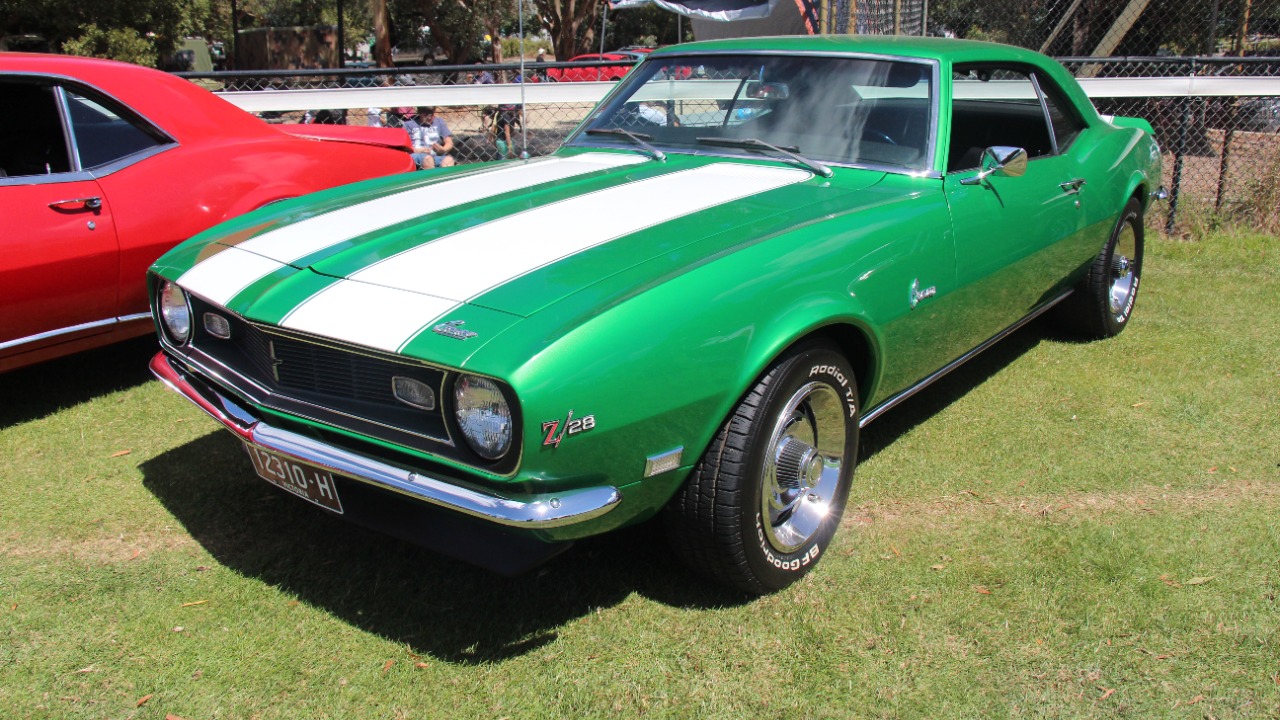
The Chevrolet Camaro Z/28 1967 established the Camaro as a serious performance contender right from its debut. Built to compete in Trans-Am racing, it featured a high-revving small-block V8, sharp handling for its era, and a more balanced driving character than many larger muscle cars. Its motorsport connection and aggressive styling helped define the Camaro as more than just a Mustang rival, giving it an instant performance identity.
Second Generation Camaro Z28
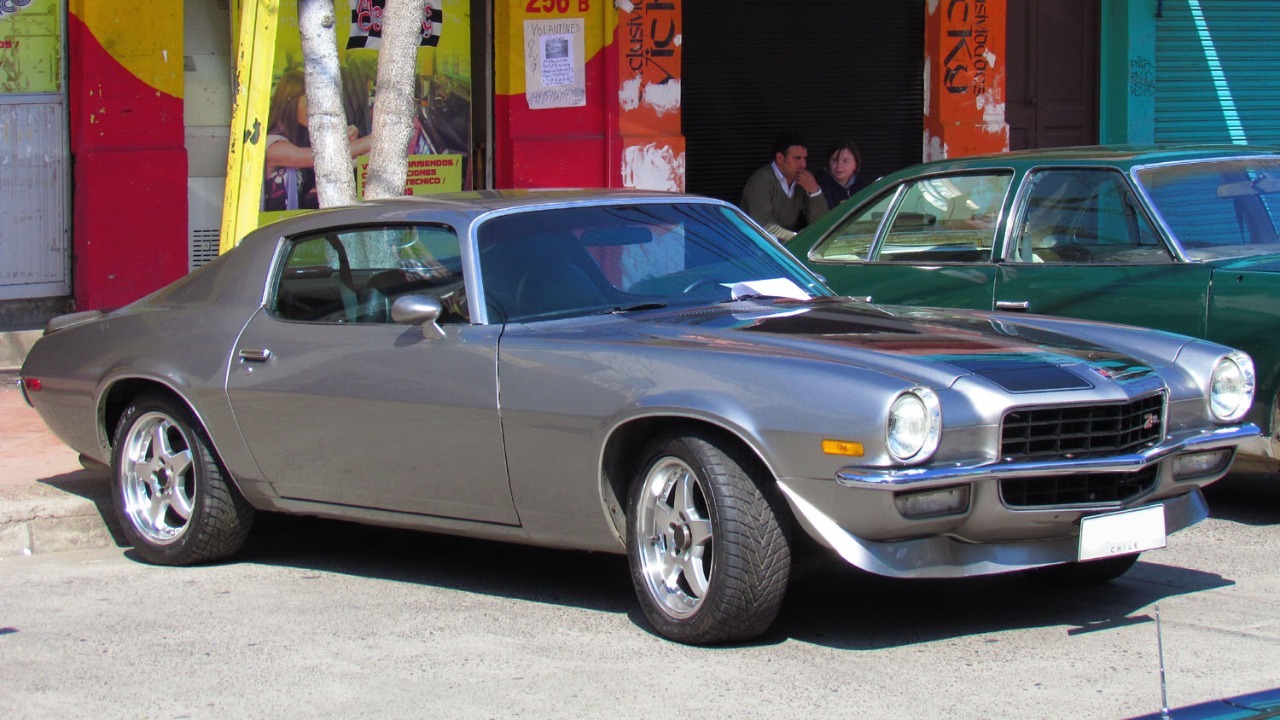
The Chevrolet Camaro Z28 1970s reflected the challenges of the emissions era while still preserving V8 muscle-car spirit. Though horsepower figures dropped compared to the late 1960s, the Z28 maintained sporty handling, bold styling, and rear-wheel-drive excitement. It became a symbol of resilience during a difficult period for American performance, keeping the Camaro name relevant when many rivals were losing their edge.
Third Generation Camaro IROC-Z
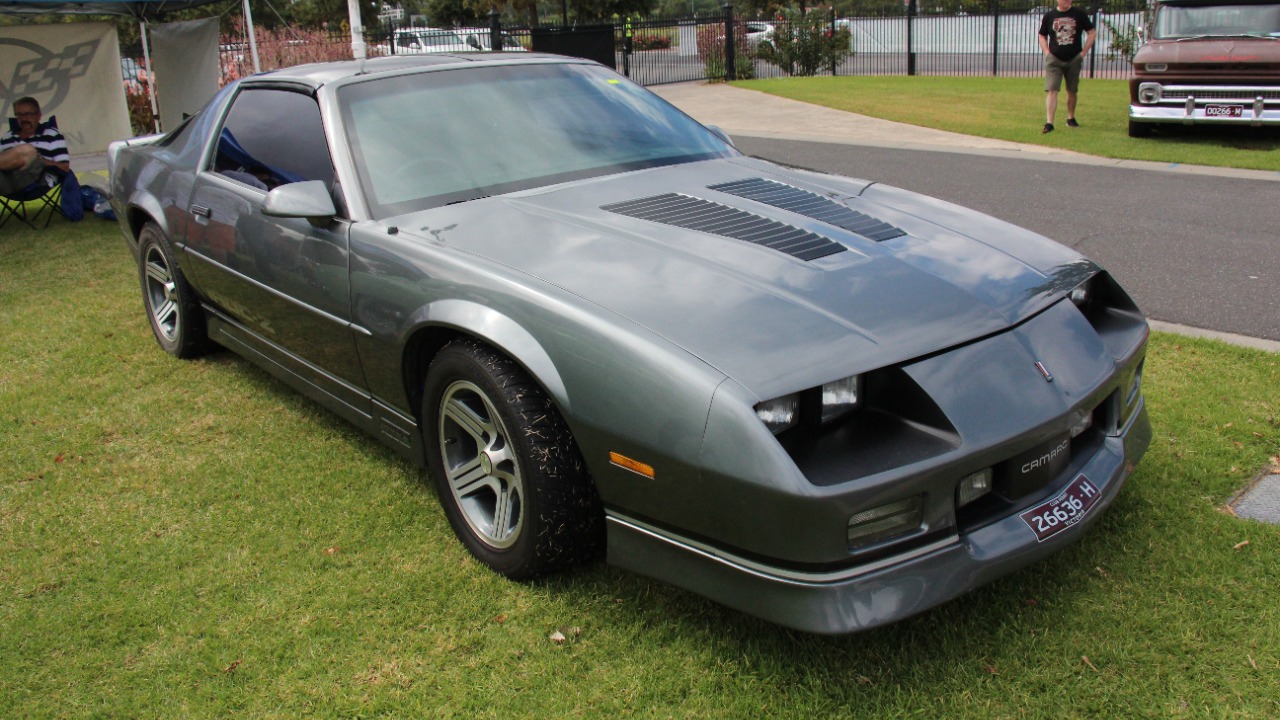
The Chevrolet Camaro IROC-Z revived the Camaro’s performance reputation in the 1980s with improved suspension, fuel-injected V8 power, and sharper handling. Named after the International Race of Champions series, the IROC-Z became a cultural icon thanks to its bold styling and renewed street credibility. It helped reintroduce serious performance to a decade often criticized for underpowered muscle cars.
Fourth Generation Camaro SS
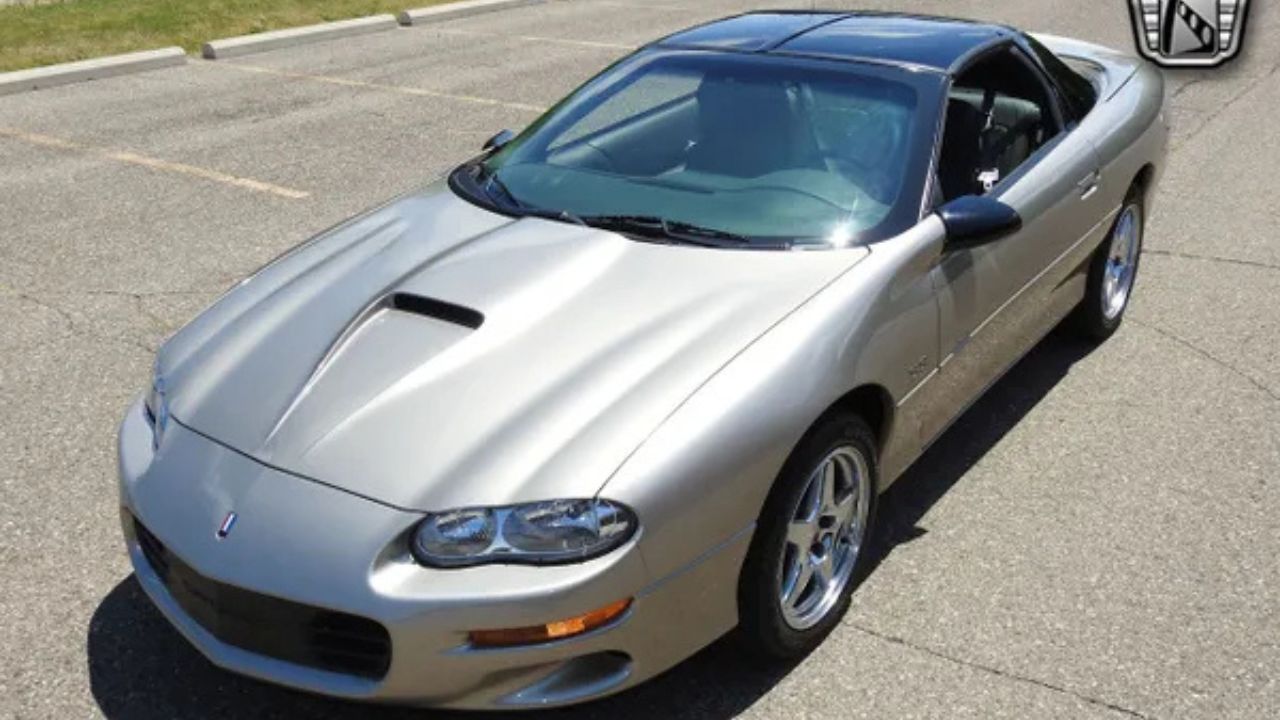
The Chevrolet Camaro SS 1998 marked a major leap forward with the introduction of the LS1 V8 engine, dramatically improving performance and efficiency. This generation brought the Camaro back into true muscle-car territory with strong acceleration, improved chassis dynamics, and aggressive styling. It helped reestablish Chevrolet’s performance credibility heading into the modern era.
Fourth Generation Camaro Z/28
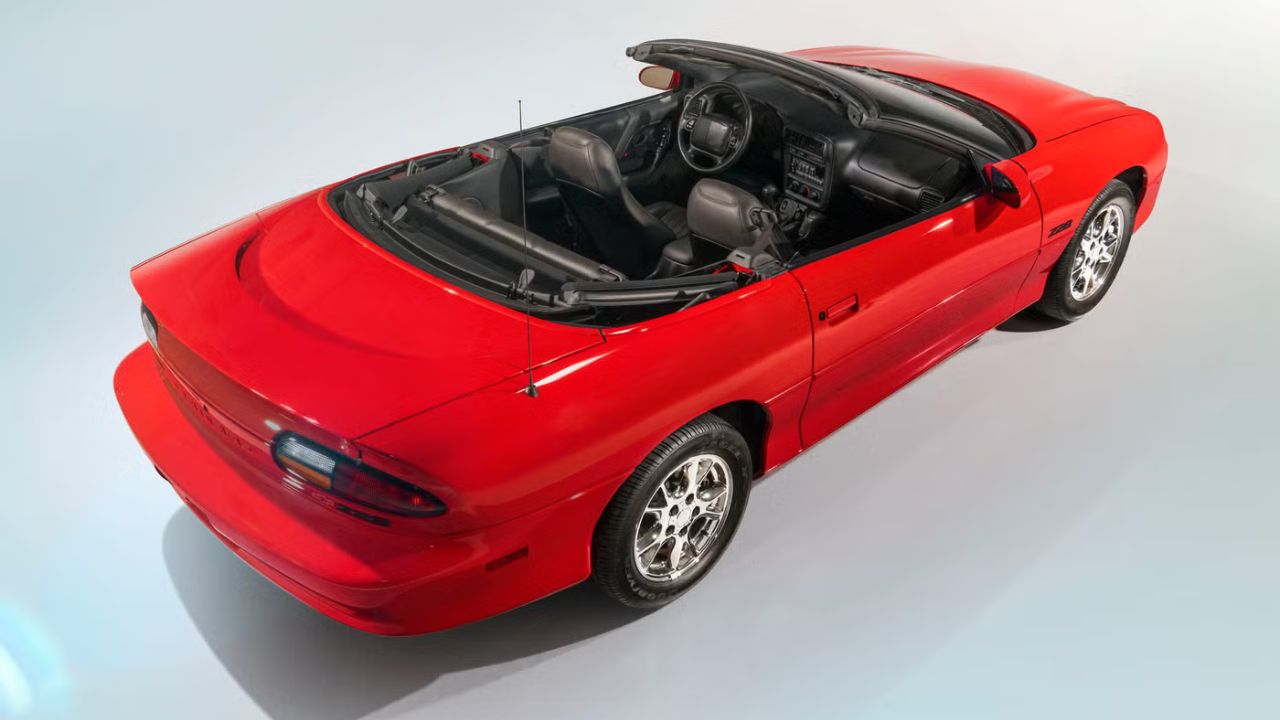
The Chevrolet Camaro Z/28 1993 represented the early resurgence of Camaro performance in the 1990s. Its LT1 V8 delivered strong torque and competitive acceleration, making it a favorite among street enthusiasts. While still analog in feel, it showed how Chevrolet was gradually rebuilding the Camaro’s performance identity before the LS1 era fully modernized it.
Fifth Generation Camaro SS
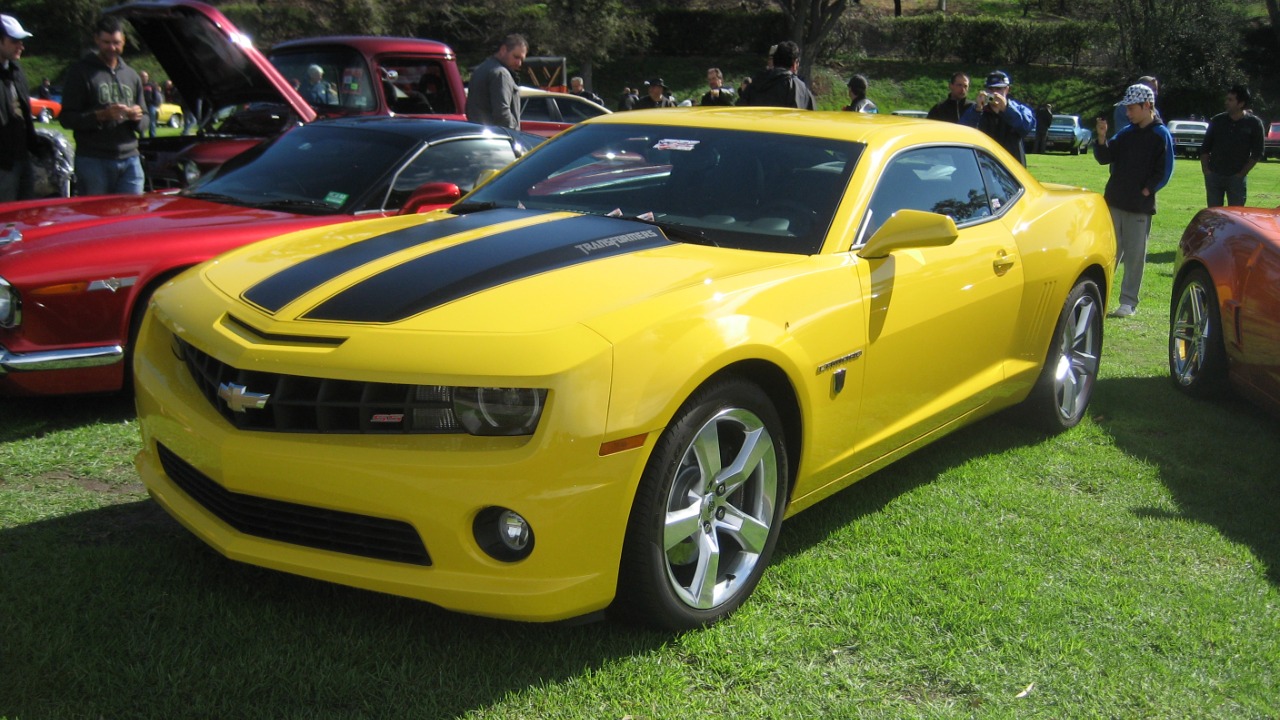
The Chevrolet Camaro SS 2010 reintroduced the Camaro after a long hiatus, combining modern engineering with retro-inspired design. Its LS3 V8 delivered strong performance, while its styling paid tribute to the original 1960s models. This generation helped reignite the modern muscle-car era and brought Camaro back into mainstream performance culture.
Fifth Generation Camaro ZL1
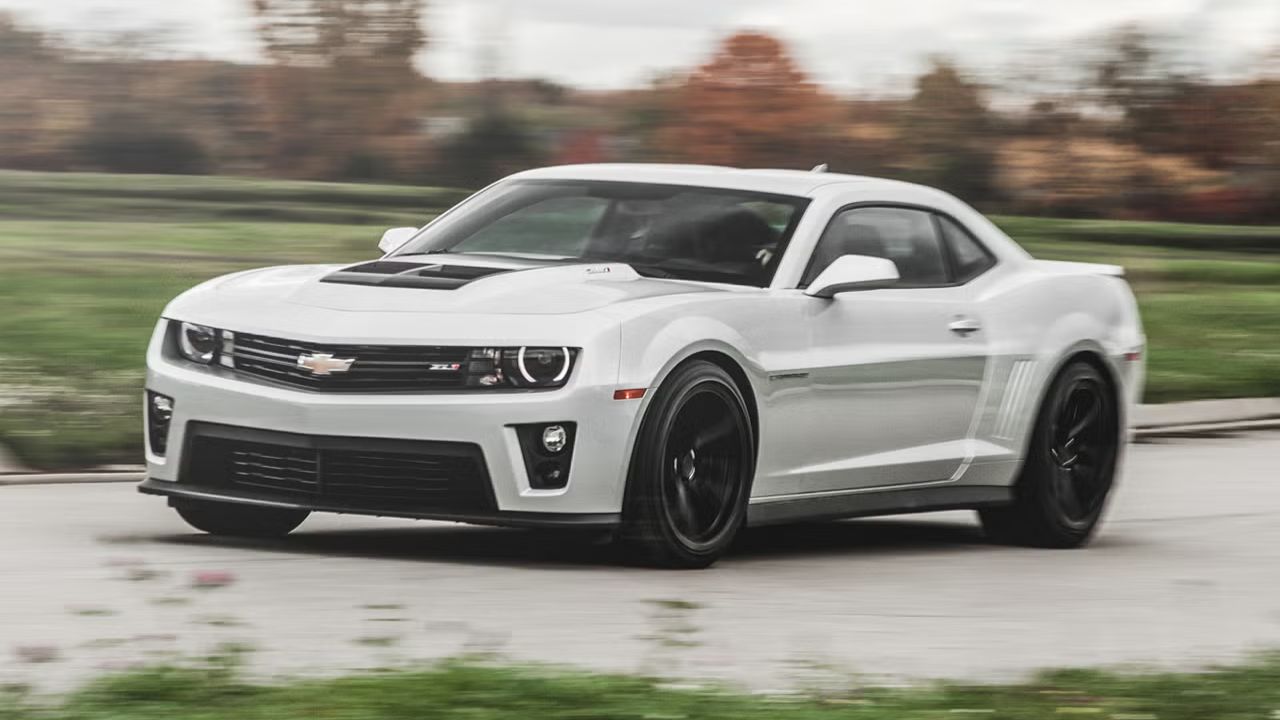
The Chevrolet Camaro ZL1 2012 pushed Camaro performance into supercar territory with its supercharged LSA V8 engine. It combined track capability, advanced suspension, and massive horsepower, showing how far American muscle had evolved. The ZL1 helped redefine expectations for what a Camaro could achieve on both street and circuit.
Sixth Generation Camaro SS
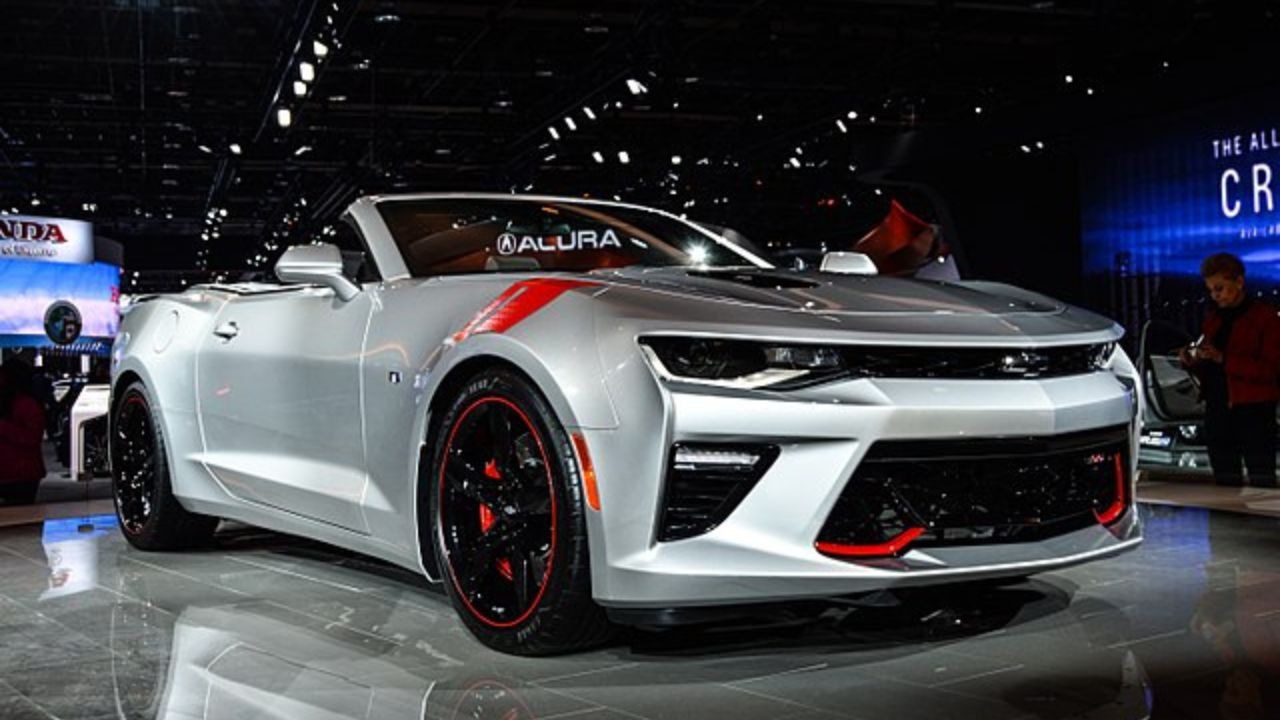
The Chevrolet Camaro SS 2016 emphasized improved chassis balance, reduced weight, and sharper handling while maintaining strong V8 performance. Built on a more refined platform, it offered better cornering capability and overall driving precision. This generation showed that Camaro performance was no longer just about straight-line speed but also serious track competence.
Sixth Generation Camaro ZL1 1LE
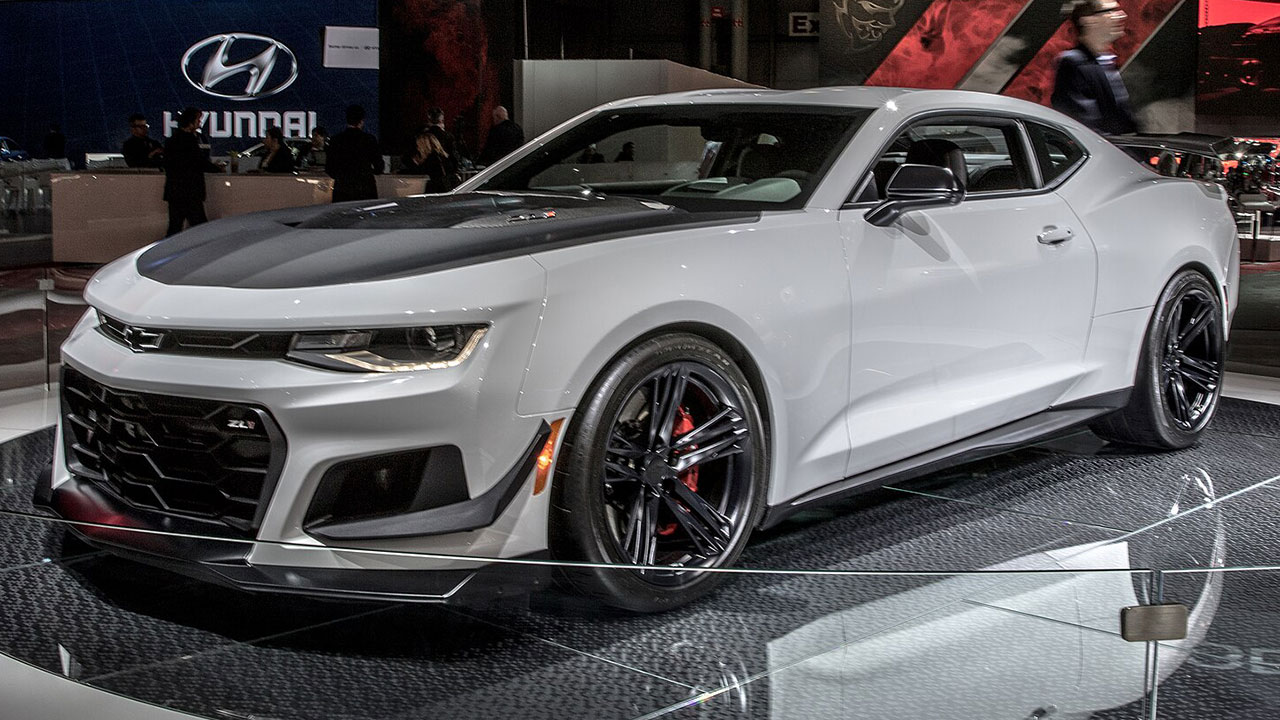
The Chevrolet Camaro ZL1 1LE represents the peak of Camaro engineering, blending supercharged V8 power with extreme aerodynamic and suspension upgrades. Designed for track dominance, it delivers exceptional grip and precision while maintaining brutal acceleration. It stands as one of the most capable factory-built performance Camaros ever produced, symbolizing the modern extreme of American muscle evolution.
More from Fast Lane Only