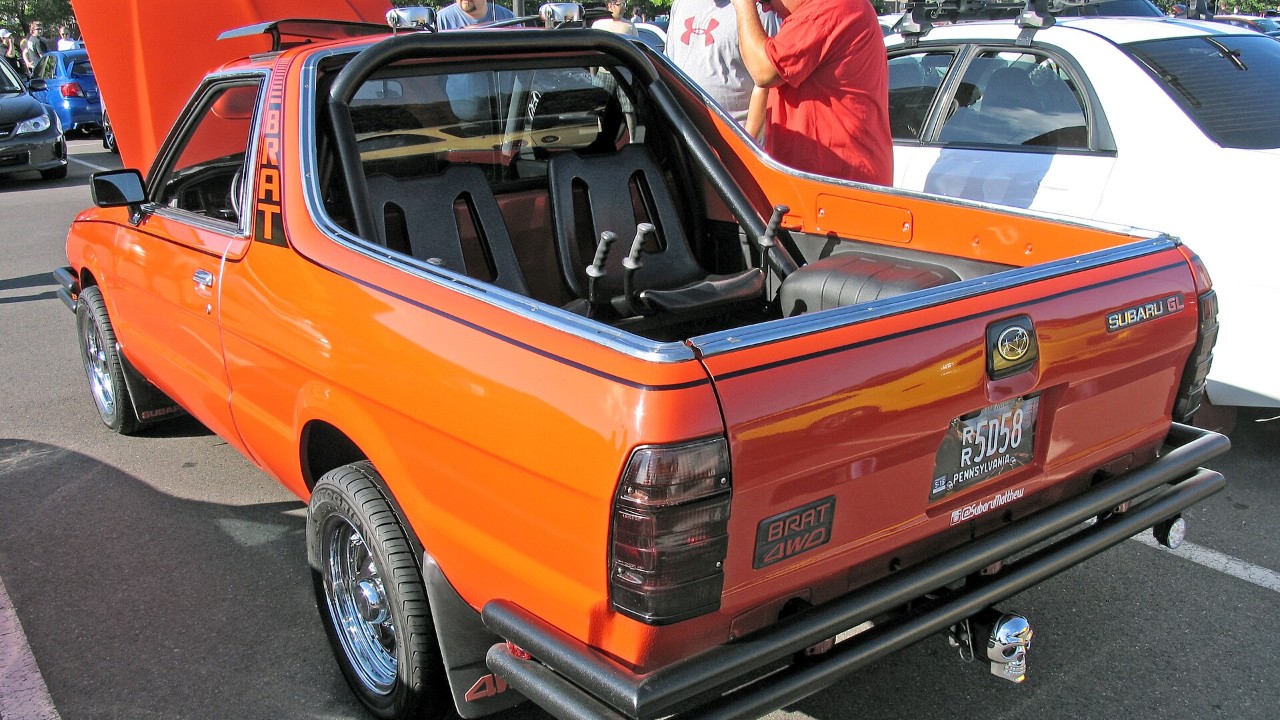
The 1970s brought rising insurance premiums, stricter emissions regulations, and growing pressure against high-horsepower performance cars. Many legendary muscle machines disappeared entirely or returned with dramatically reduced output. Still, a handful of determined survivors managed to preserve genuine performance and enthusiast appeal during one of the toughest periods in American automotive history.
Pontiac Trans Am SD-455
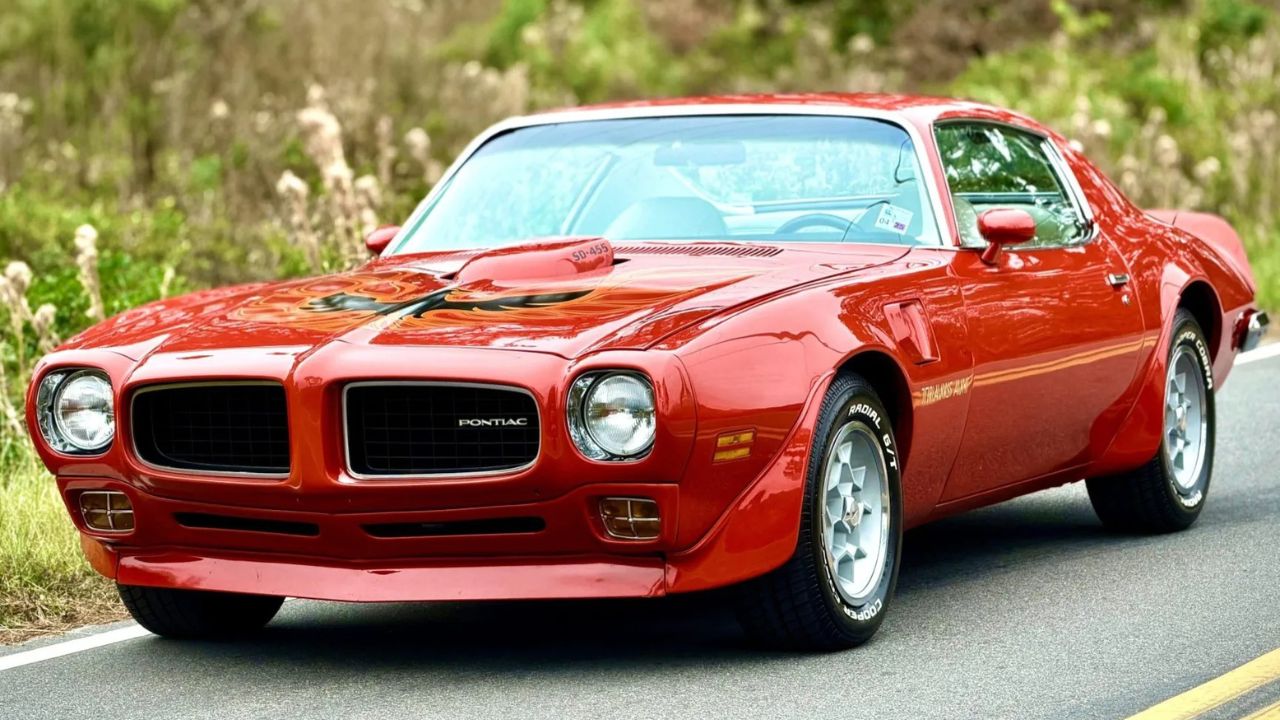
The Pontiac Trans Am SD-455 became one of the final true high-performance muscle cars of the early 1970s. Developed by Pontiac, it featured the Super Duty 455 V8 with strengthened internals and serious performance engineering despite tightening regulations. Functional shaker hoods and aggressive graphics reinforced its muscle-car identity visually. Buyers recognized immediately that it offered far more capability than most contemporaries. The SD-455 survived the insurance crackdown by delivering authentic power when many rivals had already softened dramatically.
Chevrolet Camaro Z28
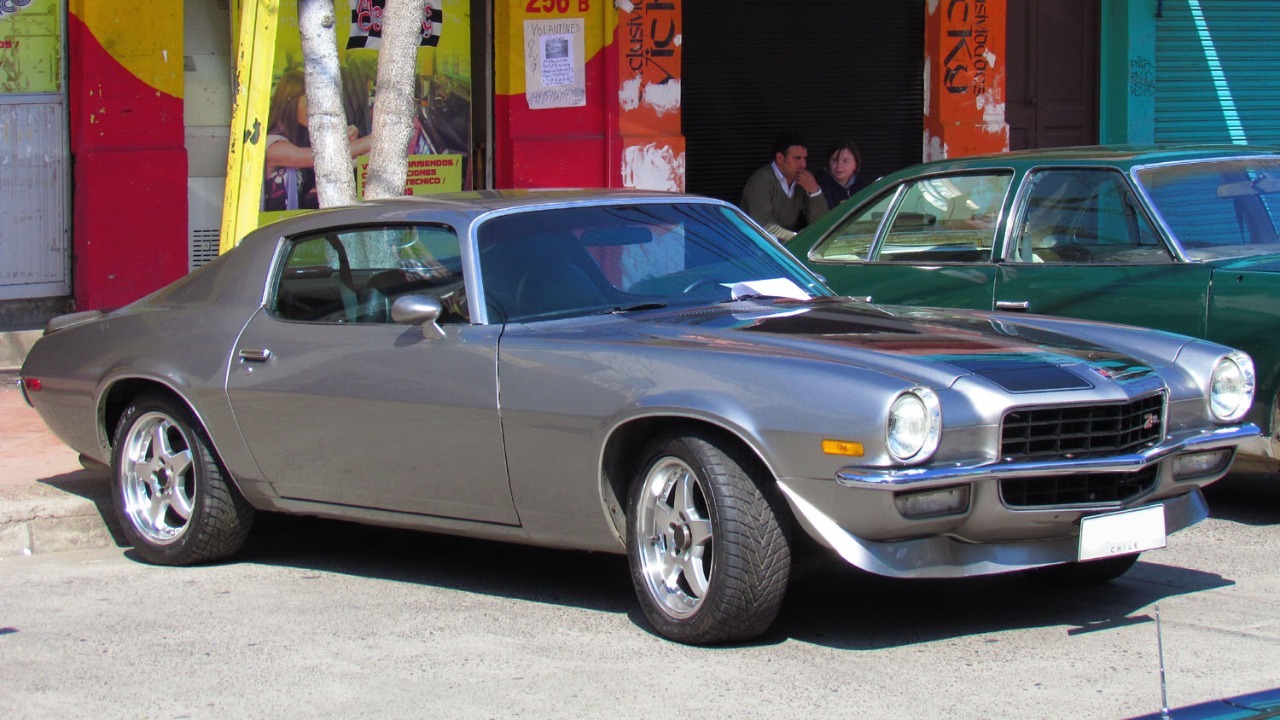
The Chevrolet Camaro Z28 adapted carefully to the difficult performance climate of the 1970s while preserving its enthusiast credibility. Produced by Chevrolet, it shifted focus toward balanced handling and aggressive styling as horsepower ratings declined industry-wide. Rally-inspired suspension tuning kept the car engaging to drive even during emissions-era compromises. Buyers appreciated its unmistakable muscle-car appearance and V8 character. The Z28 survived because Chevrolet maintained performance identity without abandoning the Camaro’s original spirit entirely.
Dodge Lil Red Express Truck
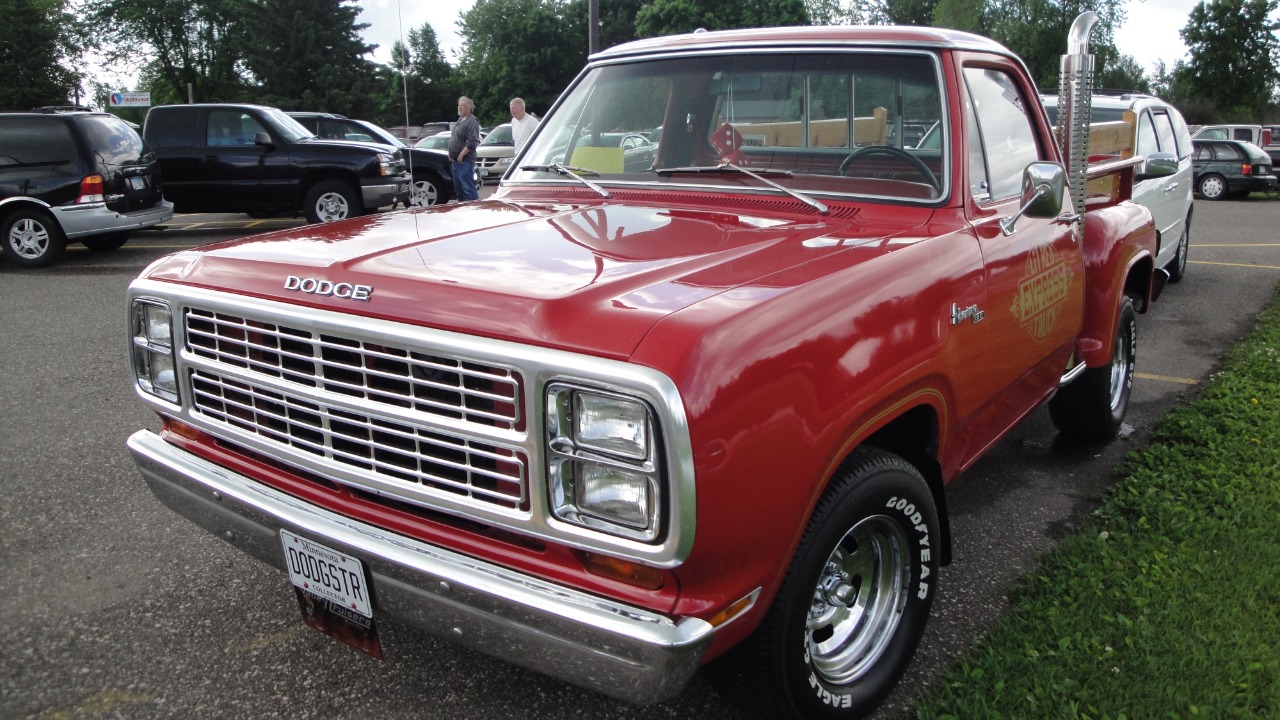
The Dodge Lil Red Express Truck bypassed many passenger-car emissions restrictions and unexpectedly became one of the quickest American vehicles of its era. Built by Dodge, it used a high-output 360 V8 paired with dramatic vertical exhaust stacks and bold styling. Magazine tests revealed surprisingly strong acceleration despite the declining horsepower environment. Buyers loved its rebellious personality and unmistakable street presence. The Lil Red Express survived the crackdown by finding creative ways around the era’s performance limitations.
Pontiac Firebird Formula
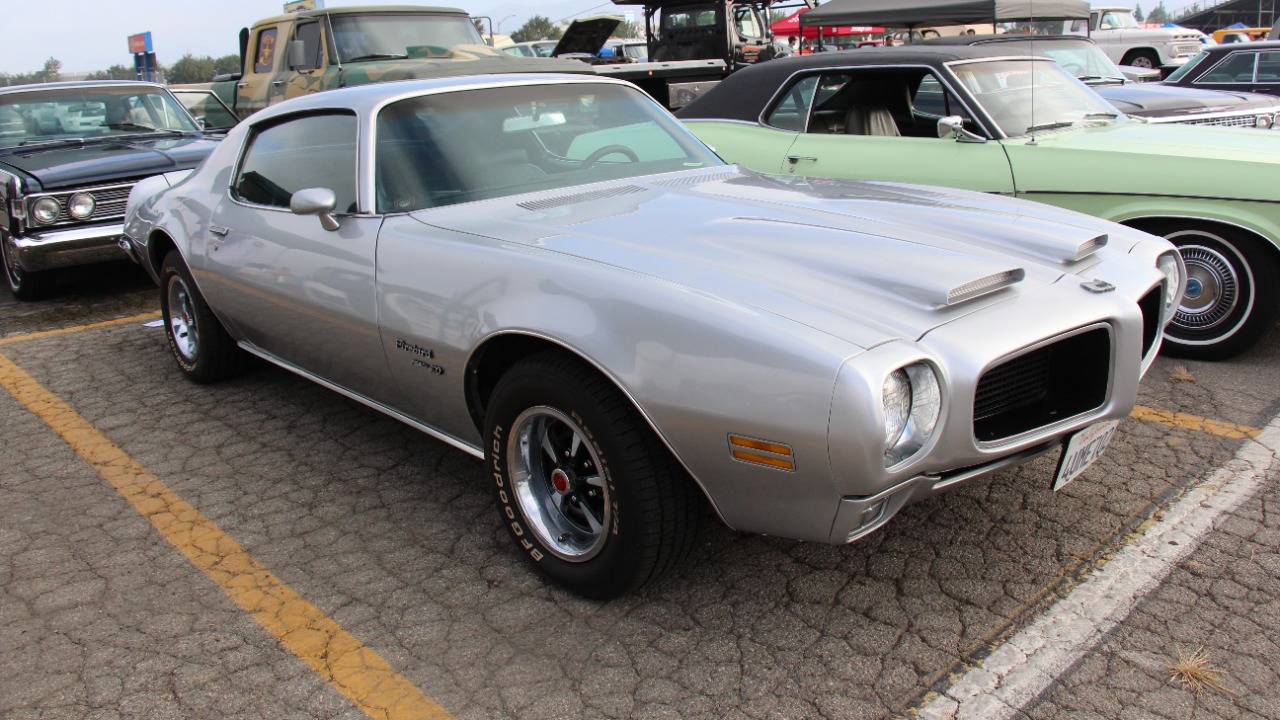
The Pontiac Firebird Formula quietly carried serious muscle-car performance into the middle and late 1970s. Developed by Pontiac, it offered strong V8 options and cleaner styling than the more aggressive Trans Am. Enthusiasts appreciated its sleeper personality and respectable acceleration during a period when many cars became dramatically slower. Balanced proportions and responsive handling added to its appeal. The Formula survived because it delivered authentic performance without drawing excessive insurance-company attention.
Chevrolet Corvette L82
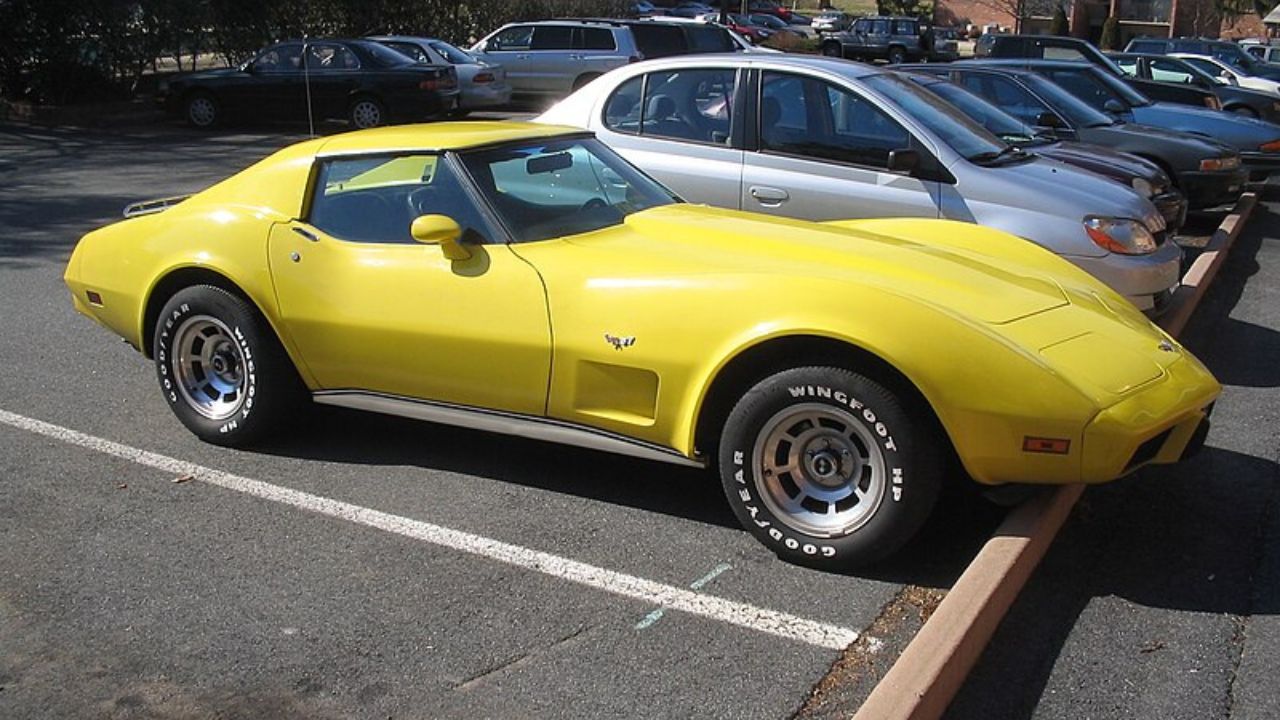
The Chevrolet Corvette L82 helped preserve American performance credibility when many manufacturers struggled under new regulations. Produced by Chevrolet, the L82 package improved horsepower and throttle response beyond standard Corvette specifications. Lightweight fiberglass construction helped offset declining output figures compared to earlier muscle machines. Buyers still viewed the Corvette as a genuine performance car despite industry-wide compromises. The L82 survived because Chevrolet refused to let America’s sports car lose its enthusiast-focused identity completely.
Plymouth Road Runner

The Plymouth Road Runner evolved significantly during the 1970s yet managed to retain much of its original muscle-car personality. Built by Plymouth, later versions emphasized styling, torque, and street presence over raw quarter-mile dominance. Distinctive graphics and performance-oriented trim helped maintain enthusiast interest despite shrinking horsepower ratings. Loyal buyers appreciated its continuing connection to Mopar’s golden muscle era. The Road Runner survived by adapting visually and mechanically without abandoning its core identity.
Ford Mustang Mach 1
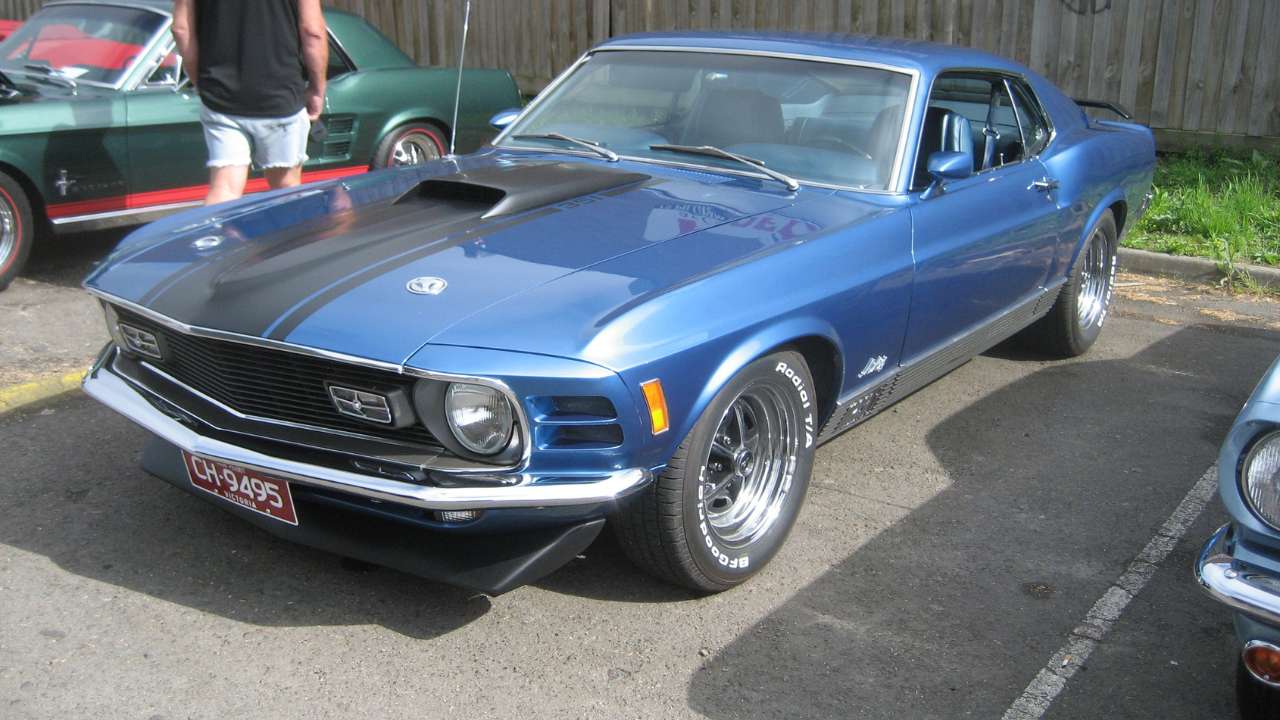
The Ford Mustang Mach 1 remained one of the strongest performance-focused Mustangs throughout the difficult 1970s transition period. Developed by Ford Motor Company, it combined aggressive styling with available V8 power and suspension upgrades that preserved driving excitement. Hood scoops, stripes, and sporty interiors reinforced its muscle-car heritage. While horsepower declined compared to earlier years, the Mach 1 still offered respectable street performance. It survived because Ford understood the emotional importance of Mustang performance branding.
Buick Regal Turbo
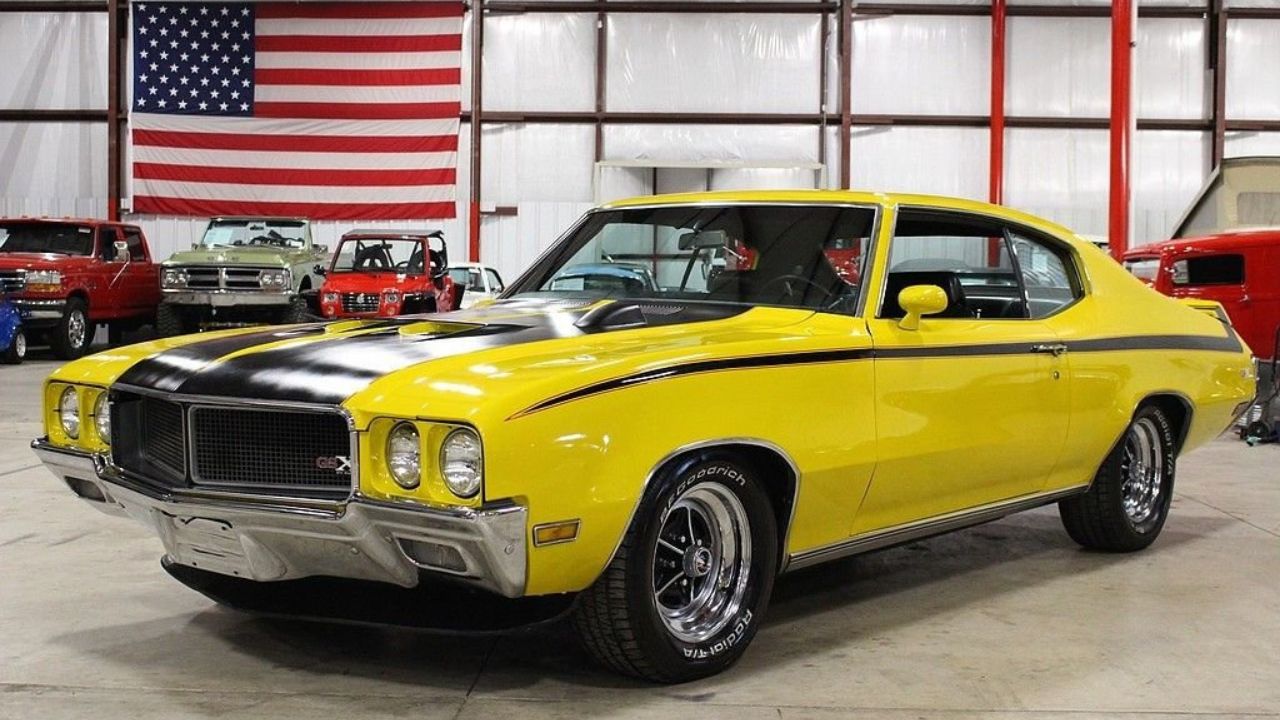
The Buick Regal Turbo hinted at the future of American performance during the late 1970s. Produced by Buick, it used turbocharging to recover performance lost through emissions restrictions and shrinking compression ratios. Smooth V6 power delivery contrasted with traditional big-block muscle formulas. Enthusiasts quickly recognized the potential of forced induction in the changing automotive environment. The Regal Turbo survived the crackdown era by embracing modern engineering instead of relying solely on displacement.
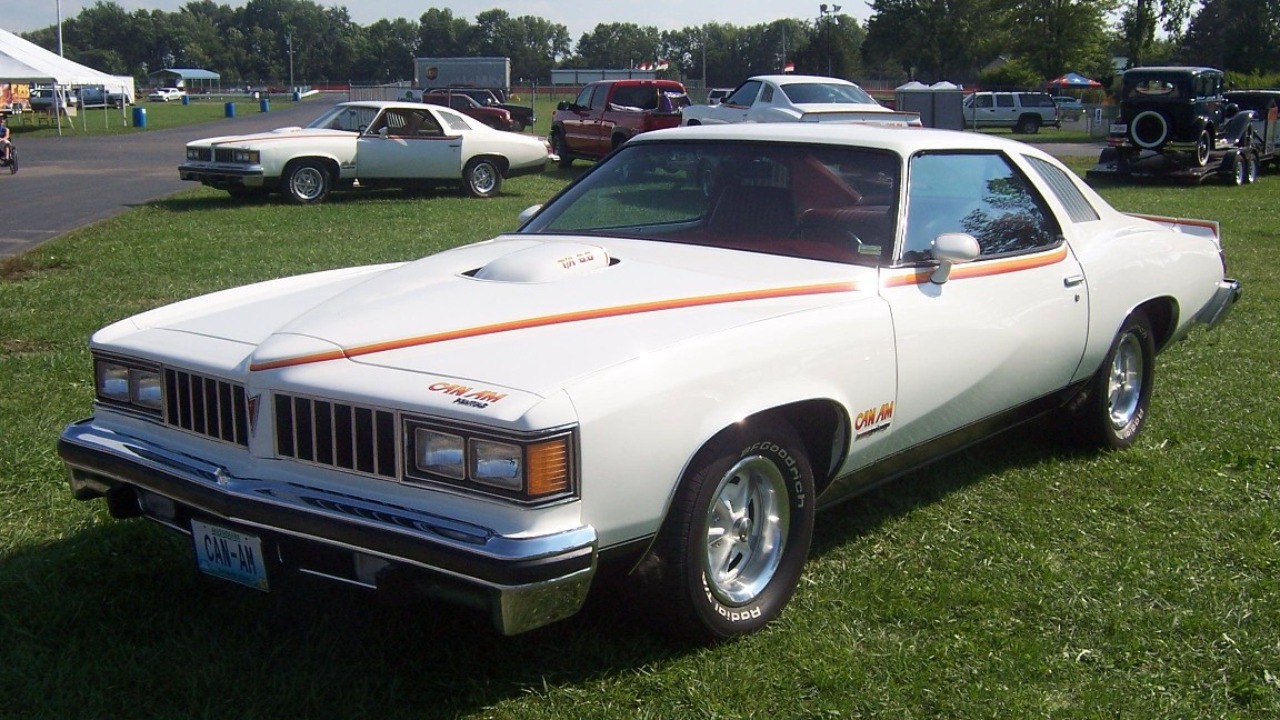
Pontiac Can Am
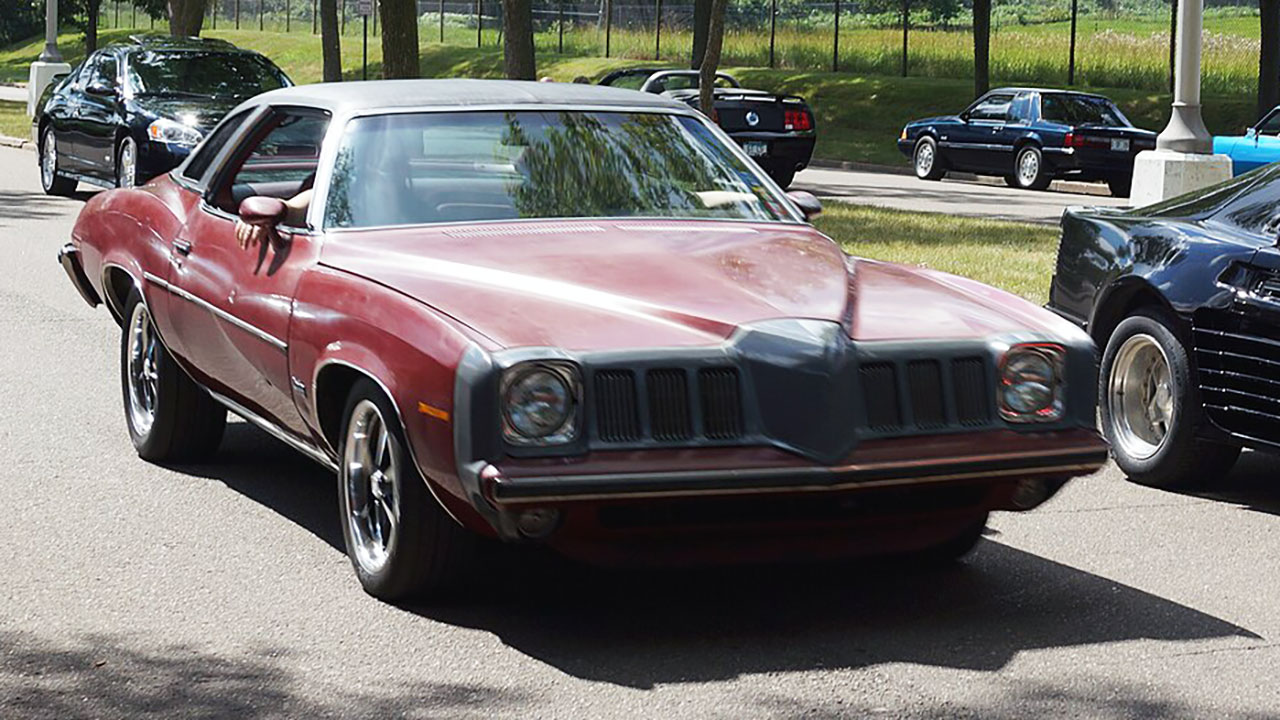
The Pontiac Can Am briefly revived excitement around traditional V8 muscle during the late 1970s. Built by Pontiac, it featured a large-displacement V8, functional hood scoop, and aggressive graphics inspired by earlier performance legends. Limited production numbers increased its long-term mystique considerably. Buyers appreciated its willingness to celebrate muscle-car culture during a difficult period for performance enthusiasts. The Can Am survived because Pontiac still believed there was demand for bold American V8 personality.
More from Fast Lane Only