For most enthusiasts, “rare” muscle cars are those that surface at auction once in a decade. The machines below are on another level, so scarce that even veteran brokers struggle to name an asking price. Each one combines brutal performance with production numbers so tiny that they almost never hit the open market at all.
1970 Dodge Coronet R/T Convertible HEMI

The 1970 Coronet R/T Convertible HEMI is widely described as the rarest Dodge muscle car ever sold to a public buyer, with only 2 Built in this configuration. Reporting on the Coronet notes that the 426 HEMI V8, combined with the soft top, created a package so specialized that dealers struggled to move them at the time. One analysis explains that low demand when new is precisely what turned this Coronet into a ghost today, because so few customers were willing to pay for a 426 HEMI in a Convertible.
That scarcity has major implications for collectors. With just a pair of documented cars, any change of ownership tends to occur privately, often brokered quietly between high net worth Mopar specialists. Market observers point out that even seasoned appraisers hesitate to assign a firm value, since there are almost no public sales to reference. For serious Dodge historians, the Coronet R/T Convertible HEMI has become a benchmark for how limited production and period indifference can create a modern halo car.
1971 Plymouth Hemi ‘Cuda Convertible
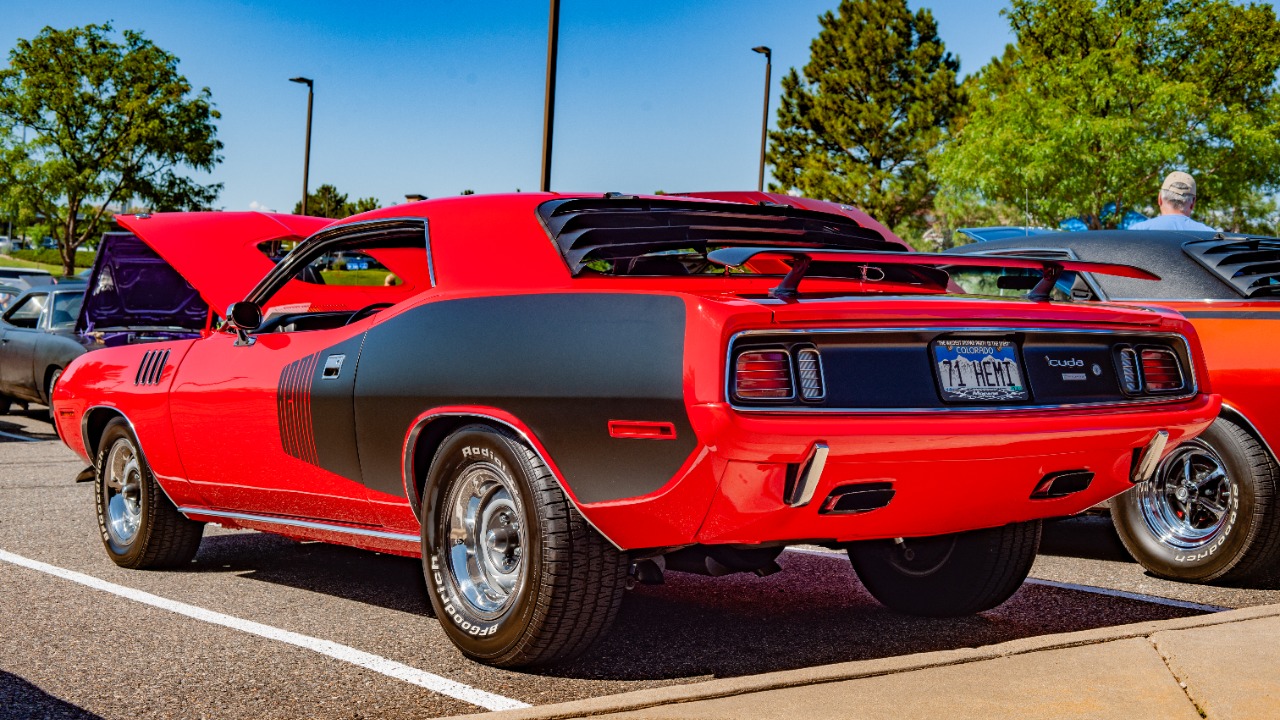
The 1971 Plymouth Hemi ‘Cuda Convertible is routinely cited as one of the rarest muscle cars ever built, with only 11 units produced according to detailed production tallies. Coverage of the Plymouth Hemi Cuda Convertible stresses that every example carried the legendary 426 HEMI engine, a powerplant that delivered “unmatched performance and power” in period. Another report on rare production cars notes that less than 10 of some similar Plymouth Hemi Cuda Convertible Examples even exist, underscoring how close this model comes to single digits.
For stakeholders in the high end American performance market, the ‘Cuda’s numbers have real consequences. Insurers, restorers, and auction houses treat each surviving Convertible as a cultural artifact as much as a vehicle, with provenance files that can run thicker than the original owner’s manual. Because so few cars left the factory, even minor deviations from stock can dramatically affect value. As a result, owners often keep these cars in controlled collections, which helps explain why they almost never appear in public listings.
1970 Plymouth Road Runner Hemi Convertible

The 1970 Plymouth Road Runner Hemi Convertible is described by specialists as one of the rarest and most sought after muscle cars in automotive history. A detailed profile of the Plymouth Road Runner Hemi Convertible emphasizes that it combined the brand’s raw performance image with the open air appeal of a drop top, a pairing that was ordered by very few buyers. Contemporary commentary highlights that the car shared the same fearsome HEMI engine that powered Plymouth’s most aggressive models, yet the Convertible configuration kept production extremely limited.
This combination of specification and scarcity has turned the Road Runner Hemi Convertible into a reference point for Mopar valuations. When a related Road Runner Hemi hardtop appears at a major sale, analysts often use its hammer price to extrapolate what a Convertible might bring, even though no two examples are truly comparable. Collectors note that the car’s rarity has also encouraged meticulous documentation, with registries tracking each known chassis. That level of scrutiny, and the near total absence of public offerings, reinforces its status as a car that almost never reaches the open market.
1970 Oldsmobile 442 W-30 Convertible

The 1970 Oldsmobile 442 W-30 Convertible stands out because only 96 were Built, a figure repeated consistently in production summaries. Reports describe a front three quarter view of a white Oldsmobile Cutlass 442 W-30 parked at a Mecum Aucti event, illustrating how seldom one surfaces even at major venues. Analysts note that while 96 might sound high compared with one off specials, it is vanishingly small for a mainstream brand like Oldsmobile, especially for a flagship 442 performance package in Convertible form.
Each 442 W-30 Convertible came with a serious performance focus, including a Ram air style setup that signaled its intent. Market observers argue that this blend of luxury and speed has made the car particularly attractive to collectors who favor drivability over pure race homologation. Yet the tiny production run means that demand dramatically outstrips supply. When a documented W-30 Convertible appears, it often triggers intense bidding among brand loyalists, reinforcing why these cars are rarely advertised publicly and instead trade through specialist networks.
426-equipped Mopar convertibles
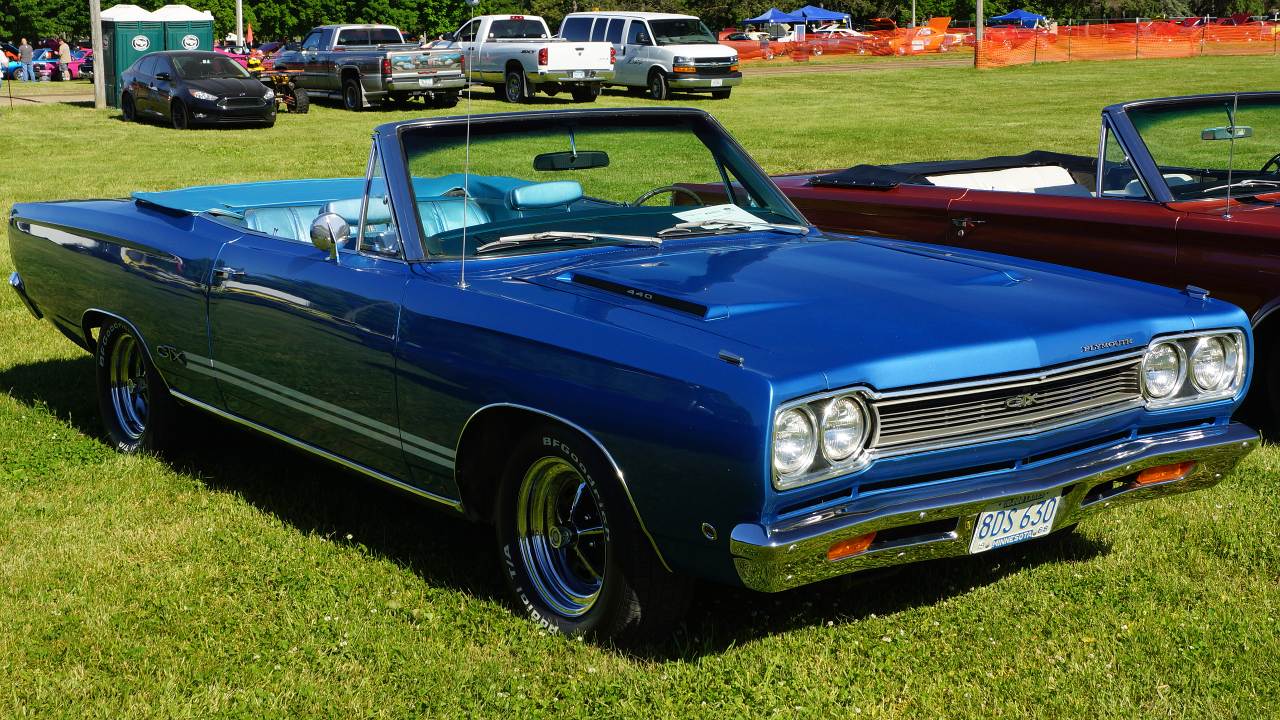
Across brands, 426-equipped Mopar convertibles are described as “the most collectible factory muscle cars of the classic era,” a phrase used in a detailed examination of these Elusive Drop Tops. That reporting explains that the combination of the 426 HEMI engine and a Convertible body created a niche product that few buyers ordered new, resulting in extremely low production totals across models. The same analysis notes that when the drop top option is paired with the 426, the car often becomes the rarest configuration in its entire model line.
For the broader market, this category illustrates how a specific engine and body style pairing can transform otherwise familiar nameplates into near mythical objects. Appraisers treat 426-equipped Mopar convertibles as outliers when building price guides, since their values can sit far above hardtop equivalents. Collectors, in turn, often prioritize these cars over more common high performance variants, knowing that opportunities to acquire one may not recur in their lifetimes. That dynamic keeps most examples locked away, surfacing only in private sales or carefully curated museum displays.
1967 Shelby Mustang GT500 Super Snake
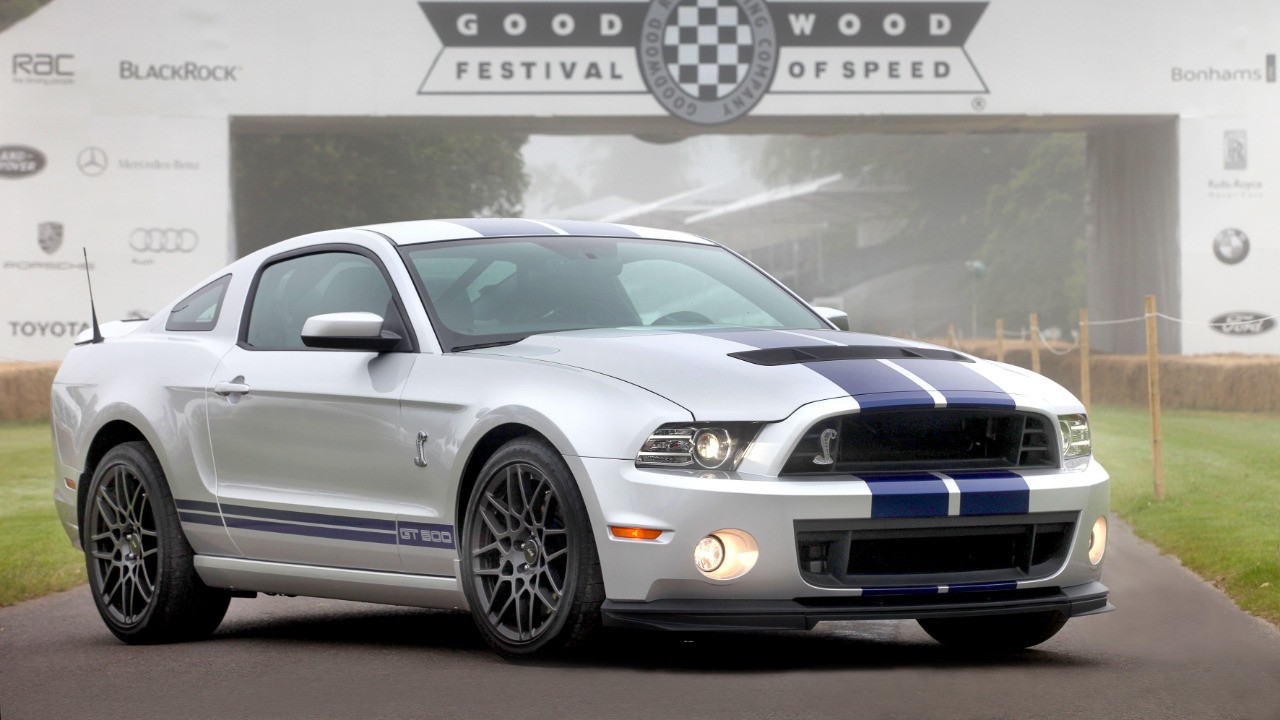
The Shelby Mustang GT500 Super Snake from 1967 is frequently identified as the rarest muscle car of all, with Only one example built. Reporting on the Shelby Mustang Super Snake explains that Carroll Shelby and his team created the car as a high speed demonstration vehicle, at one point considering a limited production run before abandoning the idea. Because the project stopped after a single unit, the GT500 Super Snake occupies a unique position, bridging factory backed experimentation and full production without fitting neatly into either category.
That singular status has profound implications for collectors and historians. With no sister cars for comparison, the Super Snake’s value is determined almost entirely by its narrative and its direct connection to Carroll Shelby and his development philosophy. The car’s existence also shapes how enthusiasts think about unrealized performance programs, serving as a reminder that some of the most extreme ideas never progressed beyond a single prototype. As a result, the GT500 Super Snake is less a market commodity than a one off benchmark that almost no buyer will ever have the chance to pursue.
1969 Chevrolet Corvette ZL-1
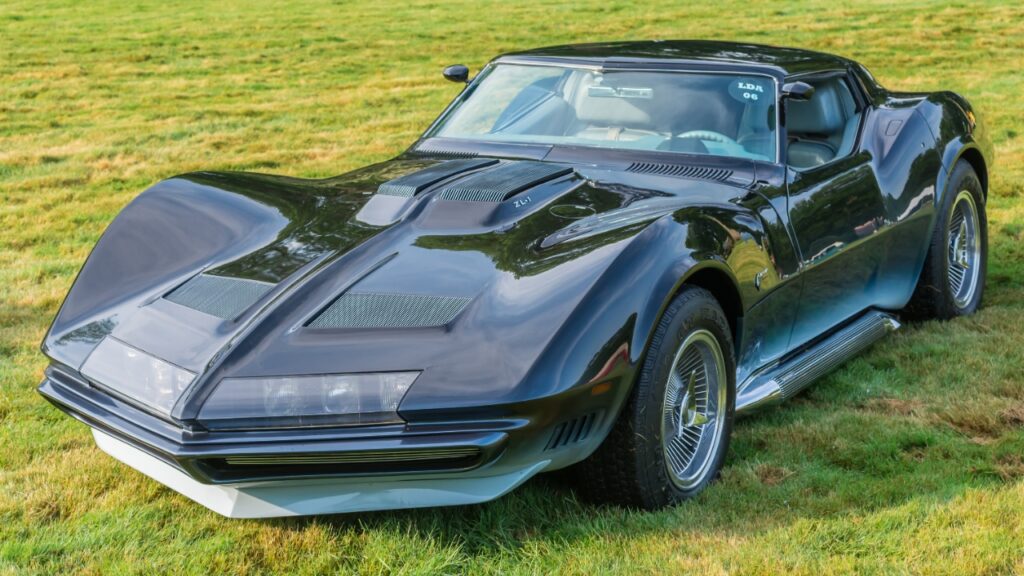
The 1969 Chevrolet Corvette ZL-1 is highlighted in performance car surveys as one of the rarest muscle oriented Corvettes ever offered. Coverage of the Chevrolet Corvette ZL notes that The Corvette, identified formally as the Chevrolet Corvette, received an all aluminum big block engine package that Chevro developed primarily for racing. Production figures cited in that reporting confirm that only a handful of ZL-1 cars were assembled, placing them in the same conversation as the scarcest American performance machines of the era.
For stakeholders in the Corvette community, the ZL-1’s rarity has reshaped expectations about what a factory built Chevrolet can be worth. Because so few cars exist, even incomplete or heavily modified examples attract intense scrutiny. The ZL-1 package also underscores how racing technology filtered into street cars in tiny numbers, creating models that are effectively homologation specials. That heritage, combined with the microscopic production run, ensures that ZL-1 Corvettes almost never appear in conventional classifieds, instead changing hands through tightly controlled negotiations.
1970 Plymouth Hemi Road Runner Hardtop (and its Convertible counterpart)

A detailed profile of classic muscle highlights a 1970 Plymouth Hemi Road Runner Hardtop that has been fully restored, while noting that the related 1970 Plymouth Road Runner Hemi Convertible is among the rarest and most coveted muscle cars. The discussion of the Plymouth Road Runner Hemi Convertible emphasizes that it shared the same raw power reputation as the hardtop, but with production limited to a tiny run that specialists regard as exceptionally scarce. Together, the two body styles illustrate how small changes in configuration can produce vastly different rarity levels.
For collectors, the presence of a restored Hemi Road Runner Hardtop at a major sale serves as a proxy for the unobtainable convertible. Analysts often use the hardtop’s performance and sale price to infer how the Convertible might be valued, even though the latter almost never appears. This relationship affects restoration decisions as well, encouraging owners to preserve original drivetrains and documentation in case future research links a given car more closely to the ultra rare Convertible lineage. The result is a market where even the more common hardtops are treated with unusual care.
1971 Plymouth Hemi ‘Cuda Convertible in broader exclusivity rankings

Beyond individual model spotlights, broader exclusivity rankings repeatedly single out the 1971 Plymouth Hemi ‘Cuda Convertible as a benchmark for rarity, again noting that only 11 units were produced. One survey of the most exclusive American cars places the Plymouth Hemi Cuda Convertible alongside ultra low volume luxury models, arguing that its 426 HEMI engine and limited build make it competitive with far more expensive exotics. Another overview of rare production muscle reiterates that Less than a dozen similar Cuda Convertible Examples exist, reinforcing the sense that this car sits at the outer edge of attainability.
These cross segment comparisons matter for investors and enthusiasts alike. By positioning the ‘Cuda Convertible within a wider field of scarce American vehicles, analysts highlight how muscle cars have entered the same rarity conversation as coach built grand tourers. That shift has encouraged some collectors to treat surviving ‘Cuda Convertibles as long term cultural assets rather than trading instruments. In practice, this means that when ownership does change, it often reflects estate planning or museum acquisitions rather than opportunistic flipping, keeping these cars effectively off the open market.
More from Fast Lane Only