The V8 engine, once thought to be on the brink of extinction due to the rise of fuel-efficient alternatives, has defied expectations by remaining in production longer than many anticipated. Its journey is a testament to engineering resilience, cultural significance, and evolving consumer preferences in the automotive industry.
The Evolution of the V8 Engine
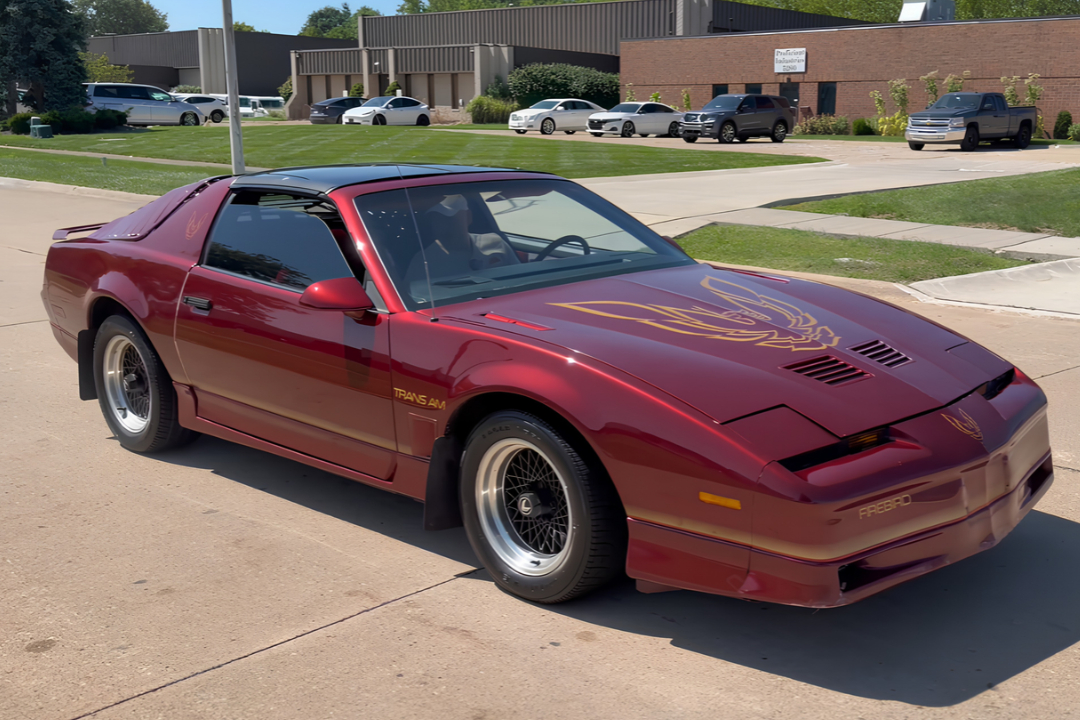
The V8 engine first emerged in the early 1900s, with the Cadillac V8 debuting in 1915. This groundbreaking design revolutionized automotive performance, allowing for greater power and smoother operation compared to earlier inline engines. Over the decades, the V8 became synonymous with American muscle and performance. Icons such as the Ford Mustang and Chevrolet Camaro highlighted its capabilities, making it an integral part of car culture.
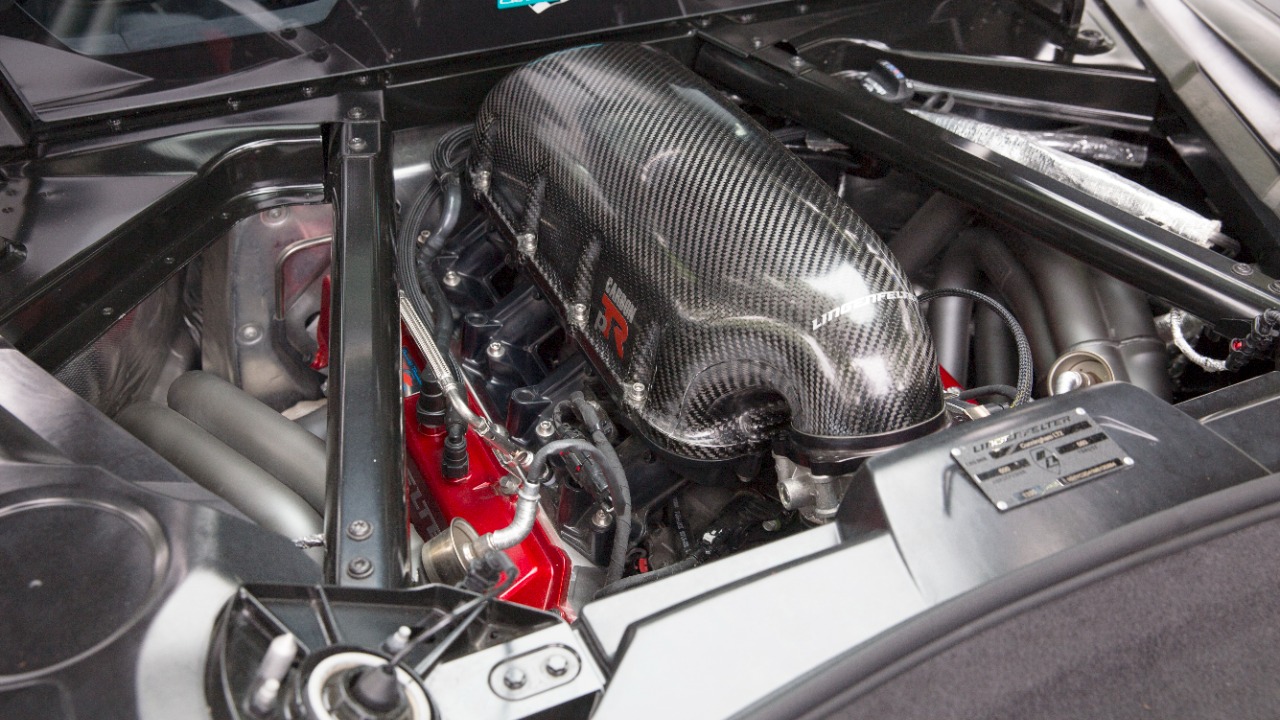
Technological advancements have played a key role in the V8’s survival. Innovations such as fuel injection, turbocharging, and variable valve timing have transformed the V8 from a gas guzzler into a more efficient powerhouse. For example, the introduction of direct fuel injection in the late 2000s significantly improved fuel economy and emissions without sacrificing performance. The modern Chevrolet Corvette’s LT2 engine is a prime example of this evolution, demonstrating both power and efficiency.
Culturally, the V8 has become an emblem of freedom and the open road in American society. Its deep, throaty roar evokes nostalgia and excitement, resonating with car enthusiasts and collectors alike. The V8’s presence in films, music, and literature has cemented its status as a cultural icon, reinforcing its place in the hearts of many automotive aficionados.
The Decline of the V8: Myths and Realities
In recent years, the automotive industry has shifted its focus toward eco-friendly alternatives, leading many to believe the V8 was on its way out. The rise of hybrid and electric vehicles, such as the Toyota Prius and Tesla Model S, has prompted consumers to seek more sustainable options. Yet, the narrative that V8 engines are obsolete is more complex than it seems.
One common misconception is that V8 engines are inherently inefficient compared to their smaller counterparts. While it is true that smaller engines often consume less fuel, advancements in V8 technology have allowed for remarkable improvements in efficiency. For instance, the Ford F-150’s EcoBoost V8 engine provides excellent towing capacity while maintaining respectable fuel economy, challenging the notion that larger engines cannot be efficient.
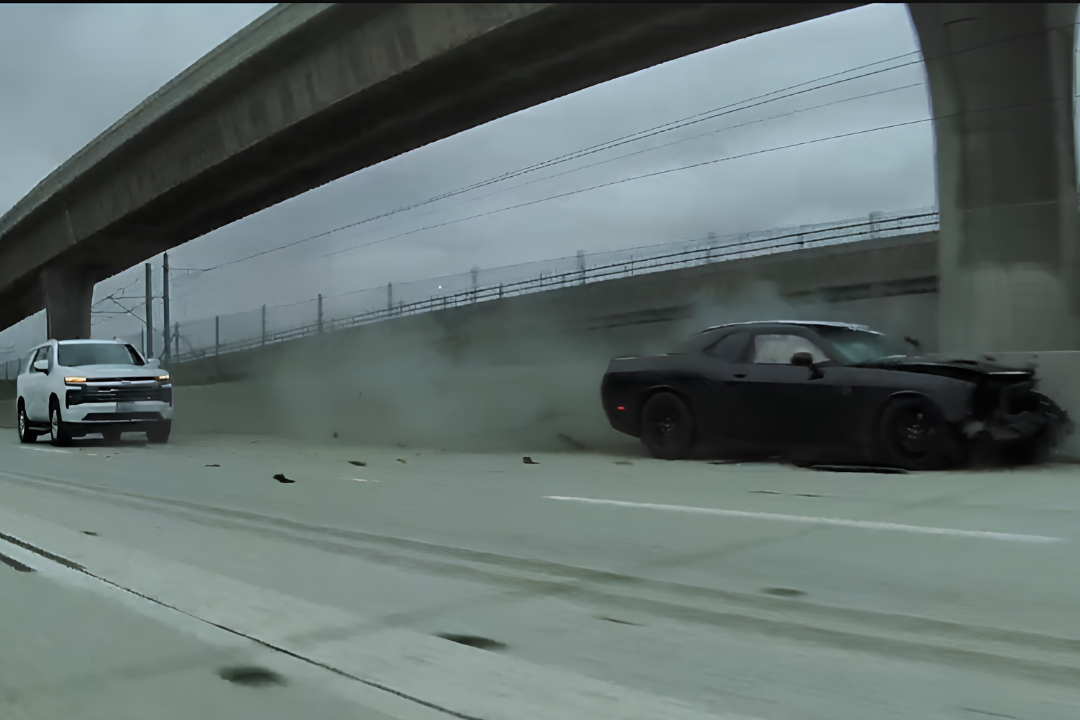
Market demand trends indicate that while eco-friendliness is increasingly important, there remains a substantial appetite for performance vehicles. Sales of muscle cars and trucks with V8 engines have remained steady, showcasing the enduring allure of power. According to recent statistics, the Dodge Charger, equipped with a HEMI V8, continues to attract buyers despite growing competition from electrified models, indicating a robust niche for traditional performance vehicles.
Resilience in a Changing Industry
Despite the challenges posed by changing consumer preferences, the V8 engine has found resilience in niche markets. Muscle cars and trucks, known for their powerful V8 engines, have revitalized interest among enthusiasts. Vehicles like the Ford Mustang GT and Chevrolet Silverado have achieved remarkable success, demonstrating that there is still a demand for high-performance options.
The role of performance models cannot be overstated. High-performance V8 vehicles, such as the Chevrolet Camaro ZL1 and the Ford Mustang Shelby GT500, continue to attract collectors and enthusiasts alike. These models often feature advanced technology, such as supercharging and lightweight materials, enhancing their performance while preserving the raw power that V8 engines are known for. The excitement surrounding these vehicles helps fuel interest in V8 engines, proving that they still hold a special place in the automotive landscape.
Automakers have also adapted their V8 offerings to meet modern demands. For example, General Motors has introduced the Dynamic Fuel Management system in its V8 engines, which allows the engine to deactivate cylinders when full power isn’t needed, significantly improving fuel efficiency. This innovation not only meets regulatory standards but also appeals to environmentally conscious consumers who may still desire the performance that a V8 offers.
The Future of the V8 Engine
Looking ahead, the future of the V8 engine appears to be filled with potential innovations. Manufacturers are exploring new technologies, such as hybrid V8 systems, which combine electric motors with traditional combustion engines to enhance performance while reducing emissions. This approach has already seen success in models like the Chevrolet Corvette E-Ray, which leverages both a V8 engine and electric motors for an exhilarating driving experience.
Sustainability efforts are also at the forefront of V8 development. Manufacturers are actively working to make V8 engines more environmentally friendly without compromising their performance. For example, Ford’s new generation of V8 engines includes advanced materials and design optimizations that reduce emissions while retaining the performance characteristics that enthusiasts crave. These developments signify a commitment to evolving the V8 for a more sustainable future.
The classic V8 car market is also witnessing a resurgence, as collectors seek out iconic models from the past. Classic cars equipped with V8 engines, such as the 1970 Chevrolet Chevelle SS and the 1969 Ford Mustang Mach 1, are becoming sought-after investments. Their rarity and historical significance have led to increased values, demonstrating that the V8’s legacy continues to hold appeal in both the automotive community and the collector market.
Conclusion: The V8’s Enduring Legacy and Potential
The V8 engine has left an indelible mark on the automotive landscape, influencing design, performance standards, and cultural perceptions of vehicles. Its evolution from a simple powertrain to a sophisticated engine capable of meeting modern demands showcases its adaptability and resilience. As the automotive world continues to evolve, the V8 has the potential to thrive alongside emerging technologies.
Future prospects for the V8 engine are bright, with innovations on the horizon and a growing interest in both classic and modern models. As manufacturers continue to refine their V8 offerings, the engine’s survival speaks volumes about consumer desires for power, performance, and a connection to automotive history. The V8 may not just endure; it may well thrive in an electrified automotive world.
More from Fast Lane Only
- Unboxing the WWII Jeep in a Crate
- 15 rare Chevys collectors are quietly buying
- 10 underrated V8s still worth hunting down
- Police notice this before you even roll window down
*Research for this article included AI assistance, with all final content reviewed by human editors.