Not every muscle-era car earns respect simply because it has a powerful engine. Mechanics often appreciate vehicles that combine strong drivetrains with sensible engineering, accessible components, and designs that are relatively straightforward to repair. These nine classics stand out for qualities that may not be obvious to casual observers.
Chevrolet Nova
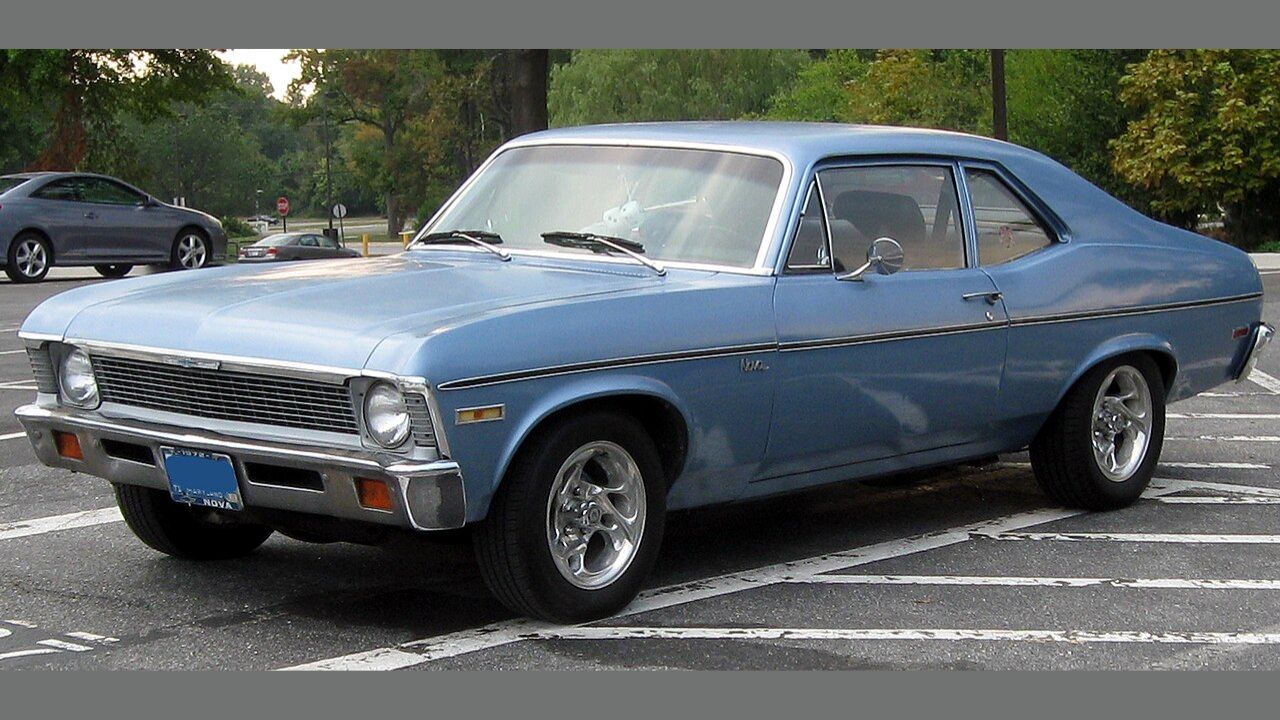
The Chevrolet Nova earned a reputation for being a simple and versatile platform. Its compact dimensions, straightforward suspension, and wide range of Chevrolet engines made it relatively easy to work on. Mechanics appreciate the generous engine bay and abundant parts availability. High-performance versions became popular with enthusiasts, but even ordinary Novas demonstrated why simple engineering can remain valuable decades later.
Ford Fairlane
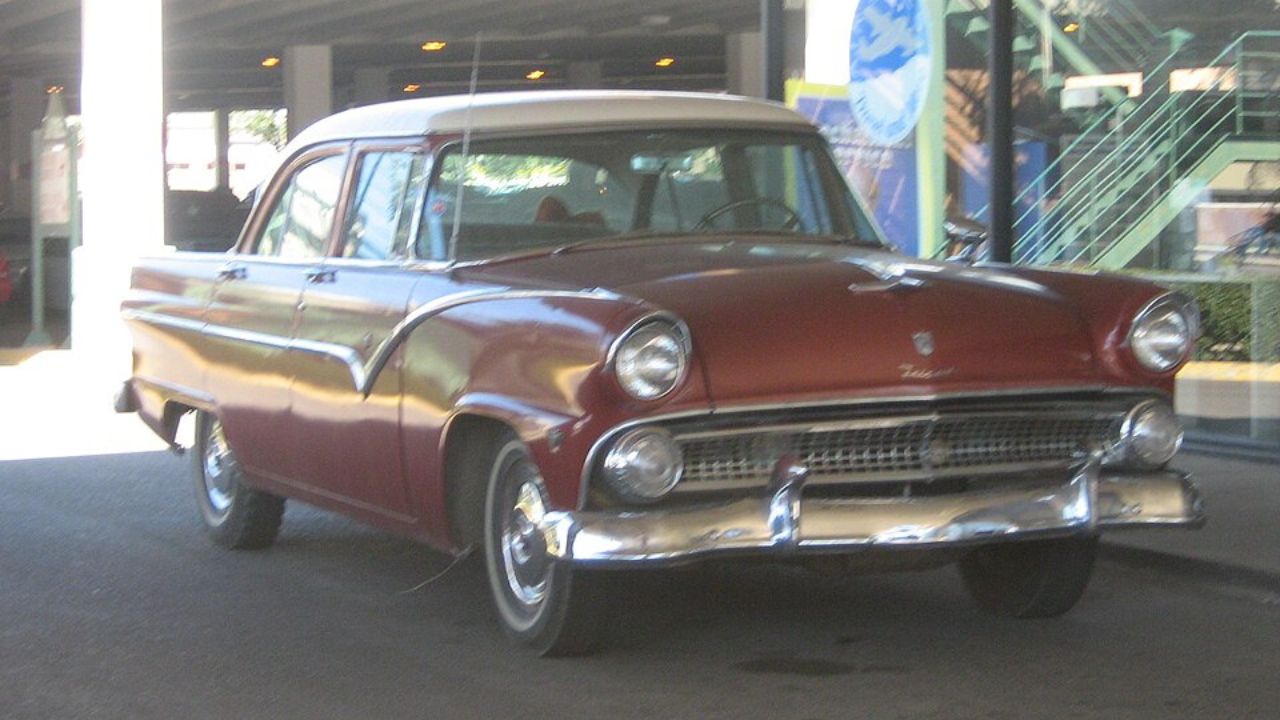
The Ford Fairlane combined traditional American construction with a broad selection of engines and drivetrains. Its conventional layout made many repairs familiar to experienced mechanics, while the availability of V8 power gave it plenty of performance potential. Because the Fairlane shared components with other Ford models, sourcing parts was often manageable. Its straightforward engineering makes it an interesting classic for hands-on owners.
Pontiac LeMans
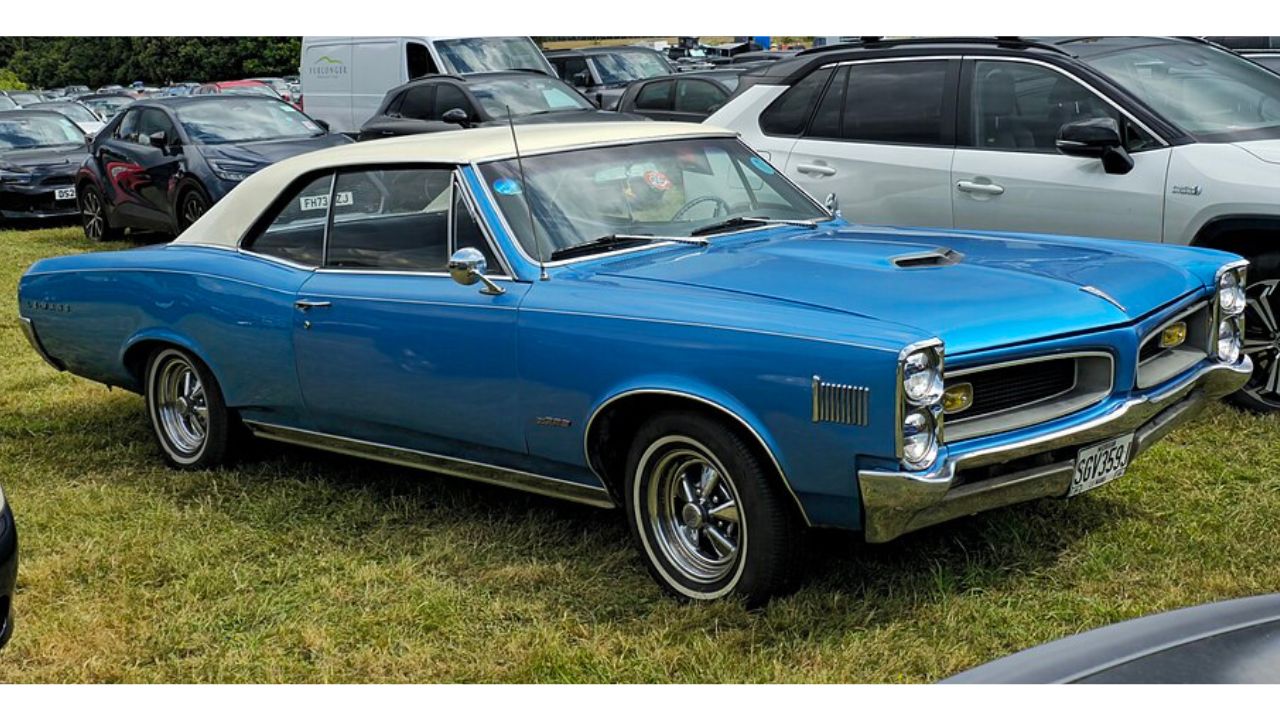
The Pontiac LeMans became an important part of Pontiac’s performance history, especially because the GTO package was based on the same basic platform. Its conventional rear-wheel-drive layout and robust V8 options made it relatively easy to service. Mechanics appreciate the simple mechanical foundation and broad parts interchange. Even standard LeMans models can provide an enjoyable introduction to classic Pontiac ownership.
Oldsmobile Cutlass
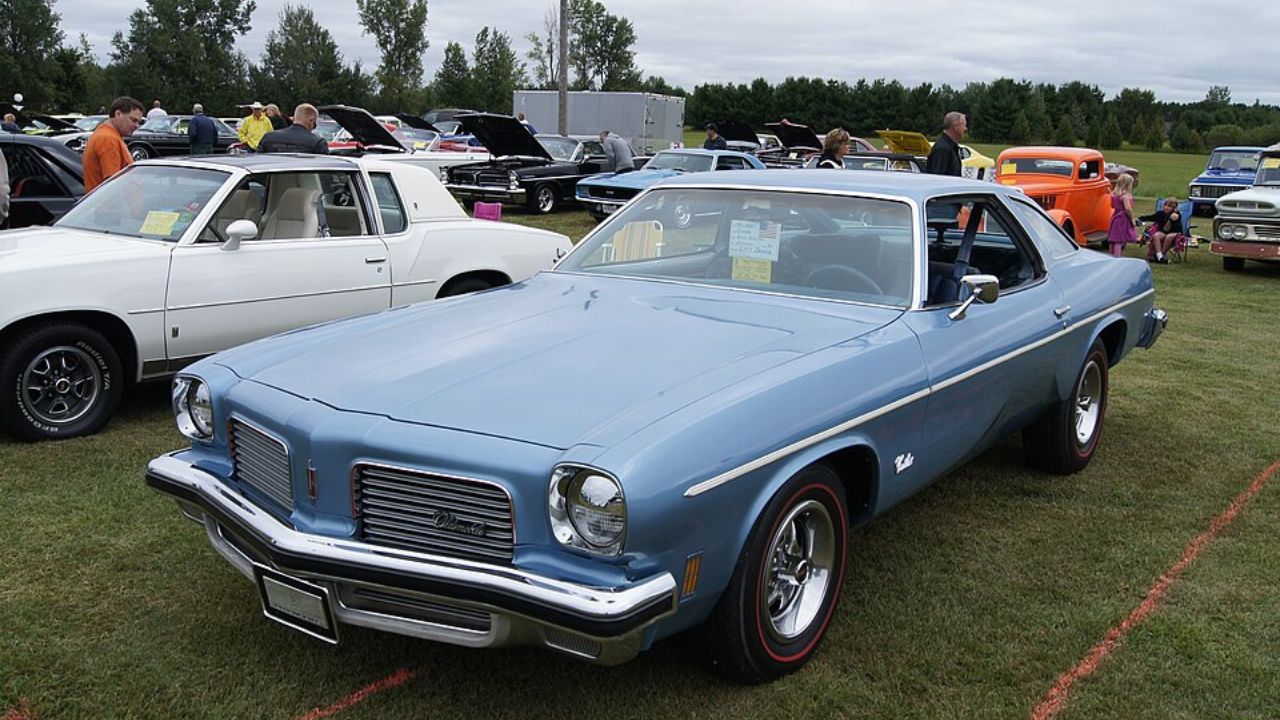
The Oldsmobile Cutlass became one of the most successful midsize American cars of its era. Its traditional rear-wheel-drive layout and familiar V8 architecture made it straightforward for mechanics to understand. Many components were shared across GM vehicles, helping with parts availability. Performance versions added more excitement, but the basic Cutlass platform remained a practical and serviceable classic.
Buick GS 400
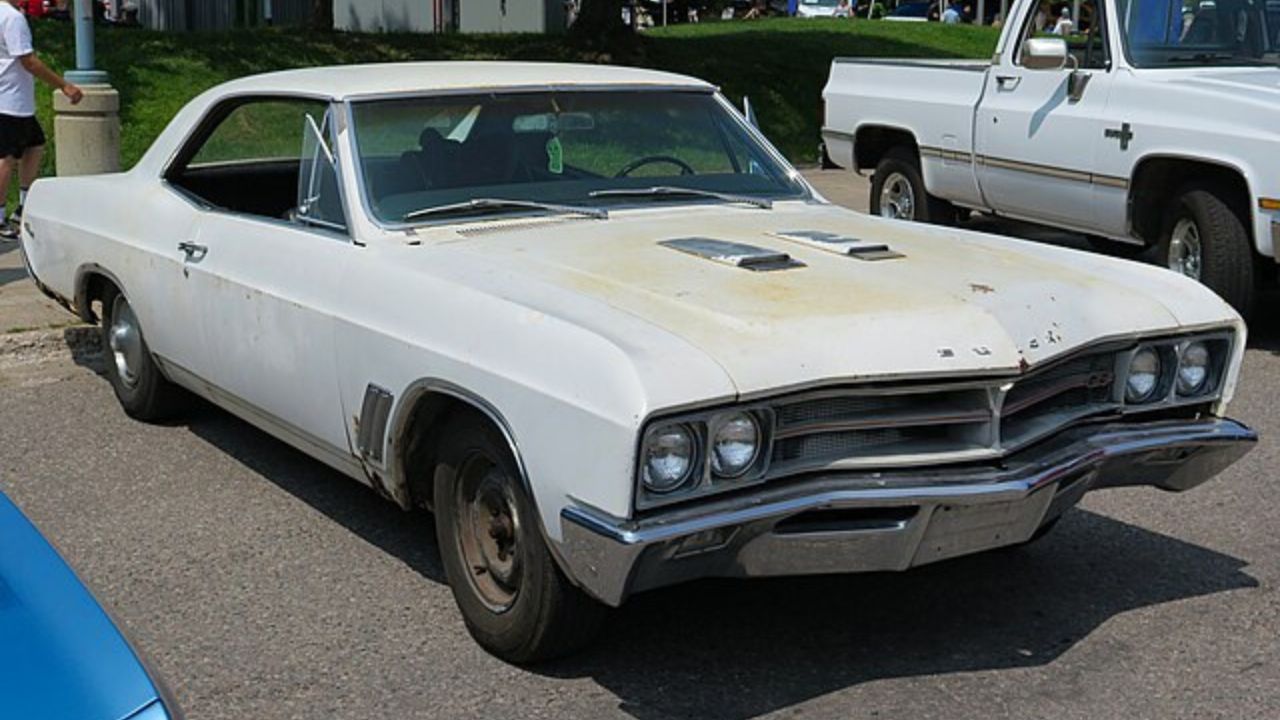
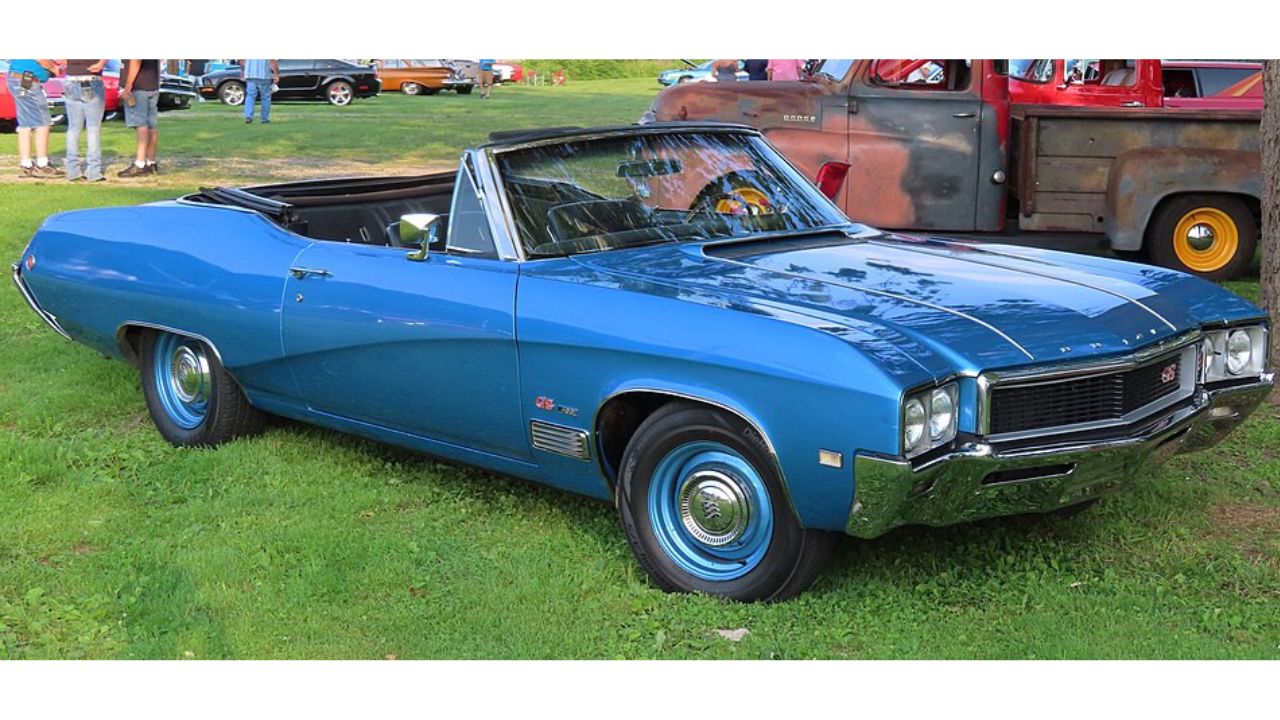
The Buick GS 400 combined a powerful V8 with the comfortable character associated with Buick. Its large-displacement engine provided substantial torque, while the conventional drivetrain made maintenance relatively familiar. Mechanics often appreciate the durable nature of the Buick V8 and the car’s traditional construction. Today, a well-preserved GS 400 offers a compelling combination of performance and straightforward mechanical engineering.
Ford Torino
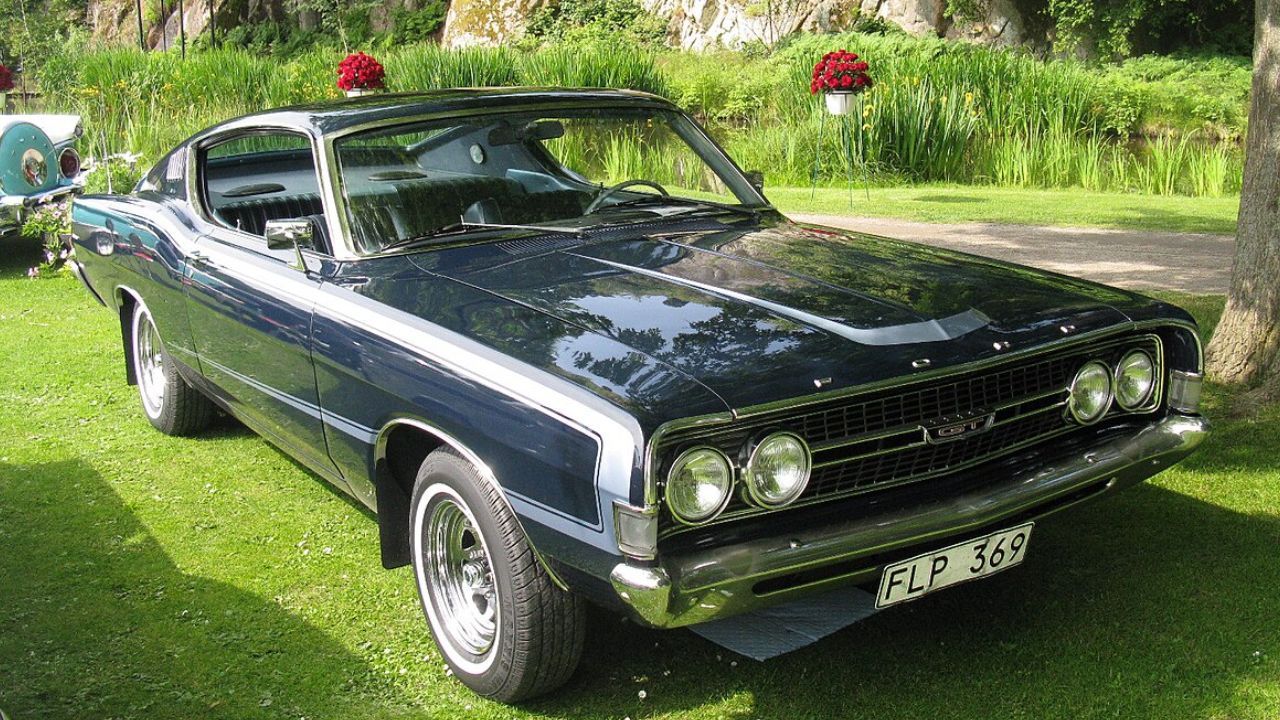
The Ford Torino provided a sturdy platform for both everyday transportation and serious performance models. Its traditional body-on-frame construction and broad range of Ford engines made it familiar territory for mechanics. Big-block versions delivered impressive power, while standard models remained relatively uncomplicated. The Torino’s versatility is one reason it continues to attract enthusiasts interested in practical classic Ford performance.
Chevrolet Chevelle
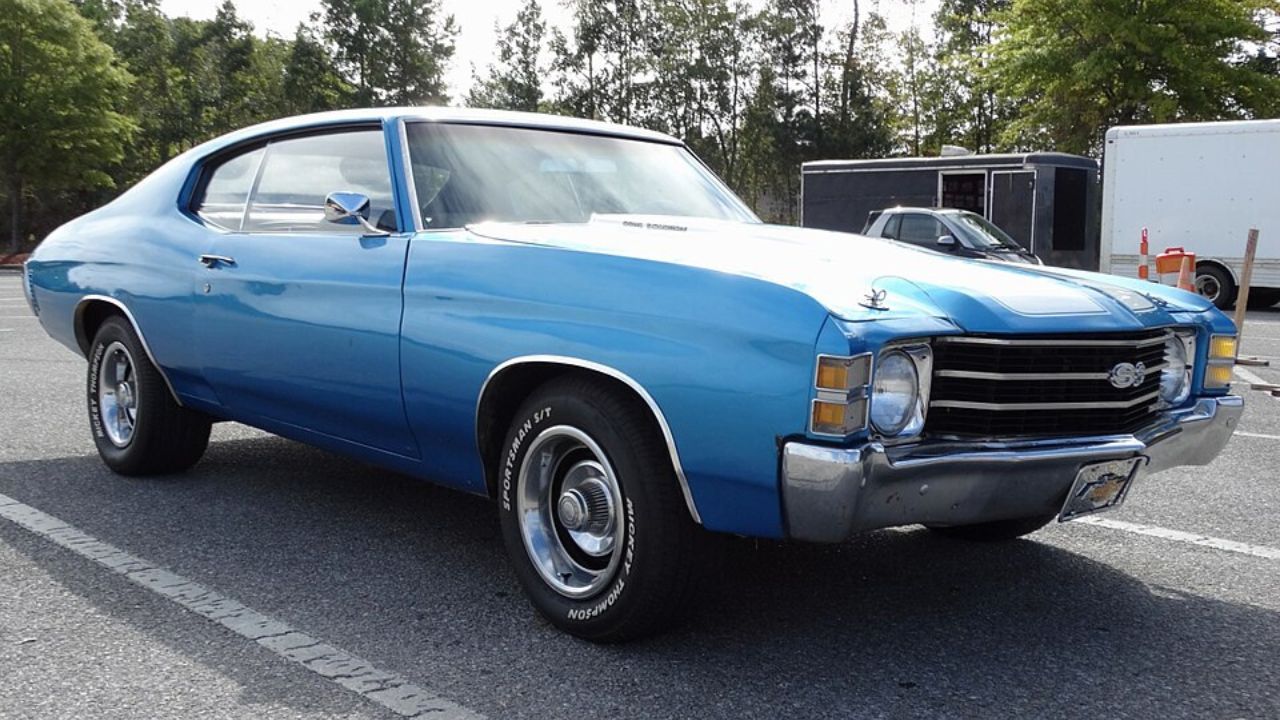
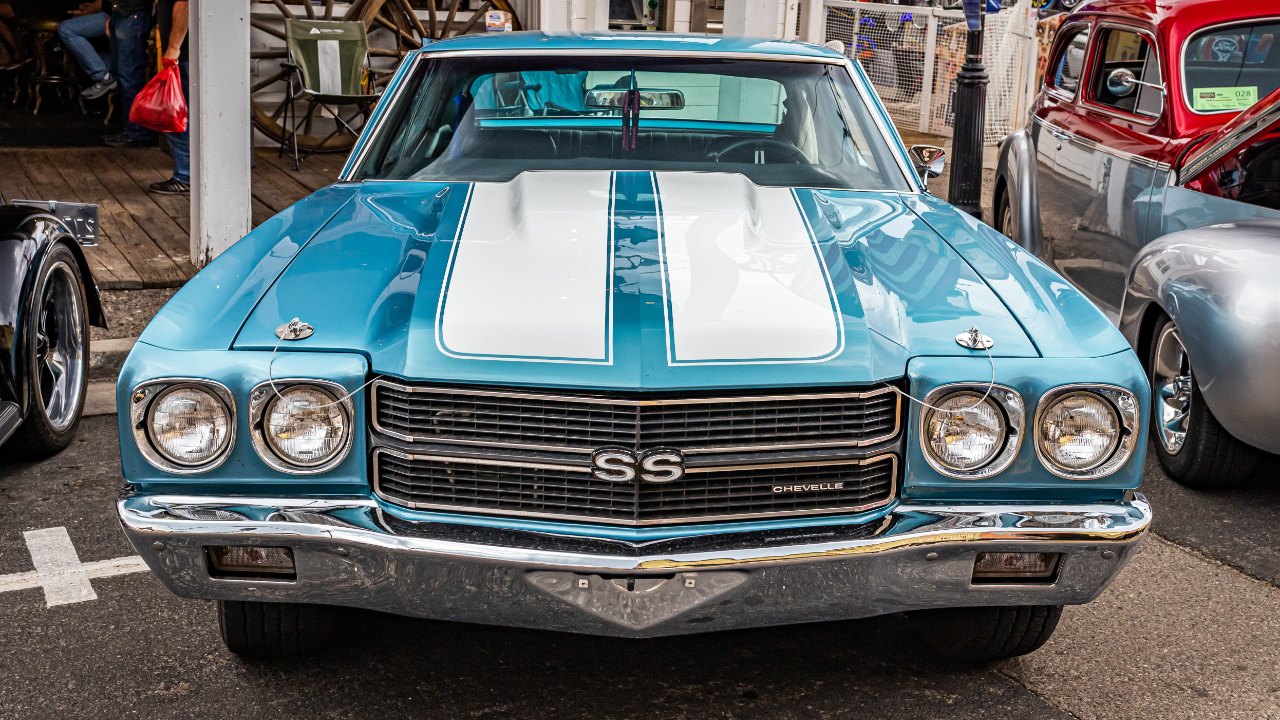
The Chevrolet Chevelle became one of the most important midsize muscle cars of the 1960s and early 1970s. Its conventional chassis, rear-wheel drive, and huge selection of Chevrolet engines made it relatively easy to repair and modify. Mechanics also benefit from the enormous aftermarket surrounding the model. Even today, replacement parts and technical knowledge remain widely available for restoration projects.
Dodge Dart
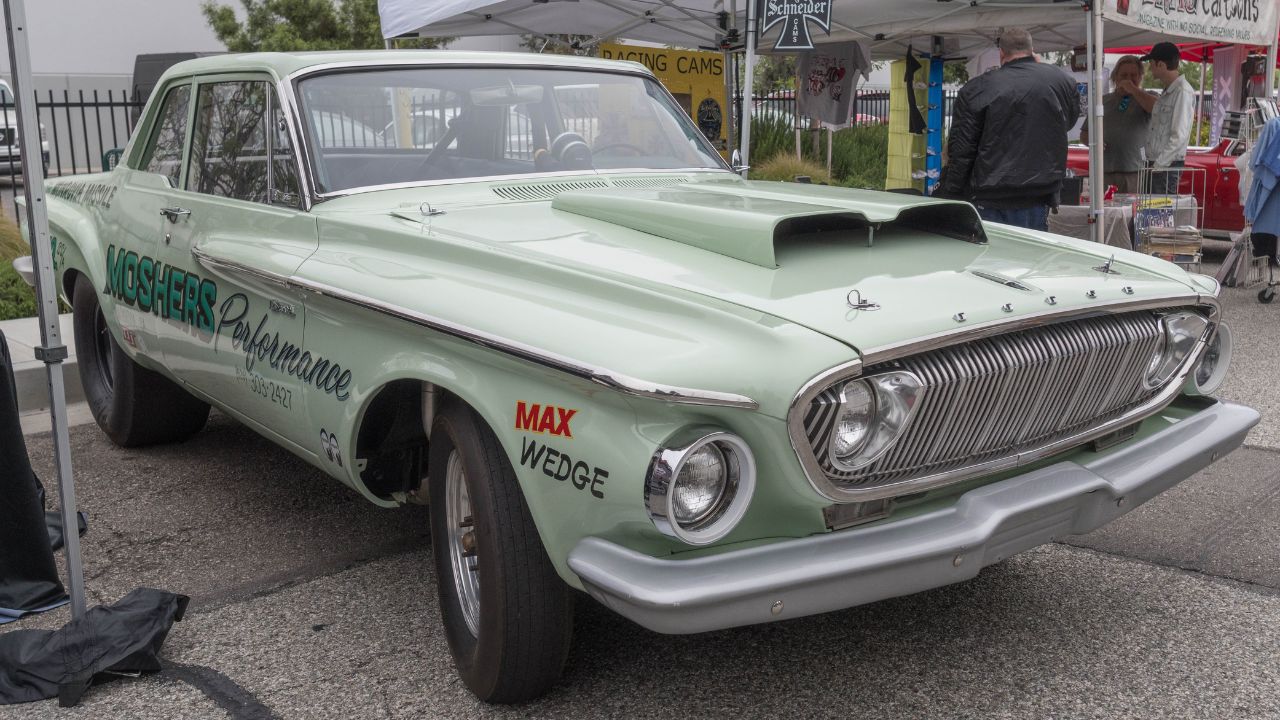
The Dodge Dart combined compact dimensions with simple mechanical construction and available V8 power. Its straightforward layout made routine maintenance relatively approachable, while its lightweight body gave performance versions impressive acceleration. Mechanics often appreciate Chrysler’s conventional drivetrain design and the Dart’s relatively accessible engine compartment. The model remains an appealing choice for enthusiasts who enjoy working on their own cars.
AMC Javelin
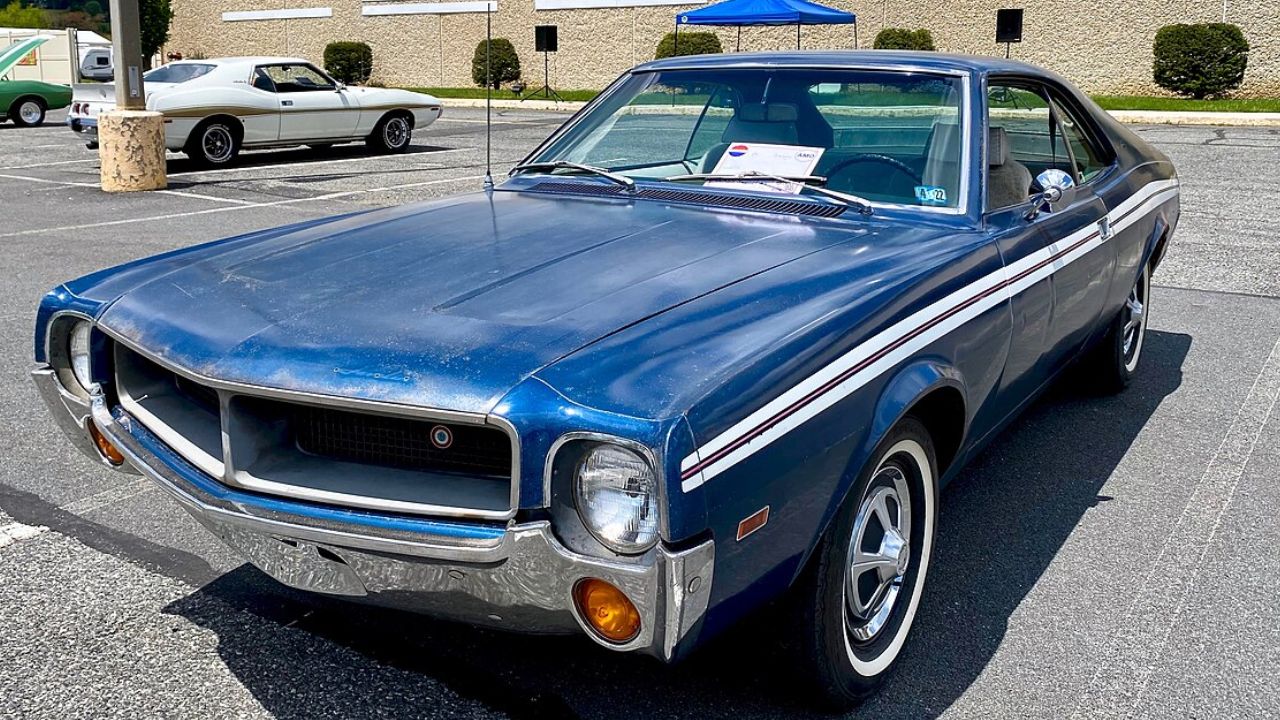
The AMC Javelin offered a distinctive alternative to Ford and Chevrolet performance cars while retaining relatively conventional mechanical engineering. Its V8 engines, rear-wheel-drive layout, and straightforward suspension made it familiar territory for experienced technicians. Parts availability can be more challenging than with the major Detroit brands, but mechanics who know AMC products often appreciate the Javelin’s honest engineering and unusual character.
More from Fast Lane Only
- Unboxing the WWII Jeep in a Crate
- 15 rare Chevys collectors are quietly buying
- 10 underrated V8s still worth hunting down
- Police notice this before you even roll window down
*Research for this article included AI assistance, with all final content reviewed by human editors