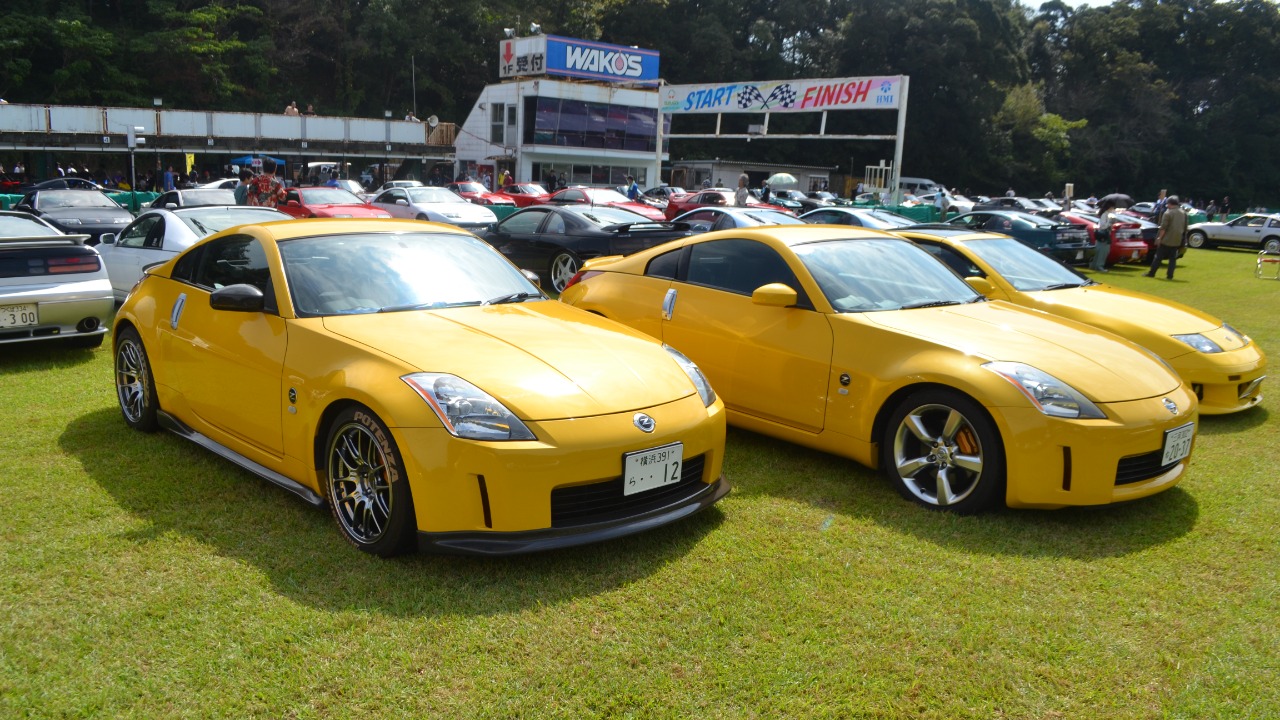
The Nissan Z line has long been synonymous with sportiness and innovation, beginning its journey as an affordable sports car that captured the hearts of enthusiasts. Over the decades, each iteration has not only built upon the legacy of its predecessors but has also evolved to meet changing consumer expectations and technological advancements. Here, I’ll take you through nine remarkable Nissan Z cars that transformed far beyond their original mission, showcasing their unique contributions to automotive history.
Datsun 240Z: The Game Changer
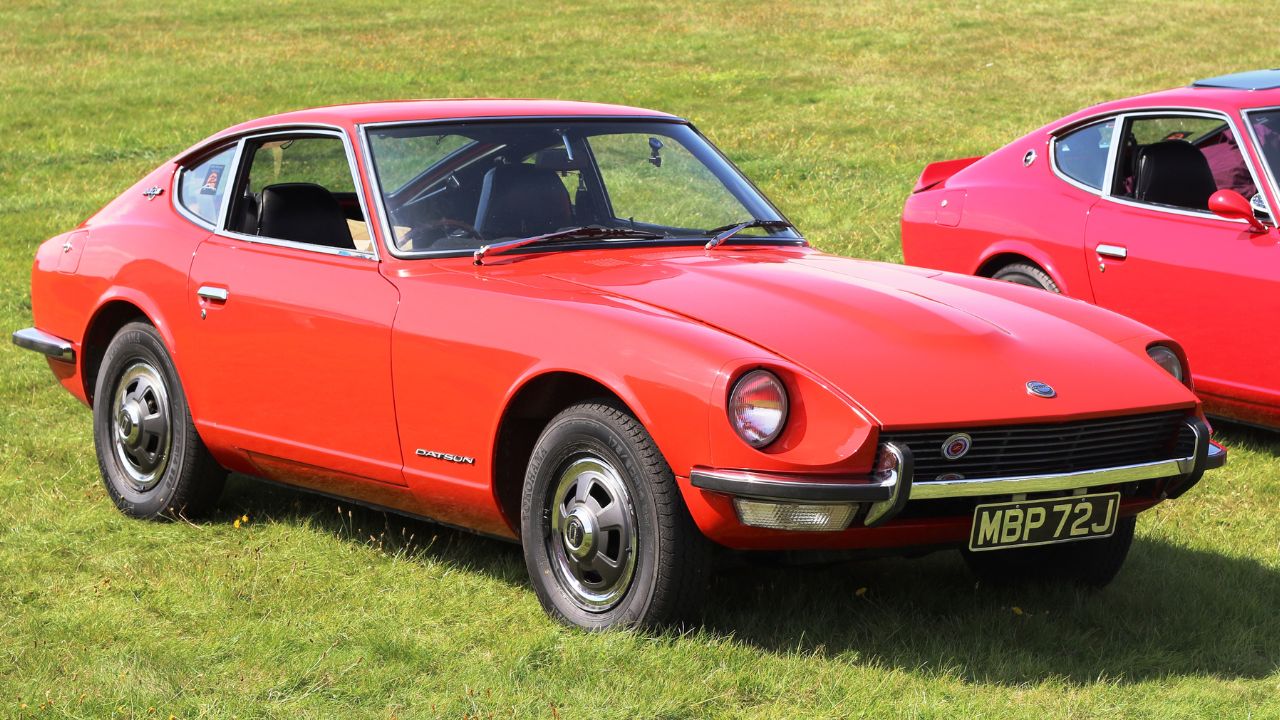
Launched in 1969, the Datsun 240Z was a revolutionary model that redefined the sports car market. With its sleek design, lightweight body, and an inline-six engine producing 151 horsepower, it was aimed at performance enthusiasts without the hefty price tag of European rivals. The 240Z’s success can be attributed to its combination of style, speed, and affordability, allowing it to capture a diverse audience. It quickly became a favorite among driving enthusiasts and established Nissan as a serious player in the automotive world. The Datsun 240Z laid the groundwork for future models, proving that Japanese cars could compete on the global stage.
Datsun 260Z: Expanding Horizons
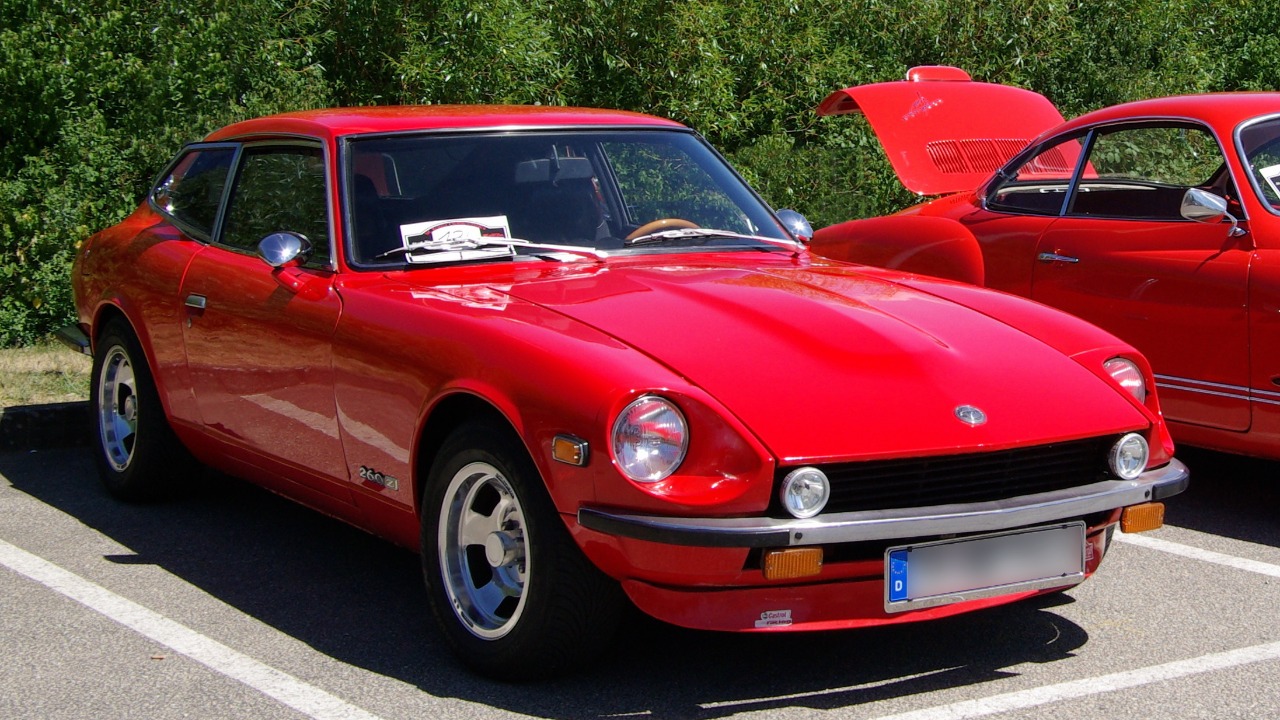
In 1974, the Datsun 260Z took the Z lineage further by offering a slightly larger engine and updated styling. The 2.6-liter engine produced 165 horsepower, providing a little more punch than its predecessor. This model also introduced a 22 option, allowing for more passenger space without sacrificing performance. The Datsun 260Z was significant for expanding the appeal of the Z series, making it more accessible to drivers who needed practicality alongside performance. This model helped solidify the Z’s reputation in the marketplace and set the stage for later advancements in the series.
Datsun 280Z: Turbocharged Ambitions
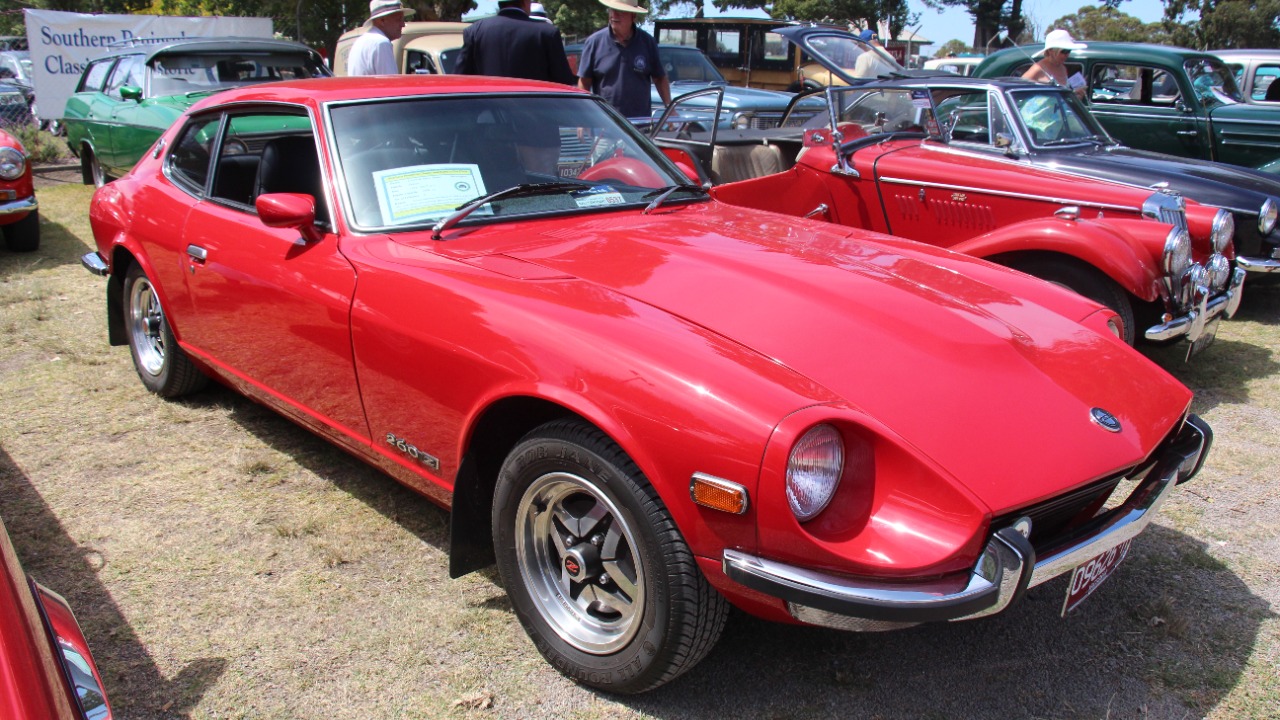
The 1975 Datsun 280Z brought the turbocharger into the Z lineup, marking a significant evolution in performance technology. It featured a larger 2.8-liter engine that produced 170 horsepower, allowing for enhanced speed and agility. This model introduced fuel injection, which improved efficiency and performance, catering to a more demanding market. The 280Z was also designed with a focus on safety, incorporating features like a reinforced body and improved crash protection. Its blend of performance and practicality made it a popular choice for enthusiasts and everyday drivers alike. The Datsun 280Z represented a pivotal moment in the Z’s evolution, pushing boundaries that would influence future models.
Nissan 300ZX: A Technological Marvel
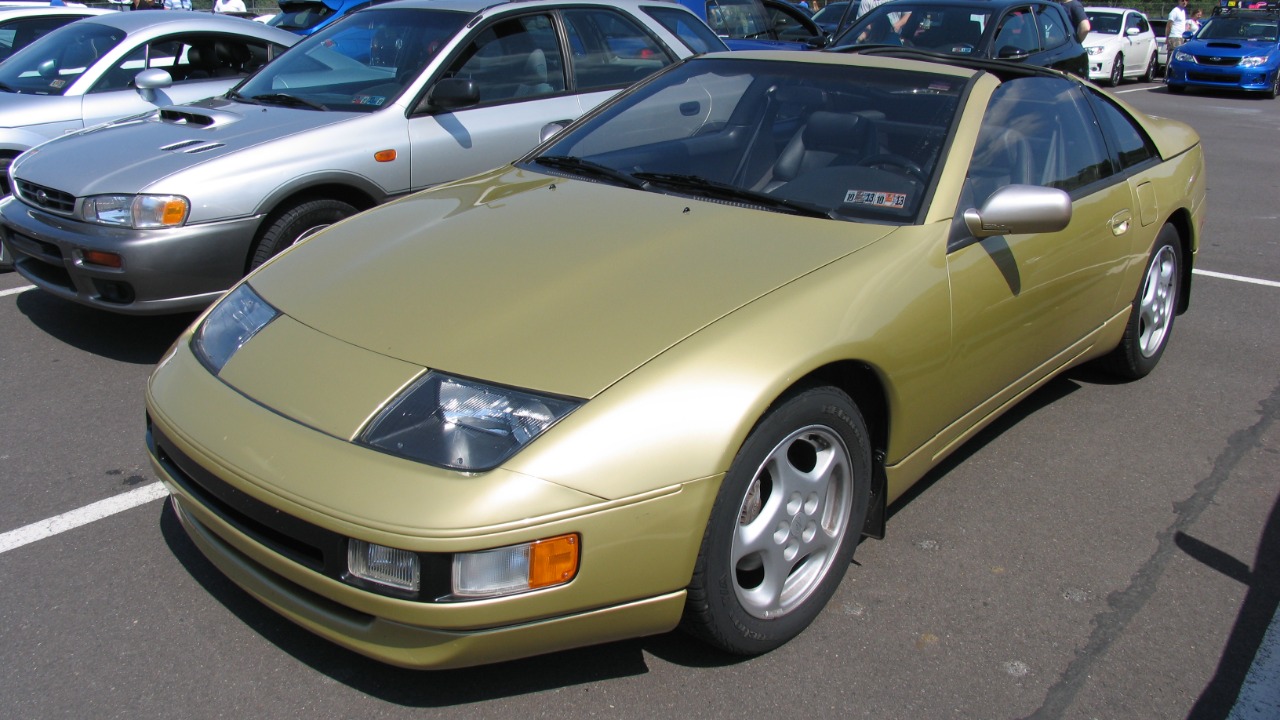
Introduced in 1984, the Nissan 300ZX marked a new era for the Z series, combining advanced technology with a sleek design. It featured a 3.0-liter V6 engine, available in both naturally aspirated and turbocharged variants, which produced up to 300 horsepower. The 300ZX was renowned for its use of technology, such as the optional four-wheel steering and advanced aerodynamics that improved handling and stability at high speeds. This model was also one of the first to include digital displays and an advanced audio system, appealing to a tech-savvy audience. The Nissan 300ZX established the Z as a performance icon, paving the way for future innovations.
Nissan 350Z: Reviving the Legend

After a brief hiatus, the Nissan 350Z reintroduced the Z name in 2002, reigniting the passion of enthusiasts. With a robust 3.5-liter V6 engine producing 287 horsepower, it combined modern performance with retro styling cues reminiscent of the original 240Z. The 350Z was designed with a focus on driving dynamics, featuring a rear-wheel-drive layout and a balanced chassis. Its success in racing, particularly in the American Le Mans Series, showcased its capabilities and built a loyal fan base. The Nissan 350Z not only revived the Z legacy but also solidified its status as a modern sports car, appealing to both old and new fans alike.
Nissan 370Z: Performance Meets Everyday Driving
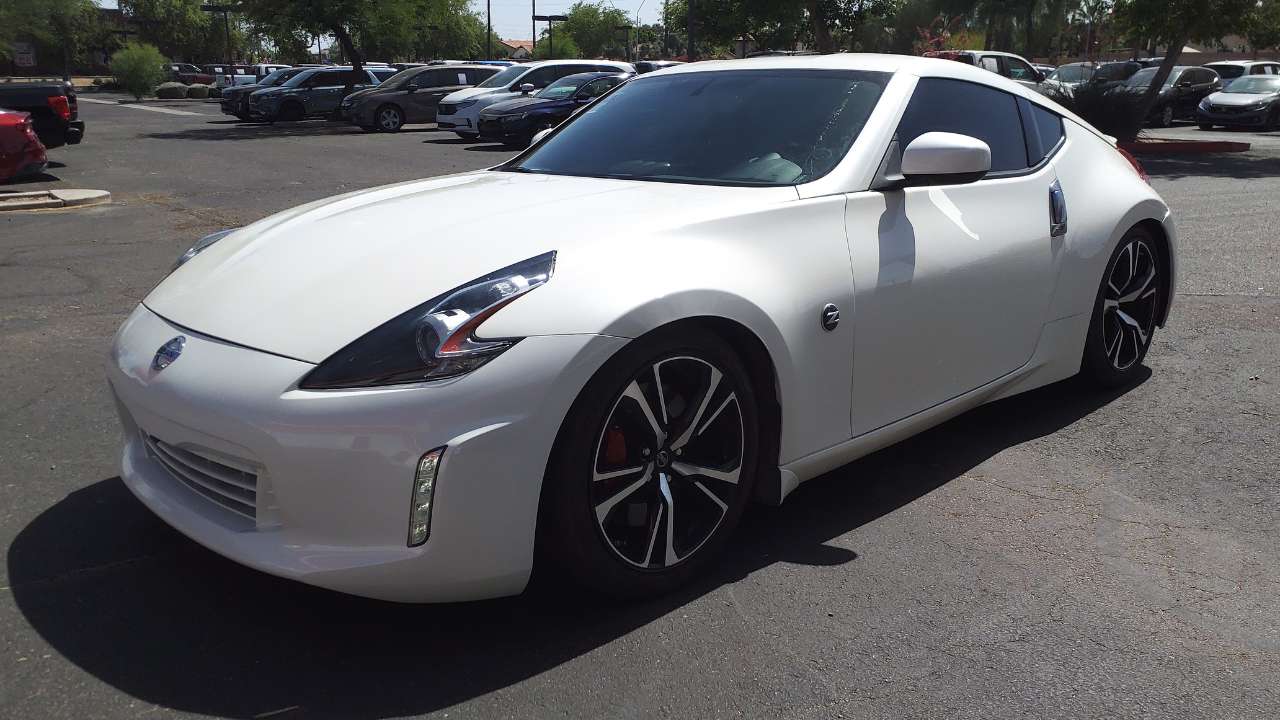
Launched in 2008, the Nissan 370Z refined the formula established by its predecessor with a more powerful 3.7-liter V6 engine delivering 332 horsepower. This model focused on performance improvements while maintaining everyday usability, making it a versatile choice for enthusiasts. The 370Z featured a lightweight body and a near 50/50 weight distribution, enhancing its agility on the road. The introduction of advanced technology, such as a refined infotainment system and optional navigation, catered to modern drivers while retaining the raw driving experience Z fans craved. The Nissan 370Z exemplified the blend of performance and practicality, proving that sports cars could excel in daily driving scenarios.
Nissan Z Proto: A Glimpse into the Future
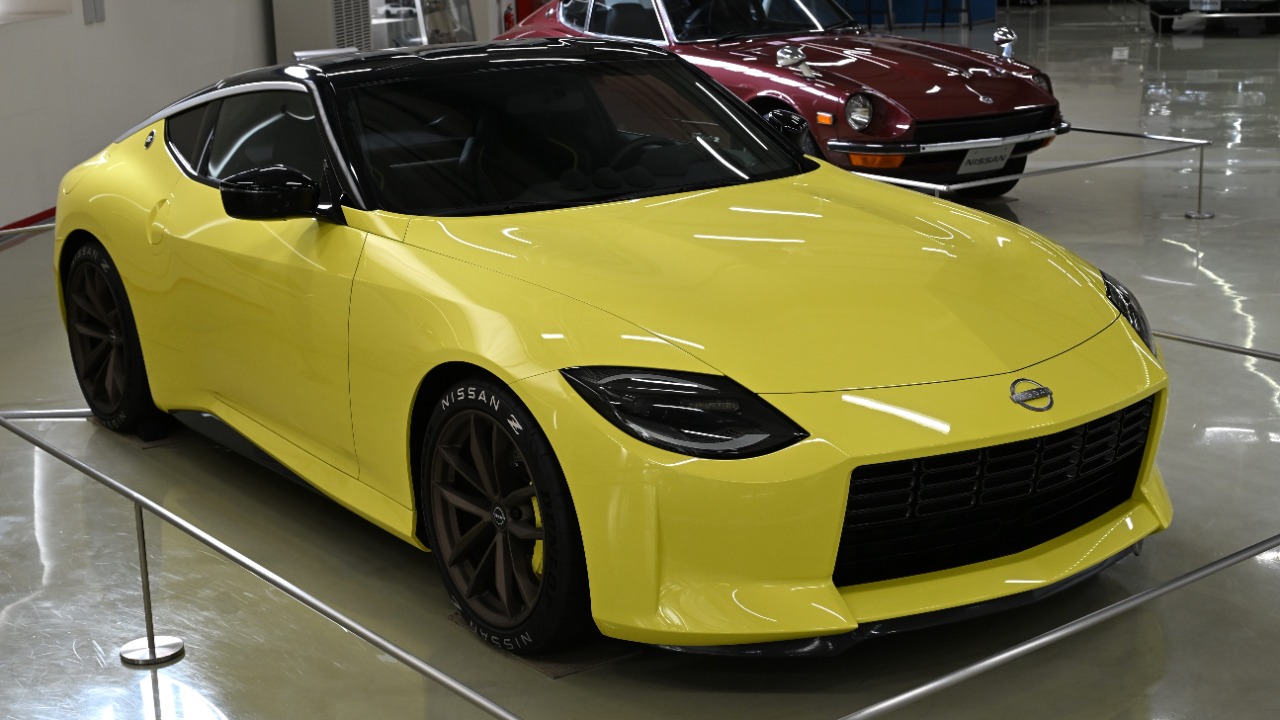
Revealed in 2020, the Nissan Z Proto served as a precursor to the latest Z model, blending classic design elements with modern technology. It showcased a 3.0-liter twin-turbo V6 engine, echoing the power of its predecessors while incorporating cutting-edge engineering. The Z Proto’s design payed homage to the original 240Z, featuring a long hood and a compact rear, appealing to both nostalgic fans and new customers. This model generated excitement and anticipation for the future of the Z series, demonstrating Nissan’s commitment to innovation while respecting its rich heritage. The Z Proto signaled a new chapter for the Z lineage.
Nissan Z (2023): Modern Performance Icon
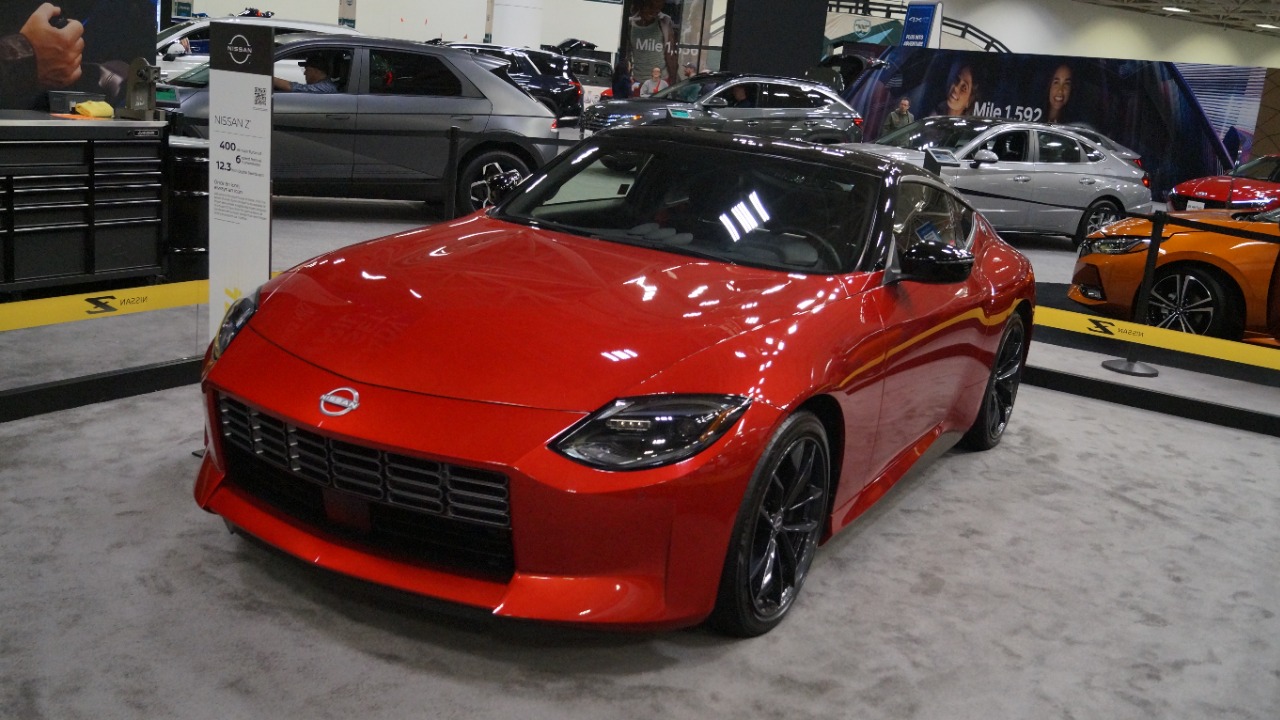
The 2023 Nissan Z is the latest evolution in the storied line, featuring a 3.0-liter twin-turbo V6 that produces 400 horsepower. This model combines retro styling with modern performance features, including a 6-speed manual transmission option for traditionalists. The 2023 Z focuses on driver engagement, with a lightweight chassis and rear-wheel drive that enhance handling and responsiveness. Advanced technology, including a 12.3-inch digital gauge cluster and a host of safety features, cater to contemporary driving needs while preserving the raw excitement that Z enthusiasts cherish. The Nissan Z (2023) not only honors its lineage but also sets a new standard for future sports cars.
Nismo Z: Racing Heritage Reimagined
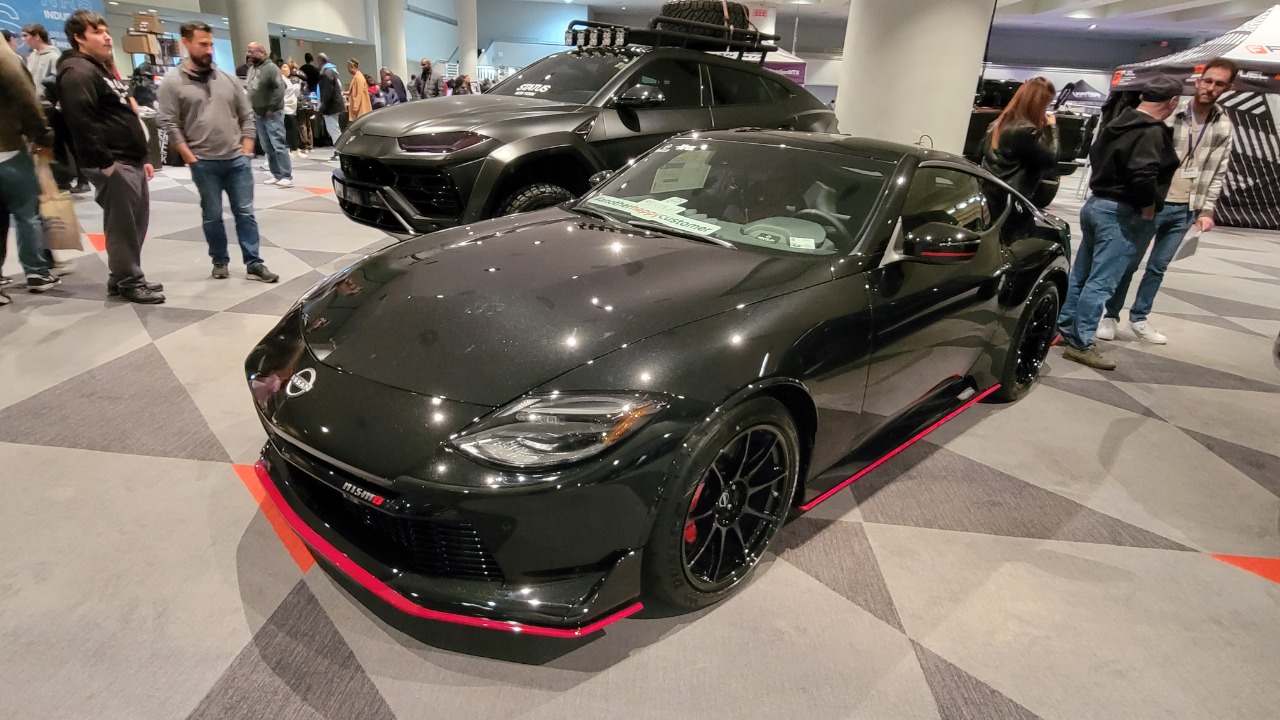
The forthcoming Nismo Z is set to elevate the Z experience to new heights, focusing on performance and racing pedigree. As a high-performance variant, it promises enhancements such as a tuned version of the twin-turbo V6 for even greater horsepower and torque. The Nismo Z will incorporate track-ready features like improved aerodynamics, sport-tuned suspension, and lightweight components to enhance handling and responsiveness. This model is a tribute to Nissan’s rich motorsport history, aiming to attract enthusiasts who crave an exhilarating driving experience. By blending cutting-edge technology with racing heritage, the Nismo Z is poised to be a standout in the Z lineup, celebrating the spirit of performance.
More from Fast Lane Only
- Unboxing the WWII Jeep in a Crate
- 15 rare Chevys collectors are quietly buying
- 10 underrated V8s still worth hunting down
- Police notice this before you even roll window down
*Research for this article included AI assistance, with all final content reviewed by human editors.