Factory performance packages that slipped under the radar can offer collectors a rare mix of provenance, sleeper looks, and serious speed. While headline cars attract record prices, a quieter group of limited builds and option codes still trades below its historical significance. The following nine packages show how deeply manufacturers leaned into performance, from hidden homologation specials to obscure appearance codes that masked serious hardware.
1991 Isuzu Impulse RS Turbo AWD Package
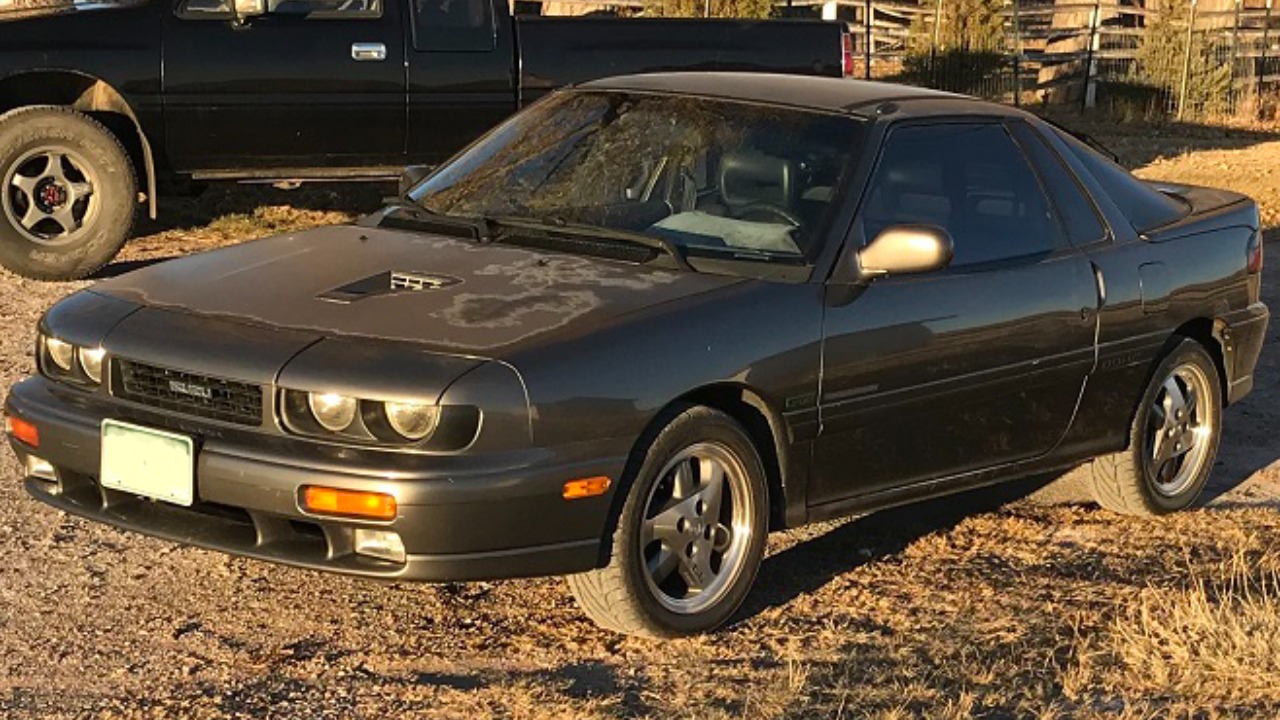
The Isuzu Impulse RS represents a textbook overlooked factory performance package. Built for a single model year, the RS combined a turbocharged engine with an advanced AWD system and horsepower, then added a suspension tuned by Isuzu and Lotus. Contemporary coverage of overlooked 1990s performance cars often treats the Impulse RS as a cult favorite rather than a mainstream classic.
With General Motors controlling both Isuzu and Lotus at the time, the Impulse RS collaboration delivered handling that rivaled more famous sport compacts. For collectors, the stakes are clear: production was low, performance is documented, and yet prices remain modest. As interest in Japanese homologation style machinery grows, this package has strong potential to move from curiosity to serious investment.
1968 Mercury Cougar GT-E 427 W-Code Side Oiler
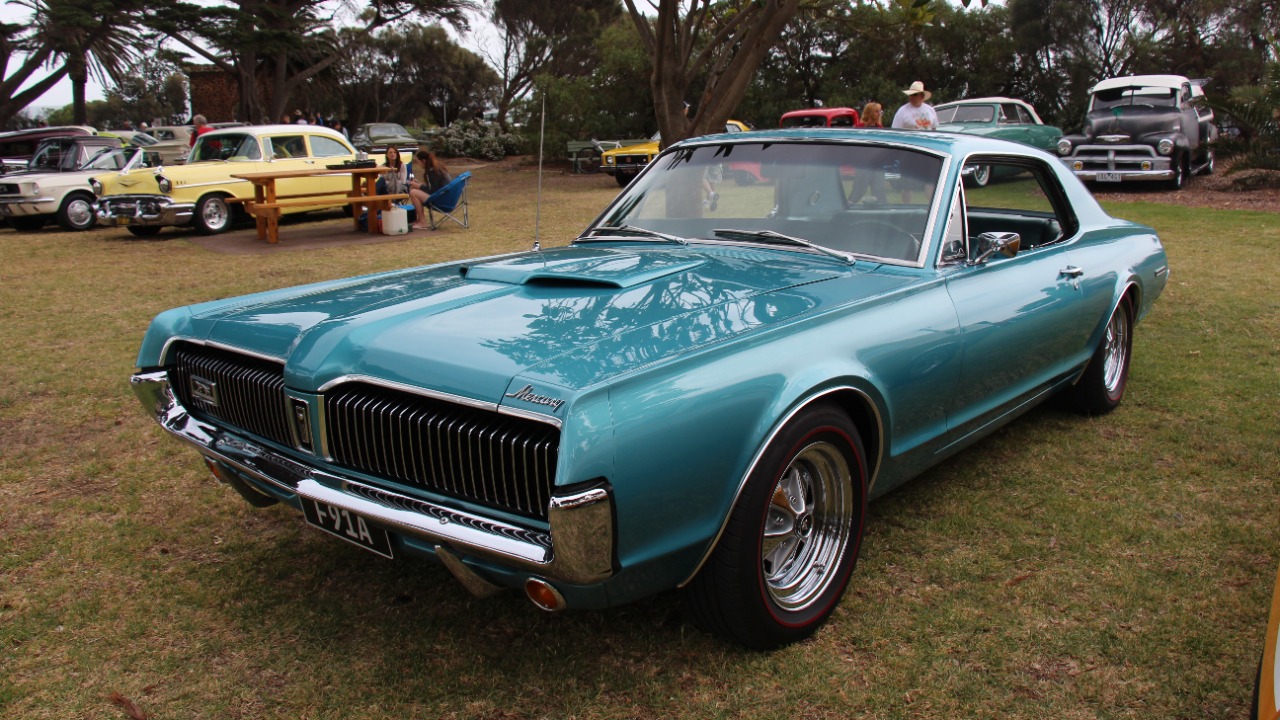
The 1968 Mercury Cougar GT-E 427 W-Code Side Oiler is described as one of the rarest muscle configurations Mercury ever sold. Period documentation highlights the 427 W-Code Side big block, combined with Mercury Cougar GT trim and the brand’s signature hideaway headlights. The package targeted buyers who wanted Thunderbird comfort with genuine drag-strip potential.
Further coverage in Muscle Car Of The Week Video #59 notes how the Mercury Cougar GT with the 427 side oiler arrived only briefly before emissions and insurance pressures reshaped the market. Because many Cougars were ordered with smaller engines, the Code Side Oiler configuration is exceptionally scarce. Collectors who focus solely on Mustangs risk missing a factory package that delivers similar hardware with lower current valuations.
Ford Mustang Boss 429 Homologation Package
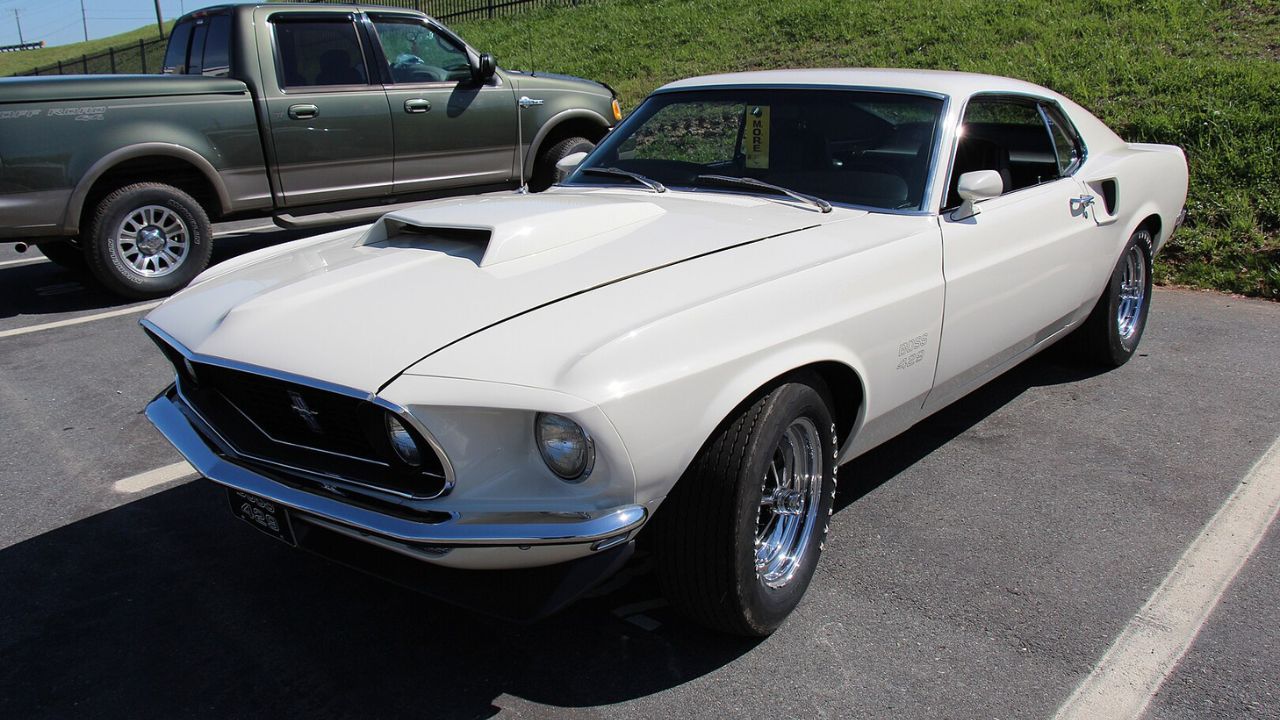
The Ford Mustang Boss 429 package exists because Ford needed to homologate its 429 cubic inch engine for NASCAR. Period accounts explain that Kar Kraft reengineered the Mustang shell to accept the massive 429 engine and were built. Official output was quoted at 375 horsepower, although contemporary observers suspected the figure was conservative.
Later analysis of unique muscle engines singles out the 375-Horsepower 429 Super Cobra Jet and notes that The Boss 429 gets most of the attention while some variants were largely appearance packages. The Boss 429, sometimes described as the Mustang of the classic era, pairs racing pedigree with low production. For collectors who usually chase Shelbys, this factory package offers similar exclusivity with a direct link to stock car history.
Max Wedge Package on Plymouth Sport Fury and Dodge Polara
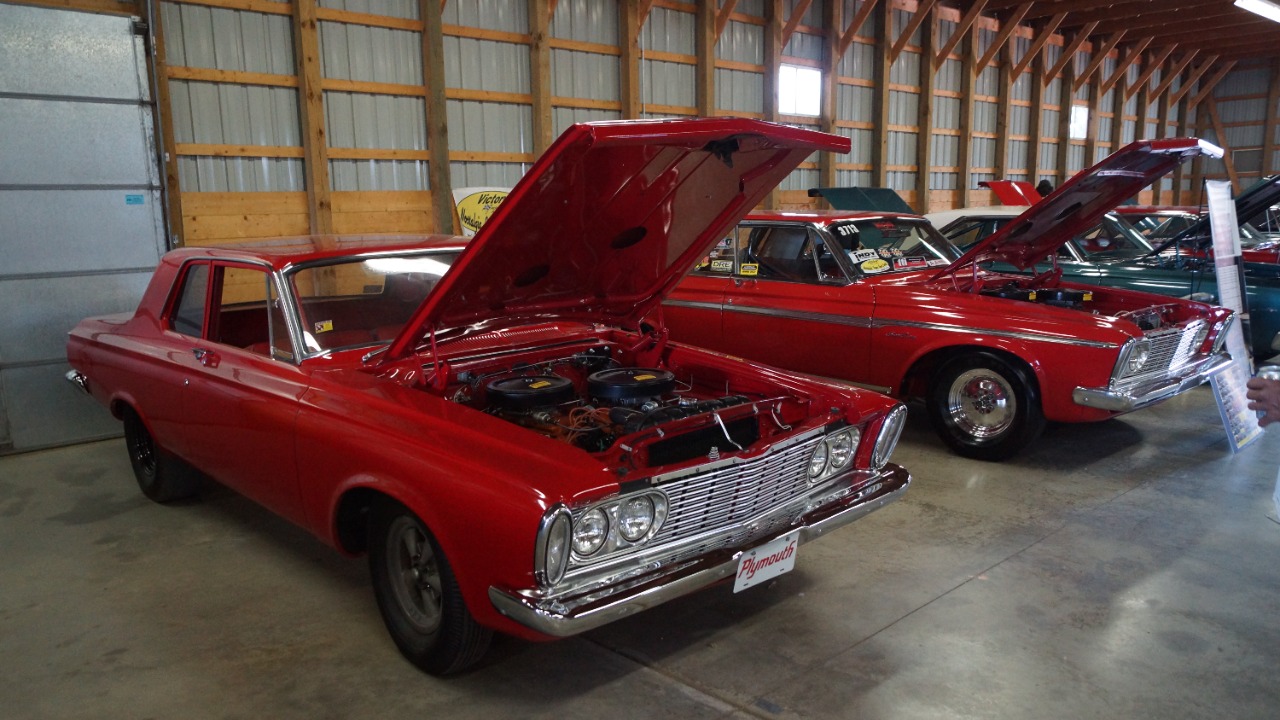
Chrysler’s Max Wedge package transformed full-size family cars into quarter-mile weapons. On the Plymouth Sport Fury and Red Dodge Polara 500 Mecum listings, the 426 cubic inch Max Wedge V8 delivered 425 horsepower and 480 lb-ft of torque, numbers that rival modern performance sedans. These cars looked like ordinary big coupes, which helped them earn a reputation as fearsome sleepers.
Because many enthusiasts focus on later Hemi packages, Max Wedge cars often trade below their historical importance. The combination of 425 rated horsepower, 480 lb-ft, and relatively low survival rates gives this package strong upside. Collectors who understand early 1960s drag racing history increasingly view these cars as the missing link between factory stockers and the muscle era.
Buick Grand National GNX Turbo Package
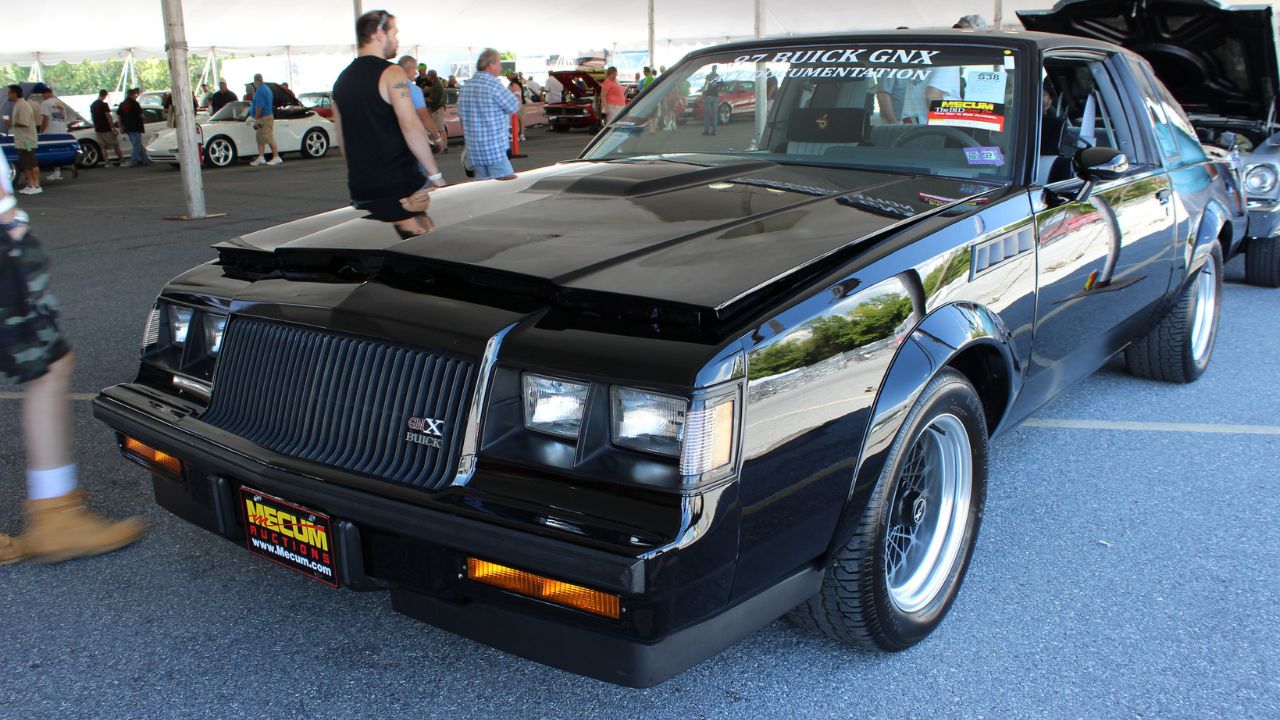
The Grand National and GNX packages showed how far Buick could push turbocharged V6 technology. Contemporary analysis explains that the GNX took the already potent Grand National and added extensive suspension, engine, and appearance upgrades, making the GNX a likely among collectors. Limited production and a factory partnership with McLaren Performance Technologies set the car apart from ordinary Regals.
Despite that pedigree, many muscle car buyers still gravitate toward big block V8s and overlook this turbo package. The GNX demonstrated that a V6 with the right calibration could embarrass contemporary V8 icons, reshaping expectations for American performance. As interest in 1980s and 1990s turbo cars grows, the GNX’s factory package structure and documented rarity give it strong long term credibility.
Toyota Caldina GT-T Rally-Derived Package
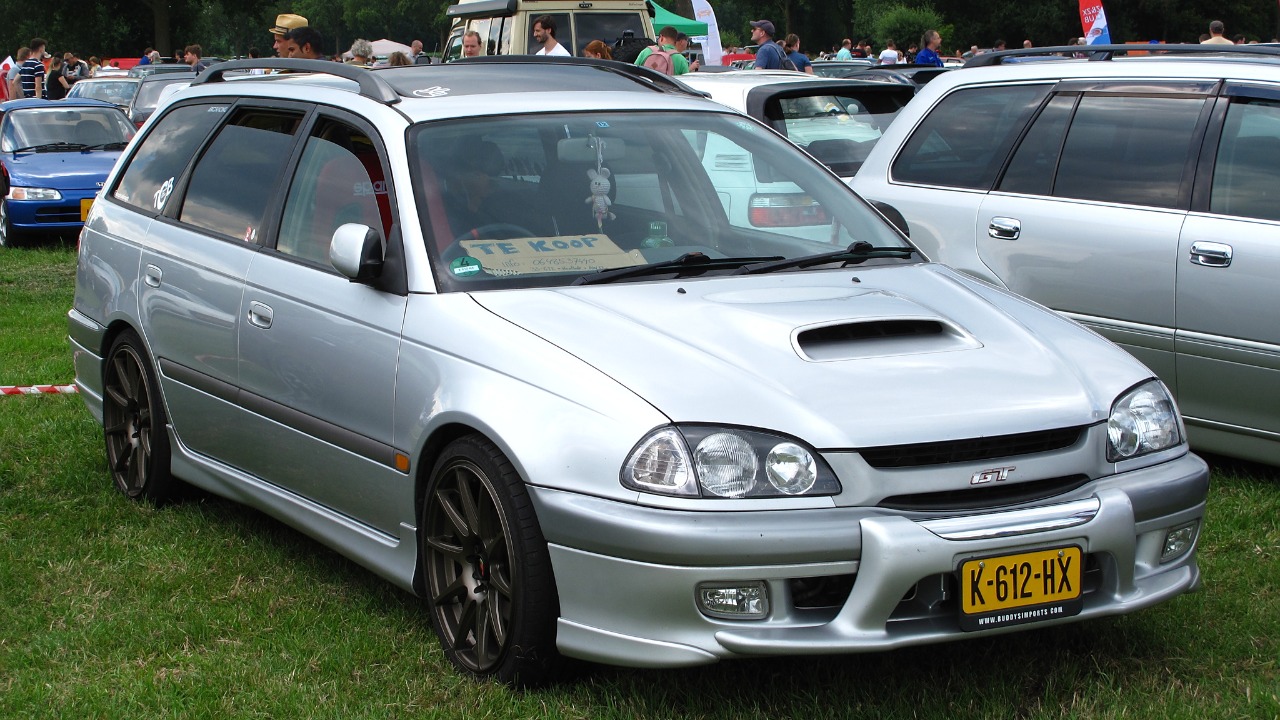
The Toyota Caldina GT-T offered wagon practicality with rally-bred performance. Period analysis describes the model as a wagon with rally DNA, calling the Toyota Caldina GT-T the spiritual successor to the Celica GT-Four. The package combined a turbocharged engine, all wheel drive, and a practical body style that disguised its pace.
Another report on import candidates notes a station wagon with an all-wheel-drive system like the rally homologation Celica GT, Four, and an upgraded version of the engine, available for relatively modest sums. For collectors, the stakes lie in timing. As import rules open more markets to these cars, the GT-T package could follow the Celica GT-Four in moving from niche curiosity to recognized modern classic.
Ford F-150 Harley-Davidson Edition Appearance and Handling Package
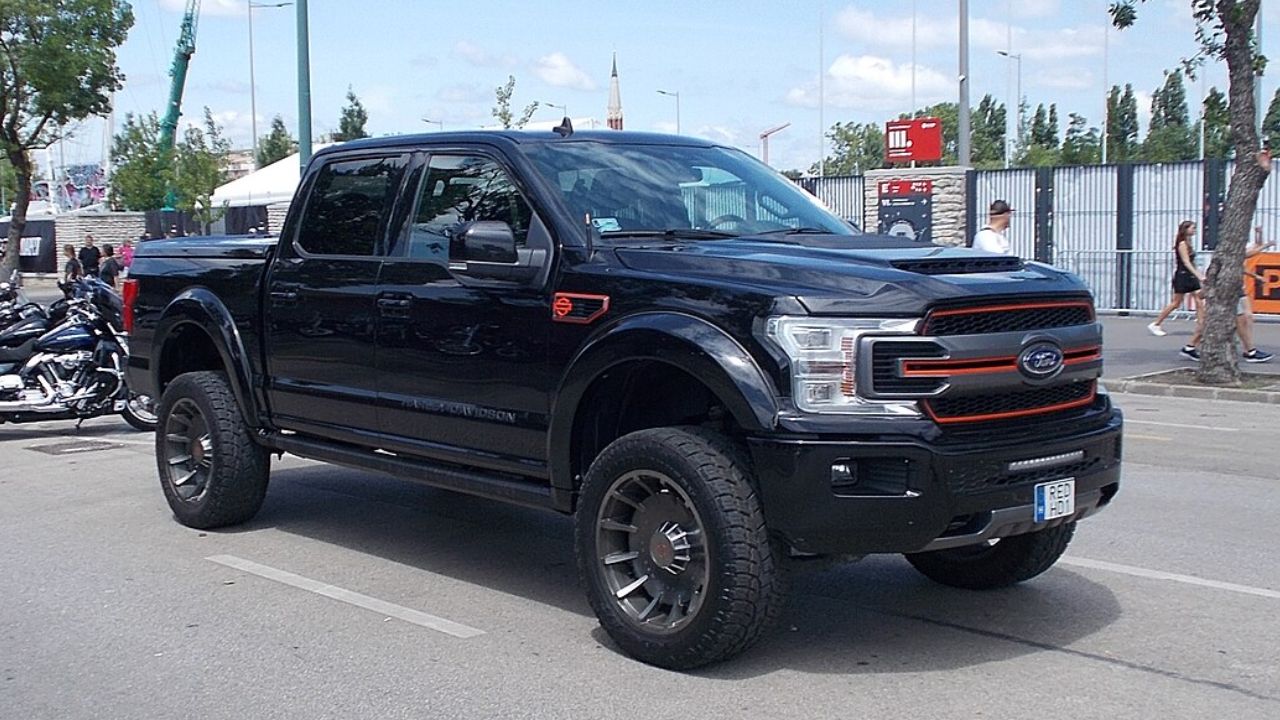
The Ford F-150 Harley-Davidson Edition blended truck utility with motorcycle-inspired style. Coverage of rare options highlights a 35k Mile 2000 Ford F-150 Harley, Davidson Edition from The Gateway Collection February Collection and notes how such trucks pair distinctive trim with limited production, making each 150 based package a collectible in its own right. The focus for 2000 lies on appearance, interior upgrades, and branding rather than a unique powertrain.
Separate reporting on Ford special edition trucks explains that a detuned version of the 5.4-liter supercharged V8 from the F-150 SVT Lightning was installed in later Harley-Davidson Edition production, not the initial 2000 model. That distinction matters for buyers: early trucks reward those chasing rare styling packages, while later years appeal to collectors who prioritize factory supercharged performance.
Audi RS6 Avant “Germany’s Super Wagon Nobody Bought”

The early Audi RS6 Avant has been described as Germany’s Super Wagon Nobody Bought. Analysis of overlooked wagons recounts how the 2003 RS6 Avant arrived with a 4.2-liter twin-turbo V8, Quattro all wheel drive, and understated styling. The Avant body style limited mainstream appeal in some markets, which kept production numbers relatively low.
Collectors who focus on coupes often overlook how significant this package was for Audi. It previewed later RS wagons and showed that a practical Avant could deliver supercar levels of cross-country pace. As enthusiasm grows for fast wagons, the RS6 Avant’s combination of 4.2-liter power and limited uptake positions it as a future benchmark for Germany and beyond.
Hennessey Performance Engineering Dodge Challenger Demon 170 Package

Modern tuners occasionally collaborate with manufacturers to produce semi-official performance packages, and Hennessey Performance Engineering’s work on the Dodge Challenger Demon 170 illustrates how extreme these builds can become. Coverage of Of The Most Powerful Muscle Car Packages Ever Made notes that the Demon 170 Twin configuration sits at the top of contemporary factory backed drag specials, with the number 170 prominently tied to its identity.
While mainstream collectors chase earlier Hemis, this package shows where factory supported muscle has ended up: four figure horsepower, drag radial tires, and limited production. As internal combustion performance peaks, such Twin focused builds may become historical bookends to the muscle era, giving early buyers a rare chance to secure a modern legend while it is still relatively new.
More from Fast Lane Only