Some roadsters became legendary without chasing record-breaking horsepower or exotic technology. Their reputations were built through simple engineering, dependable drivetrains, durable components, and owners willing to keep them on the road for decades. These cars demonstrate that a lightweight sports car can be entertaining while also proving remarkably resistant to the wear and neglect that eventually affects many older vehicles.
Mazda MX-5 Miata

The Mazda MX-5 Miata became famous for combining lightweight construction with simple rear-wheel-drive engineering and dependable four-cylinder engines. Its modest power output places less stress on major drivetrain components, while the straightforward mechanical layout makes routine maintenance manageable. Thousands of owners have kept early examples running for decades, often using them as daily drivers or weekend cars. The Miata’s durability comes from a balanced design that emphasizes low weight, mechanical simplicity, and sensible engineering rather than excessive complexity.
Honda S2000
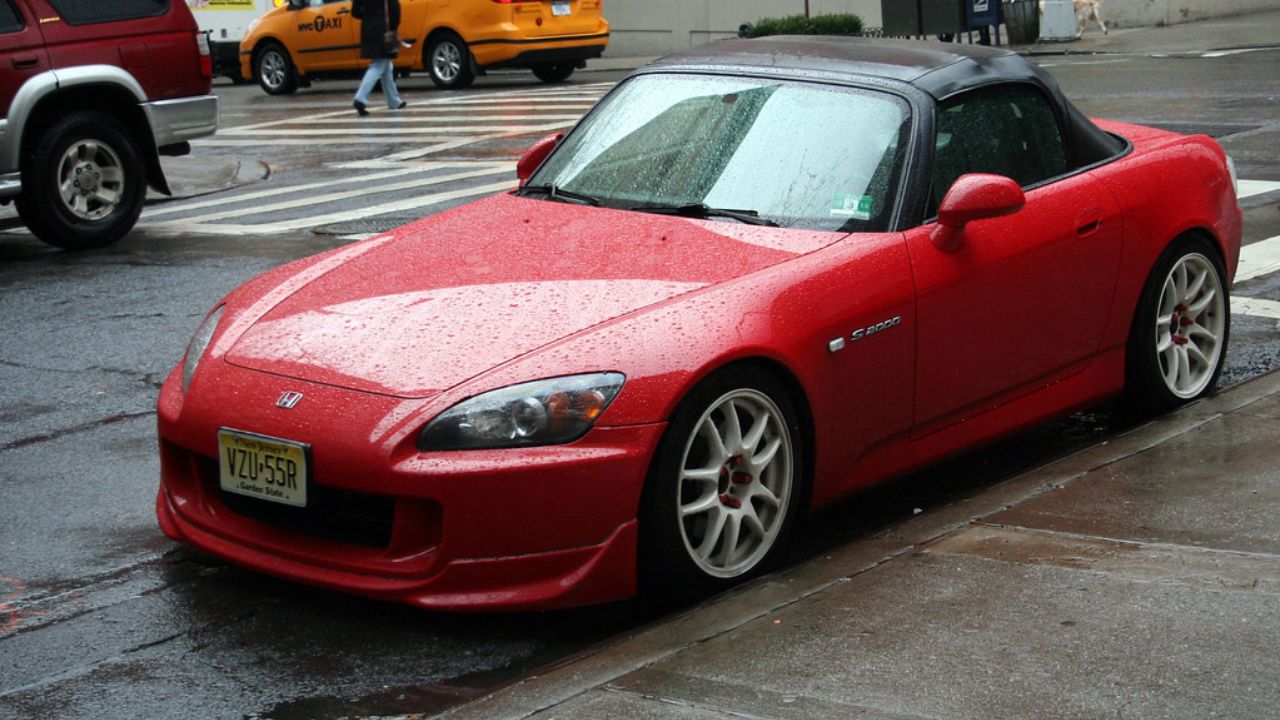
The Honda S2000 paired a high-revving four-cylinder engine with a lightweight rear-wheel-drive chassis and a precise manual transmission. Its engine was highly stressed compared with ordinary commuter powerplants, yet proper maintenance allowed many examples to accumulate impressive mileage. The car’s naturally aspirated design avoided turbocharger-related complexity, while Honda’s engineering provided a strong foundation. Owners often praise the S2000 for maintaining its sharp driving character long after many contemporary sports cars have developed more serious age-related problems.
BMW Z3
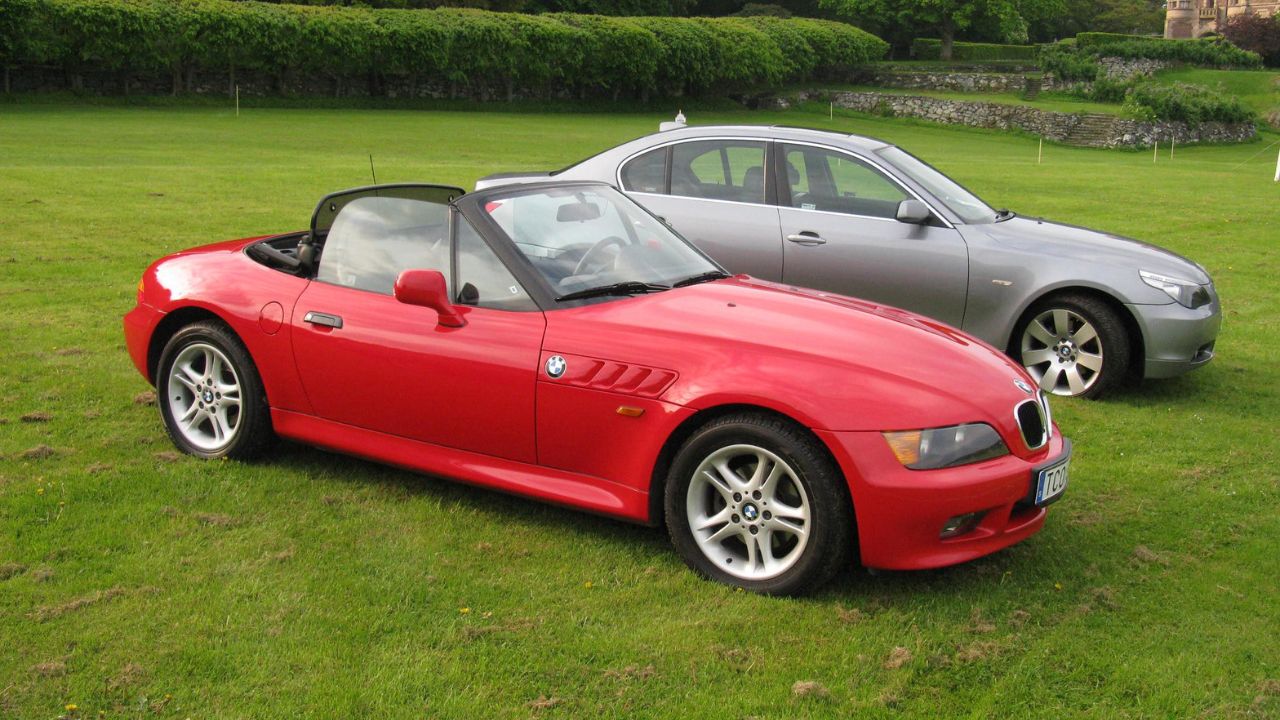
The BMW Z3 combined classic roadster proportions with relatively conventional mechanical hardware, making it easier to keep running than its sophisticated appearance might suggest. Many versions used well-established BMW engines and drivetrains shared with other models. This broad mechanical family helped owners access parts and repair knowledge. When properly maintained, the Z3 can remain a dependable weekend or touring car for decades. Its relatively simple soft-top roadster layout also gives enthusiasts plenty of opportunities to maintain and restore aging examples.
MG MGB
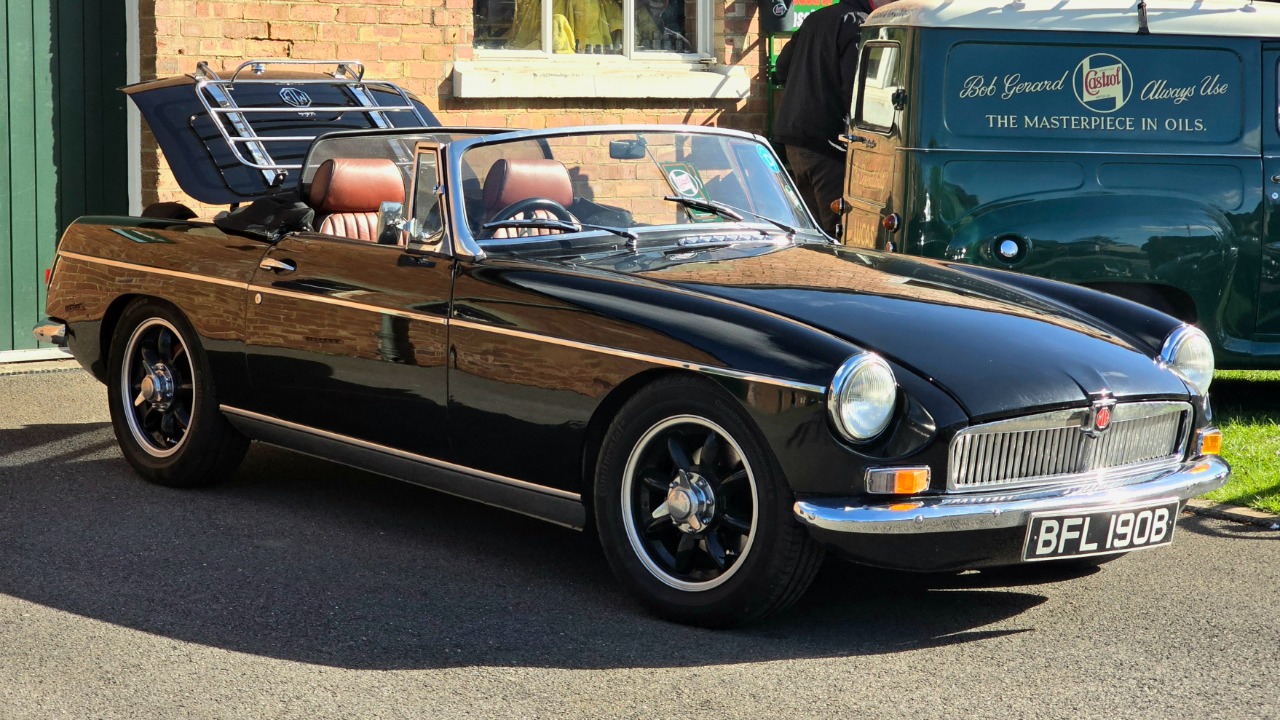
The MG MGB became one of the most widely recognized British roadsters partly because of its straightforward mechanical construction. Its simple four-cylinder engine, rear-wheel-drive layout, and conventional chassis make it approachable for owners who enjoy working on their own cars. Parts support has remained strong because so many examples were produced and enthusiast communities continue supporting the model. Although rust can be a serious concern, a properly maintained MGB can remain enjoyable for decades and is relatively easy to keep mechanically functional.
Triumph Spitfire
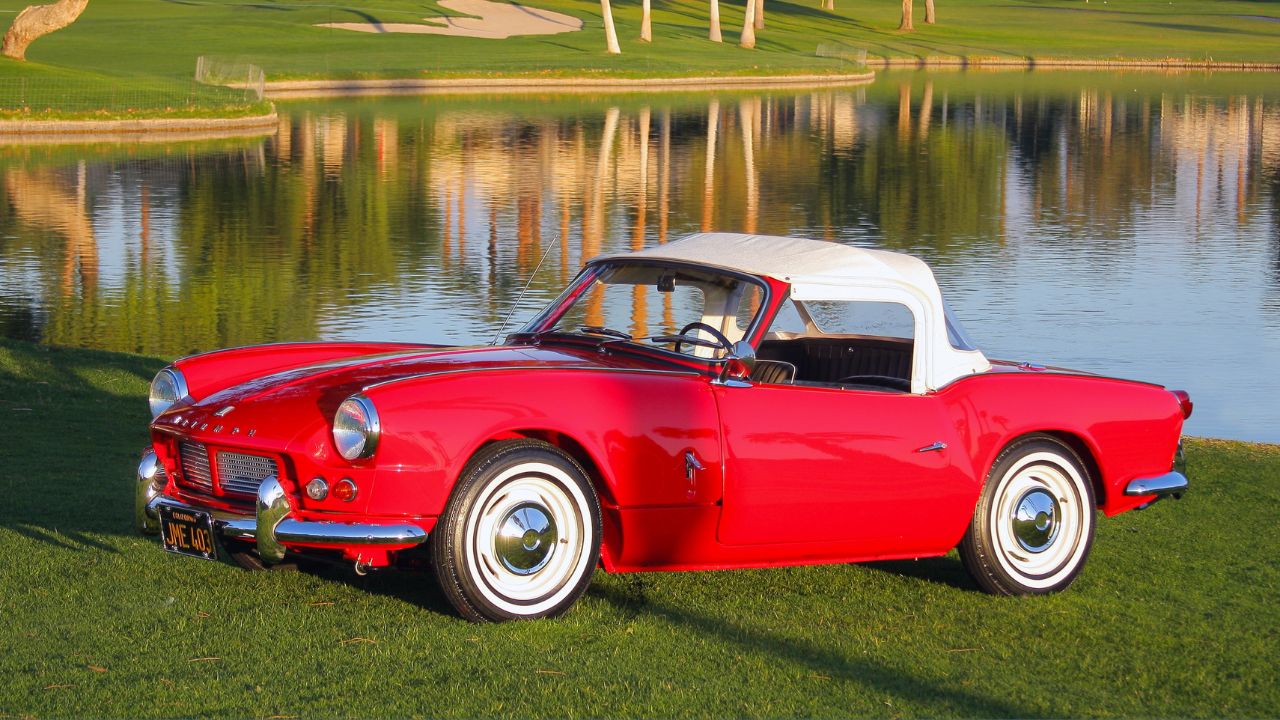
The Triumph Spitfire earned a reputation for being a lightweight and mechanically accessible British sports car. Its compact dimensions, simple engine, and straightforward rear-wheel-drive layout make many repairs understandable even to hobbyists without specialized equipment. The design is not immune to age-related problems, particularly rust and electrical issues, but mechanical parts remain available through the strong classic-car community. With proper care, the Spitfire can continue providing an engaging open-air driving experience long after newer cars have disappeared.
Fiat 124 Spider
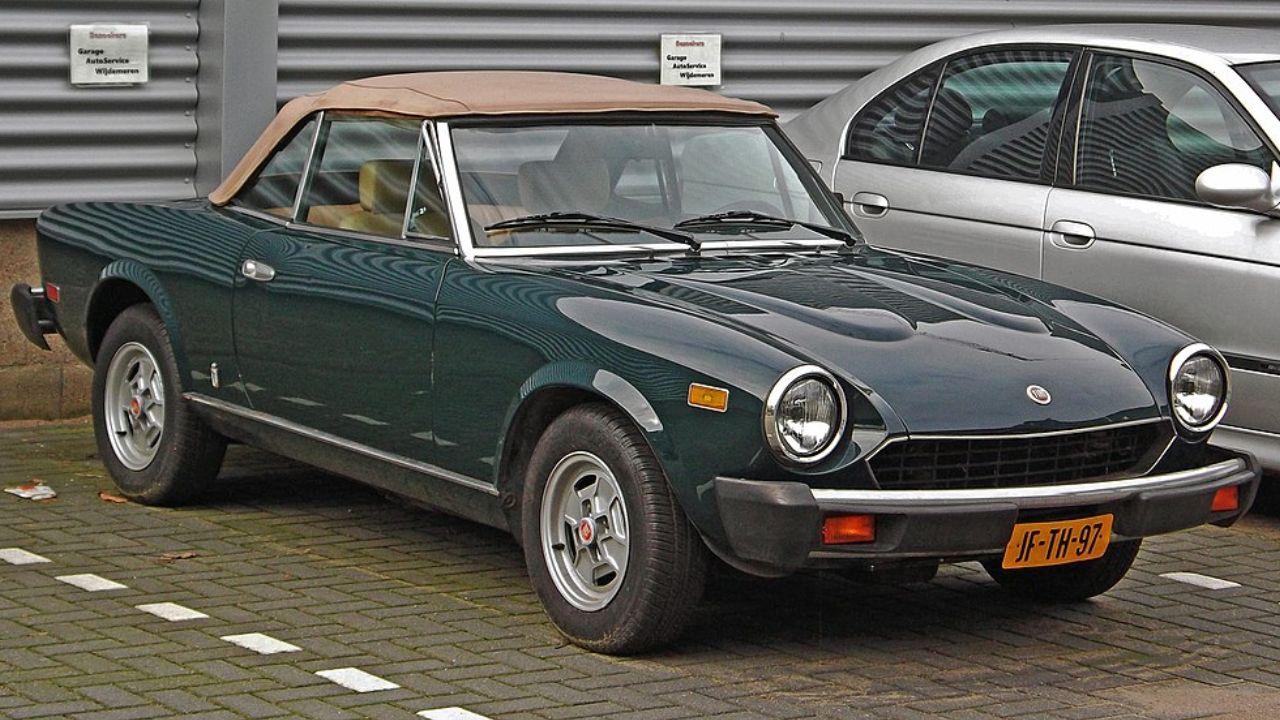
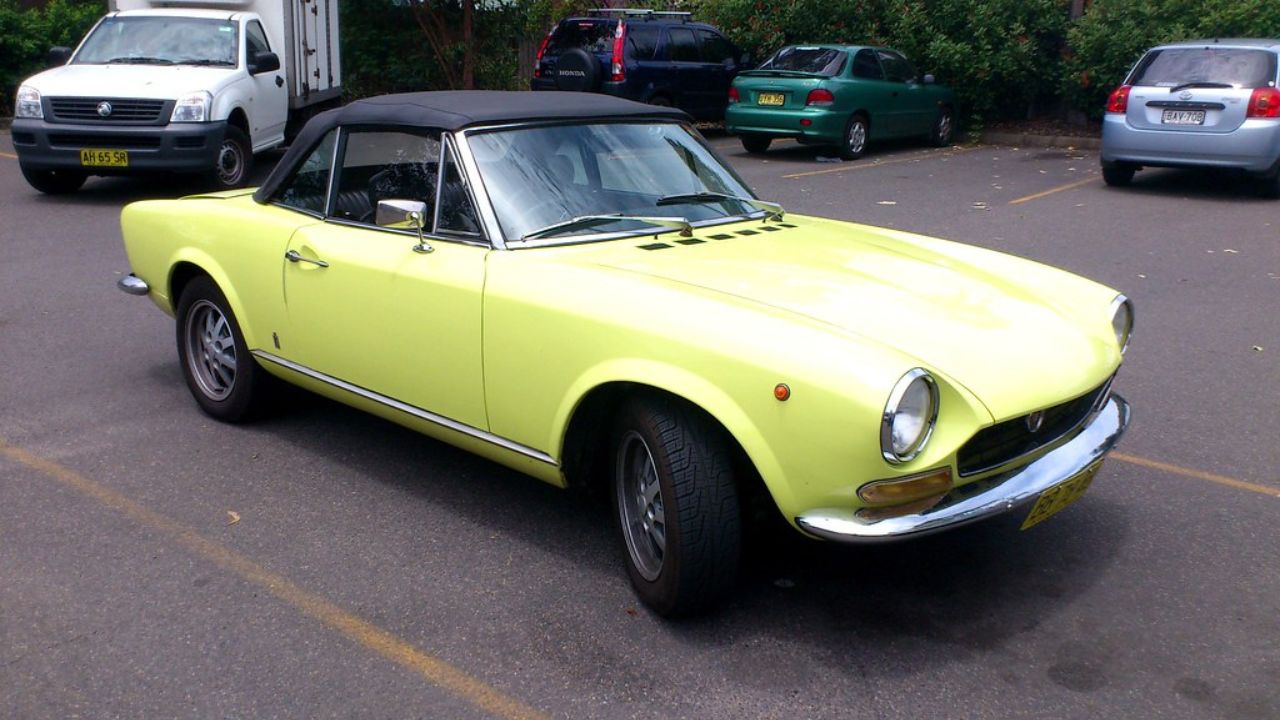
The Fiat 124 Spider combined Italian styling with relatively conventional mechanical engineering, giving it a characterful but approachable roadster formula. Its four-cylinder engine and rear-wheel-drive layout are familiar to enthusiasts, while the car’s relatively simple construction allows many owners to perform maintenance themselves. Rust and electrical problems can complicate neglected examples, but well-maintained cars can remain surprisingly usable. Strong enthusiast support and continued parts availability have also helped many 124 Spiders survive far beyond their original expected lifespan.
Toyota MR2 Spyder
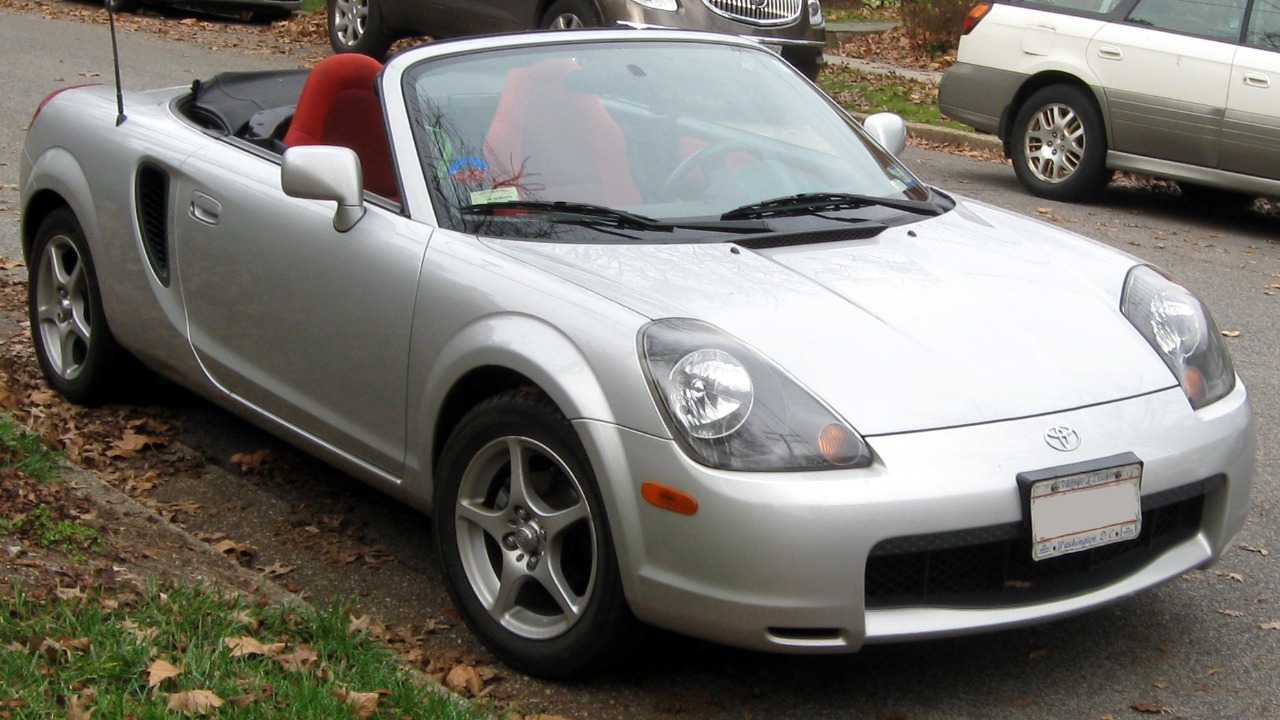
The Toyota MR2 Spyder focused on low weight and simple mid-engine sports-car dynamics rather than overwhelming power. Its compact four-cylinder engine and relatively straightforward drivetrain helped keep mechanical demands manageable. Toyota’s reputation for durability also benefits long-term ownership, provided routine maintenance is performed properly. The lightweight chassis reduces stress on suspension and braking components, while the small engine does not need enormous output to make the car entertaining. As a result, many examples remain enjoyable decades after production ended.
Porsche Boxster
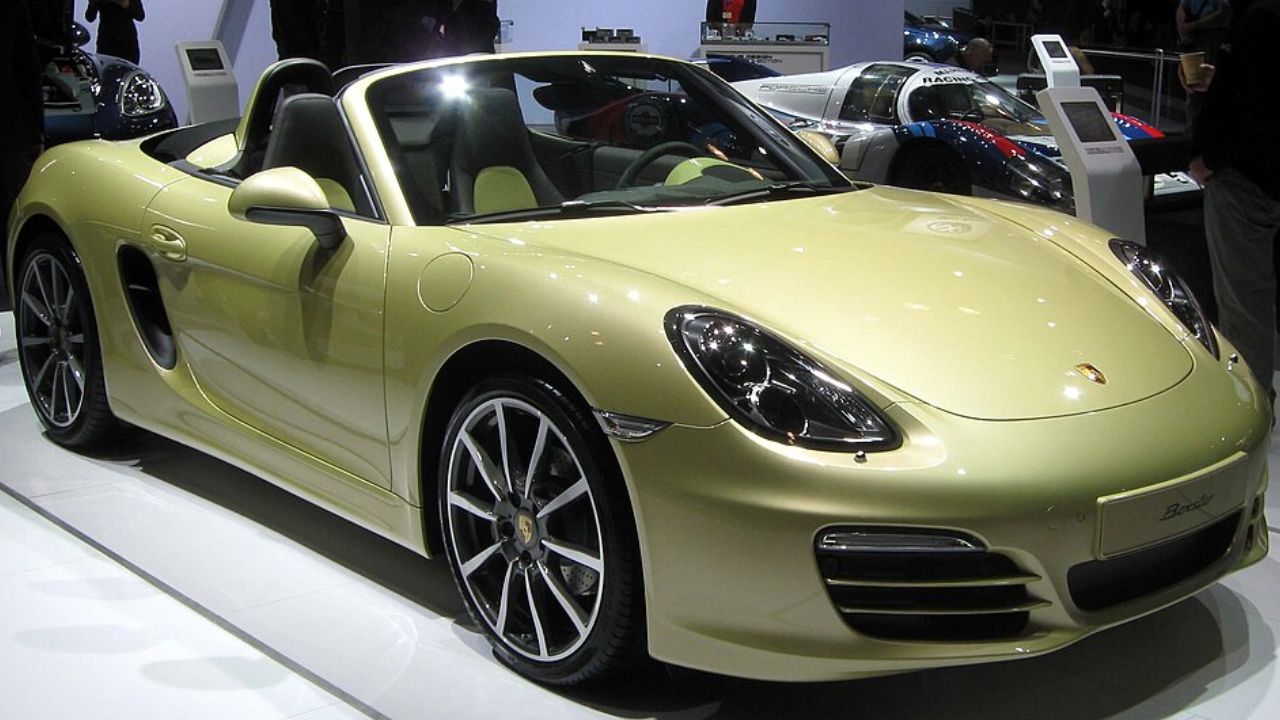
The Porsche Boxster brought mid-engine handling and genuine sports-car performance to a broader audience, while many mechanical components benefited from Porsche’s engineering expertise. Older examples can certainly develop expensive problems, but properly maintained Boxsters can accumulate substantial mileage without losing their fundamental driving character. Their robust chassis, strong transmissions, and capable engines make them rewarding long-term cars when owners follow maintenance schedules. A well-cared-for Boxster demonstrates that performance and durability do not necessarily have to be opposites.
Datsun 2000 Roadster
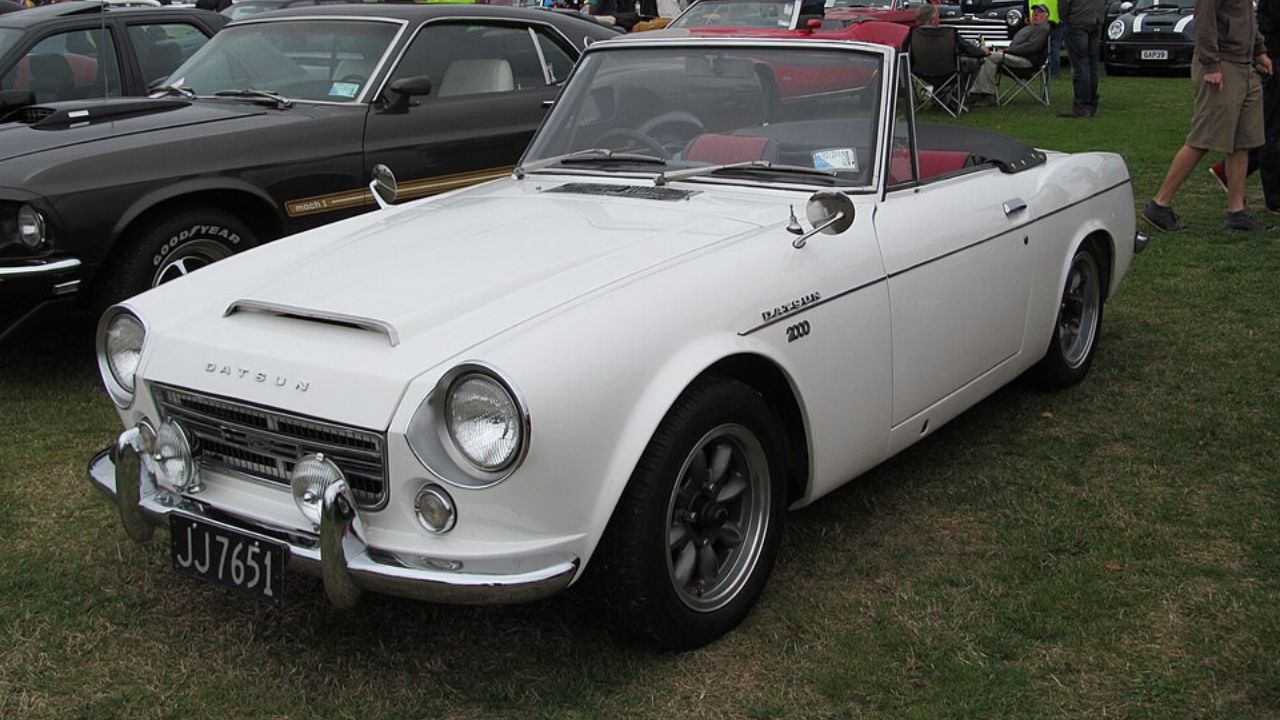
The Datsun 2000 Roadster helped establish Japanese sports cars as credible alternatives to British roadsters. Its robust four-cylinder engine, rear-wheel-drive layout, and relatively simple mechanical construction made it practical for enthusiasts who enjoyed hands-on maintenance. The engine could deliver strong performance without requiring exotic technology, while the straightforward chassis was easy to understand. Surviving examples are now valued for their character and durability, especially when owners preserve rather than heavily modify their original mechanical components.
More from Fast Lane Only
- Unboxing the WWII Jeep in a Crate
- 15 rare Chevys collectors are quietly buying
- 10 underrated V8s still worth hunting down
- Police notice this before you even roll window down
*Research for this article included AI assistance, with all final content reviewed by human editors