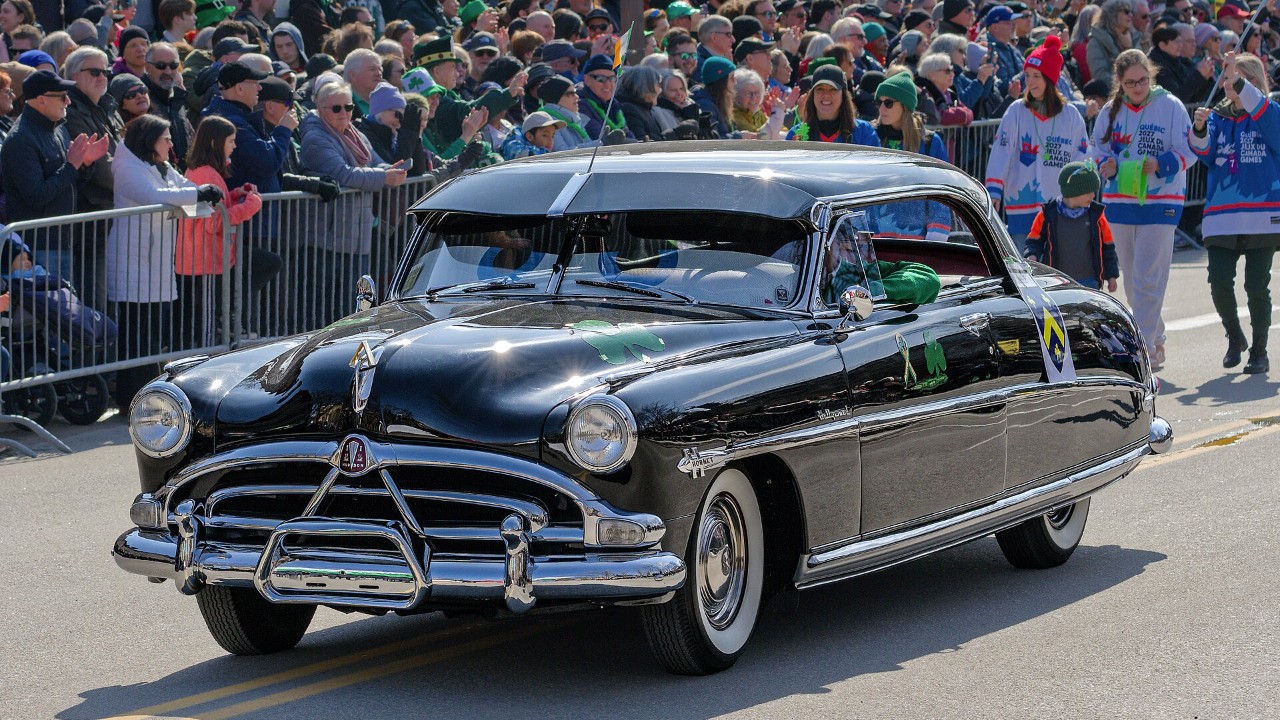
Station wagons were designed to handle the demands of family life, long-distance travel, and everyday hauling. Some earned especially strong reputations because of their durable engines, sturdy construction, and practical designs. These nine wagons became known for surviving years of use, making them increasingly interesting to enthusiasts who value longevity.
Volvo 240 Wagon
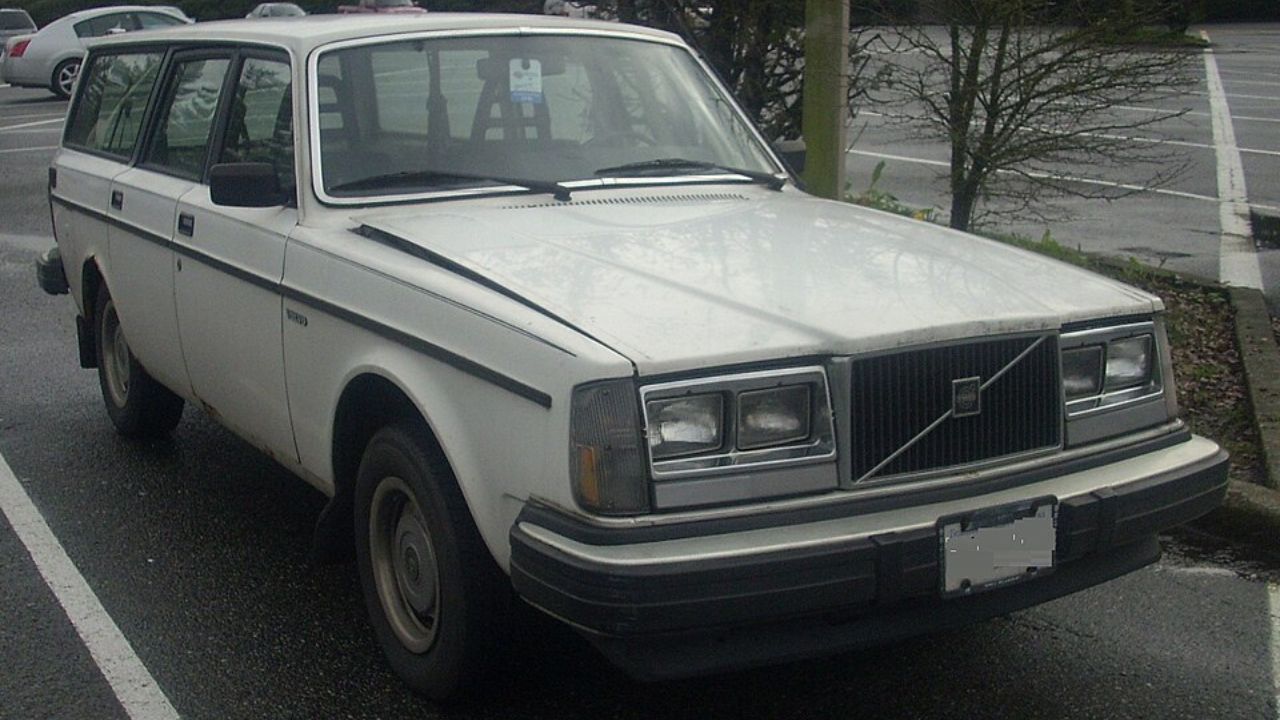
The Volvo 240 wagon became famous for its boxy construction, practical interior, and impressive longevity. Its four-cylinder engines were relatively simple and easy to service, while the body and chassis were designed for years of everyday use. Many examples accumulated enormous mileage before retirement. That durability has helped make the 240 wagon one of the most respected long-lived family cars ever built.
Mercedes-Benz W123 Wagon
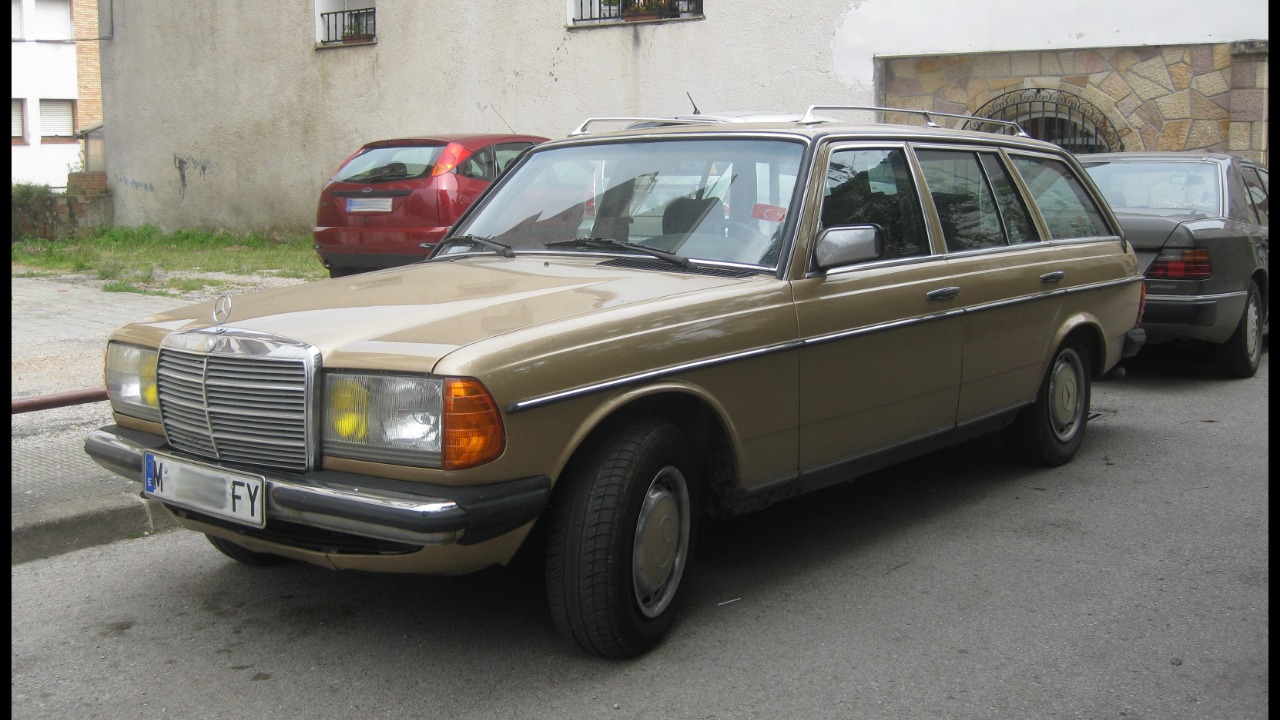
The Mercedes-Benz W123 wagon combined solid construction with durable engines and a carefully engineered chassis. Its diesel versions became particularly famous for accumulating extremely high mileage. The spacious wagon body also made it useful for families and long-distance travel. Surviving examples remain popular because the W123 demonstrated that a luxury automobile could also be remarkably durable.
Toyota Corolla Wagon

The Toyota Corolla wagon brought the brand’s reputation for simplicity and reliability into a practical family package. Its compact dimensions made it easy to use in crowded areas, while straightforward four-cylinder engines were inexpensive to maintain. Many were driven for years without major problems. Today, clean examples are becoming harder to find because so many were used as ordinary daily transportation.
Toyota Camry Wagon
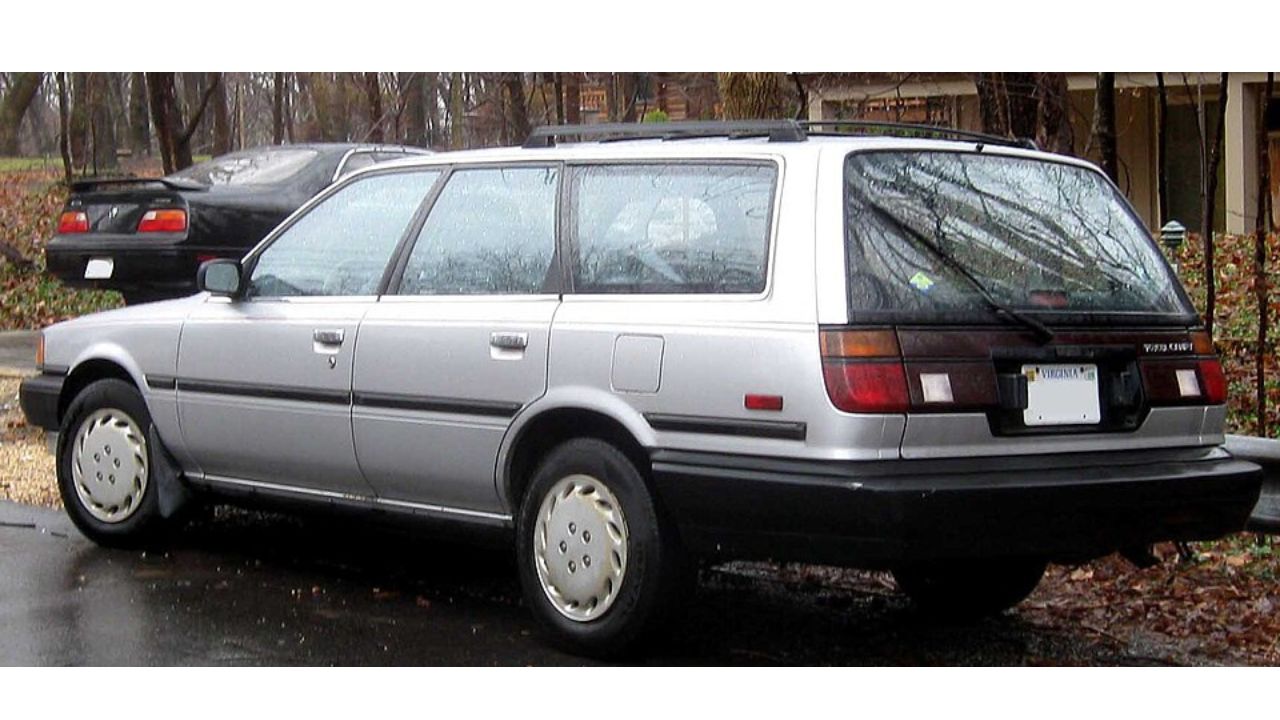
The Toyota Camry wagon offered comfortable family transportation while retaining the dependable mechanical qualities associated with the Camry name. Its spacious cargo area made it useful for everyday errands and road trips. Straightforward maintenance and durable engines helped many survive years of service. The wagon body style is now relatively unusual, making well-preserved examples increasingly interesting to collectors.
Subaru Legacy Wagon
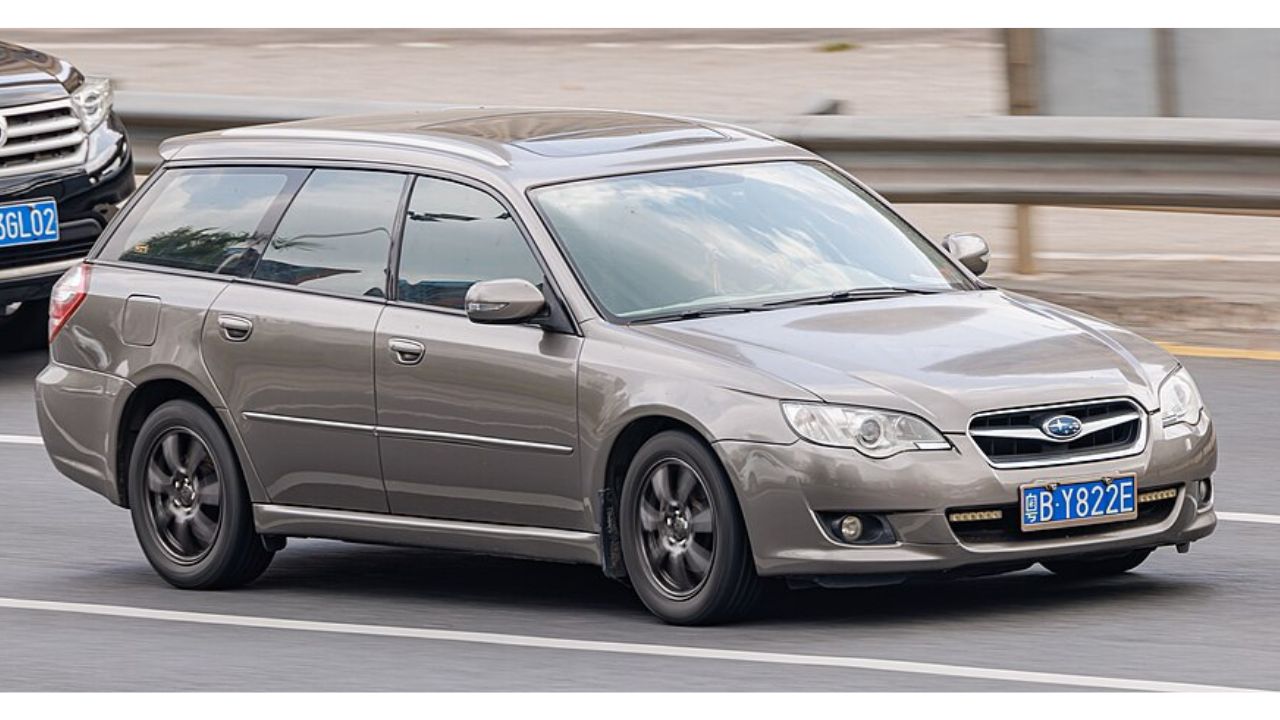
The Subaru Legacy wagon combined a durable flat-four engine with standard all-wheel drive, creating a practical vehicle for difficult weather and rough roads. Its combination of traction, cargo capacity, and everyday comfort made it popular with families and outdoor enthusiasts. Many examples endured demanding conditions for years. Its practicality and distinctive mechanical layout continue to give it a loyal following.
Ford Country Squire
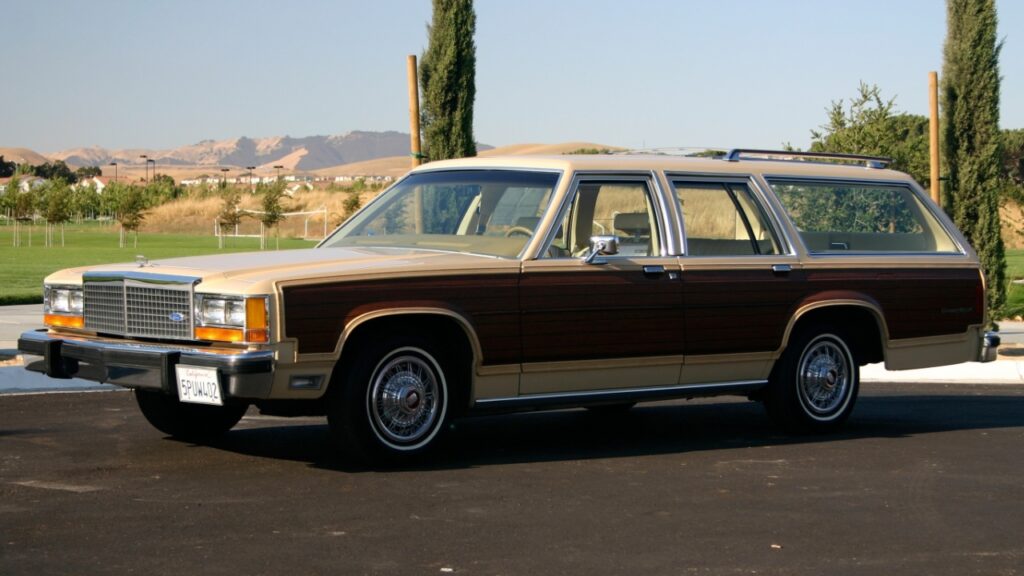
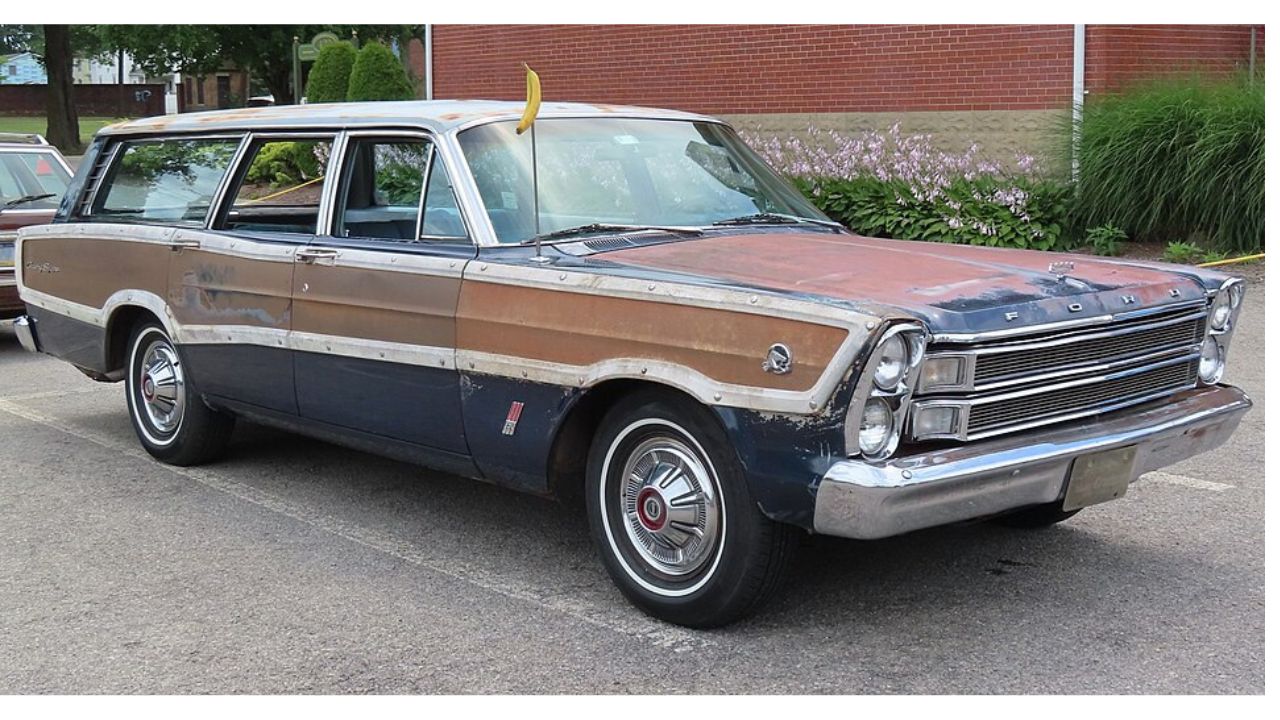
The Ford Country Squire became a symbol of the traditional American family wagon. Its large body, spacious interior, and V8 engines allowed it to handle long trips and heavy family use. Many spent decades carrying passengers and cargo before being retired. Although large by modern standards, its rugged mechanical components and simple utility helped make it a durable American classic.
Chevrolet Caprice Wagon
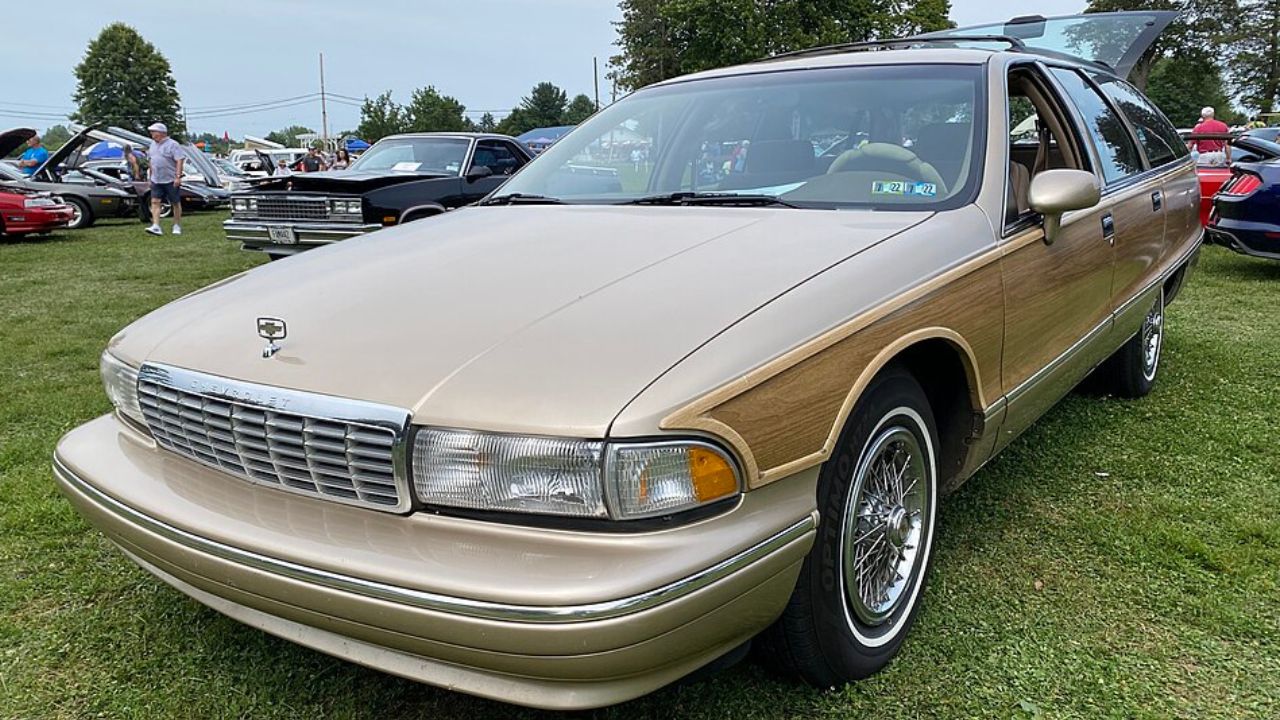
The Chevrolet Caprice wagon offered a substantial body, spacious interior, and strong V8 power. Its body-on-frame construction and traditional rear-wheel-drive layout gave it the durability expected from a full-size American vehicle. It was commonly used by large families, fleets, and businesses. Surviving examples are becoming increasingly uncommon because many were worked hard throughout their lives.
Buick Roadmaster Estate Wagon
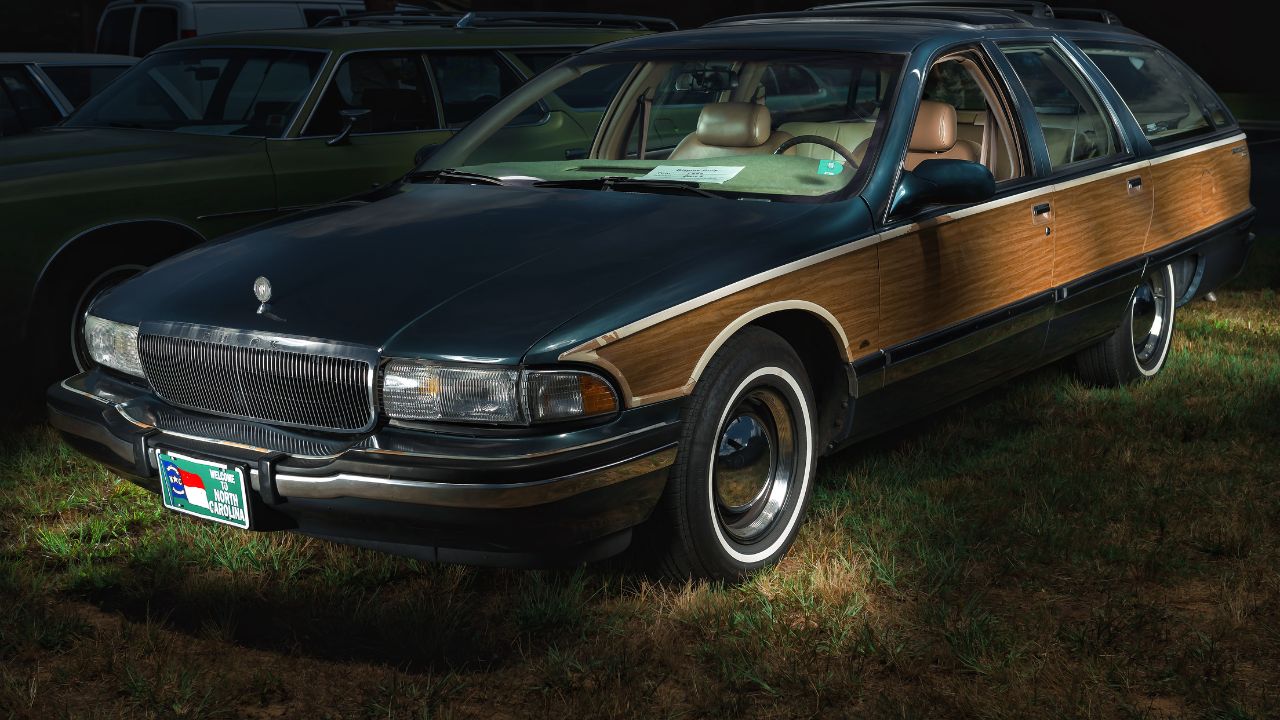
The Buick Roadmaster Estate wagon combined luxury-car comfort with substantial carrying capacity. Its large V8 and traditional rear-wheel-drive platform provided strong highway performance, while the spacious interior made it useful for family travel. These wagons often accumulated significant mileage as everyday vehicles. Today, clean examples are attracting attention from enthusiasts who appreciate their unusual combination of comfort and utility.
Mercedes-Benz W124 Wagon
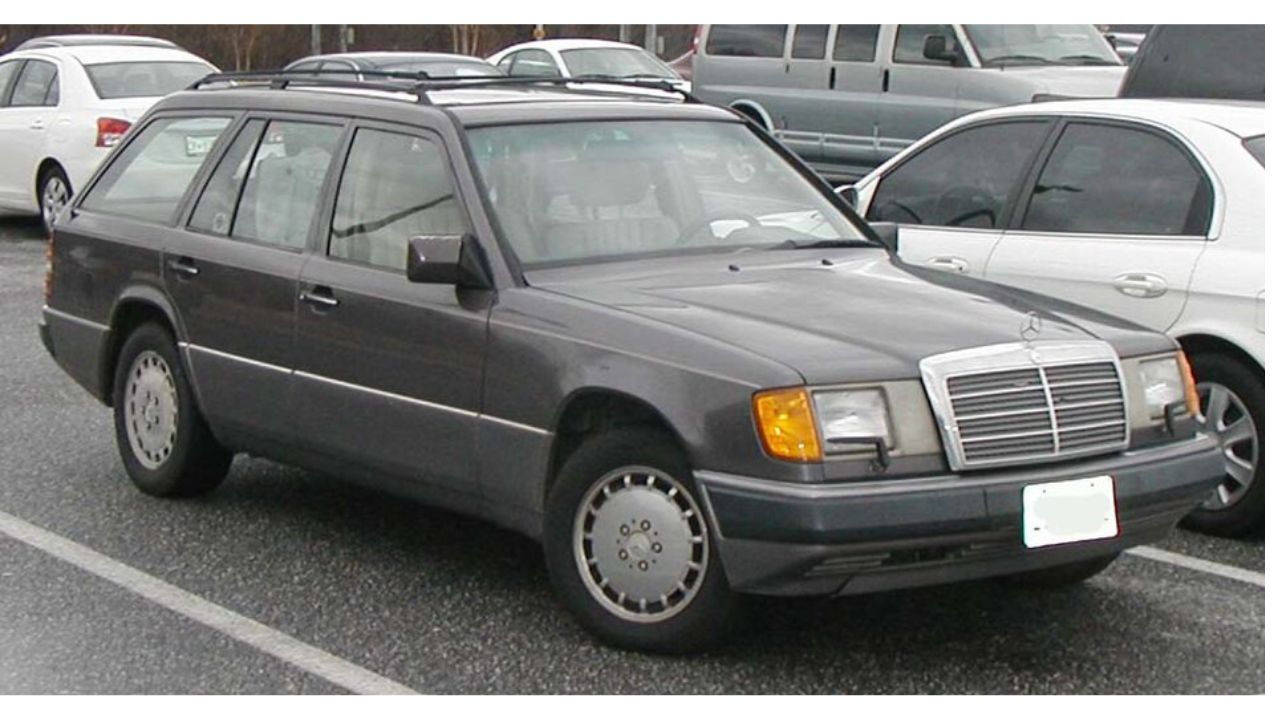
The Mercedes-Benz W124 wagon became respected for its strong construction, refined engineering, and durable powertrains. Its carefully engineered suspension and spacious body made it well suited to long-distance driving. Diesel versions were especially valued for longevity, while gasoline models offered smoother performance. Properly maintained examples can remain remarkably capable decades later, which explains their continued appeal among practical classic-car enthusiasts.
More from Fast Lane Only
- Unboxing the WWII Jeep in a Crate
- 15 rare Chevys collectors are quietly buying
- 10 underrated V8s still worth hunting down
- Police notice this before you even roll window down
*Research for this article included AI assistance, with all final content reviewed by human editors