Automobile design has always been a dynamic field, with certain production cars leaving a lasting impact on designers and enthusiasts alike. From the sleek curves of classic sports cars to innovative modern designs, these vehicles have set benchmarks that continue to inspire creativity and engineering excellence.
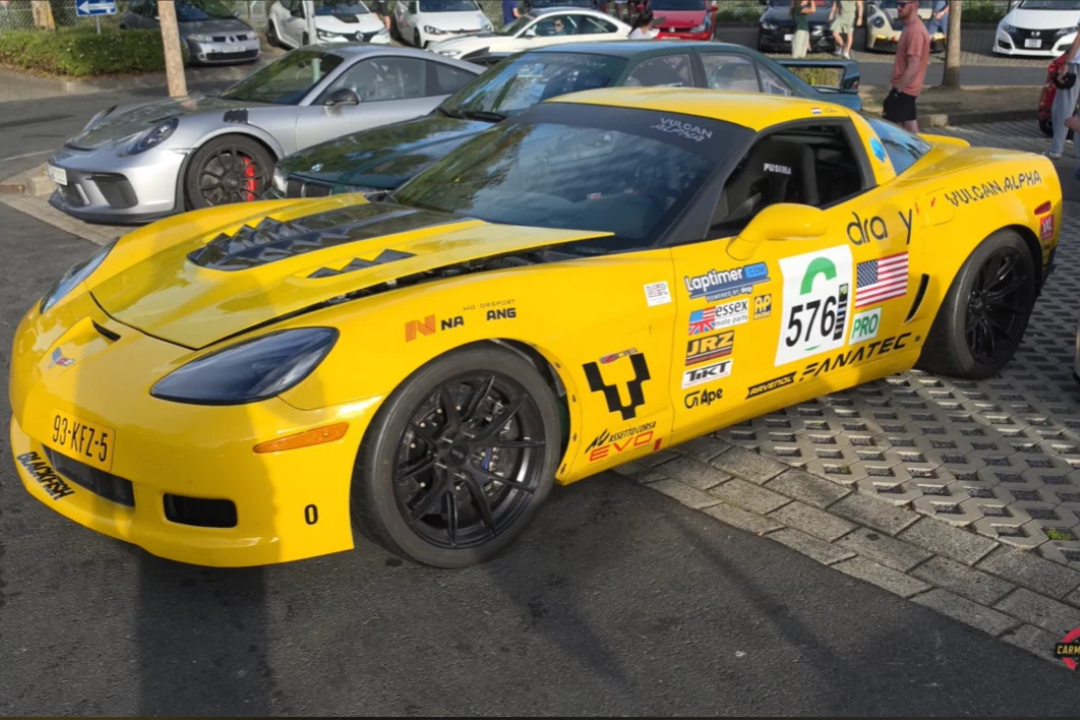
1957 Chevrolet Corvette
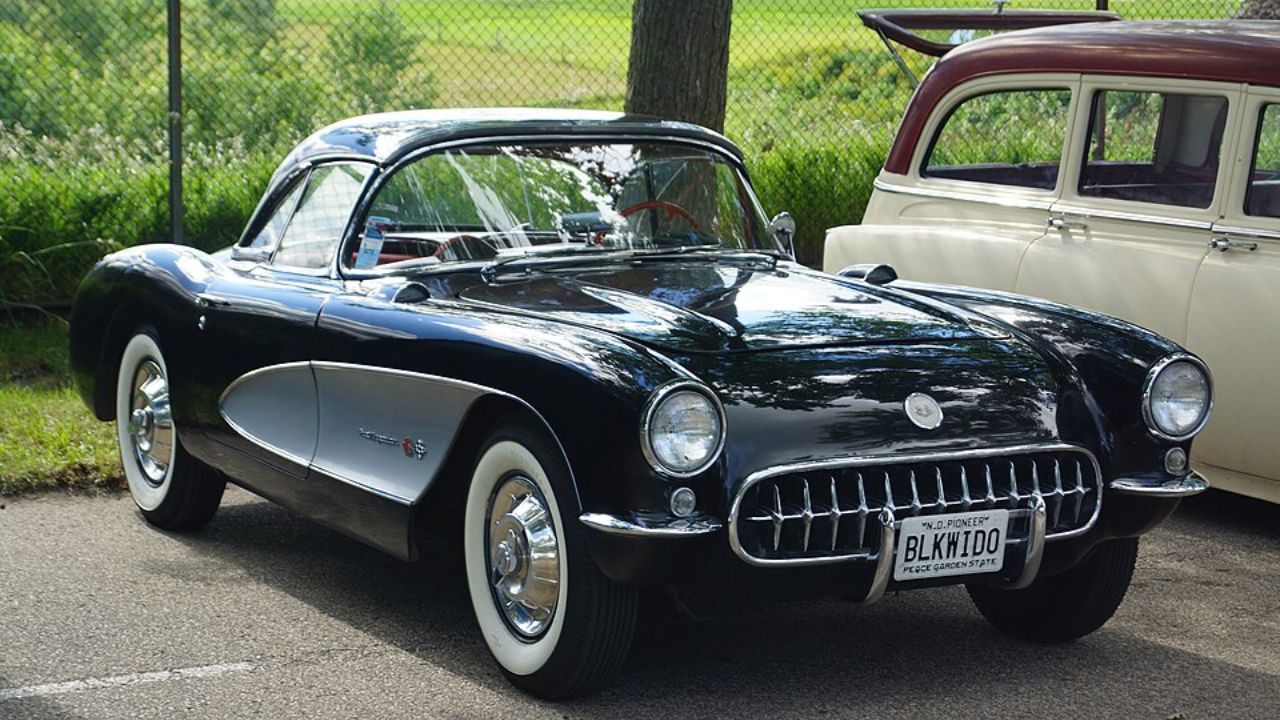
The 1957 Chevrolet Corvette is often hailed as one of the most iconic American cars. Its distinctive styling, characterized by smooth lines and a long hood, redefined the notion of a sports car in the United States. The combination of chrome detailing and fiberglass bodywork not only made it lightweight but also visually striking. The Corvette’s design has influenced countless vehicles over the decades, establishing a template for both performance and aesthetics that resonates in contemporary automotive design. Car enthusiasts frequently reference the Corvette, noting its significant role in shaping the sports car segment, as seen in various retrospectives.
1961 Jaguar E-Type
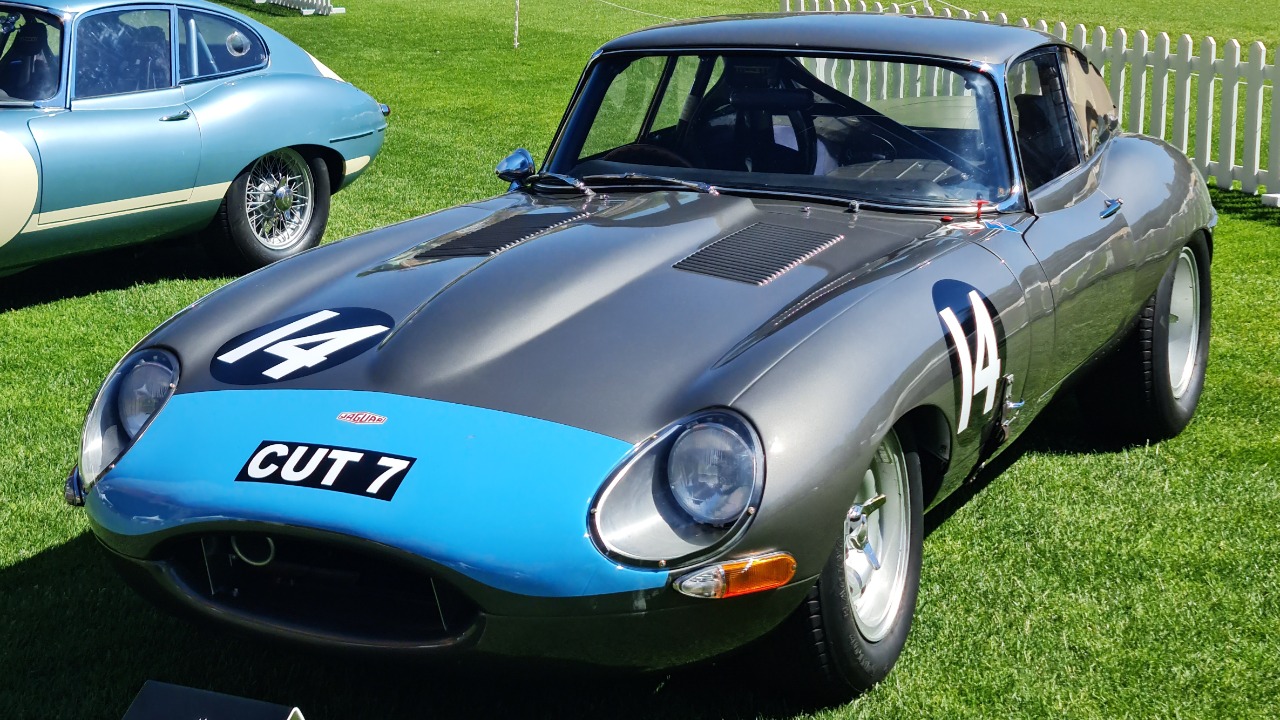
The Jaguar E-Type, launched in 1961, is universally recognized for its breathtaking design and engineering prowess. Often described as a work of art on wheels, the E-Type’s long hood, short rear, and smooth contours have become a template for sports car aesthetics. Its combination of beauty and performance captured the imagination of the public and automotive designers alike. The E-Type has continued to inspire modern vehicles with its elegant proportions and timeless appeal, proving that good design transcends generations. Its influence can be seen in many modern sports cars that strive to capture the same spirit of design excellence.
1970 Porsche 911
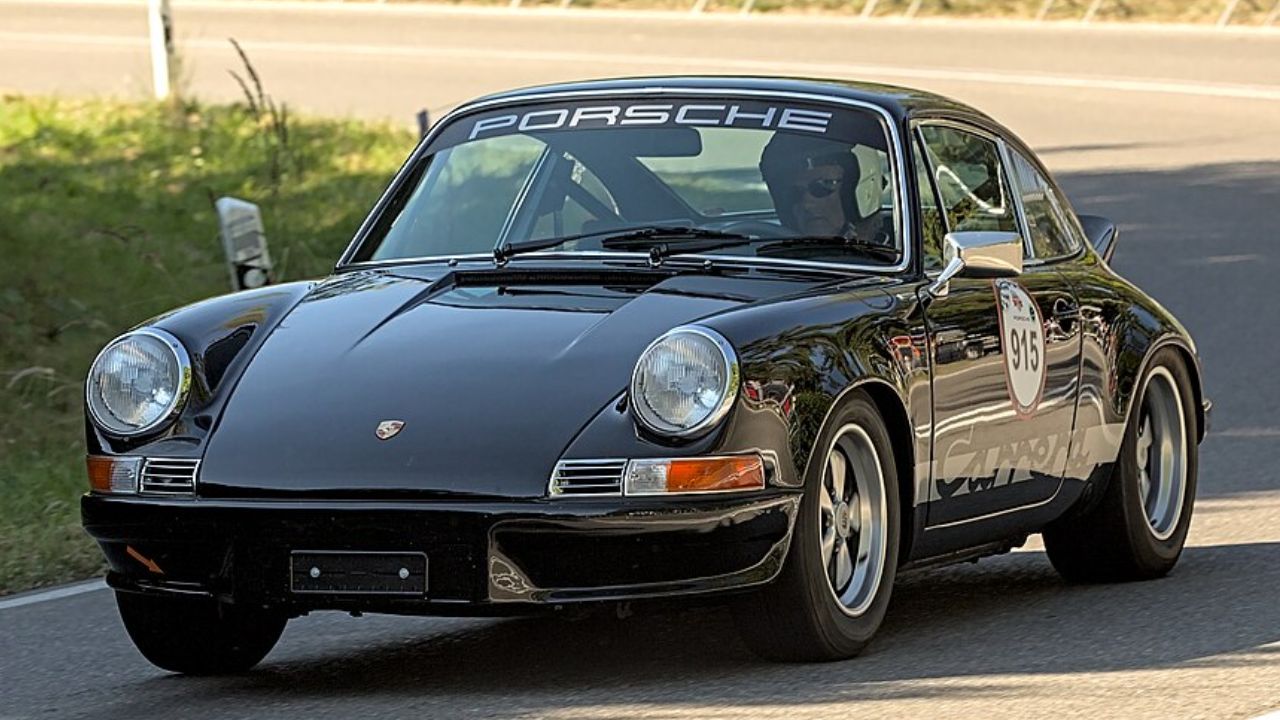
The 1970 Porsche 911 stands as a pillar of automotive design, merging functionality with style. Its iconic silhouette, featuring round headlights and a rear-engine layout, has remained relatively unchanged for decades, showcasing the power of timeless design. The 911’s engineering excellence, combined with its aesthetic appeal, has made it a favorite among both enthusiasts and designers. The model has inspired a multitude of sports cars that seek to replicate its balance of performance and elegance. The enduring legacy of the Porsche 911 continues to influence car design today, as seen in vehicles striving for that same perfect blend of design and performance.
1984 Audi Quattro
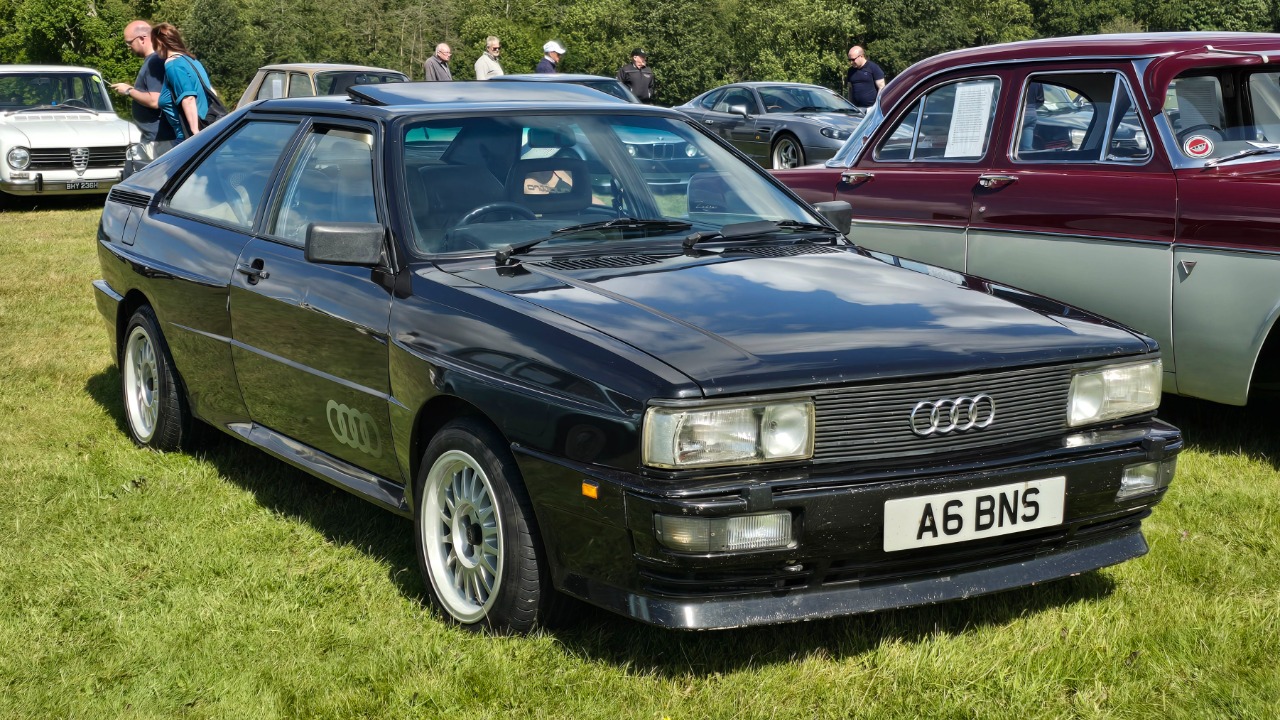
The Audi Quattro made waves in the automotive industry when it debuted in 1984, not just for its revolutionary all-wheel-drive system but also for its distinctive styling. The Quattro’s boxy yet aggressive stance and sloping roofline set it apart from its contemporaries. Its design elements have since inspired a wave of performance-oriented vehicles, emphasizing both function and form. Many modern cars still borrow cues from the Quattro’s styling, showcasing the timelessness of its design language. The Quattro’s influence can be seen in the current trend of integrating sportiness with practicality in modern automotive design.
1990 Mazda MX-5 Miata
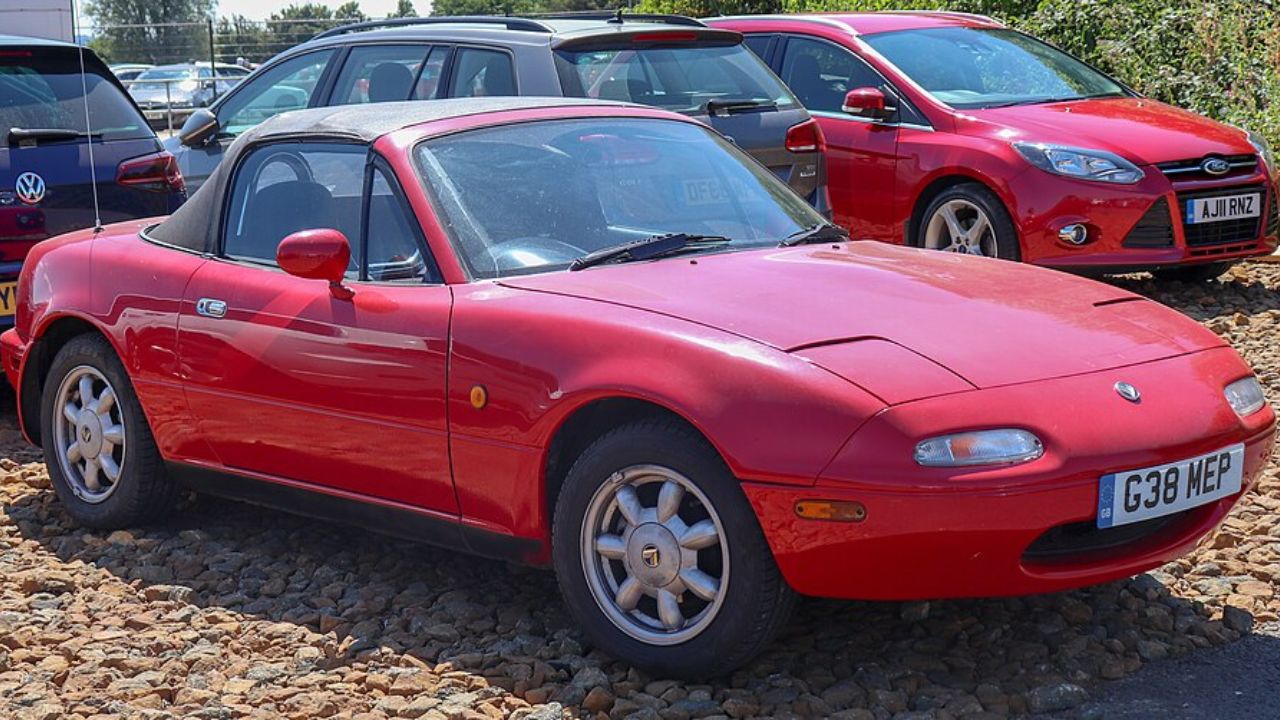
The 1990 Mazda MX-5 Miata is often credited with reinvigorating the affordable sports car segment. Its lightweight design, compact dimensions, and classic roadster styling appealed to a broad audience. The Miata’s balance and simplicity in design have inspired a multitude of roadsters since its launch. Its enduring popularity is a testament to its timeless aesthetics and driving dynamics. The Miata’s influence on the roadster market is undeniable, as many manufacturers have attempted to replicate its success while infusing their unique styles. The design ethos of the MX-5 continues to resonate with designers, serving as a benchmark for affordable performance.
1994 McLaren F1
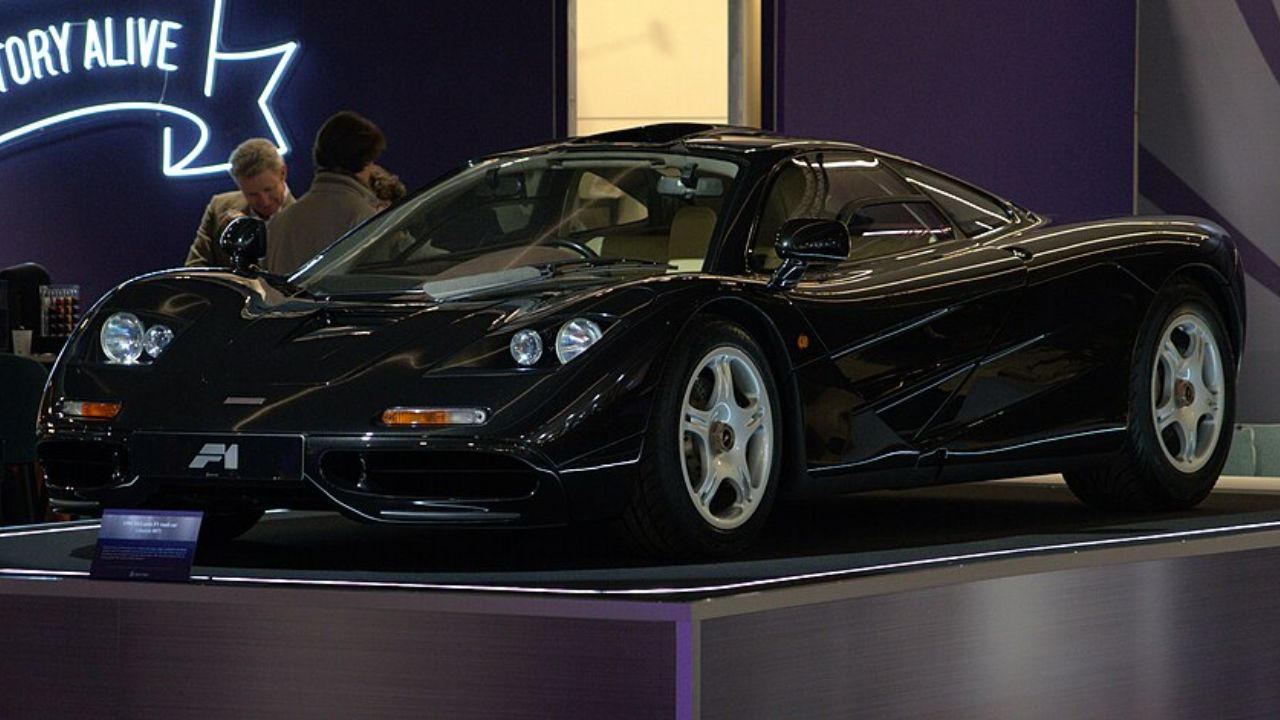
The McLaren F1, introduced in 1994, is often regarded as a masterpiece of automotive engineering and design. Its distinctive triad of seats, central driving position, and aerodynamic shape set it apart from any other supercar of its time. The F1’s design was not just for aesthetics; it was deeply rooted in functionality and performance. Its lightweight construction and innovative use of materials have influenced the design of many subsequent high-performance vehicles. The McLaren F1’s legacy continues to inspire designers striving to create the next generation of supercars, blending form and function seamlessly.
2004 Aston Martin DB9

The Aston Martin DB9, launched in 2004, epitomizes luxury and elegance in automotive design. Its sleek lines, muscular stance, and sophisticated detailing have made it a benchmark for grand tourers. The DB9’s design language, which combines classic elements with modern touches, has influenced many luxury sports cars. Its aesthetic appeal is not merely skin deep; the DB9’s engineering excellence complements its stunning looks, making it a favorite among automotive designers and enthusiasts alike. The influence of the DB9 can be seen in contemporary luxury coupes that aspire to blend performance with timeless beauty.
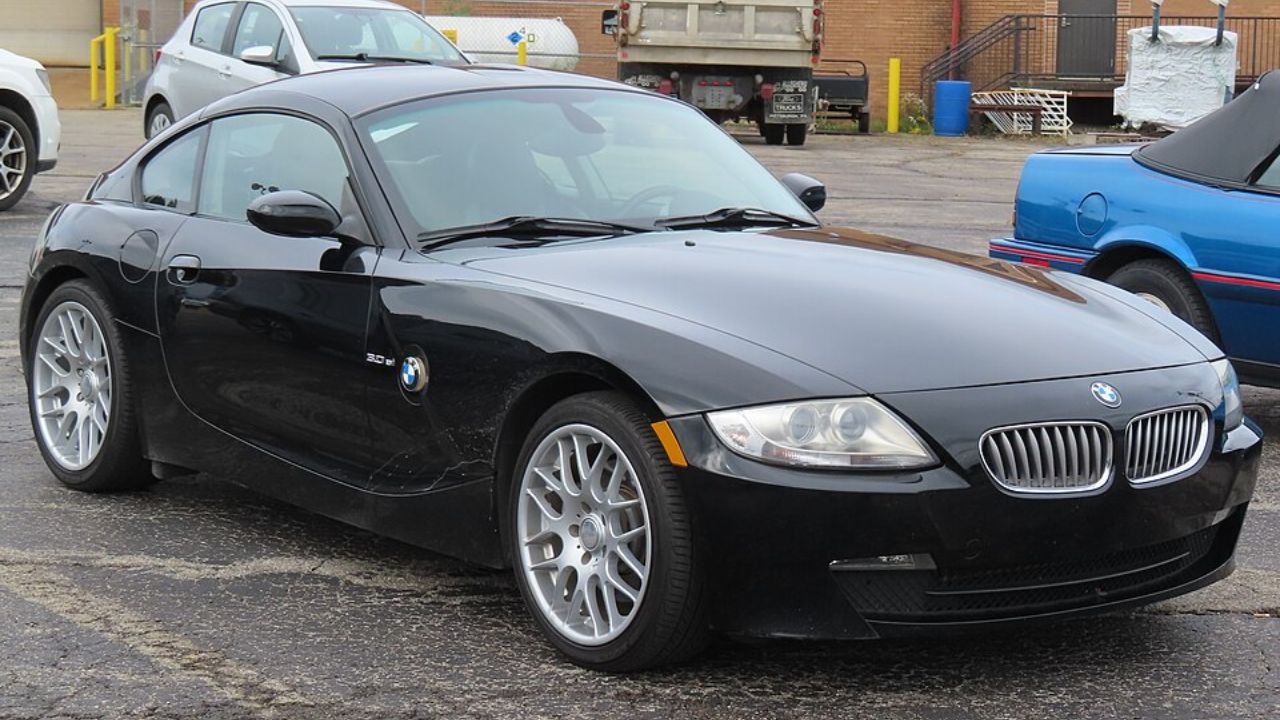
2007 BMW Z4 Coupe
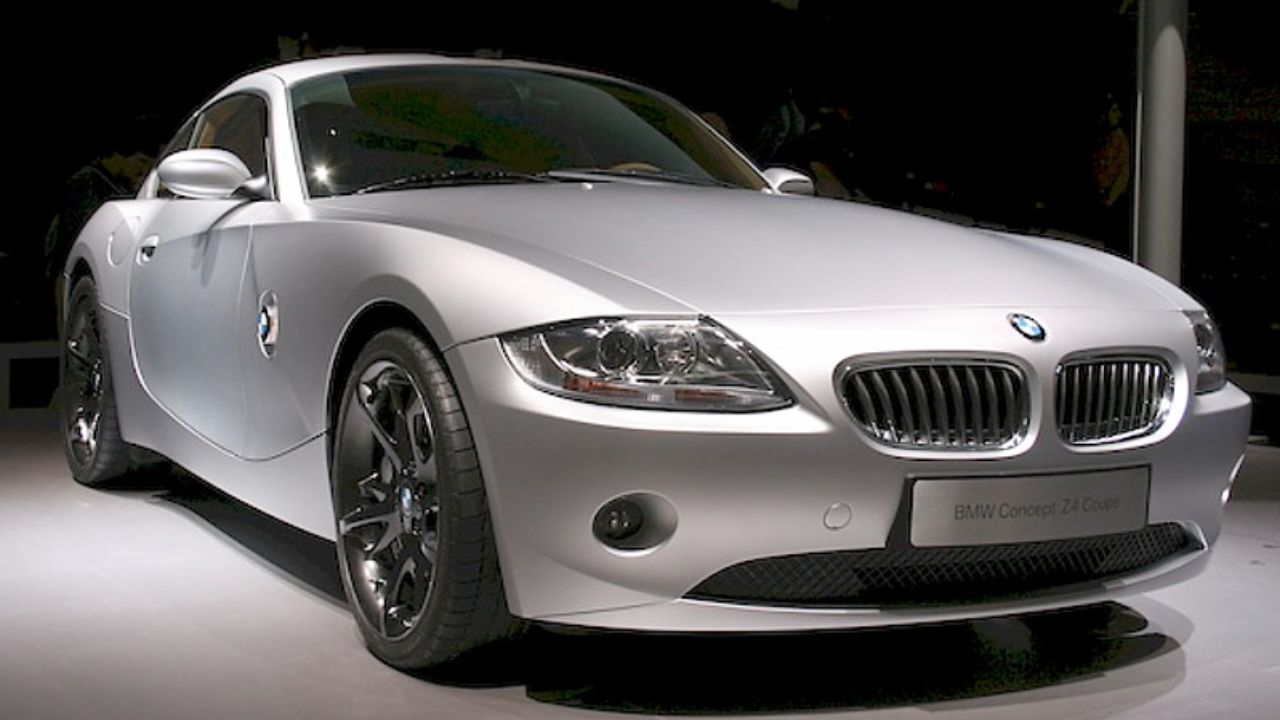
The 2007 BMW Z4 Coupe stands out with its bold and aggressive styling. Its long hood, wide stance, and distinctive rear design have set it apart in the luxury coupe segment. The Z4 Coupe’s aesthetic, characterized by sharp lines and an athletic look, has influenced the design of many subsequent models. The vehicle’s interior is equally captivating, blending driver-focused ergonomics with premium materials. The Z4’s striking design has inspired a generation of sports coupes that seek to balance performance and style. Its legacy is one of innovation and an enduring influence on modern automotive design.
2010 Ferrari 458 Italia
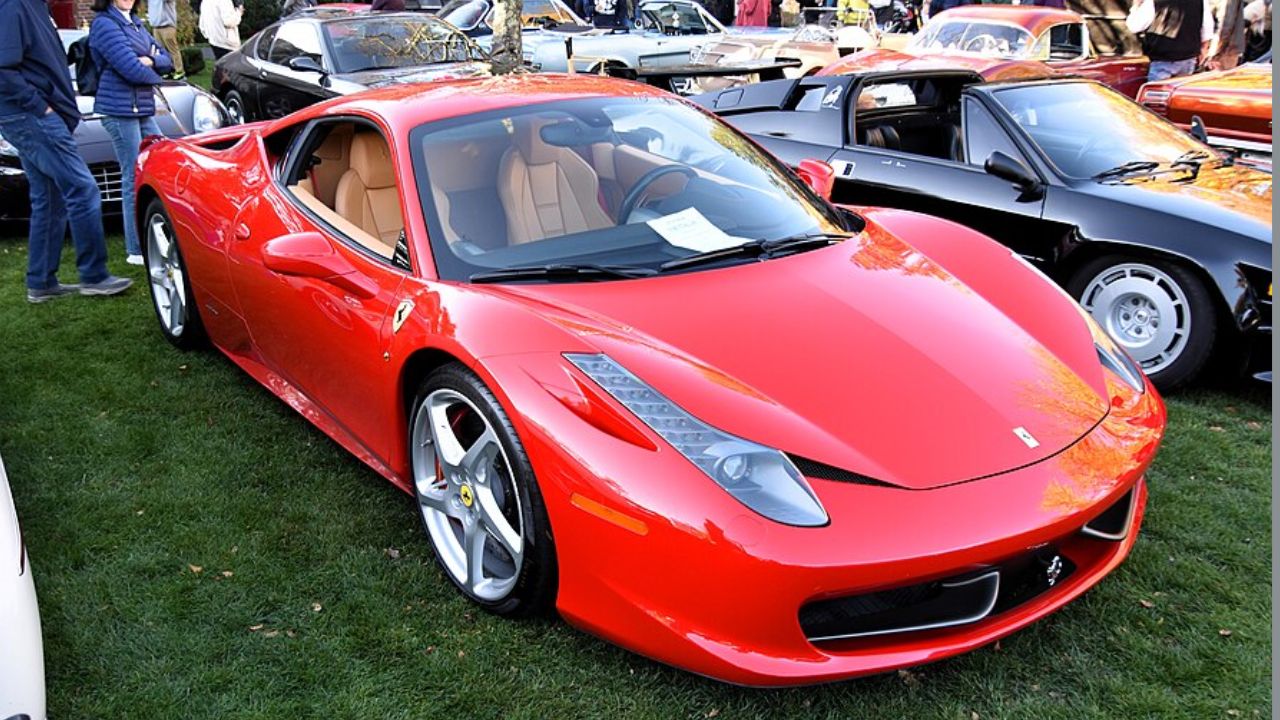
The Ferrari 458 Italia, introduced in 2010, is celebrated for its aerodynamic design and stunning aesthetics. Its flowing lines, aggressive front fascia, and sculpted rear showcase Ferrari’s commitment to performance and beauty. The 458 Italia’s design has influenced a new generation of supercars, emphasizing the importance of aerodynamics in vehicle styling. Its captivating looks are matched by its engineering, offering performance that complements its visual
More from Fast Lane Only