Chevrolet’s Corvette has been a groundbreaking force in the automotive industry since its debut in the early 1950s. Each iteration has not only pushed the boundaries of design and performance but has also redefined what a sports car can be. Below are ten Corvettes that played pivotal roles in shaping Chevrolet’s legacy and the automotive landscape.
1953 Corvette: The Birth of an Icon
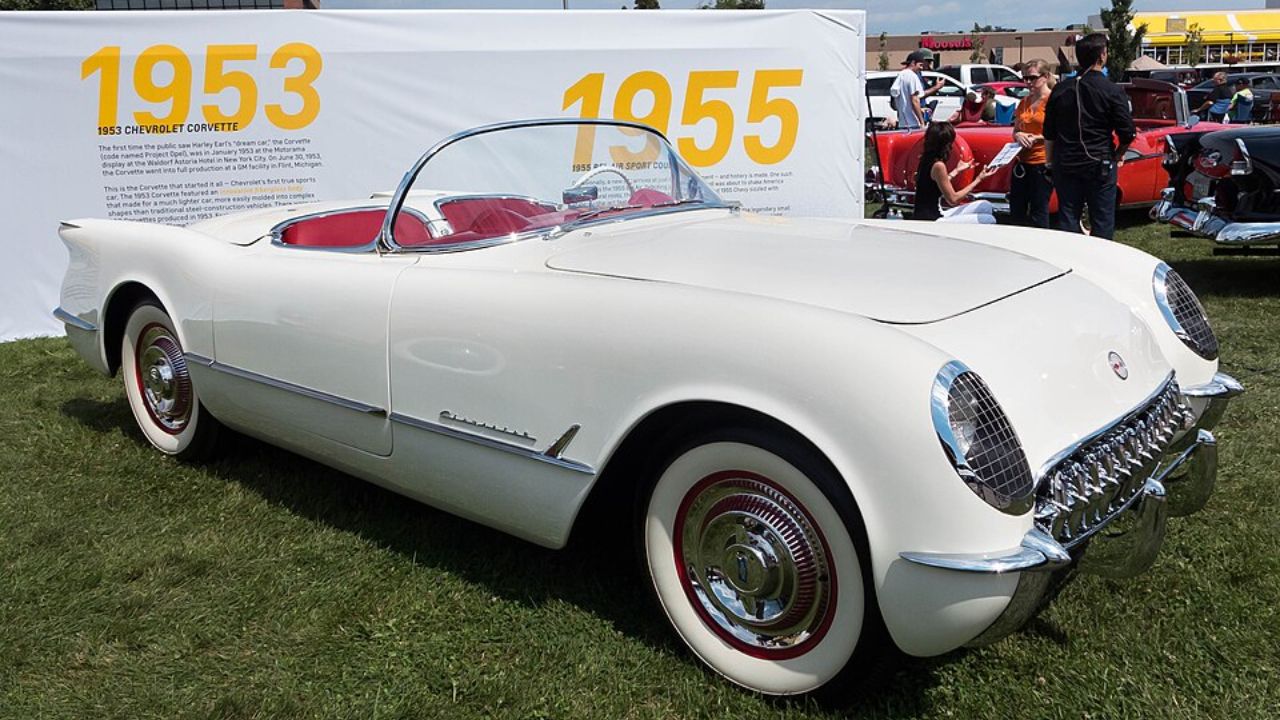
The 1953 Corvette marked Chevrolet’s entry into the world of sports cars, featuring a fiberglass body and a 150-horsepower inline-six engine. With its sleek lines and distinct design, it captured the attention of car enthusiasts and set a new standard for American automobiles. Only 300 units were produced in its inaugural year, making it a rare classic that collectors cherish today.
This first-generation model laid the foundation for the Corvette’s identity, establishing its reputation as a stylish and performance-oriented vehicle. The 1953 Corvette’s success demonstrated the market potential for a dedicated sports car, inspiring future generations to innovate within the segment.
1963 Corvette Sting Ray: The First True Sports Car
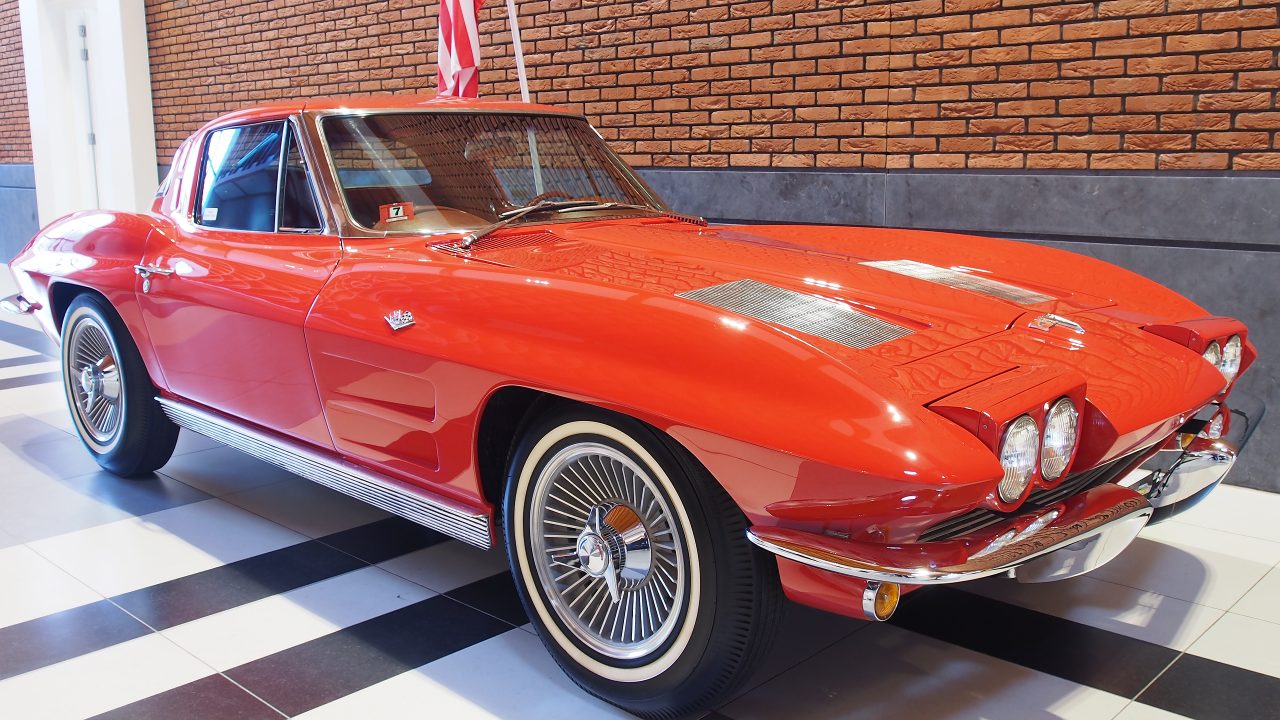
The 1963 Corvette Sting Ray introduced a new era with its iconic split rear window and a more powerful engine lineup, including the option of a V8. This model is often credited as the first true American sports car, combining exceptional handling with striking aesthetics. Its design was revolutionary, featuring a lightweight body and improved aerodynamics.
The Sting Ray not only captured the imagination of enthusiasts but also played a significant role in motorsports, competing successfully in races such as the 24 Hours of Le Mans. Its blend of style and performance solidified the Corvette’s status as a legitimate contender on the global stage.
1967 Corvette Sting Ray: The End of an Era
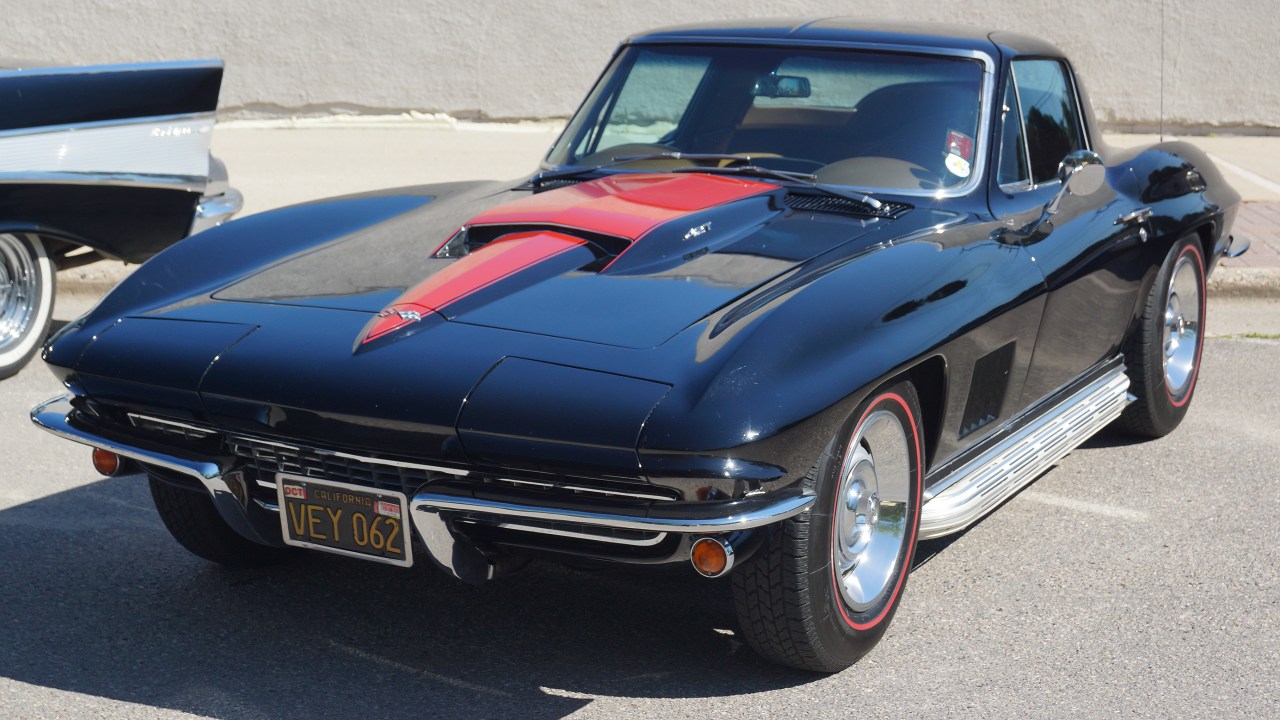
The 1967 Corvette Sting Ray was the final model year of the second generation, showcasing advancements that would be influential for years to come. It featured the introduction of the L88 engine option, which offered a staggering 430 horsepower, making it a formidable force in racing. The aesthetics were equally impressive, with the introduction of new colors and a more aggressive stance.
This model is often regarded as the pinnacle of the Sting Ray era, combining unmatched performance with timeless beauty. As the last of its kind, the 1967 model holds a special place in Corvette history and is highly sought after by collectors.
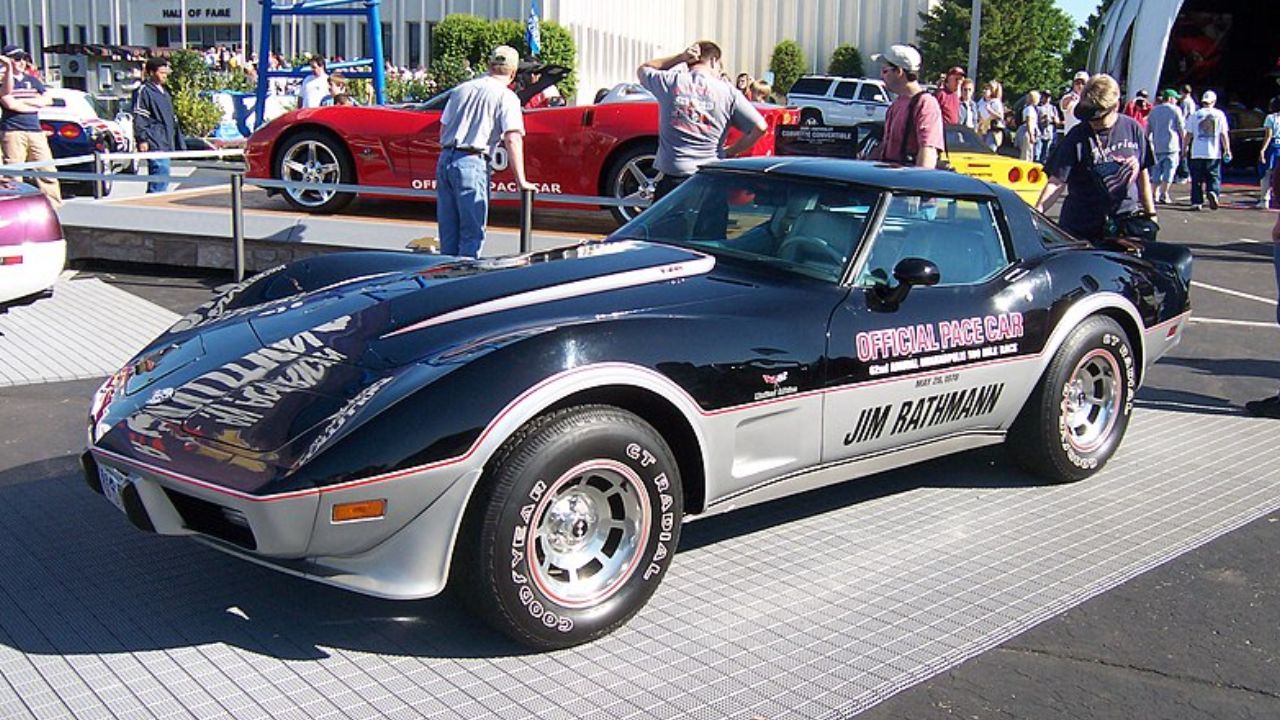
1978 Corvette: The Introduction of the Pace Car
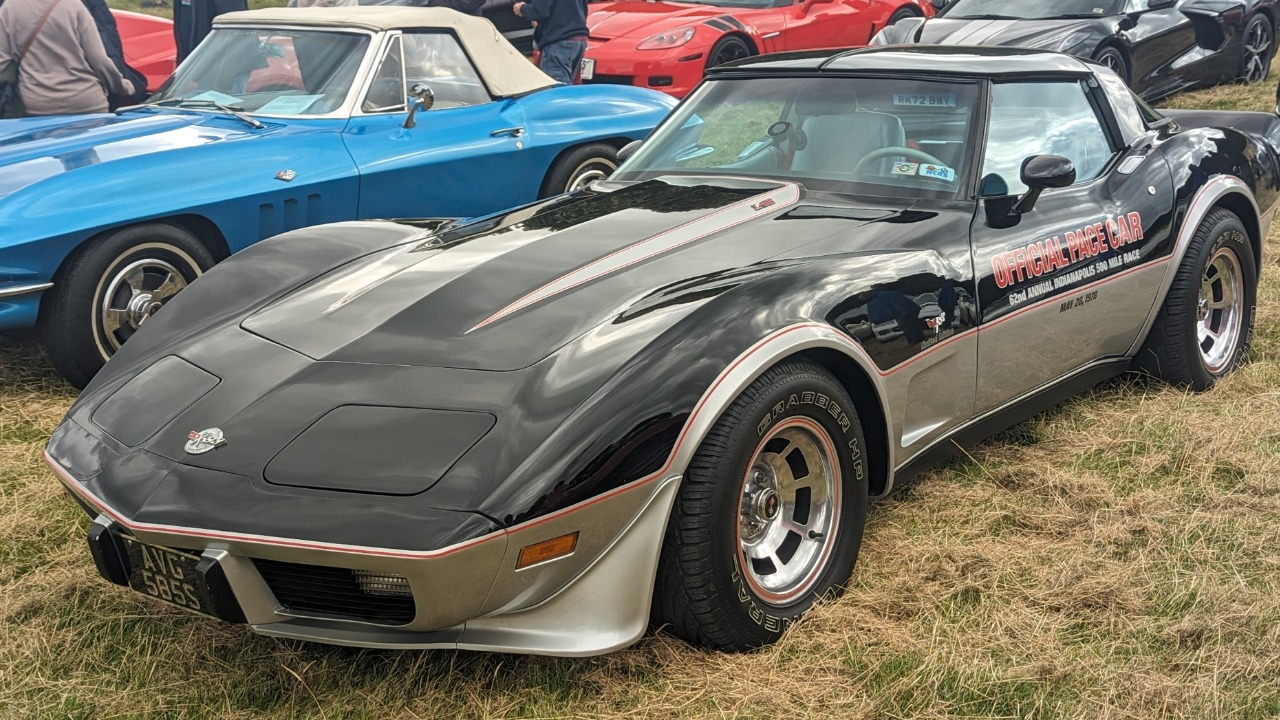
The 1978 Corvette was notable for commemorating the 25th anniversary of the model, featuring a special Pace Car edition. This model was the first Corvette to have a removable roof panel, enhancing versatility and driving experience. It also made a significant impact on popular culture by serving as the official pace car for the Indianapolis 500.
The Pace Car’s bold graphics and unique styling made it a collectible item, helping to rejuvenate interest in the Corvette during a period of economic downturn. This model demonstrated Chevrolet’s ability to adapt and remain relevant by leveraging its racing heritage.
1984 Corvette: The Return of the C4 Generation
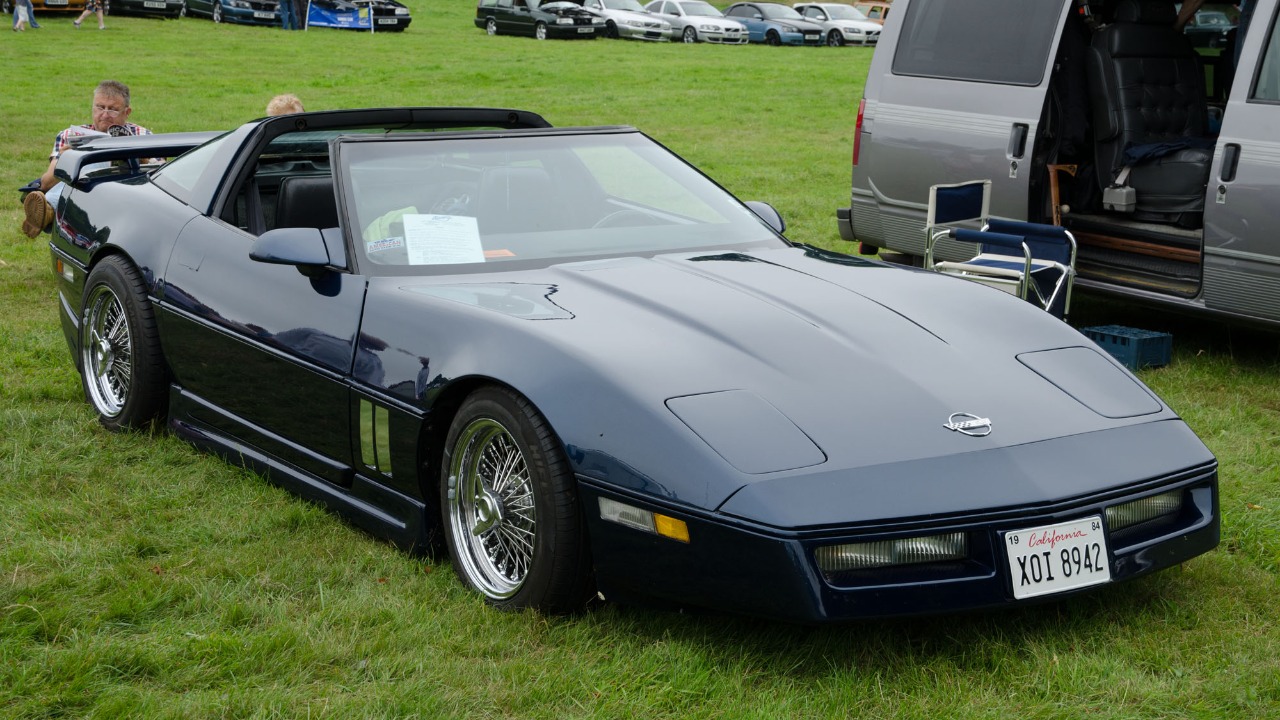
The launch of the 1984 Corvette marked the beginning of the C4 generation, which focused heavily on modernizing the Corvette experience. With a new chassis and a sleek, aerodynamic design, the 1984 model offered improved performance and comfort. The introduction of the digital dashboard was a technological leap that set it apart from its predecessors.
This model also returned the Corvette to the spotlight, featuring a more powerful engine and enhanced handling dynamics. The C4 generation revitalized the Corvette brand, paving the way for future advancements in technology and performance.
1990 Corvette ZR-1: The King of Performance
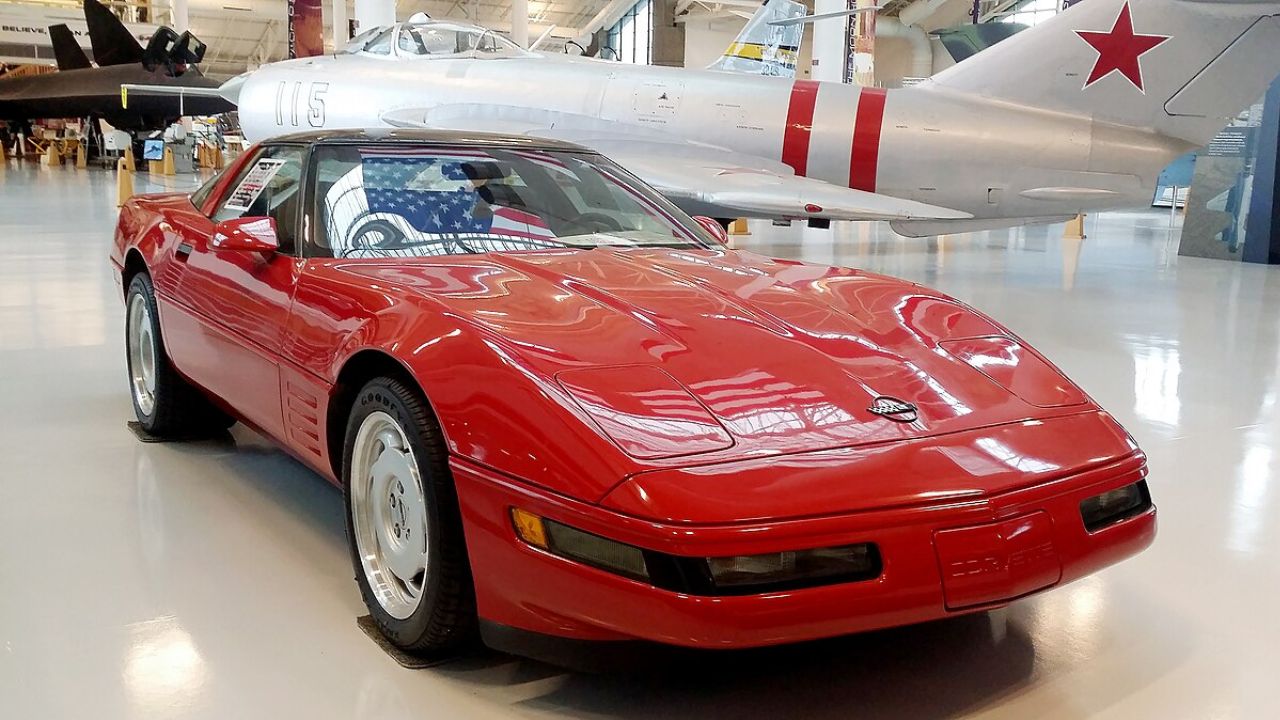
The 1990 Corvette ZR-1 was a groundbreaking model that redefined performance standards for American sports cars. Nicknamed the “King of the Hill,” it featured a 375-horsepower LT5 V8 engine, capable of achieving speeds over 180 mph. This model showcased Chevrolet’s commitment to engineering excellence and performance innovation.
Its impact on the sports car market was profound, proving that American manufacturers could compete with European rivals. The ZR-1’s combination of speed, handling, and cutting-edge technology solidified its reputation as a true performance icon.
1997 Corvette C5: A New Era of Design and Engineering
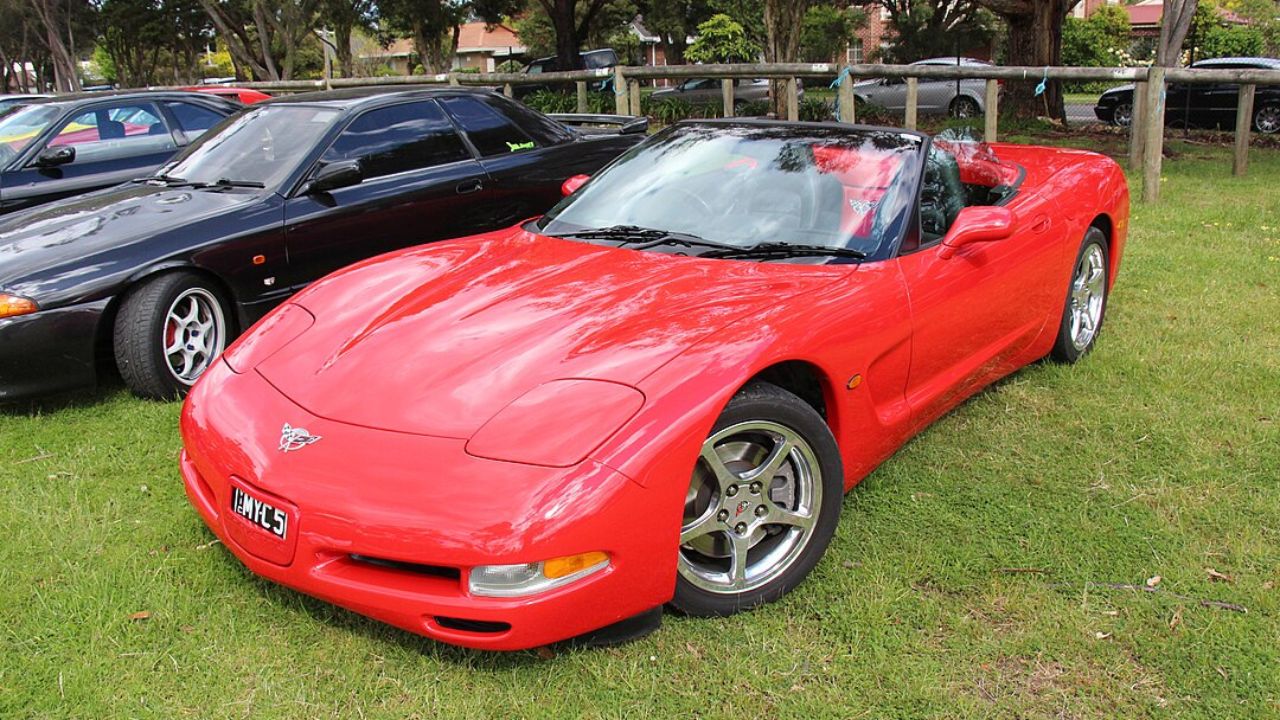
The 1997 Corvette C5 marked a significant step forward in design and engineering, introducing a complete redesign after years of evolution. With a new platform, the C5 featured improved aerodynamics and a more rigid structure, enhancing performance and handling. The introduction of the LS1 V8 engine brought an impressive 345 horsepower.
This model was also the first to offer a fully independent suspension system, greatly improving ride quality and cornering ability. The C5’s advancements set a new benchmark for future Corvette models, showcasing Chevrolet’s commitment to continuous improvement in performance and design.
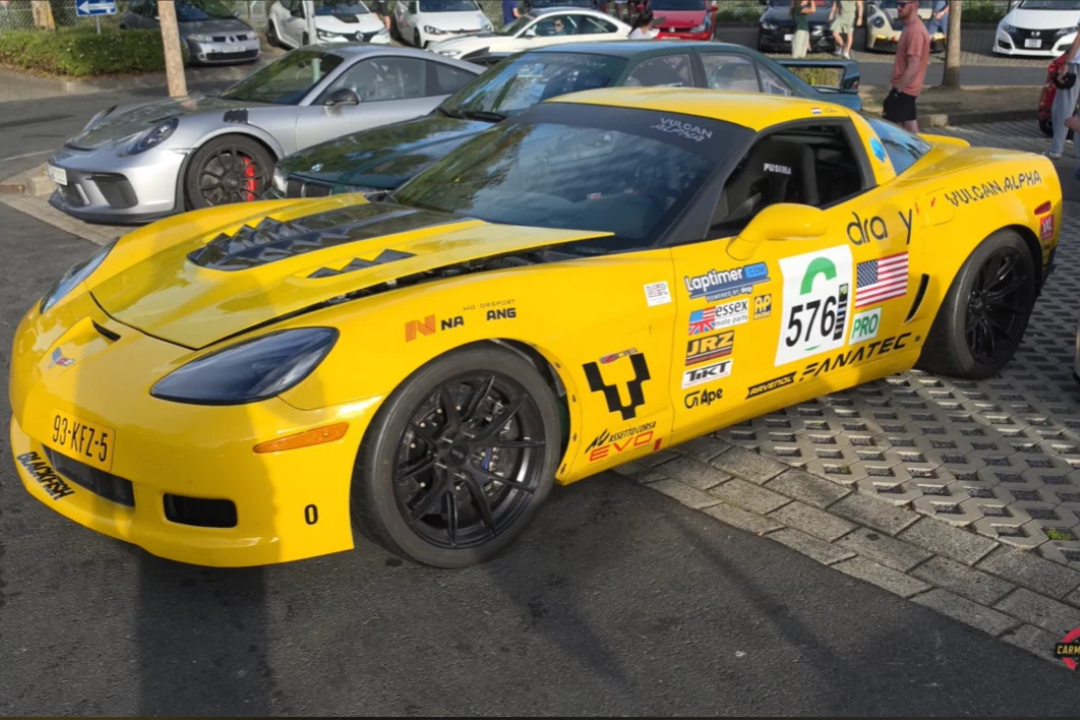
2005 Corvette C6: The Return to Racing Roots

The 2005 Corvette C6 represented a return to the racing roots of the brand, featuring a more aggressive design and enhanced performance capabilities. It introduced the new LS2 engine, producing 400 horsepower, marking a significant leap in power. The C6 also highlighted a more aerodynamic shape, giving it a lower profile and improved handling.
This model further emphasized Chevrolet’s focus on performance, successfully blending street-worthy capabilities with racing heritage. The C6’s success on the racetrack reinforced the Corvette’s image as a serious competitor in the sports car arena.
2014 Corvette C7: A Game-Changer in Performance and Style
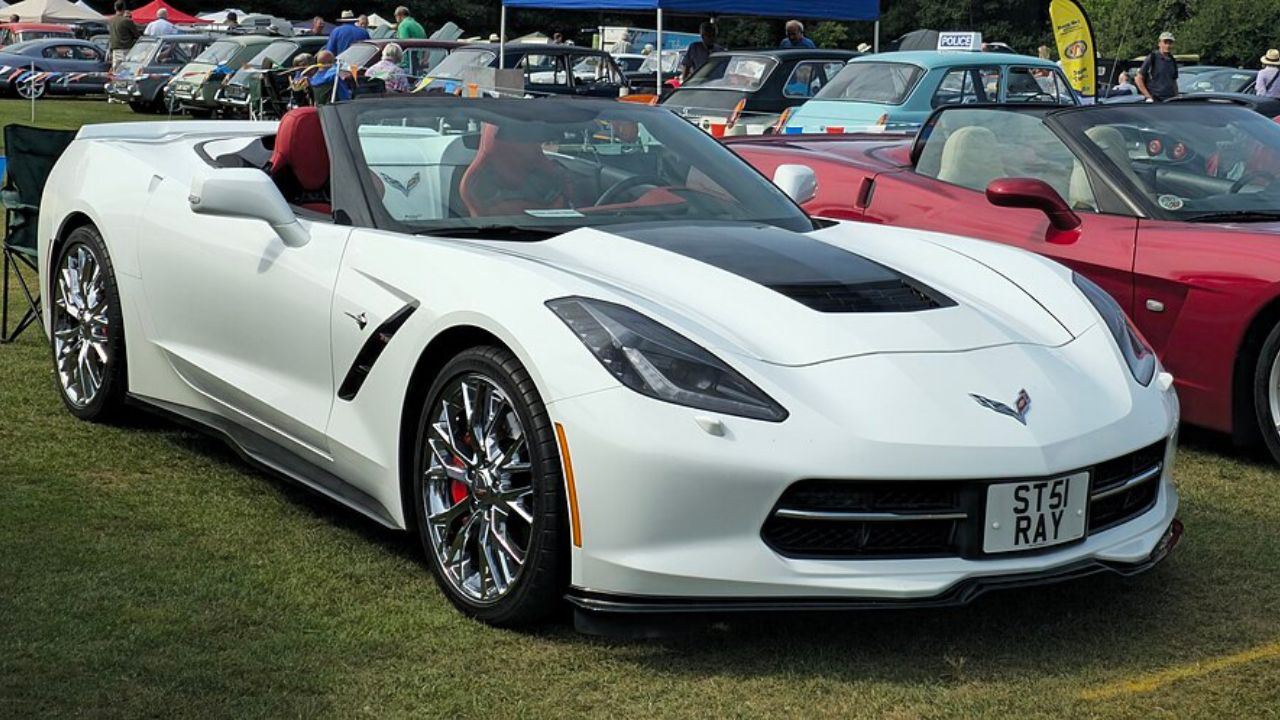
The 2014 Corvette C7 was a monumental redesign that embraced modern aesthetics while enhancing performance. It featured a new 6.2-liter V8 engine producing up to 505 horsepower, allowing it to accelerate from 0 to 60 mph in just 3.8 seconds. The C7 showcased a bold, aggressive design that turned heads and captured the attention of car enthusiasts worldwide.
This model also introduced advanced technology, including a heads-up display and comprehensive infotainment system, enhancing the driving experience. The C7 set new standards in the sports car market, reinforcing the Corvette’s legacy as a leader in performance and innovation.
2020 Corvette C8: The Mid-Engine Revolution
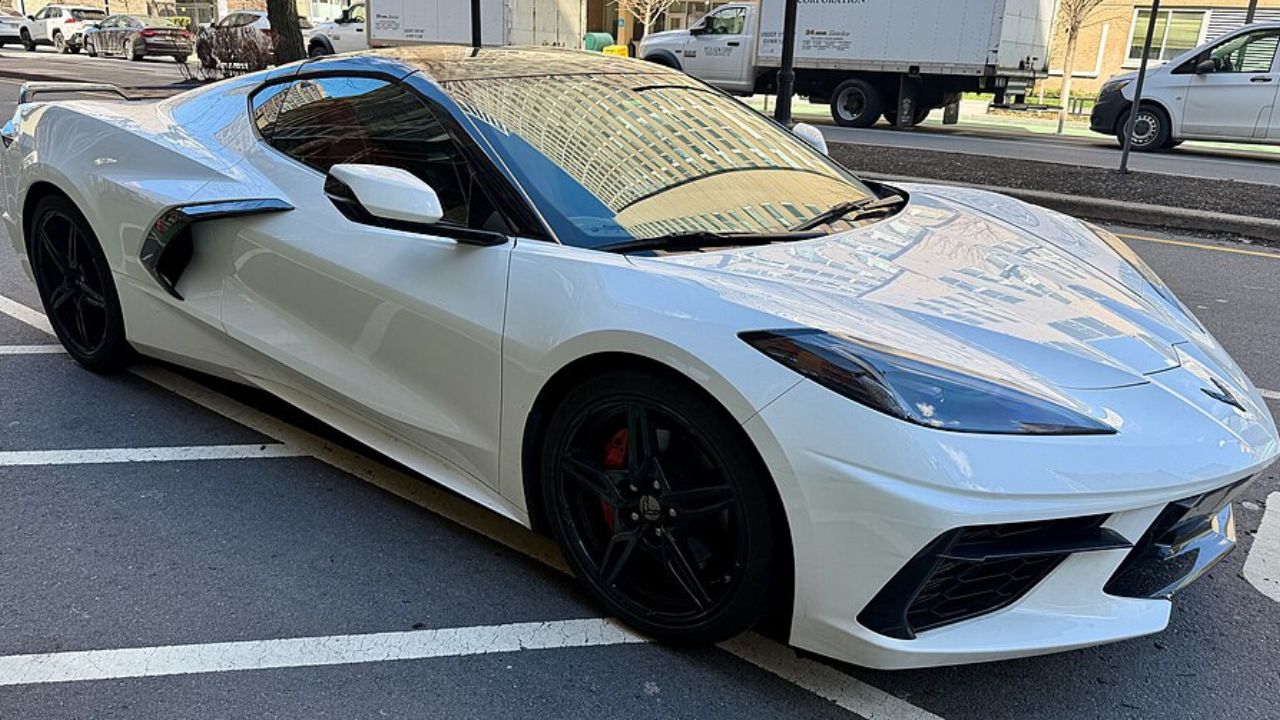
CC BY-SA 4.0 / wiki commons
The 2020 Corvette C8 revolutionized the Corvette lineup by introducing a mid-engine layout, a significant departure from its traditional front-engine design. This change enhanced weight distribution and handling, leading to improved performance and driving dynamics. The C8 is powered by a 6.2-liter V8 engine, delivering 495 horsepower and 470 lb-ft of torque.
The shift to a mid-engine configuration not only elevated performance but also redefined the Corvette’s identity, appealing to a new generation of enthusiasts. The C8’s design and engineering innovations position it as one of the most significant Corvettes in history, ushering in a new era for the iconic brand.
More from Fast Lane Only