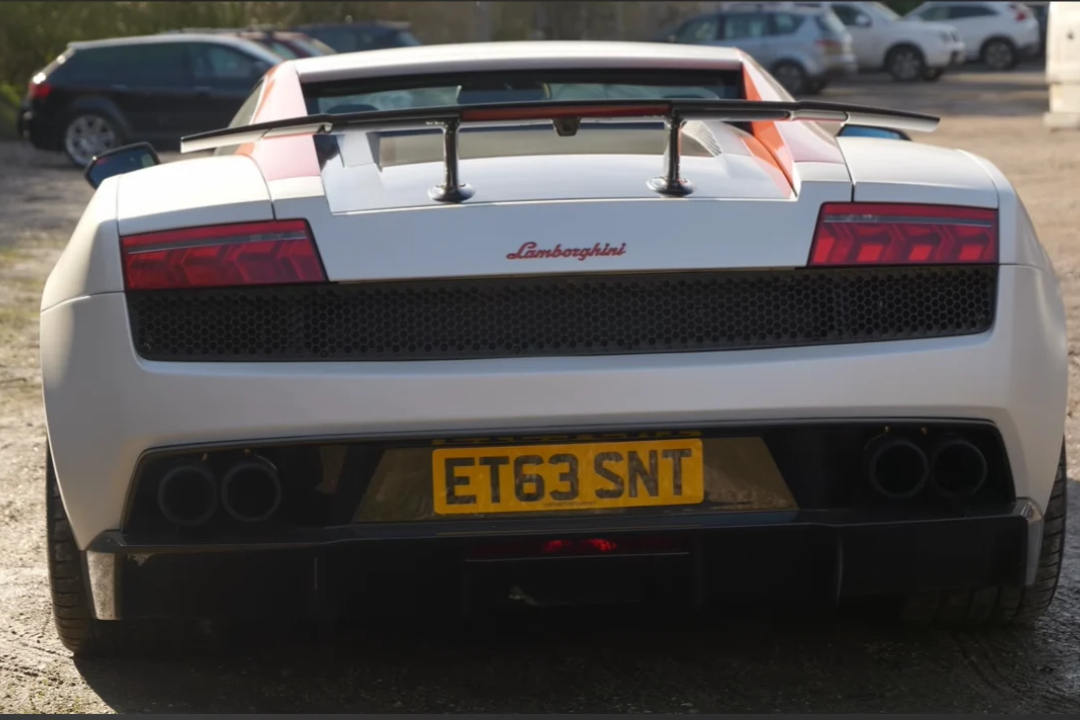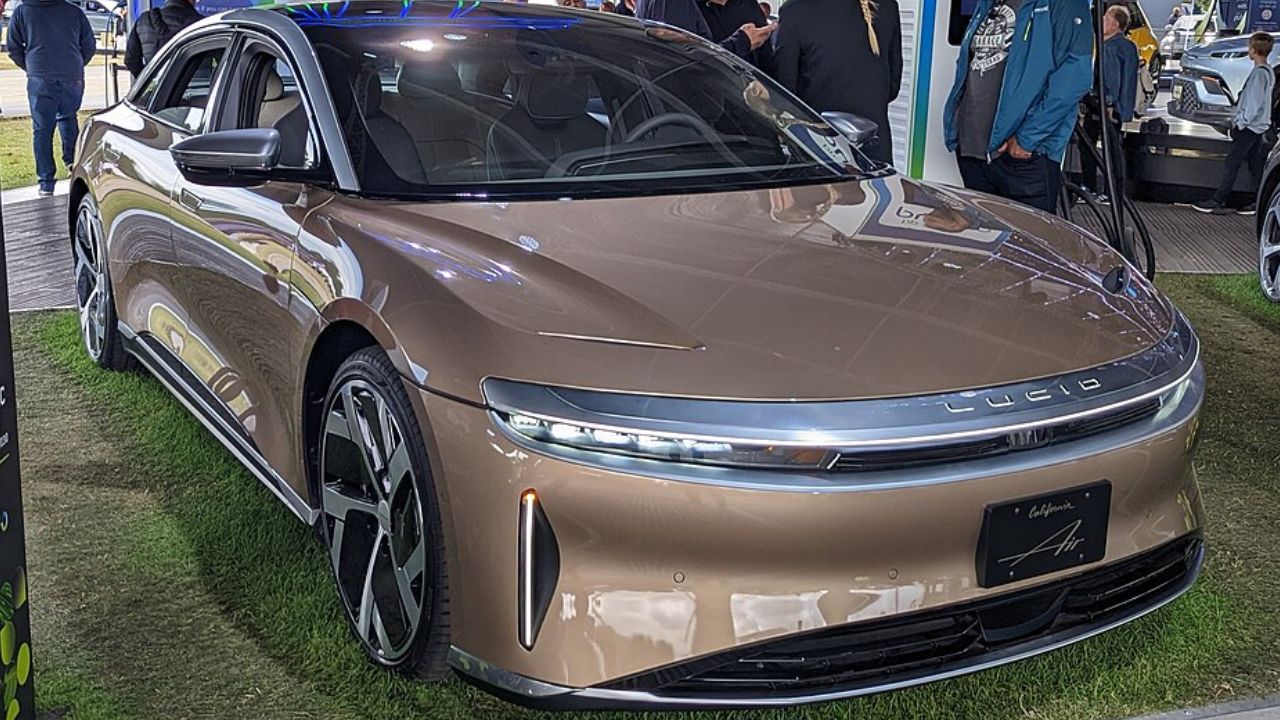
Automakers increasingly treat design as a strategic tool, not just a styling exercise. The most interesting new vehicles use form, materials, and interface choices to solve real problems, from battery longevity to driver overload. This list looks at nine models that quietly outperform expectations because their design teams treated engineering, usability, and aesthetics as a single brief.
Tesla Model 3
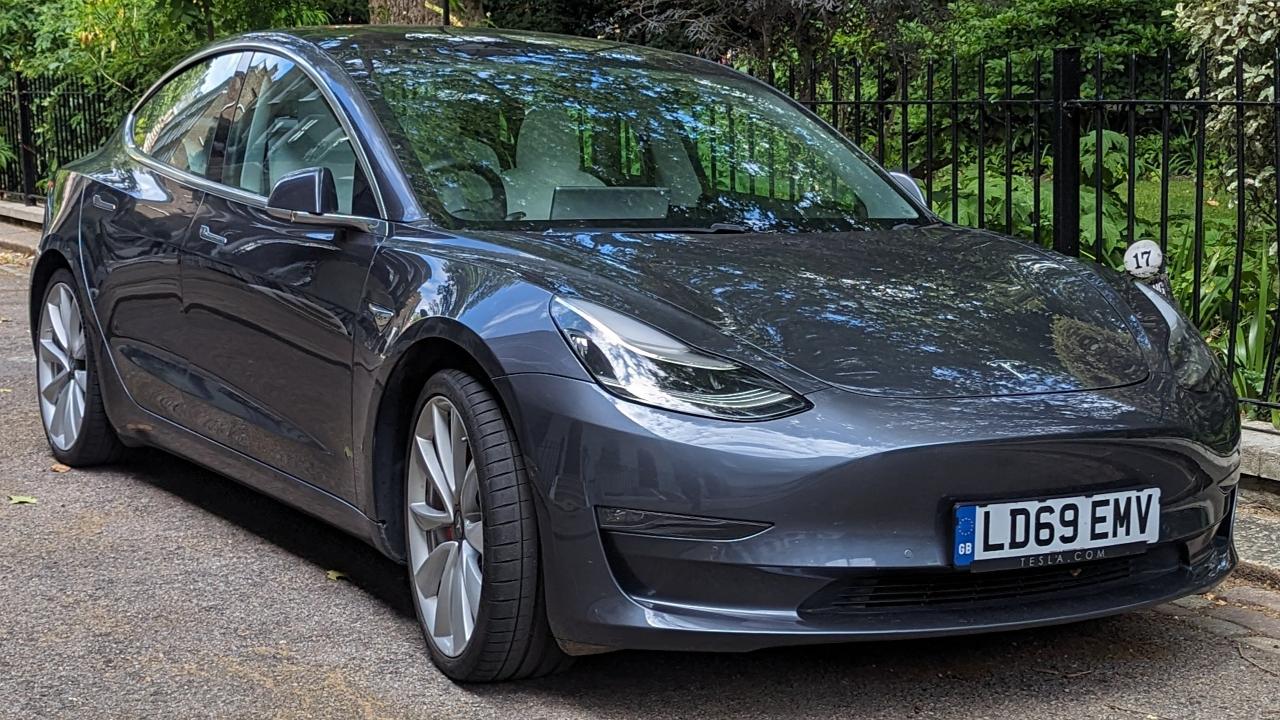
The Tesla Model 3 shows how a clean exterior can support efficiency as much as style. Its smooth bodywork, flush door handles, and carefully managed airflow help reduce drag, which in turn extends range without needing a larger battery pack. Inside, the sparse dashboard and single central screen cut visual clutter and make the cabin feel larger than its footprint suggests.
Battery design is just as critical as sheet metal. Independent testing has confirmed that modern electric vehicle packs can retain a high percentage of capacity over long mileage, and research into EV battery life supports the idea that careful thermal management and software control matter as much as chemistry. The Model 3’s integrated cooling channels and over-the-air battery management updates reflect that thinking, turning an efficiency-focused design into a long-term ownership advantage.
Hyundai Ioniq 5
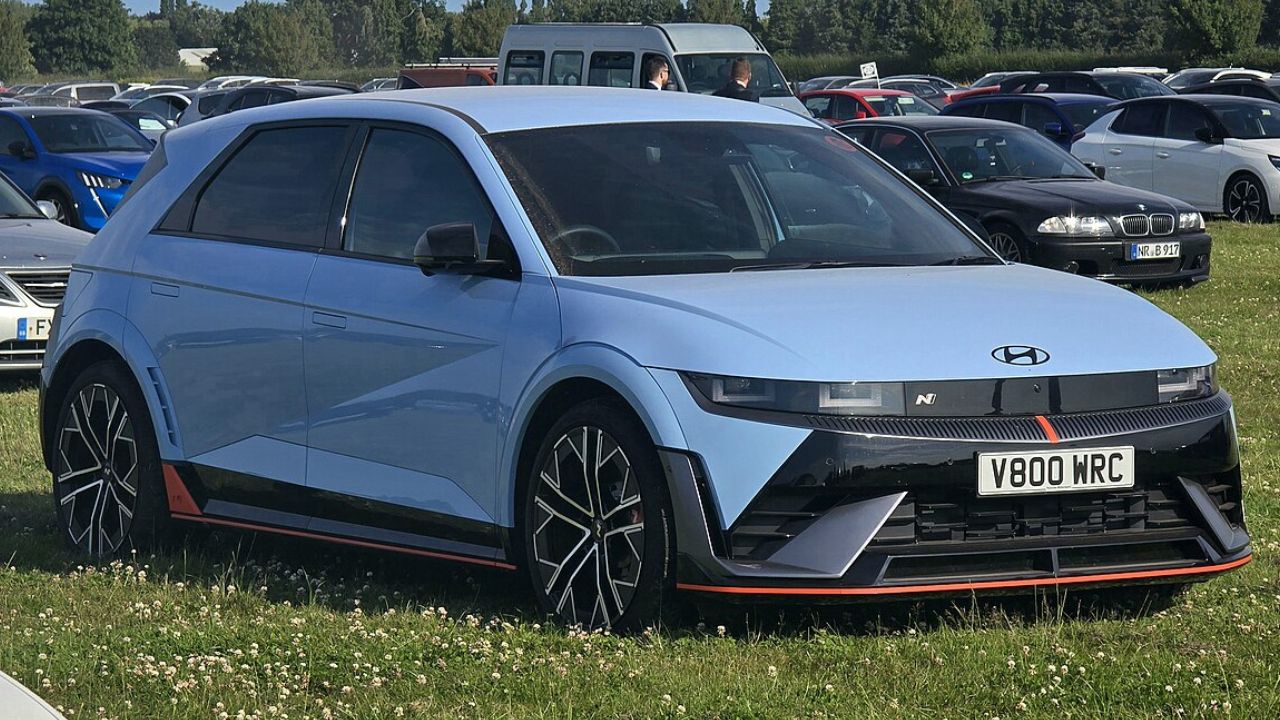
The Hyundai Ioniq 5 uses retro cues to frame a very modern electric platform. Pixel-style lighting, sharp creases, and a long wheelbase give it a concept-car stance, yet the boxy profile is tuned for interior space and visibility. The clamshell hood reduces panel gaps, which improves aerodynamics and cuts wind noise at speed.
Inside, the flat floor and sliding console create a lounge-like layout that takes advantage of the dedicated EV skateboard chassis. Seats that recline almost flat, along with a movable center armrest, show how packaging freedom can translate into comfort on long drives. The design team prioritized usable space and storage over decorative flourishes, which is why the Ioniq 5 feels more like a cleverly furnished room than a traditional crossover.
Kia EV6
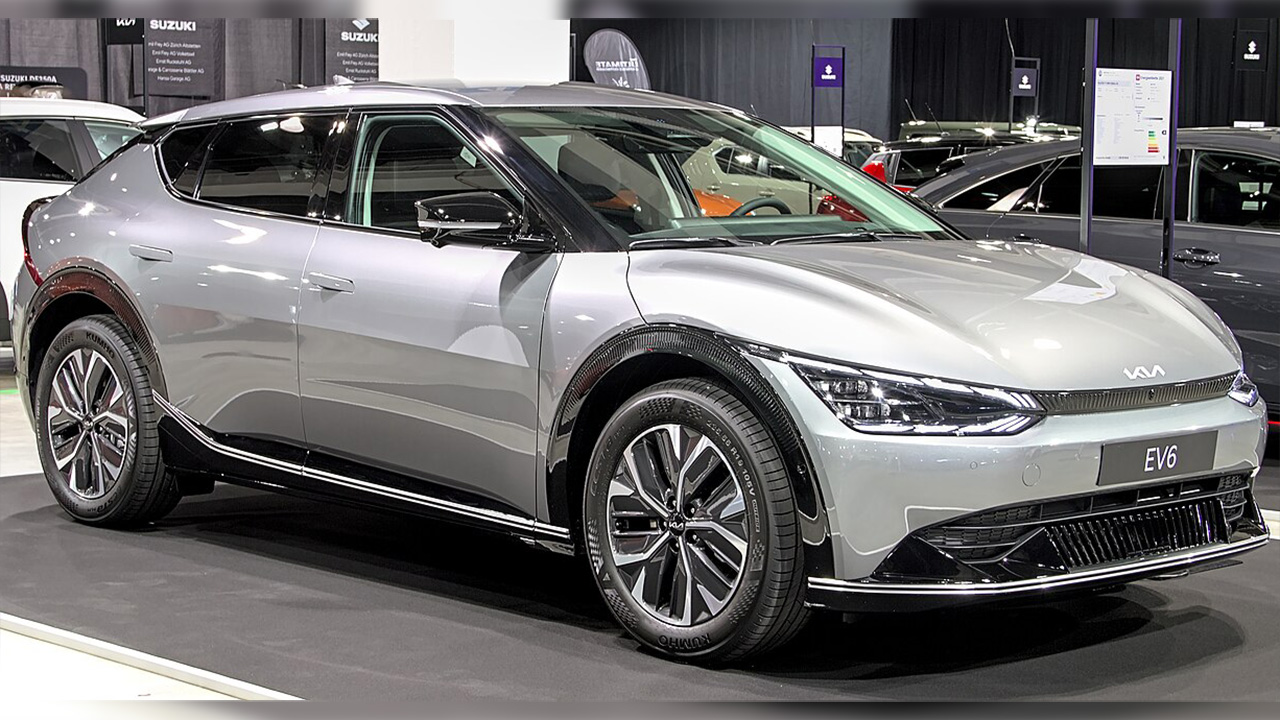
The Kia EV6 approaches electric performance from a different angle, with a low, wide stance that reads more like a sport wagon than an SUV. Sculpted side panels and a rising beltline manage airflow while giving the car a sense of motion even when parked. At the rear, the light bar doubles as a subtle spoiler, improving stability without resorting to oversized wings.
Inside, the curved dual display and slim dashboard free up knee room and create a panoramic view of key driving data. Kia’s choice of recycled and bio-based materials in seat fabrics and trim backs up the EV6’s sustainable positioning. The result is a cabin that feels premium without relying on traditional luxury cues, proving that material innovation can be as persuasive as horsepower figures.
Mahindra XUV700
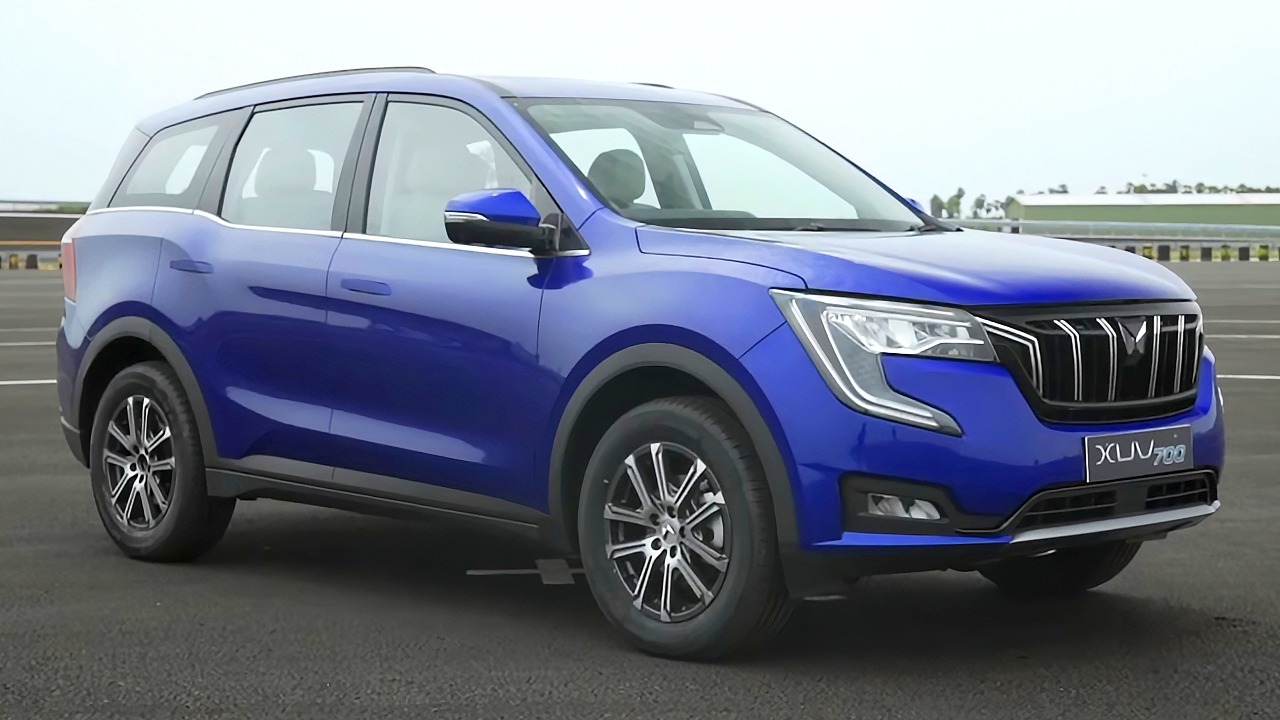
The Mahindra XUV700 illustrates how design can be used to leapfrog expectations in emerging markets. Its bold grille, pronounced wheel arches, and distinctive lighting signatures give it presence that competes with more expensive rivals. The real surprise, however, is the level of integration between design and engineering beneath the surface.
A visit to Mahindra’s own development hub, described as Mahindra’s Research Valley, highlights how the company uses simulation labs and test tracks to refine everything from crash structures to infotainment interfaces. The XUV700 benefits from that ecosystem through features like advanced driver assistance systems, dual 10.25 inch screens, and carefully tuned seating ergonomics, all packaged in a body that still has to meet demanding cost targets.
Volvo EX30
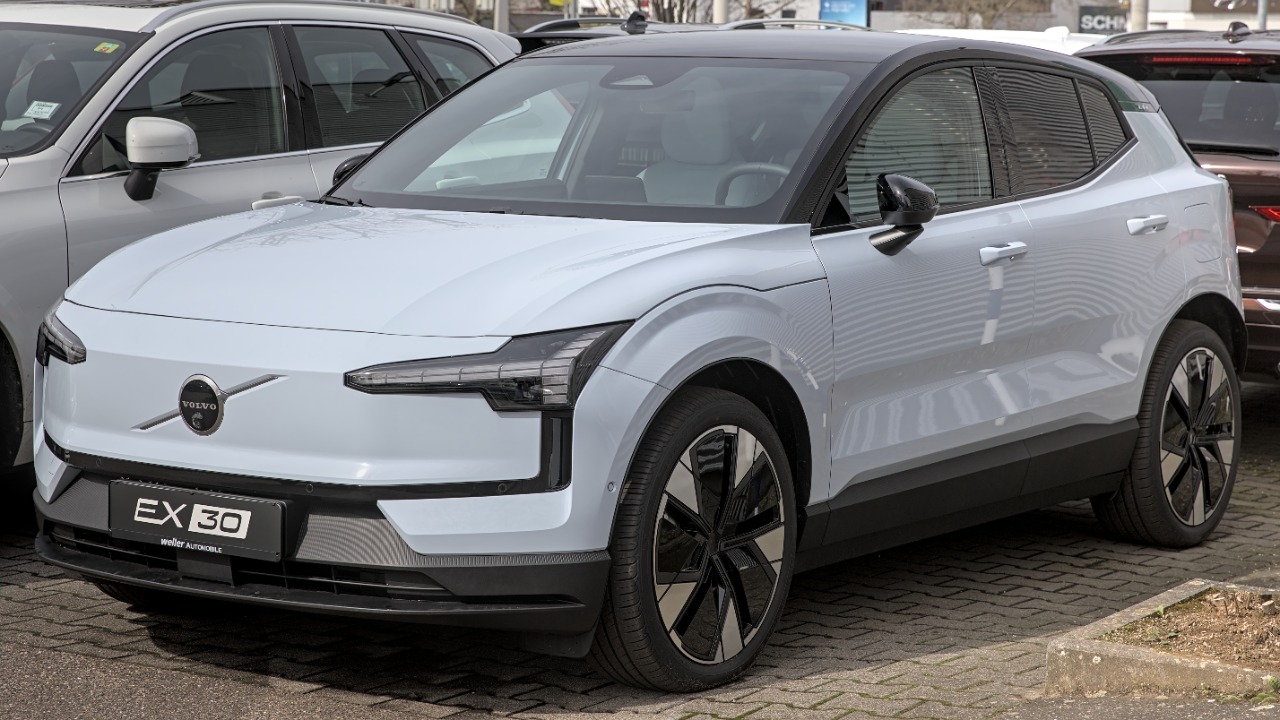
The Volvo EX30 shows how compact crossovers can be both minimalist and characterful. Short overhangs, a tall glasshouse, and signature Thor’s Hammer lighting compress the brand’s design language into a smaller footprint without losing identity. The upright stance also makes ingress and egress easier, a subtle ergonomic win for city drivers.
Volvo’s interior design focuses on reducing part count while increasing perceived quality. A central portrait screen handles most functions, which allowed designers to remove a traditional instrument cluster and redistribute materials budget into textured panels and high-quality fabrics. The use of recycled plastics and renewable fibers turns sustainability into a visible design story rather than a hidden spec-sheet line.
Mercedes-Benz EQS
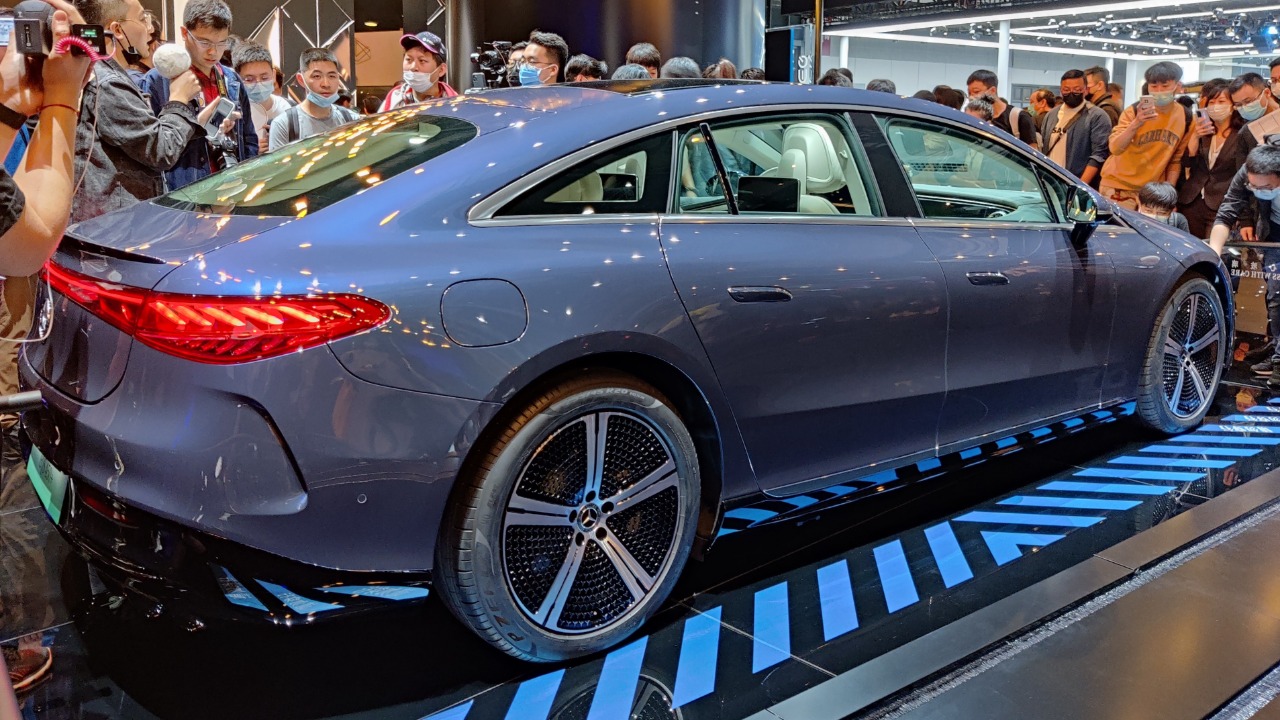
The Mercedes-Benz EQS takes a different route, using a cab-forward silhouette and smooth, teardrop profile to chase maximum aerodynamic efficiency. The so-called one-bow shape, combined with flush glazing and minimal body creases, helps the EQS achieve a very low drag coefficient, which directly supports its long-range capability.
Inside, the optional multi-screen dashboard creates a continuous glass surface that merges instrument cluster, central infotainment, and passenger display. While visually dramatic, the interface design relies on context-sensitive menus and haptic feedback to keep the driver focused. Ambient lighting strips trace the cabin lines, turning structural elements into visual guides at night and reinforcing the sense of a single, flowing interior volume.
Ford F-150 Lightning
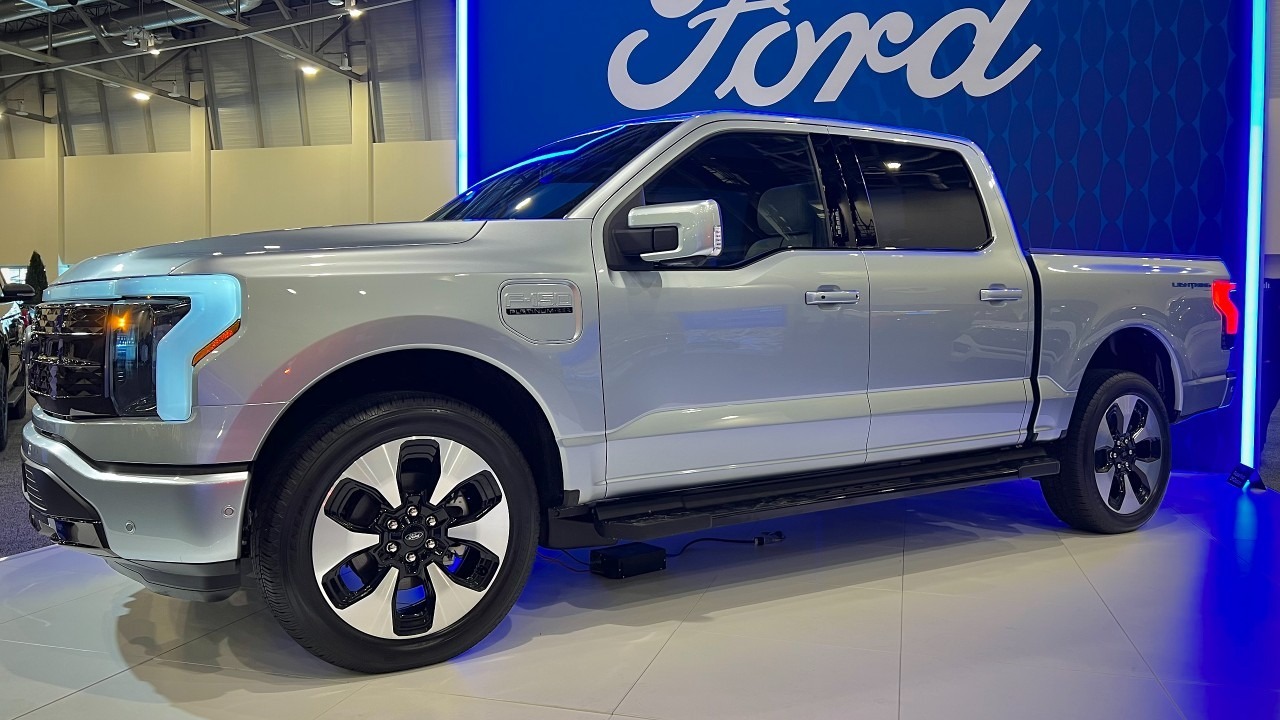
The Ford F-150 Lightning demonstrates how design can update a workhorse without alienating loyal buyers. From the outside, it looks like a familiar F-150, with squared-off proportions and a strong shoulder line. Subtle cues like the full-width front light bar and closed grille signal its electric nature, but the truck still fits comfortably into existing fleets and job sites.
The real design leap sits under the hood, where the absence of an engine creates a large front trunk. This lockable, weatherproof space is shaped with low lift-over height and integrated power outlets, turning it into a mobile tool locker or luggage bay. The cabin carries over the F-150’s practical layout yet adds a large central touchscreen and fold-flat work surface, showing how thoughtful packaging can make an electric truck more useful, not just cleaner.
BMW i4
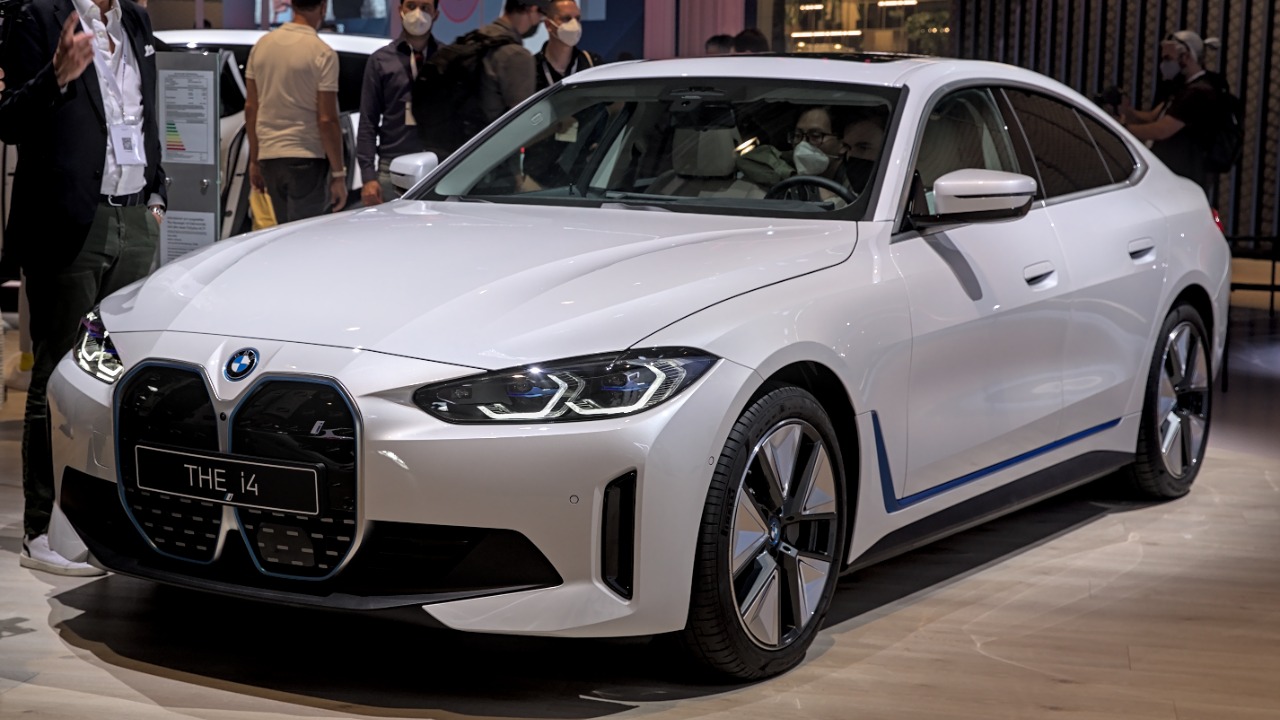
The BMW i4 applies the brand’s performance sedan formula to an electric platform. Its long hood and fastback roofline echo classic BMW coupes, while the closed kidney grille hides sensors and cooling ducts rather than a traditional radiator. This approach keeps brand recognition intact while adapting to the different thermal needs of an EV drivetrain.
Inside, the curved display and driver-oriented cockpit maintain the focus on engagement. The battery pack is integrated into the floor without raising the seating position too high, which preserves the low driving feel expected of a sports sedan. Suspension tuning and weight distribution benefit from the pack’s central placement, proving that electric packaging can enhance, rather than dilute, a performance-focused design brief.
Lucid Air
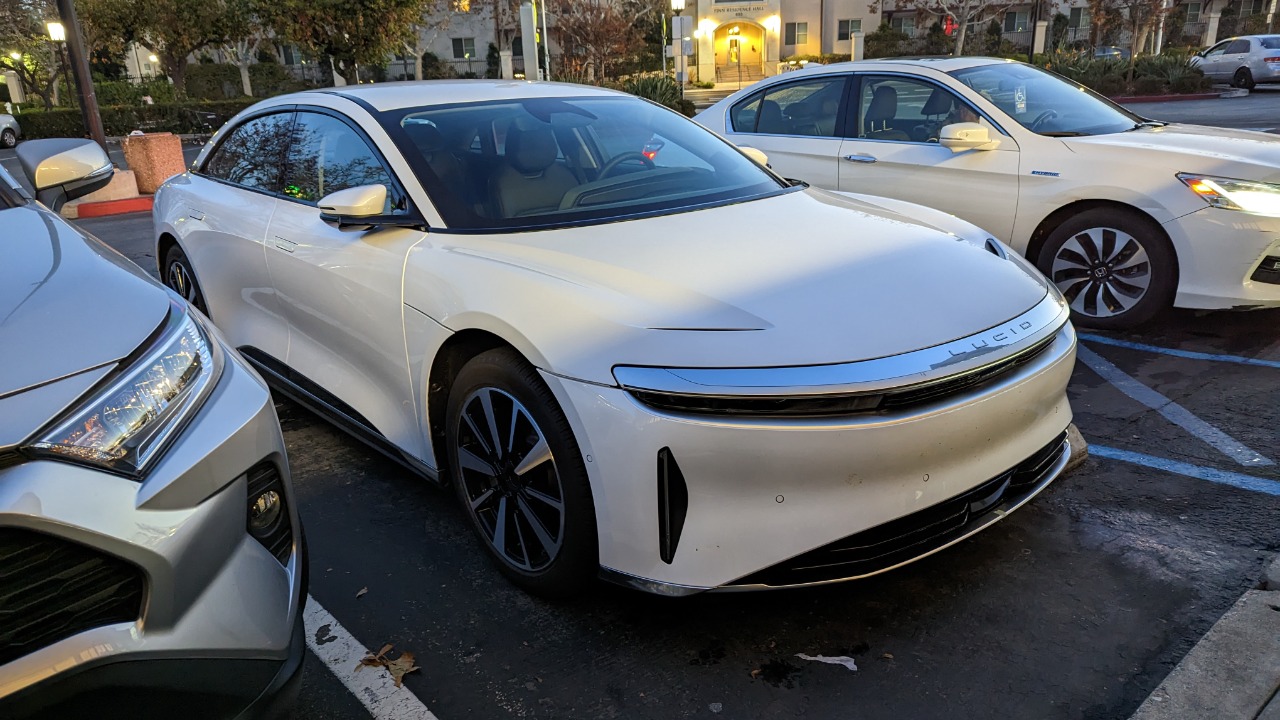
The Lucid Air is built around the idea that efficiency and luxury can share the same design moves. Its sleek body, long wheelbase, and short overhangs create a silhouette that looks almost like a stretched coupe. Extensive aerodynamic work, including an integrated rear diffuser and carefully contoured front fascia, helps the Air deliver very high range figures without resorting to an oversized battery.
The interior uses a mix of glass, fabric, and metal to create a bright, layered space. A large curved display handles primary functions, while a secondary screen retracts into the center console to free physical space when not needed. The design philosophy is similar to the way high-end audio gear, such as a well-reviewed gaming headset, balances technical performance with tactile quality. In the Lucid Air, that balance appears in details like switchgear feel, seat contouring, and the way ambient lighting traces structural lines, all of which help the car outperform expectations of a newcomer brand.
More From Fast Lane Only: