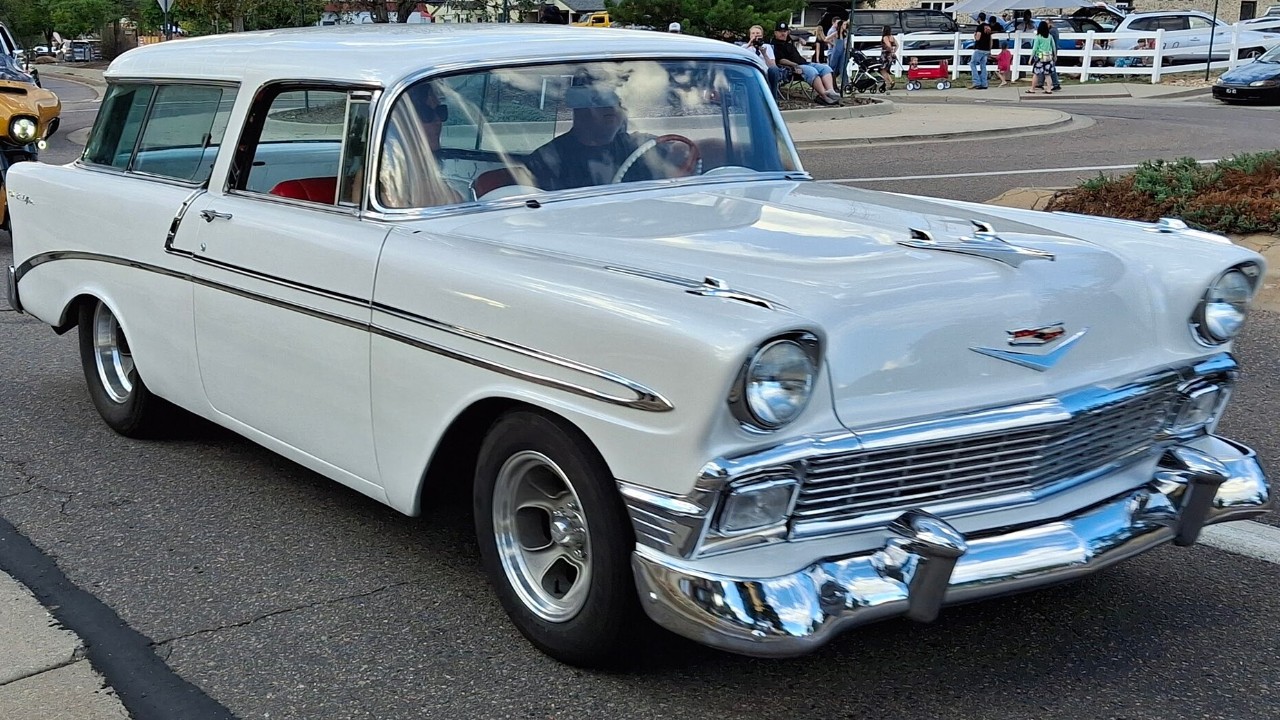
Chevrolet priced the V8 Bel Air Nomad at $2,571 in 1955, making it one of the most expensive Chevrolets of the year. That was a lot to ask for a two-door wagon. Yet the Nomad proved a family hauler could be glamorous, and wagon fans have chased that idea ever since.
Most station wagons never got that kind of attention. They carried groceries, dogs and kids, then quietly disappeared. A few, however, kept their style, their engineering or their charm long after the showroom lights went off.
These are our picks, 11 station wagons we think never lost their shine. The verdict is our opinion. Even so, the production figures, engines and dates behind each one come from maker records, period data and reference histories.
1. 1956 Chevrolet Bel Air Nomad
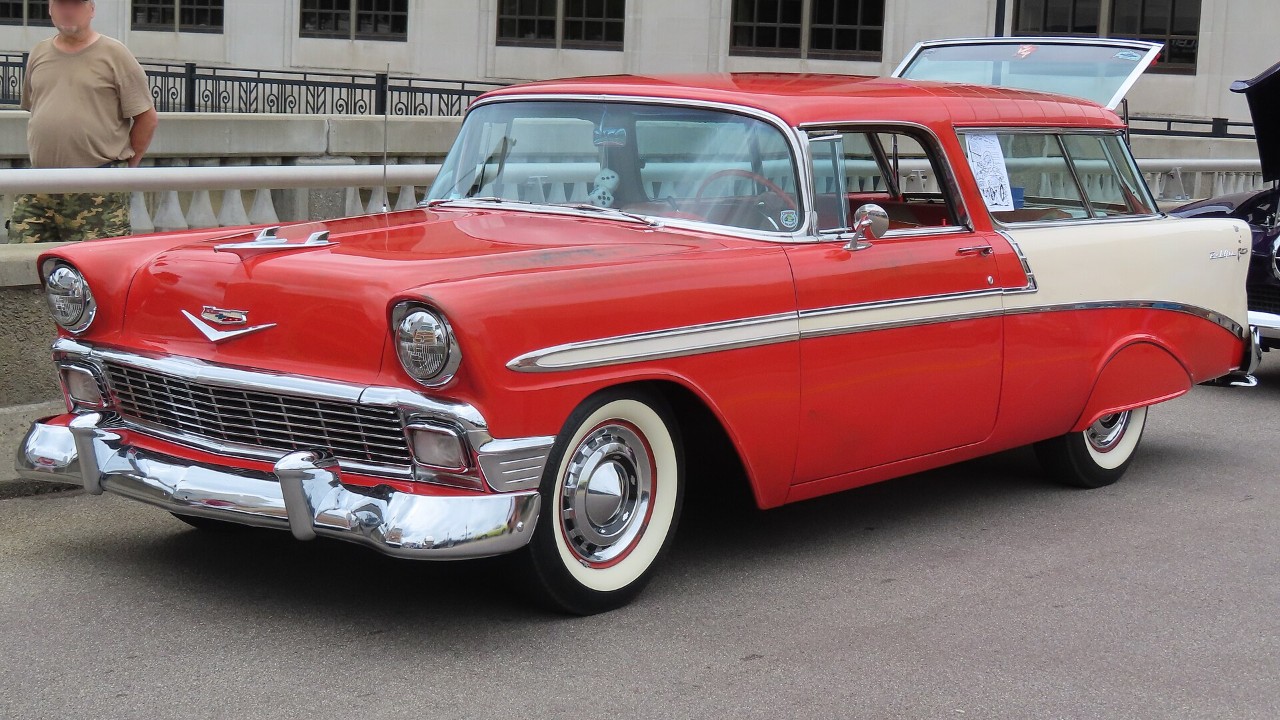
The Nomad started as a dream car. GM showed it at the Motorama at New York’s Waldorf Astoria on January 26, 1954. That first car was a fiberglass glider with no engine, and it wore Corvette styling at both ends on a 115-inch wheelbase.
The production Bel Air Nomad kept the idea alive with its own sheet metal. According to Mac’s Motor City Garage, it carried more chrome and stainless steel than any earlier Chevrolet production car. Even the headliner bows and tailgate rub rails were bright. Inside, buyers found pleated two-tone vinyl with waffle-pattern inserts, plus sliding rear side glass.
Sales never matched the glamour. Chevrolet built 8,386 Nomads for 1955, then 7,886 for 1956 and 6,103 for 1957. As a result, the model line ended after 1957. We looked at its wider story in why the classic Chevy Nomad was more than a wagon.
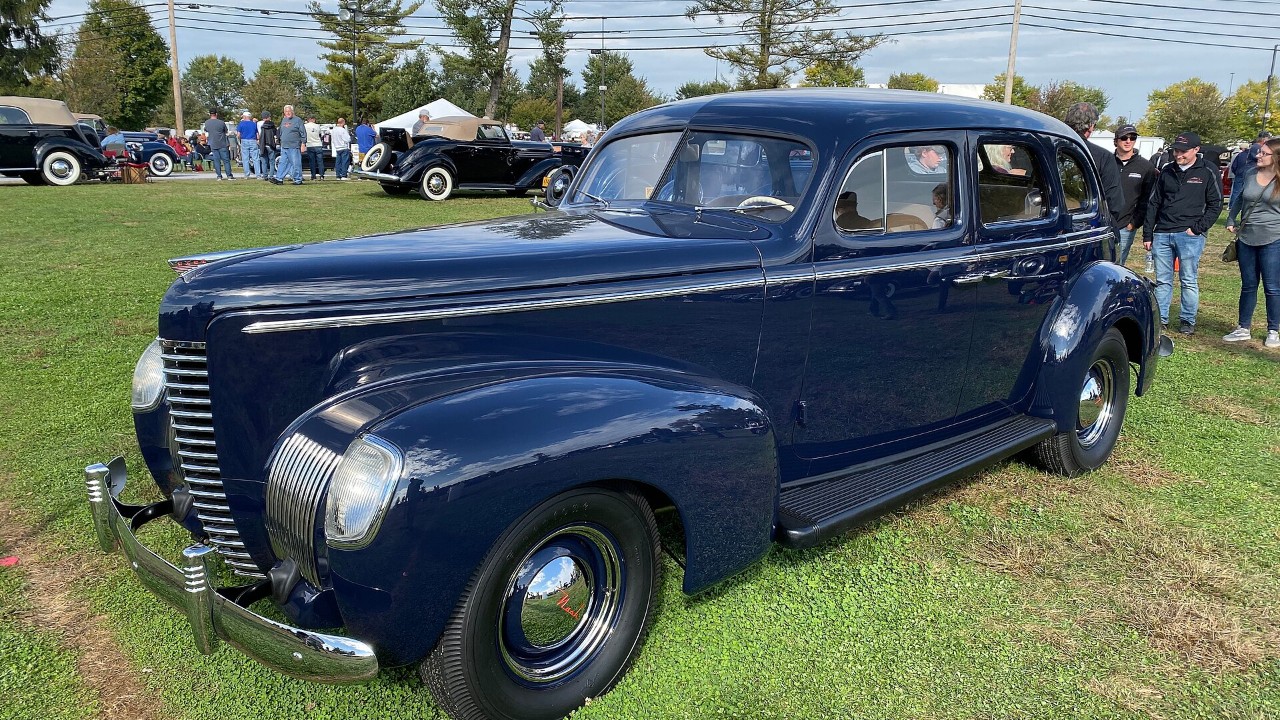
Our take: the 1956 Bel Air Nomad is the wagon that made wagons cool. Few cars of any shape wear their chrome so well.
2. 1971 Volvo 145 de Luxe
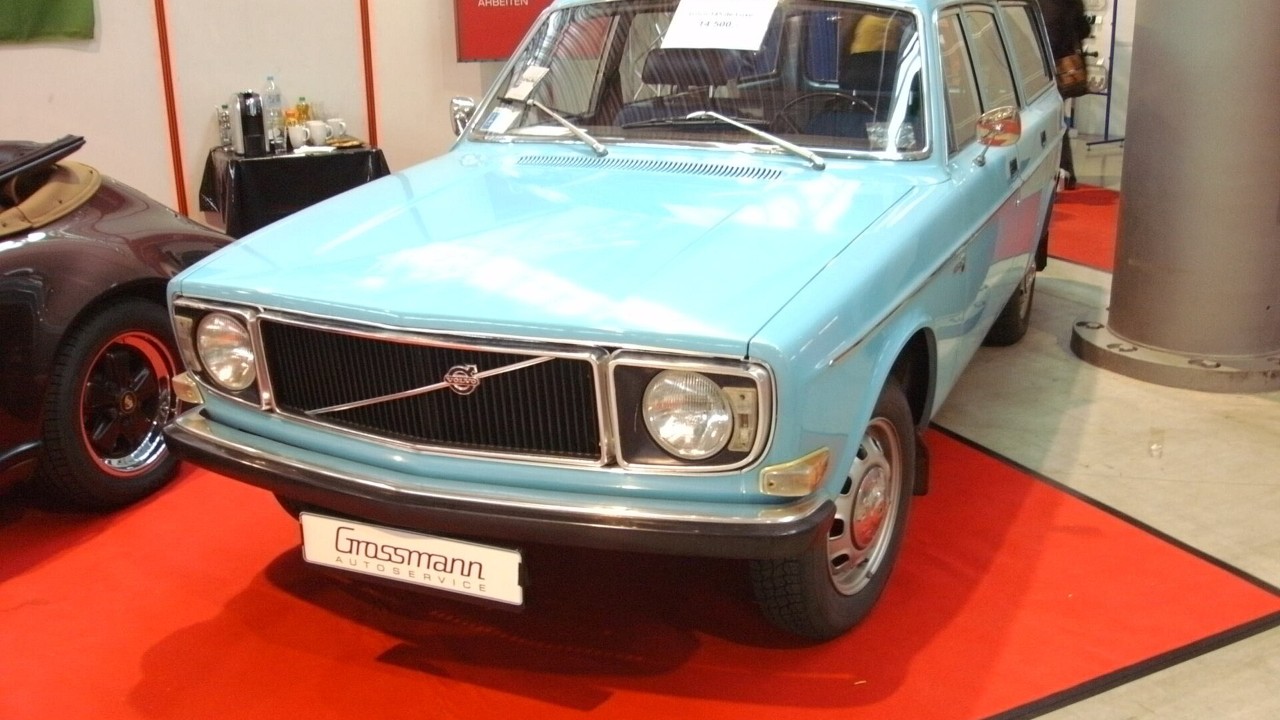
Volvo presented the 145 at the end of November 1967 as the third body in its 140 Series. It was a five-door estate with an almost vertical tailgate. That squared-off rear became a Volvo trademark for decades.
According to Volvo’s own model history, the 145 held more than two cubic meters of cargo on a completely flat floor. Engines were overhead-valve fours of 1,778 cc and 1,986 cc in several states of tune. Meanwhile, every 145 stopped on hydraulic disc brakes at all four wheels.
Volvo built 268,317 of them through 1974. For 1970, it also replaced the rearmost side window with a longer one-piece window behind the rear doors. That makes the 1971 car a later, cleaner-looking example of the design.
In our view, the 145 is the wagon that taught buyers to trust a box. It is honest, roomy and tough, and those qualities never go out of style.
3. 2001 Saab 9-5 Aero wagon
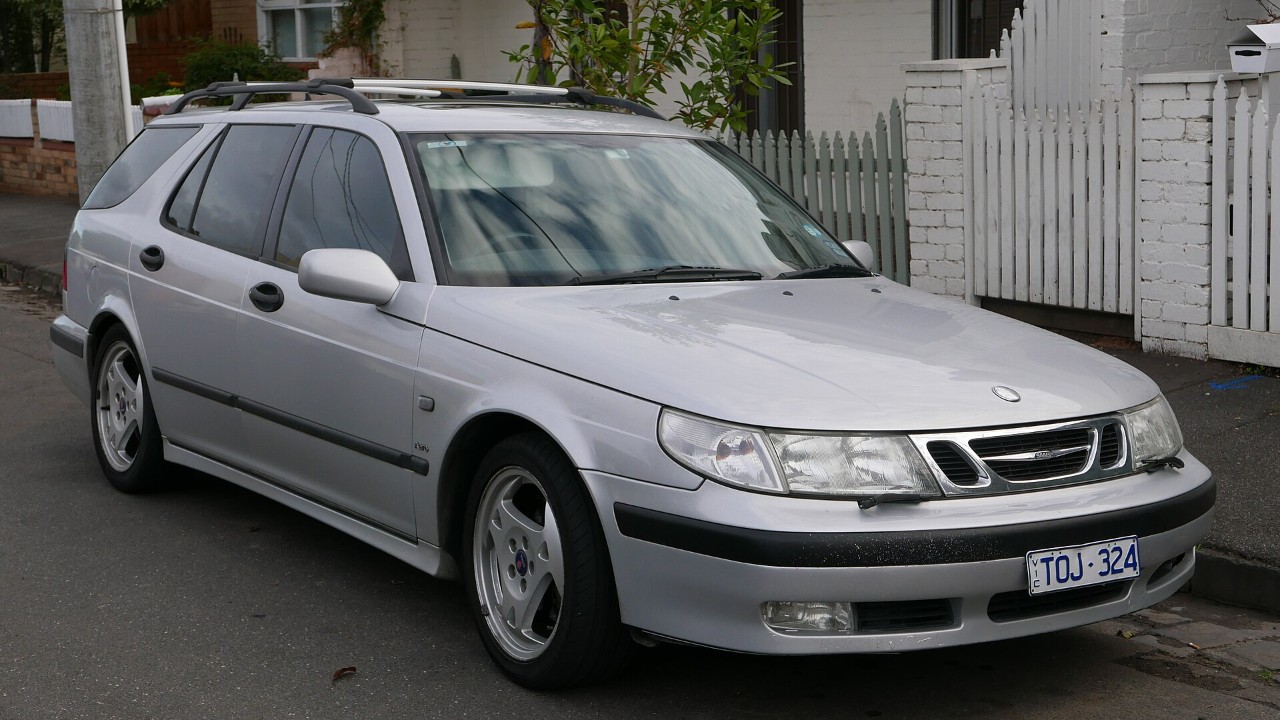
Saab introduced the 9-5 wagon in 1999, and it kept building it until February 1, 2010. The Aero version arrived soon after with a 2.3-liter turbocharged four. Early cars carried a 230 PS rating with 370 Nm of torque at just 1,900 rpm.
Saab later admitted that 230 PS figure was conservative. In fact, it said manual cars made 250 PS. Either way, the Aero hit 100 km/h in 6.9 seconds, which is quick for a family wagon of its time.
The 9-5 also brought clever details. It was the first production vehicle to offer ventilated seats, although only a few cars had them. In the back, floor tracks held cargo in place, and a sliding load floor made loading easier. Saab built 231,357 wagons out of 483,593 first-generation 9-5s.
Our take: the 9-5 Aero wagon is a sleeper with a ski rack. It has the torque to embarrass sports sedans and the room to haul everything to the cabin.
4. Peugeot 504 Break
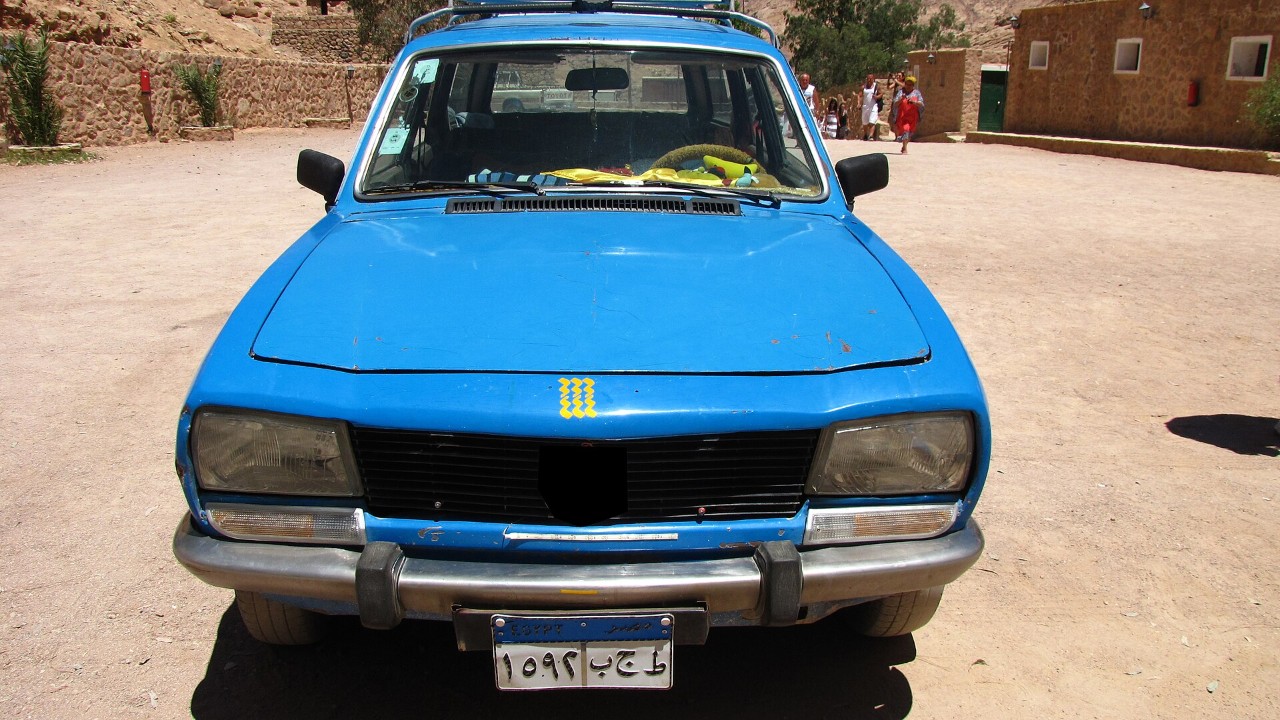
Peugeot presented the 504 Break and Familiale wagons in September 1970, but they didn’t go on sale until April 1971. The Familiale squeezed in seven seats across three forward-facing rows. The Break kept a simpler layout for cargo.
Underneath, the wagon was tougher than the sedan. Instead of the saloon’s independent rear suspension, it used a solid rear axle on four coil springs. Its wheelbase stretched to 2,900 mm, while the body ran 4,800 mm long.
That durability gave the 504 an astonishing life. Peugeot built more than three million 504 passenger cars in Europe. Then Nigeria assembled 425,000 from kits, with production running into 2006, and Kenya kept building them until 2004. Our earlier look at the 1968 Peugeot 504 covers the sedan that started it all.
In our view, the 504 Break is the world’s workhorse wagon. Few cars have earned respect on so many continents.
5. Studebaker Lark wagon
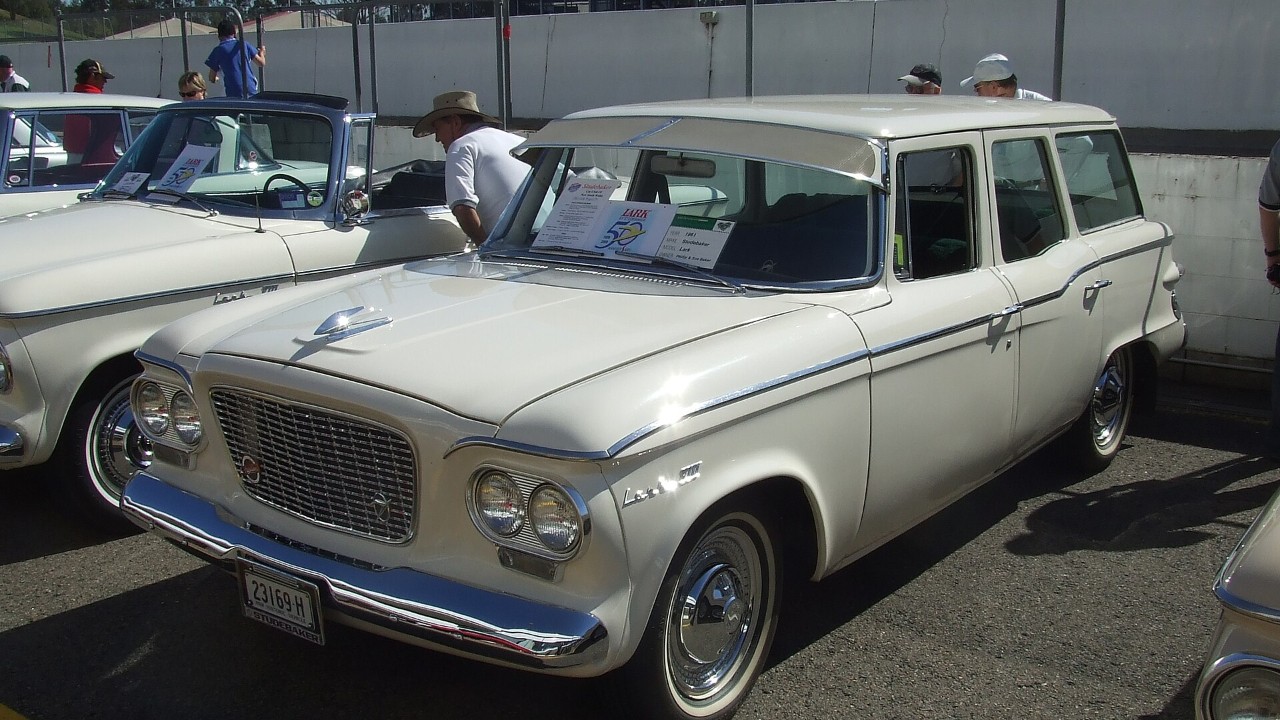
Studebaker launched the compact Lark for 1959, and a two-door wagon came with it. A four-door wagon followed for 1960. Buyers could pick a 170-cubic-inch six or a 259-cubic-inch V8.
The wagons rode on a longer 113-inch wheelbase than the two-door sedans. Later, in 1963, Brooks Stevens gave the line its most famous trick. His Wagonaire had a sliding rear roof section, so owners could carry tall loads standing upright. Studebaker offered it from 1963 to 1966.
The company was running out of time, though. Studebaker announced the closure of its South Bend plant on December 9, 1963. Production then moved to Hamilton, Ontario, where the last Studebaker car came off the line on March 16, 1966. For the Lark’s early days, see why the 1959 Studebaker Lark arrived just in time.
Our take: the Lark wagon is a small, smart car from a company that deserved better. Its clever packaging still feels fresh.
6. Volvo 740 Turbo Intercooler wagon
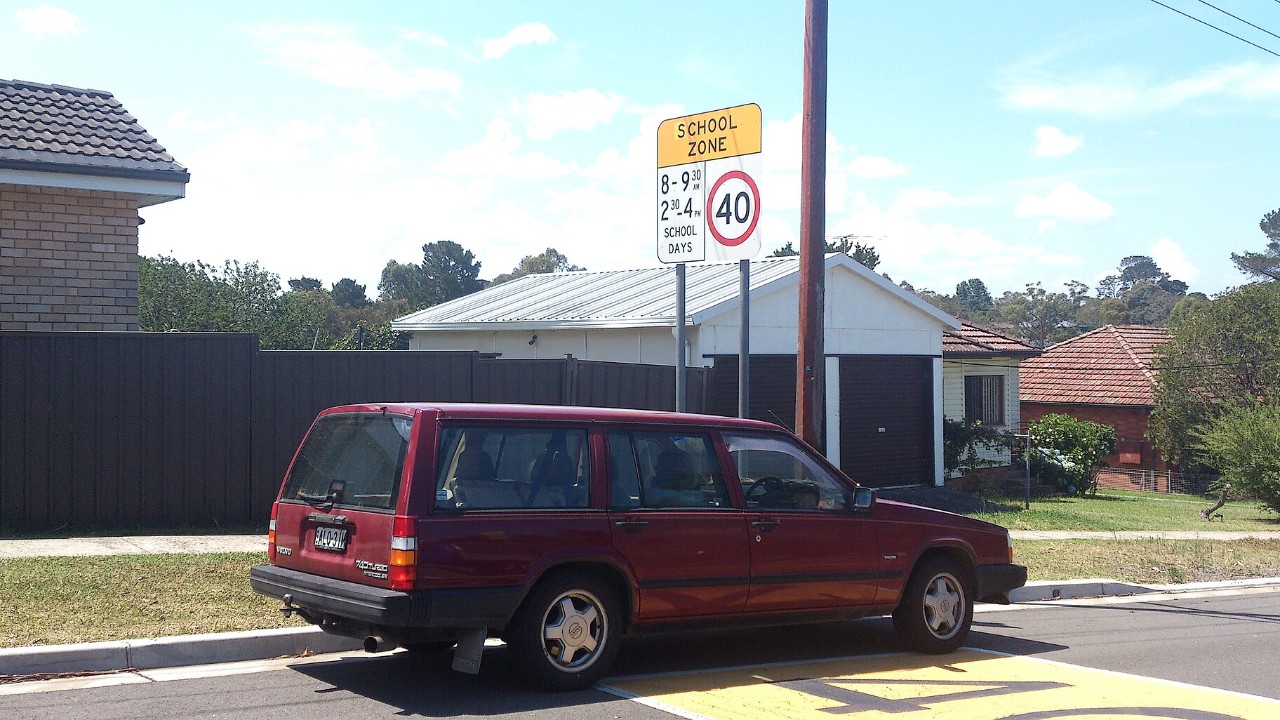
Jan Wilsgaard, head of Volvo’s design team, shaped the 700 series. The 740 wagon premiered at the 1985 Toronto and Chicago auto shows. Then Volvo introduced it worldwide for the 1986 model year.
On paper, it looked like another sensible Swedish box. However, the turbo version used the B230FT engine, rated at 160 PS. Later cars from 1990 to 1992 made 162 PS. That was serious power for a big family wagon in the late 1980s.
The 740 Turbo also had the right shape for real life. Its tall tailgate and square cargo bay made it practical at the same time. Meanwhile, the turbo gave it enough pace to surprise anyone who judged it by the rack on the roof.
In our view, the 740 Turbo Intercooler wagon is the original Volvo sleeper. It looks like it delivers furniture, then pulls hard up a highway on-ramp.
7. 1971 Plymouth Fury Custom Suburban
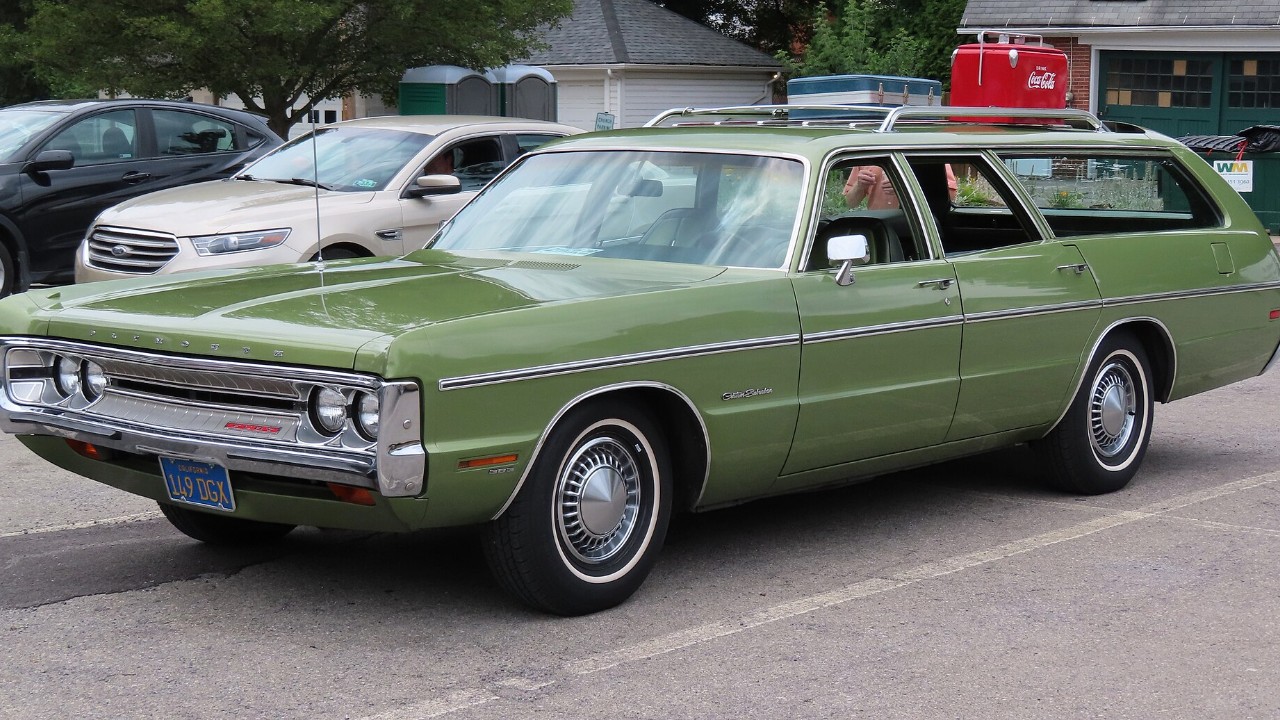
Plymouth’s full-size cars took on Chrysler’s round-sided “Fuselage Look” for 1970. The wagons, sold as Suburbans, wore the same smooth sides. In 1971, Plymouth offered them across several trim levels, from Fury II and III up to the Sport Fury-based Sport Suburban.
The Fury Custom name arrived in May 1971, slotted between the Fury I and II. That same year, Chrysler introduced the 360-cubic-inch V8, the largest production small-block it ever built. Midway through 1971, Plymouth also dropped the six-cylinder, so every full-size Plymouth carried a V8.
Many of these wagons worked hard and vanished. When one does surface, the long, clean body still looks like a jet airliner parked in a driveway. A rust-free survivor turns heads at any cruise night.
Our take: the Custom Suburban is the stylish choice among early-1970s wagons. It mixes fuselage curves with V8 muscle, and we’d happily drive one across the country.
8. 1960 Ford Ranch Wagon
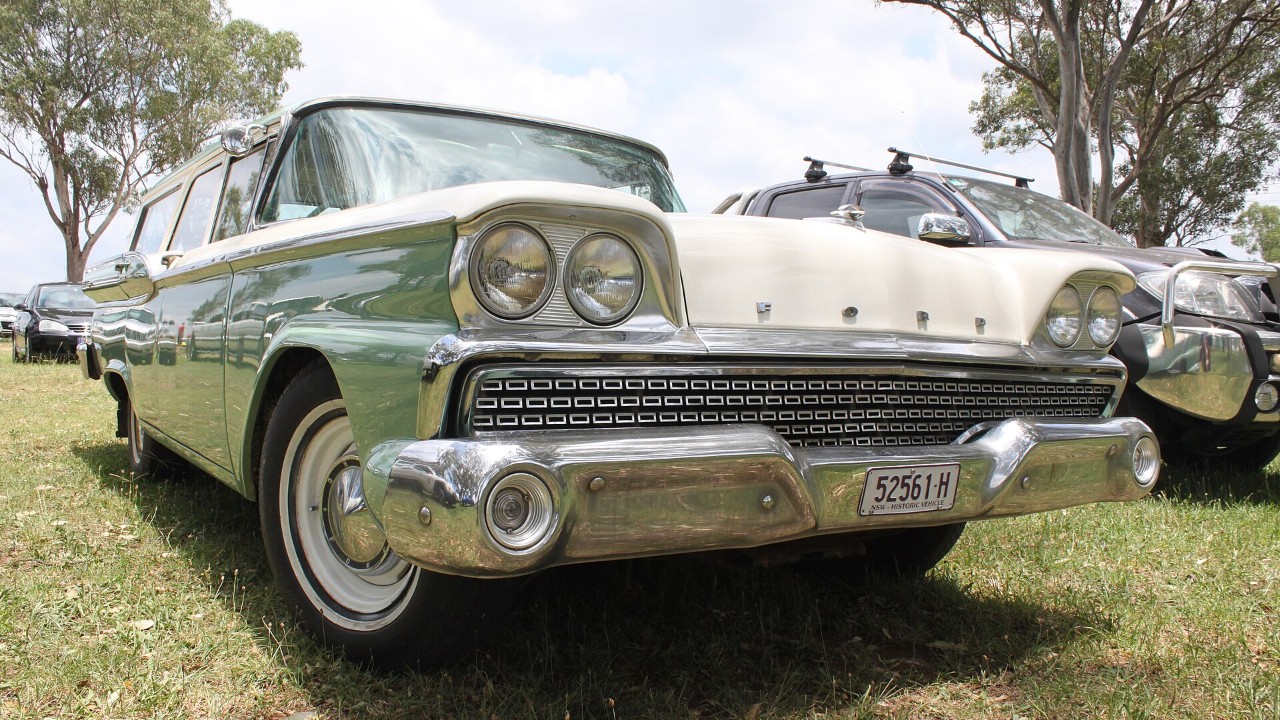
Ford introduced the Ranch Wagon in 1952 as a two-door in its economy Mainline series. That year’s wagons were the first all-steel wagons in Ford’s history. By 1960, the Ranch Wagon came in two-door and four-door forms.
Ford redesigned its big cars from the ground up for 1960. According to Over-Drive Magazine’s 1960 fact sheet, the new body rode on a 119-inch wheelbase and stretched 213.7 inches long. It also grew to 81.5 inches wide, and its half-moon taillights appeared for 1960 only. Engines ranged from a 145 hp six to a 300 hp 352 V8.
Ford built 43,872 four-door Ranch Wagons for 1960, plus 27,136 two-door versions. The one-year styling makes these cars easy to spot today. Its long, low lines also make the wagon look sleeker than its humble trim level suggests.
In our view, the 1960 Ranch Wagon is the best-looking budget wagon of its era. It proves an entry-level car can still have real style.
9. Subaru Legacy Touring Wagon GT-B Limited
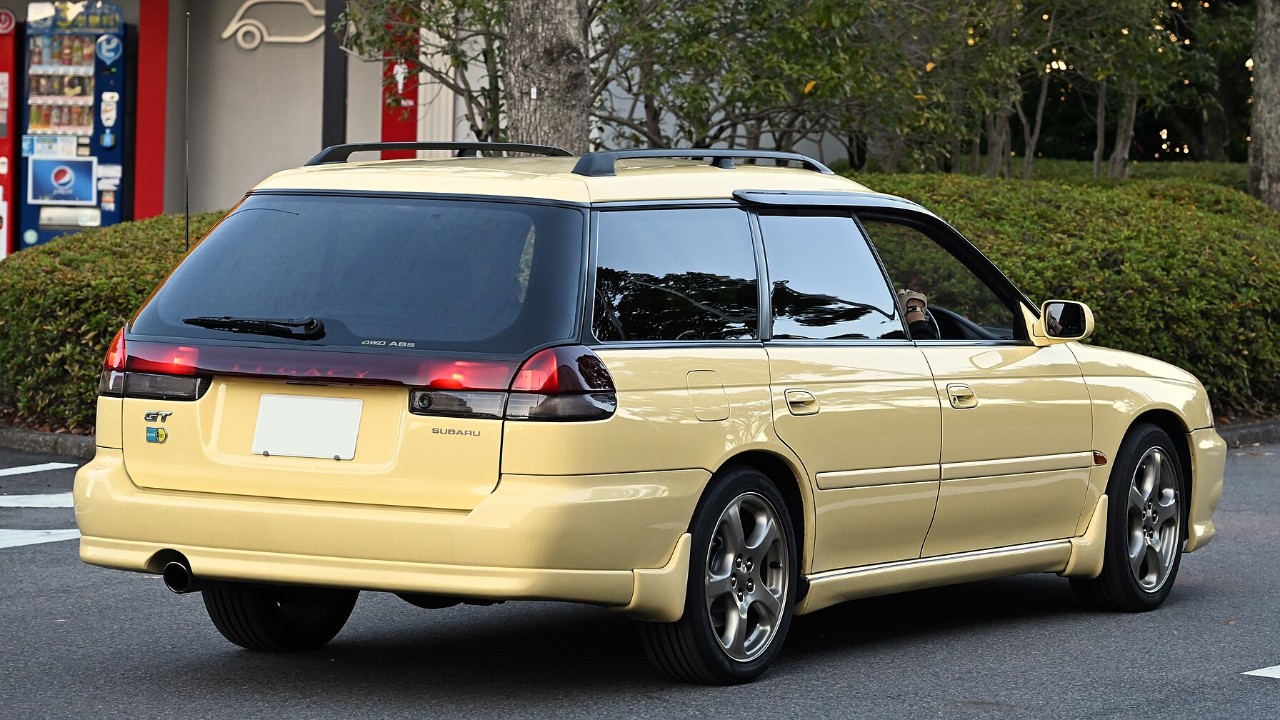
Subaru gave Japanese buyers a fast wagon in June 1996, when the Legacy Touring Wagon GT-B arrived. It used Bilstein struts front and rear, larger brakes, thicker sway bars and bigger wheels. Olivier Boulay had penned the second-generation Legacy body in 1991.
Manual GT-Bs carried the EJ20R twin-turbo flat-four. It made the GT-B the first Legacy to offer 206 kW, about 276 hp. Automatic cars used a less powerful version. Even so, the twin-turbo engine sold well in Japan, partly because of its lower tax liability.
The GT-B Limited came only for the 1997 model year. It added 7-inch spotlights beside the standard fog lights. Inside, it got a woodgrain MOMO steering wheel and gear knob that no other version offered, while its mechanicals matched the regular GT-B.
Our take: the GT-B Limited is a rally-bred family car with a touch of luxury. It still looks purposeful parked anywhere.
10. 1995 Chevrolet Caprice Classic Estate
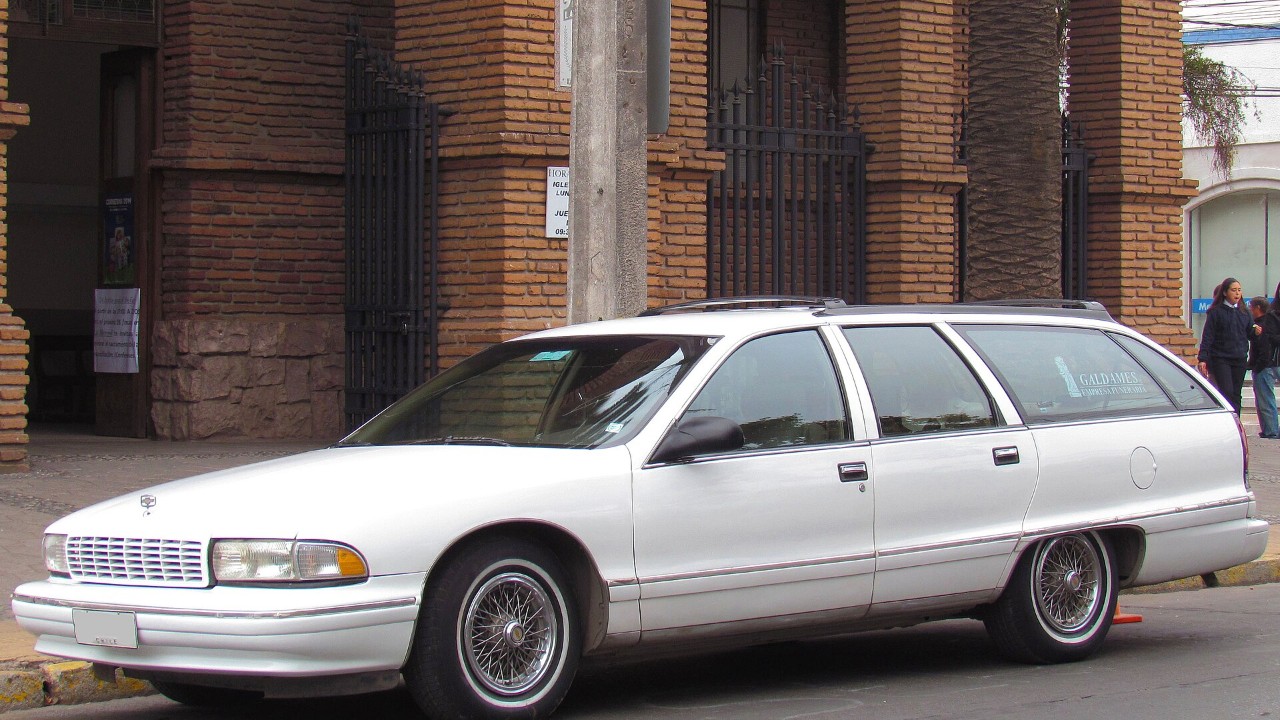
Chevrolet built the fourth-generation Caprice wagon from 1991 to 1996. It stretched 217.3 inches long. For 1994, it gained the 5.7-liter LT1 V8 with 260 hp and dual exhaust, and that engine became standard on all wagons.
With 260 hp on tap, the big wagon had real pace once it got rolling. Still, sales fell fast during the run.
Chevrolet built 15,000 wagons in 1991, but only 5,030 for 1995 and just 485 for 1996. In total, the run reached 52,241 cars. Production of the whole line ended on December 13, 1996.
Our take: the Caprice Classic Estate is one of the great American V8 land yacht wagons. Find a clean LT1 car, and you’ll own a rolling piece of the 1990s.
11. 1979 Ford LTD Country Squire
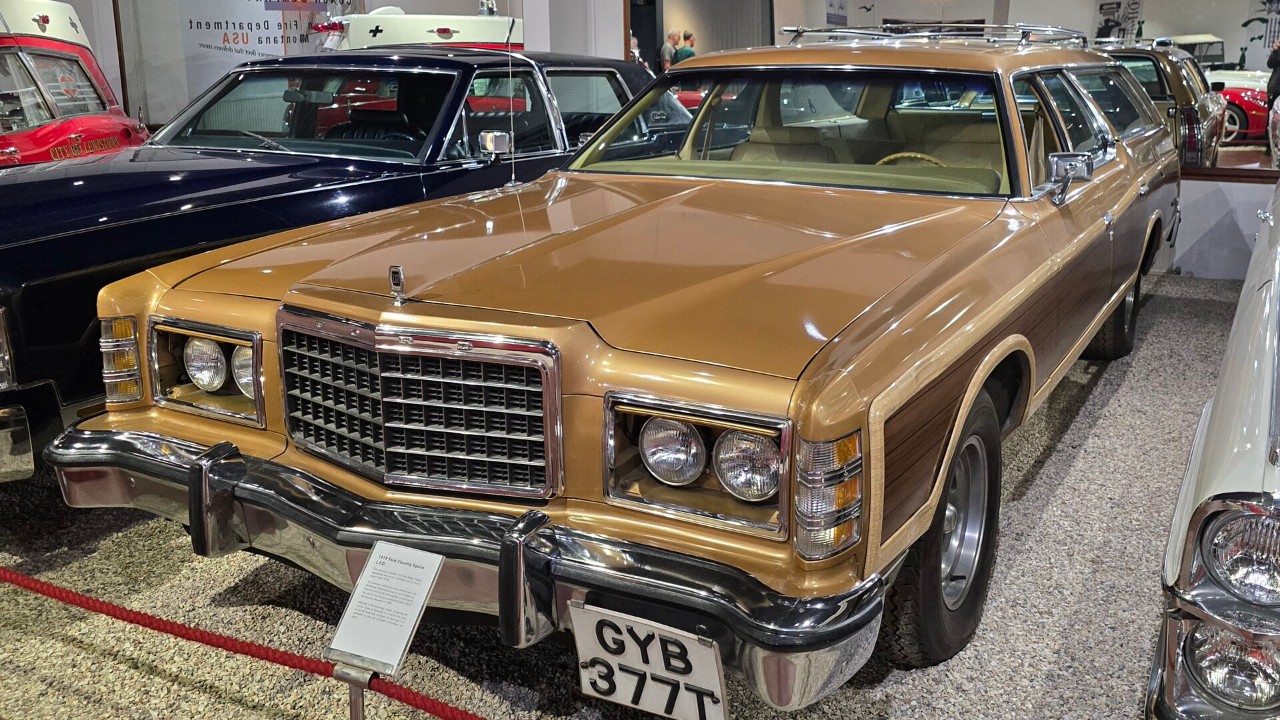
The Country Squire was Ford’s top station wagon for more than four decades. It ran through eight generations from 1950 to 1991, always defined by woodgrain trim. The 1979 redesign brought the biggest change of all.
That year, Ford made the LTD Country Squire 11 inches shorter and nearly 1,000 pounds lighter than the 1978 car. It still seated eight, with only a small loss of cargo room. Engines changed from the 400 and 460 V8s to 302 and 351 Windsor V8s.
Buyers could also order opposing side-facing rear seats that folded into the cargo floor. For long trips, Ford even offered a folding table with a magnetic checkers set. Ford sold 29,932 woodgrain LTD Country Squires in 1979.
In our view, the 1979 Country Squire is the family road-trip car at its most charming. The Country Squire ended with the 1991 model year, and the 1992 Crown Victoria arrived as a sedan only.
More from Fast Lane Only