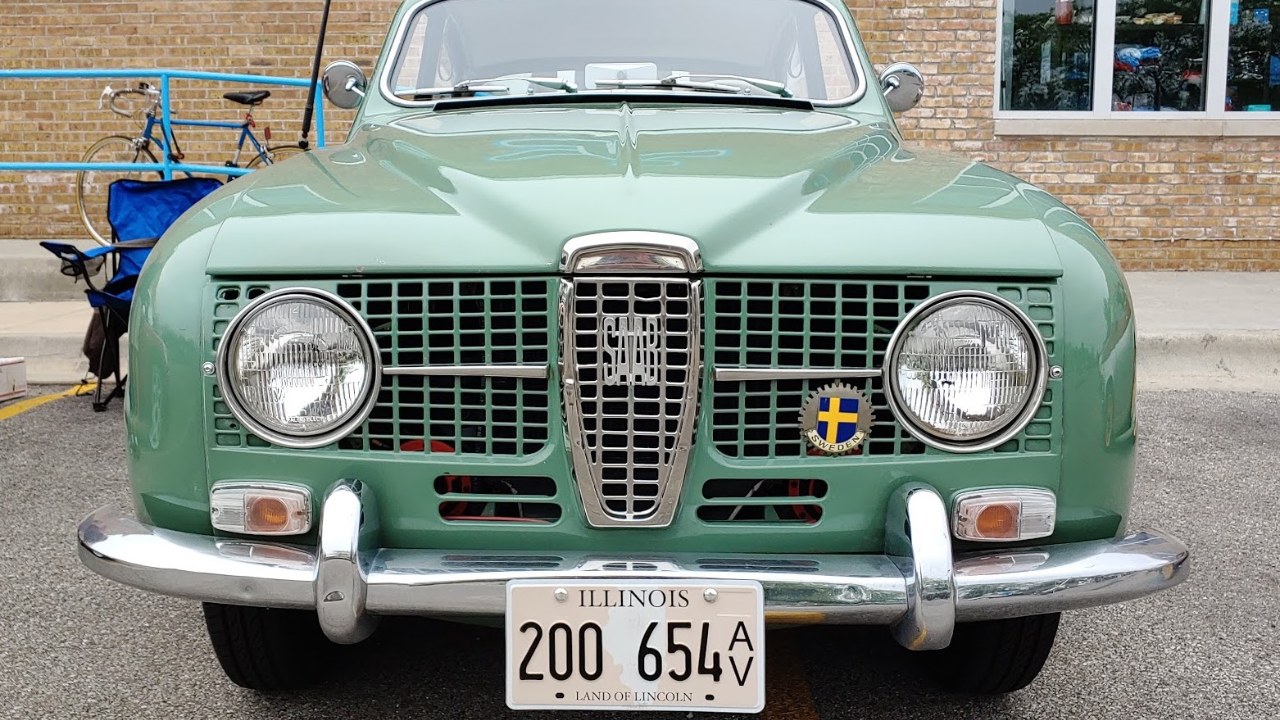
The 1950s marked a transformative decade in automotive history, characterized by innovation, style, and the exuberance of post-war America. As families embraced car culture, several vehicles emerged as icons, shaping the era’s identity and influencing future designs. From affordable models to luxurious cruisers, these cars not only catered to the diverse needs of consumers but also reflected the optimism of the time.
Ford Model T (1908)
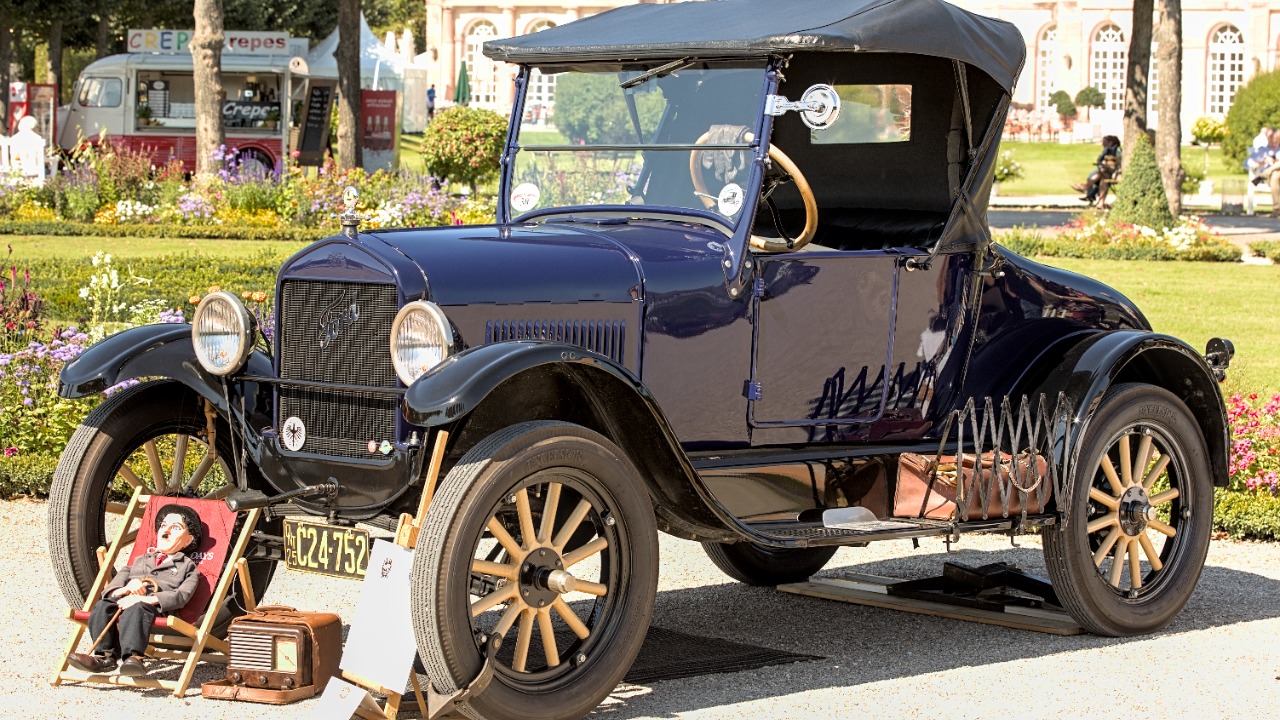
The Ford Model T, introduced in 1908, revolutionized the automotive industry and set the stage for the booms of the 1950s. Its affordability, thanks to Henry Ford’s assembly line production, made it accessible to the average American. The Model T’s simple design and reliability encouraged widespread car ownership, drastically changing the way people lived and traveled. By the time the 1950s rolled around, the Model T had already paved the way for a culture that valued personal mobility.
Even though the Model T was discontinued in 1927, its impact lingered. It inspired a generation of carmakers to innovate and compete, as seen in the rise of brands like Chevrolet and Dodge. The Ford Model T shaped not only the automotive landscape but also American society, fostering suburbanization and a newfound sense of freedom. For more on its lasting impact, check out this resource.
Chevrolet Bel Air (1950)
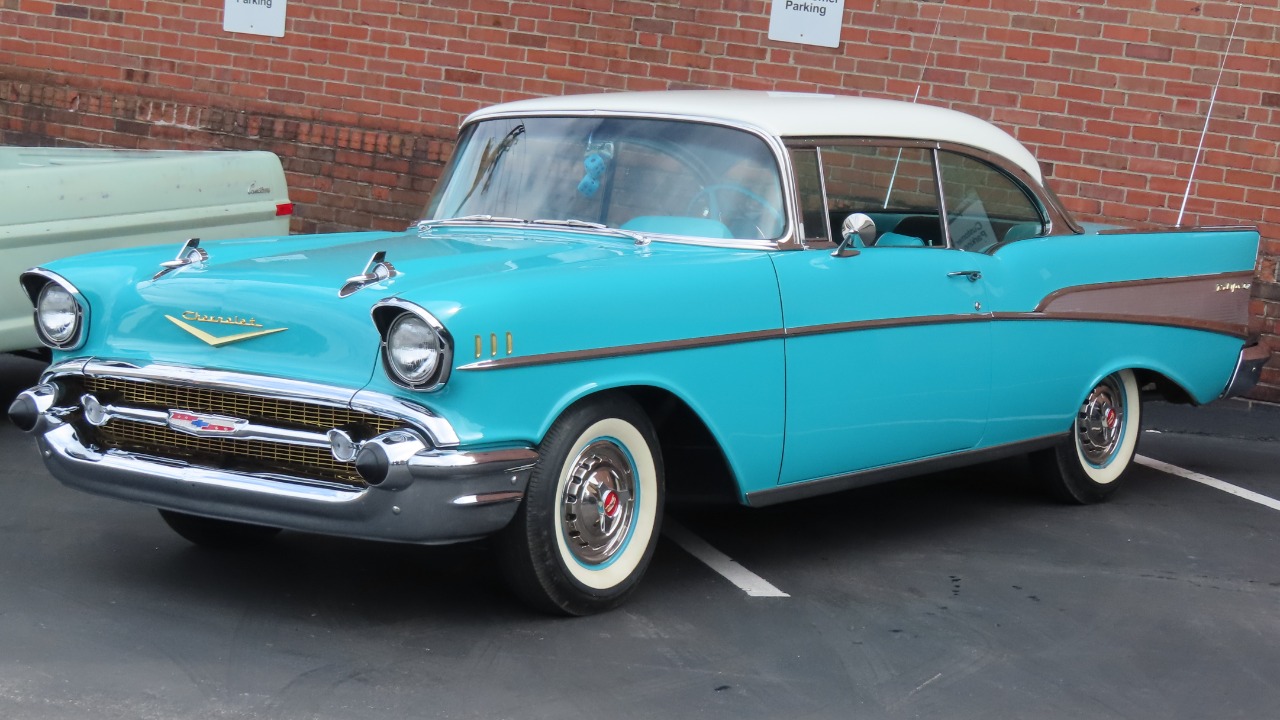
The Chevrolet Bel Air, launched in 1950, became synonymous with 1950s Americana. Its stylish design and range of vibrant color options captured the spirit of the era, appealing to families and young couples alike. The Bel Air was not just a car; it was a lifestyle statement, representing prosperity and the American dream. With features like a spacious interior and a smooth ride, it quickly became a favorite among consumers.
Over its production span, the Bel Air underwent several design changes, but it consistently embodied the classic aesthetics of the decade. The 1957 model, in particular, is often regarded as a pinnacle of automotive design, featuring tailfins and a chrome-laden exterior. The Bel Air played a significant role in establishing the Chevrolet brand as a leader in the automotive market, making it a classic recognized by enthusiasts. To delve deeper into its legacy, explore this article.
Volkswagen Beetle (1938)
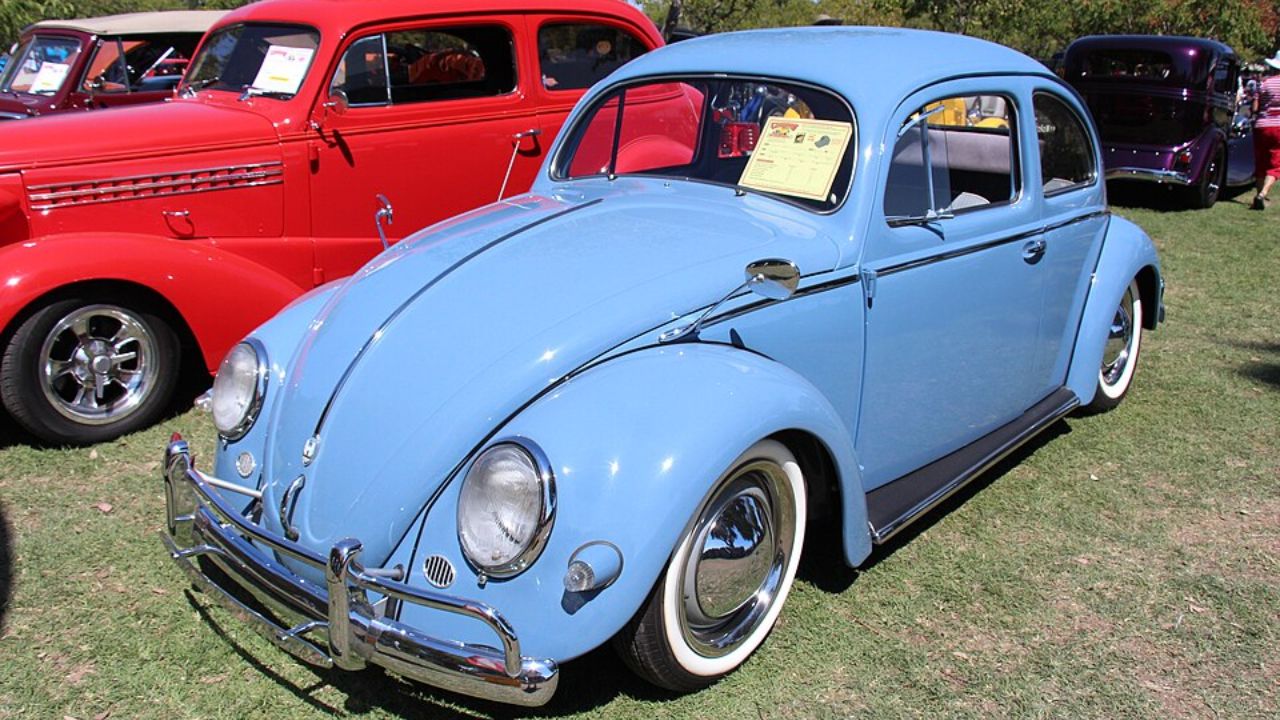
Though introduced in 1938, the Volkswagen Beetle gained immense popularity in the post-war 1950s. Its unique design and compact size made it an affordable and efficient choice for many Americans. The Beetle represented a shift in automotive preferences, emphasizing practicality over extravagance. Its low production costs and durability made it an attractive option for families looking for reliable transportation.
The Beetle’s quirky charm and efficient engineering allowed it to carve out a niche in the American market, often becoming a symbol of counterculture. It was not uncommon to see Beetles on college campuses as students embraced its affordability and distinctive style. The car’s global reach and lasting legacy continue to captivate enthusiasts, proving that sometimes, the most unconventional designs make the biggest impact.
Cadillac Eldorado (1953)
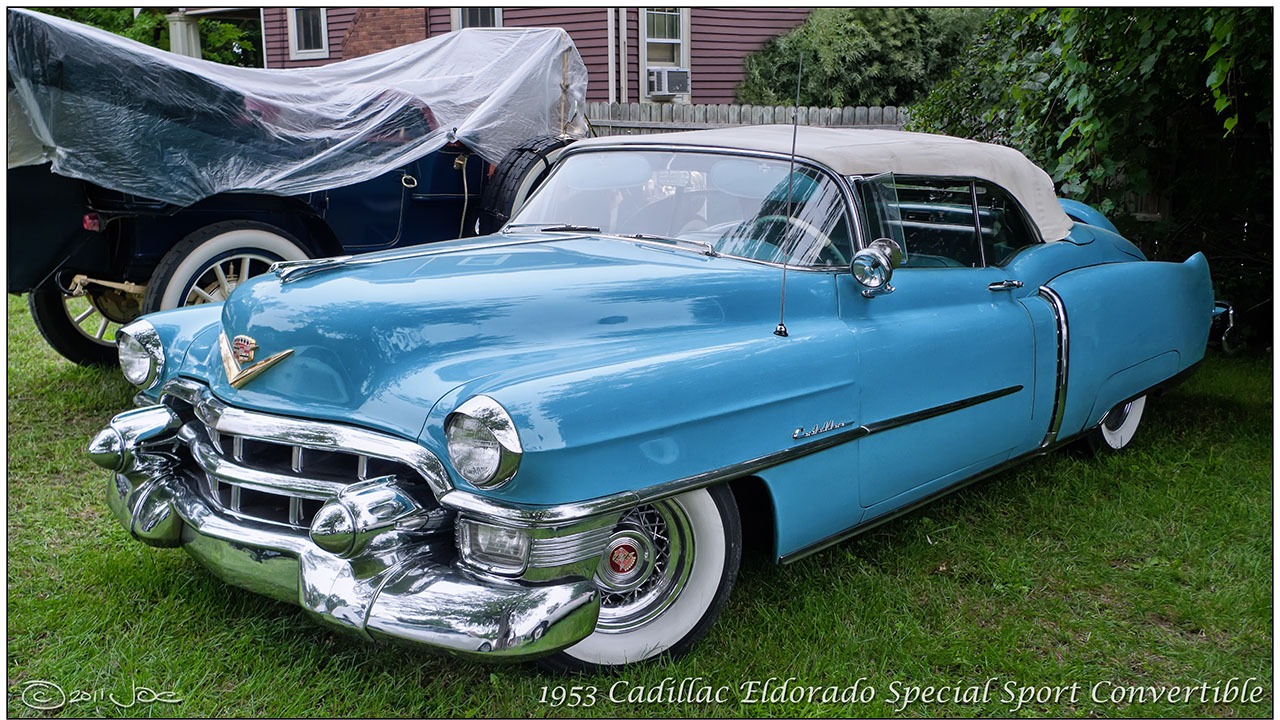
The Cadillac Eldorado, launched in 1953, epitomized luxury and sophistication in the 1950s. With its sleek lines, powerful engine options, and exquisite interior, it became the ultimate status symbol for affluent Americans. The Eldorado showcased Cadillac’s commitment to innovation, featuring advancements such as power windows and air conditioning, which were revolutionary at the time. Its bold design was complemented by chrome accents and tailfins, making it a standout on the road.
Cadillac marketed the Eldorado as a high-performance vehicle, appealing to those who valued both style and substance. It represented a new era of automotive luxury that catered to the desires of a growing middle class. The Eldorado’s influence can still be seen in modern luxury vehicles, underscoring its importance in automotive history. For a closer look at its design and features, check out this resource.
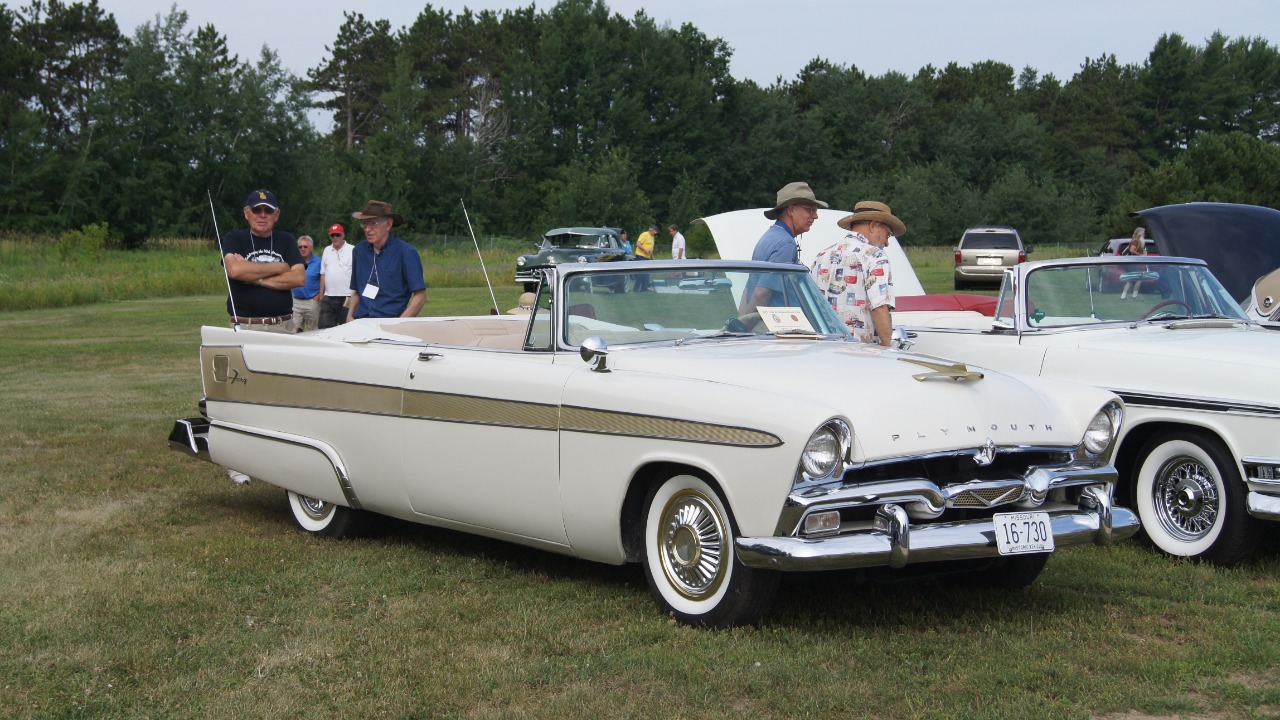
Plymouth Fury (1956)
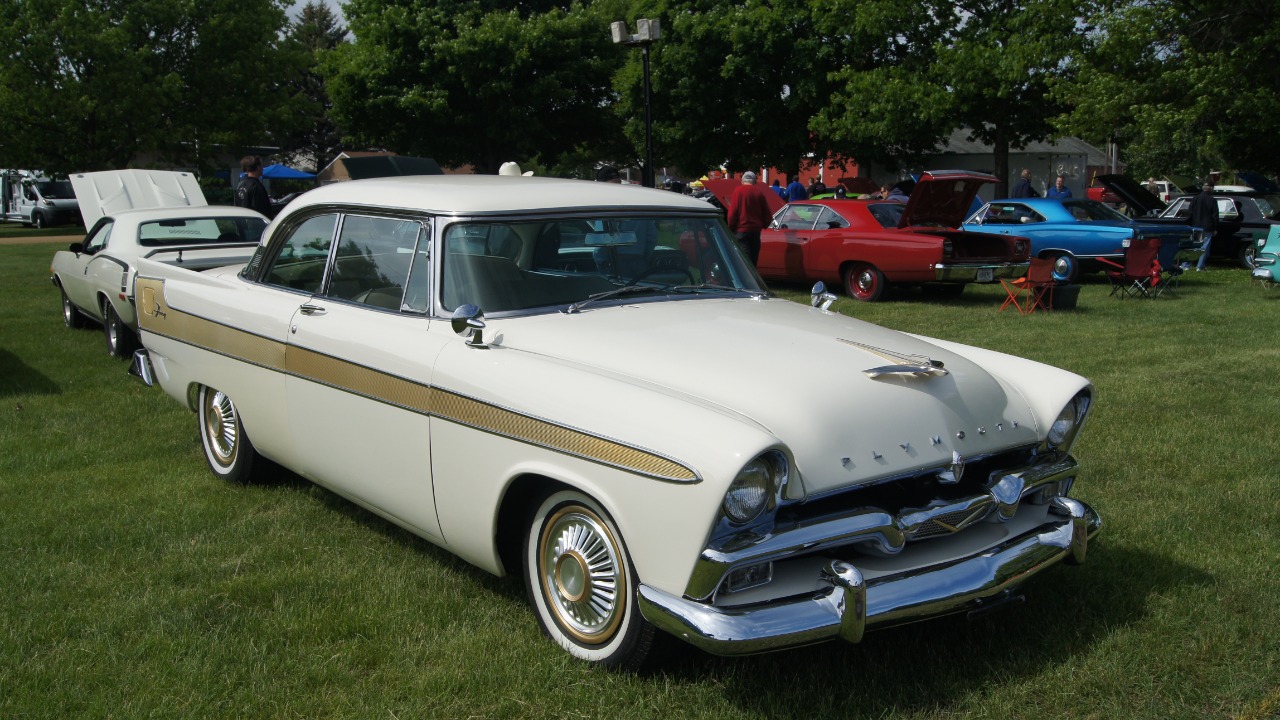
The Plymouth Fury made its debut in 1956, quickly gaining a reputation for its bold styling and performance. Known for its distinctive chrome grille and vibrant color options, the Fury captured the attention of car enthusiasts and everyday drivers alike. It was marketed as a family car that didn’t compromise on style or power, making it a popular choice among consumers during the booming 1950s.
Equipped with a powerful V8 engine, the Fury offered both speed and reliability, appealing to those who craved excitement in their everyday driving. Plymouth capitalized on the car’s sporty image by introducing various performance packages, allowing buyers to customize their vehicles. The Fury’s legacy continues to resonate in American automotive culture, making it a sought-after classic today.
Buick Roadmaster (1949)
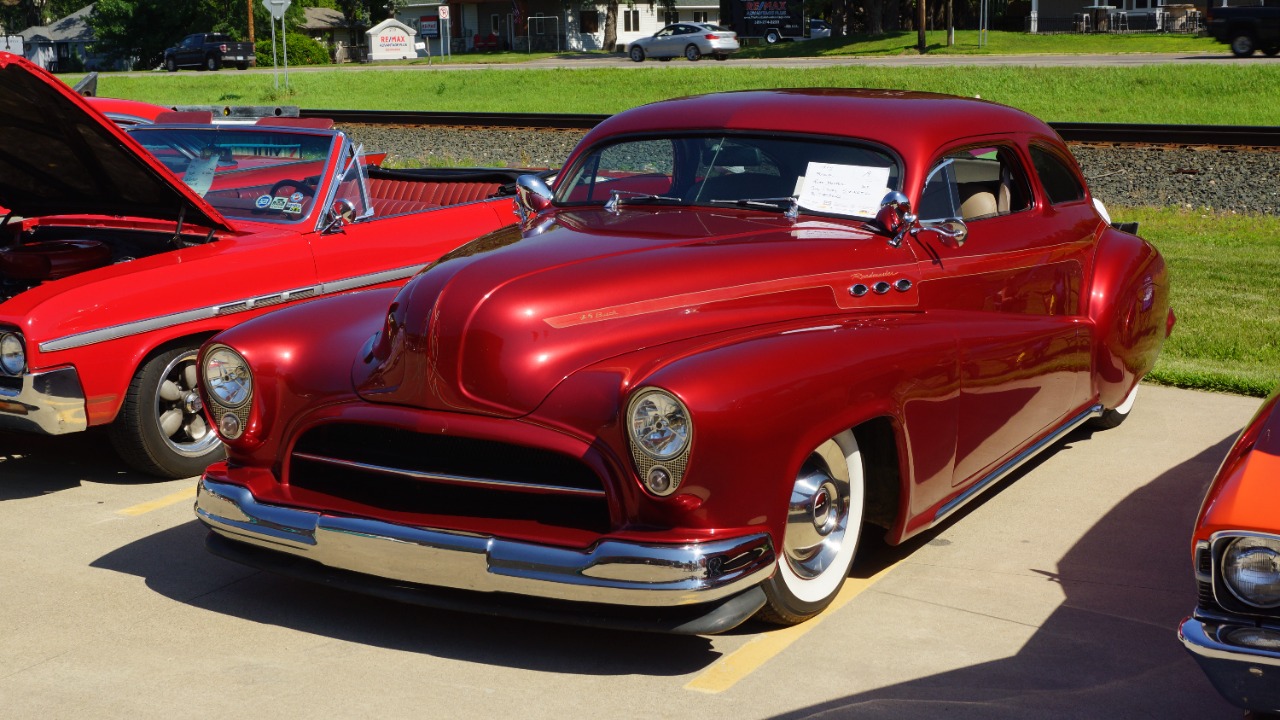
The Buick Roadmaster, introduced in 1949, represented the pinnacle of American automotive engineering in the 1950s. Known for its luxurious features and powerful engine, the Roadmaster was designed for comfort and style. Its spacious interior and attention to detail set it apart from competitors, making it a popular choice among affluent families. The Roadmaster’s distinctive body style and chrome accents gave it a commanding presence on the road.
As the 1950s progressed, the Roadmaster continued to evolve, incorporating innovative technologies and design elements that catered to consumer demands. Buick’s emphasis on performance and luxury made the Roadmaster a symbol of success and sophistication during this era. Even today, classic car enthusiasts seek out the Roadmaster for its historical significance and timeless elegance.
Chrysler 300 (1955)
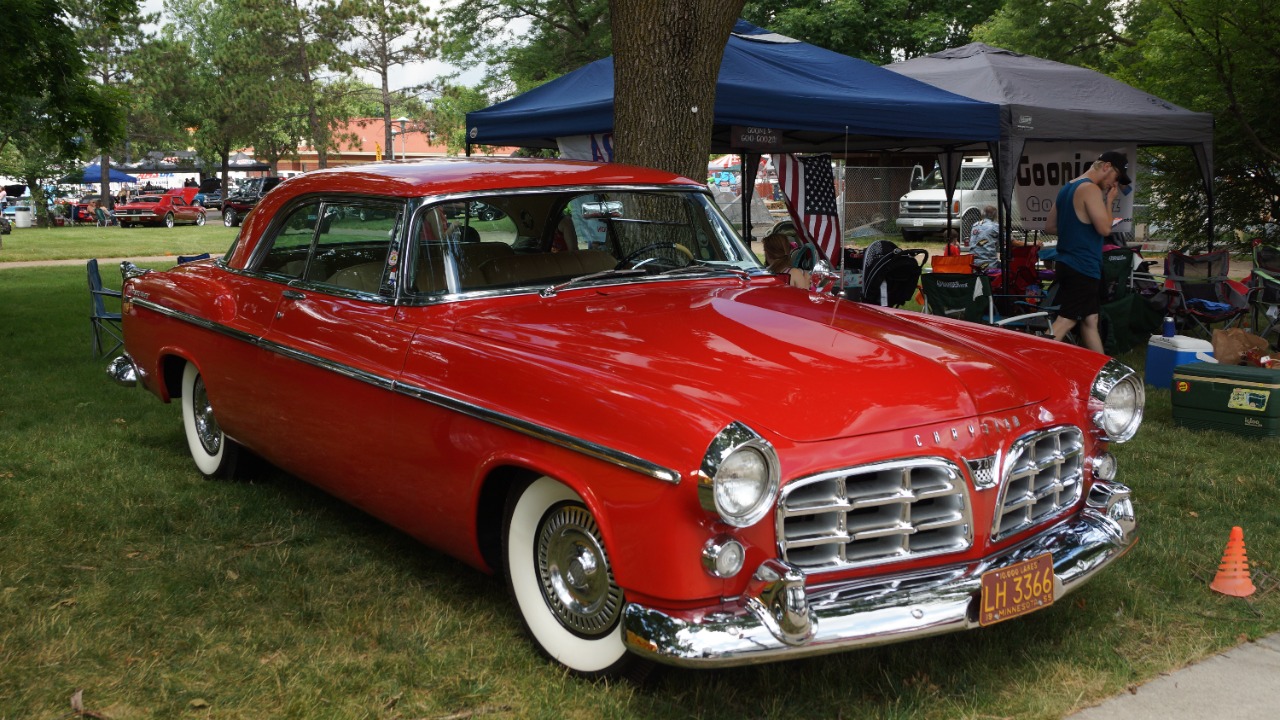
The Chrysler 300, introduced in 1955, is often hailed as one of the first true American muscle cars, blending power with luxury. Its 300-horsepower Hemi V8 engine allowed it to dominate the highways, appealing to those who desired performance alongside comfort. The 300 was marketed as a high-performance vehicle that didn’t sacrifice style, featuring a sleek design and premium interior finishes.
Chrysler’s bold marketing strategy positioned the 300 as a car for the discerning driver, making it a favorite among those who valued speed and elegance. The vehicle’s success in racing and its innovative features laid the groundwork for the muscle cars that would follow in the decades to come. The Chrysler 300 remains a significant part of automotive history and continues to inspire modern interpretations of classic performance vehicles.
Dodge Coronet (1955)
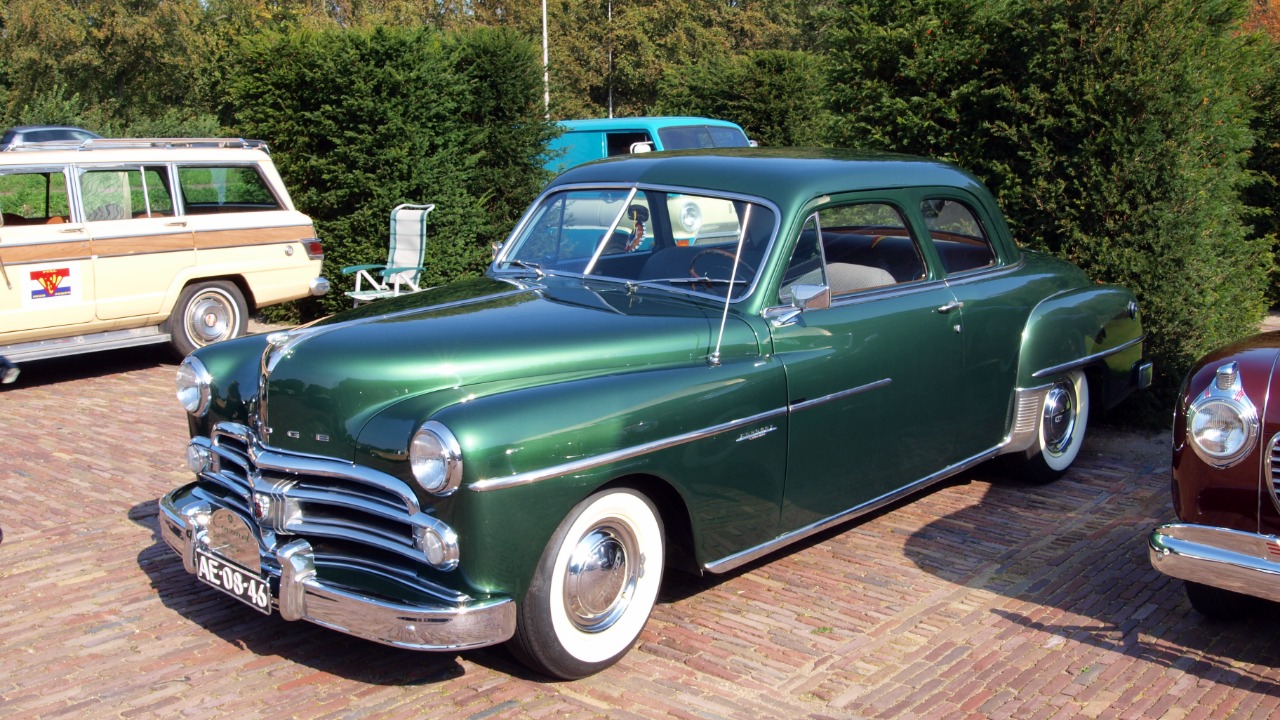
The Dodge Coronet debuted in 1955, quickly becoming known for its robust design and affordability. Positioned as a full-size car, the Coronet was available in various configurations, making it appealing to a broad audience. Its bold styling and spacious interior made it a practical choice for families, while its performance options attracted those seeking a little excitement on the road.
As the 1950s progressed, the Coronet underwent several changes, incorporating new technologies and design elements that reflected the era’s trends. Its role in the burgeoning muscle car market further solidified its place in automotive history. The Dodge Coronet’s blend of performance, style, and value helped it become a staple on American roads, resonating with drivers looking for a reliable yet exciting vehicle.
Studebaker Commander (1953)
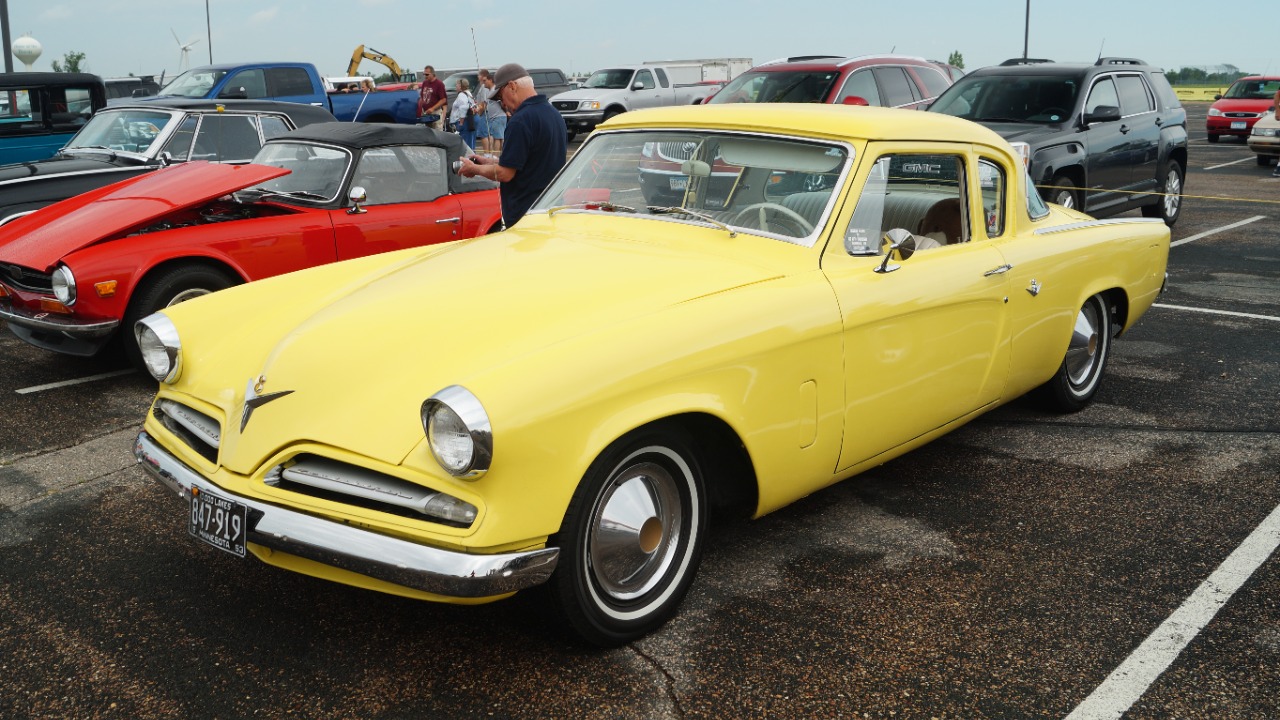
The Studebaker Commander, introduced in 1953, was a remarkable vehicle that exemplified the innovation and design creativity of the 1950s. With its distinctive styling and advanced features, the Commander stood out in the crowded automotive market. Studebaker aimed to combine elegance and practicality, resulting in a car that appealed to both style-conscious drivers and families alike.
Equipped with a range of engine options, the Commander offered performance that matched its stylish exterior. The vehicle’s unique design, characterized by its curved lines and bold grille, helped it capture the essence of the era. Despite its eventual decline, the Studebaker Commander remains a cherished classic, representing a time when American car manufacturers prioritized creativity and individuality.
More from Fast Lane Only
- Unboxing the WWII Jeep in a Crate
- 15 rare Chevys collectors are quietly buying
- 10 underrated V8s still worth hunting down
- Police notice this before you even roll window down
*Research for this article included AI assistance, with all final content reviewed by human editors.