Automakers often try to make vehicles that excel at everything—performance, luxury, technology, efficiency, and utility all at once. Yet some of the most successful vehicles earned their reputations by focusing on a few core strengths and executing them exceptionally well. Rather than chasing every trend, these models stayed true to their purpose and built loyal followings as a result.
Jeep Wrangler TJ
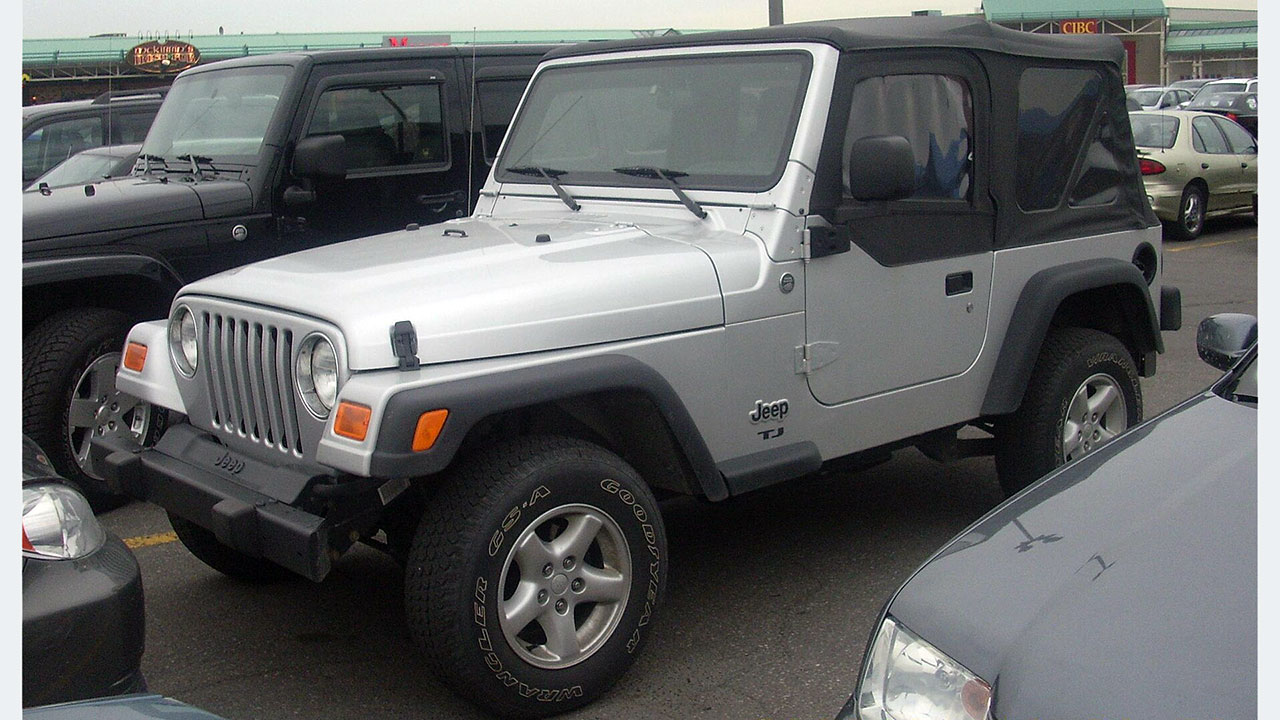
The Jeep Wrangler TJ never tried to be the most refined SUV on the market. Instead, it focused on off-road capability, simplicity, and open-air driving. That clear mission helped it remain popular long after many competitors came and went. Enthusiasts appreciated that it excelled at what it was designed to do.
Mazda MX-5 Miata NA
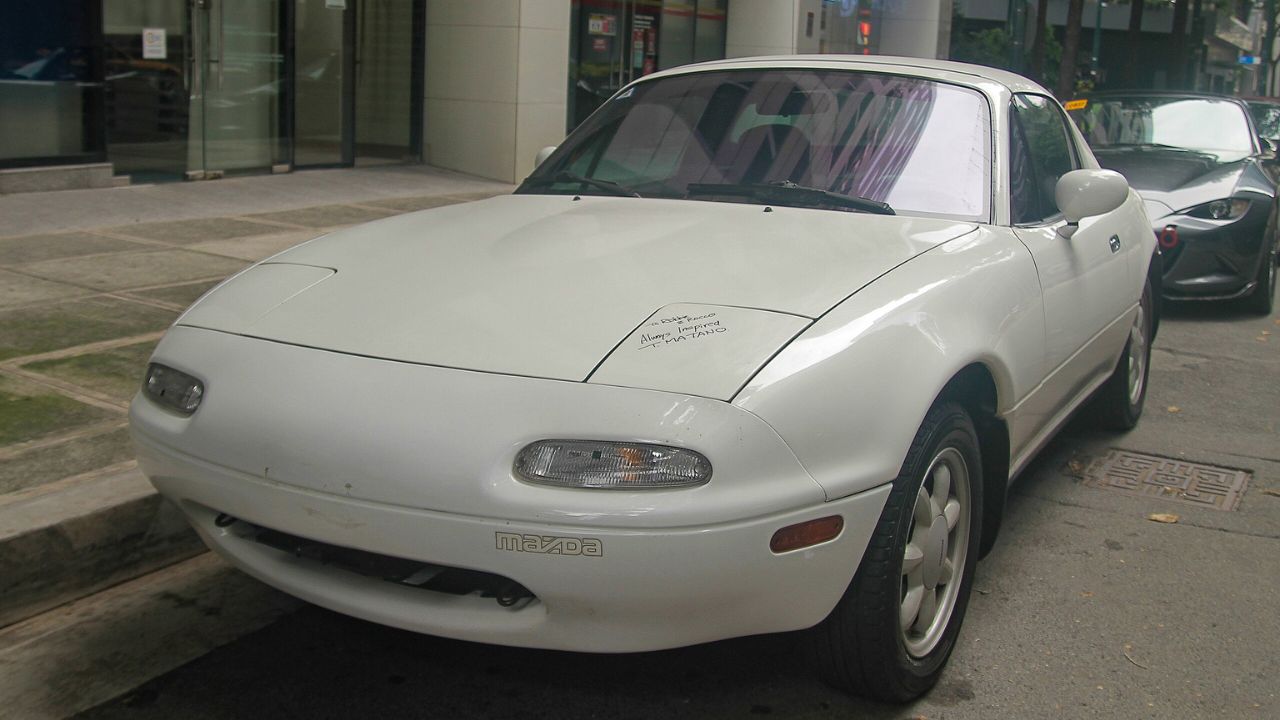
The Mazda MX-5 Miata NA didn’t chase huge horsepower numbers or luxury features. Mazda concentrated on lightweight construction, balanced handling, and driver engagement. The result became one of the most beloved sports cars ever built. Its focused approach proved that less can truly be more.
Toyota Land Cruiser 70 Series
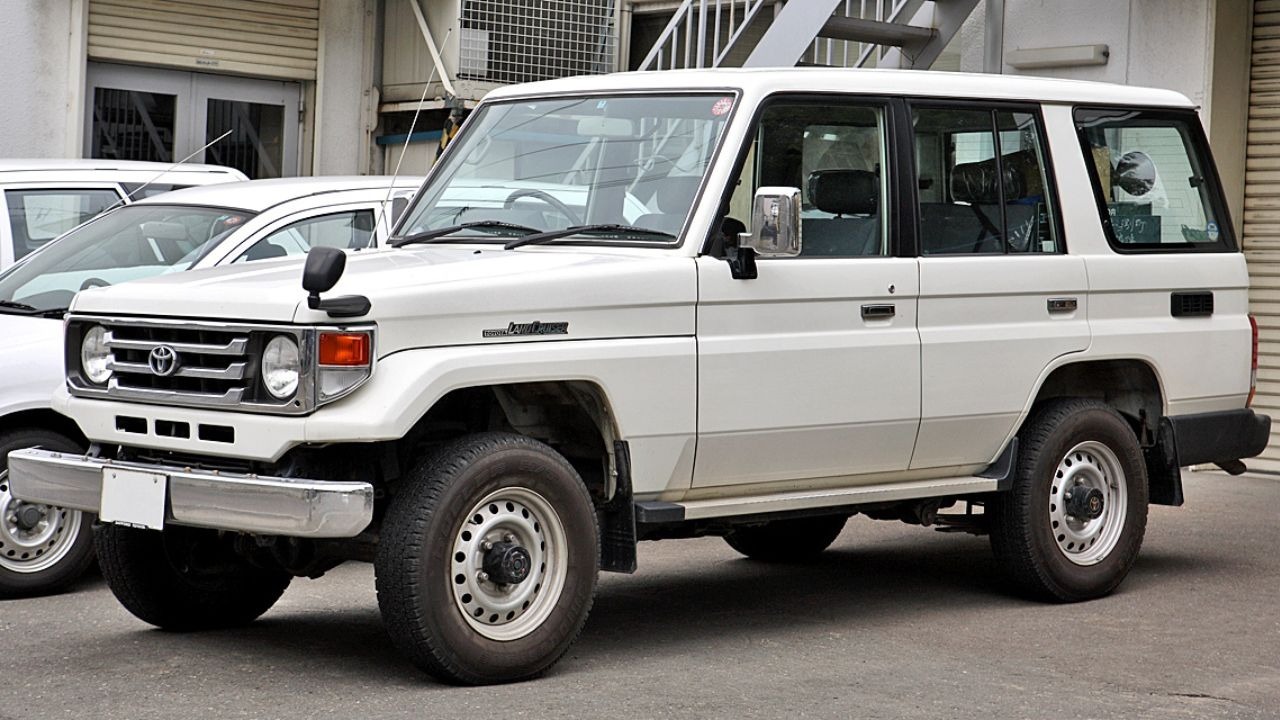
The Toyota Land Cruiser 70 Series prioritized durability and capability over comfort and technology. Built for demanding environments, it succeeded because owners trusted it to work reliably under difficult conditions. Its straightforward purpose helped it remain relevant for decades.
Ford Crown Victoria

The Ford Crown Victoria concentrated on durability, comfort, and ease of maintenance. It wasn’t the most advanced sedan in its class, but it excelled in fleet service and everyday transportation. That focus allowed it to remain a favorite among police departments, taxi operators, and private owners alike.
Toyota Tacoma First Generation
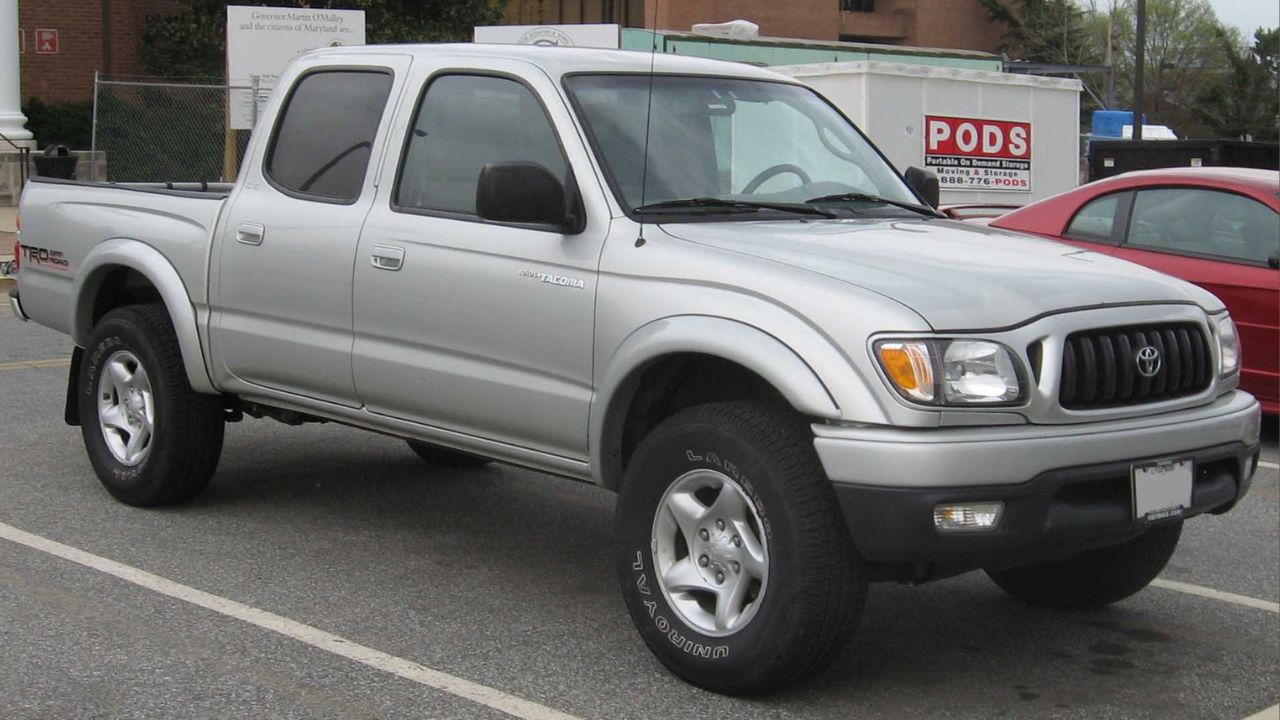
The Toyota Tacoma succeeded by emphasizing reliability and practical utility rather than luxury or excessive technology. Owners appreciated its toughness and straightforward engineering. The truck’s focused design helped establish a reputation that continues influencing Tacoma models today.
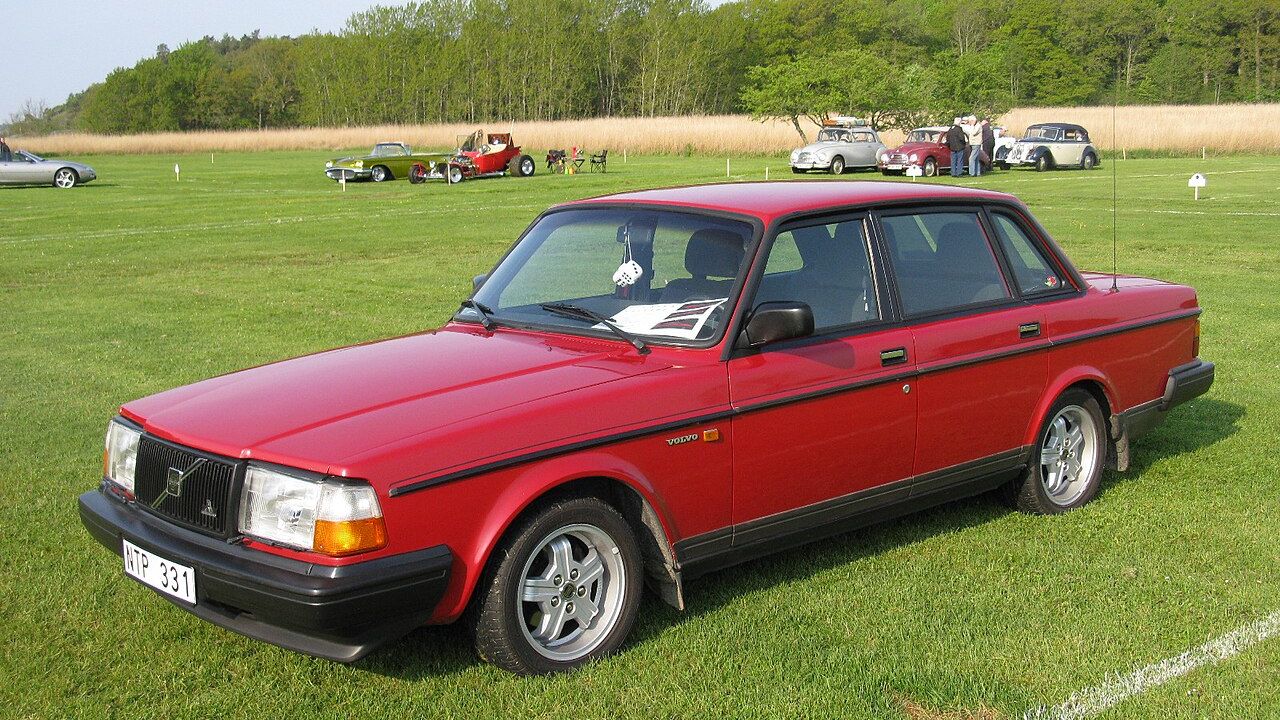
Volvo 240
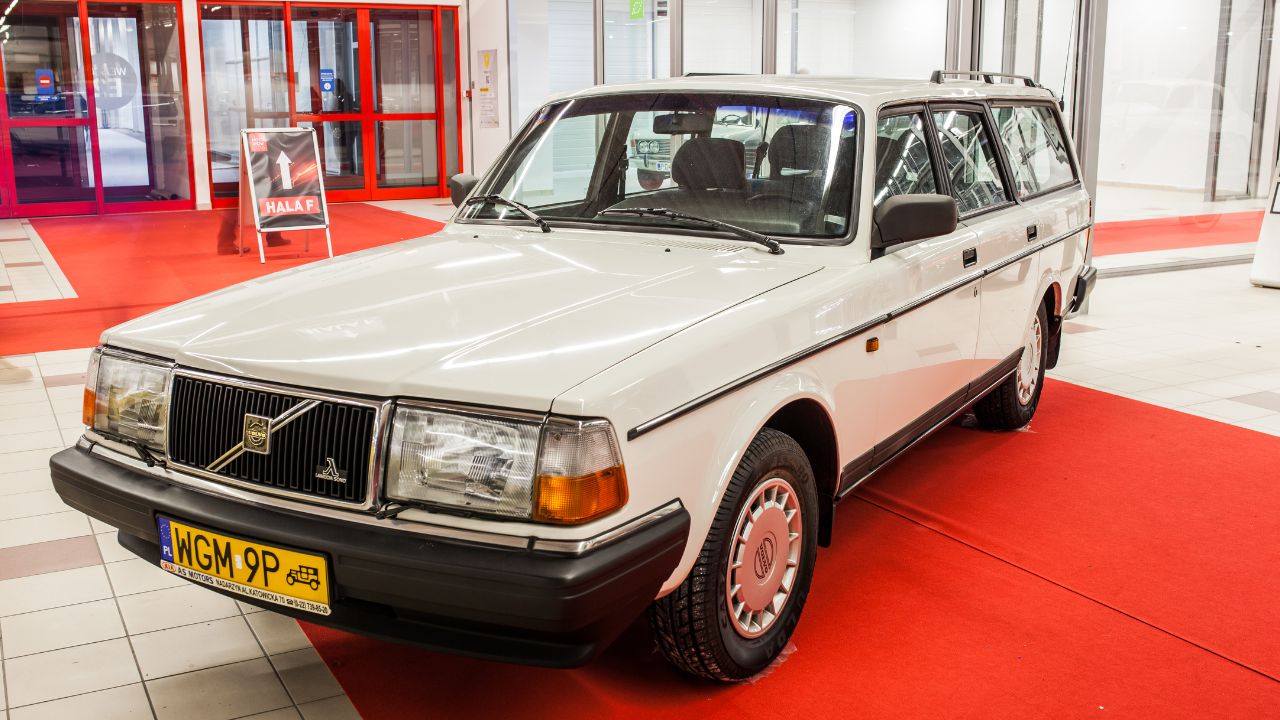
The Volvo 240 focused on safety, durability, and practicality. Rather than competing on style or performance, Volvo built a car that owners could trust for years. The result was one of the most respected family vehicles of its era.
Honda Fit
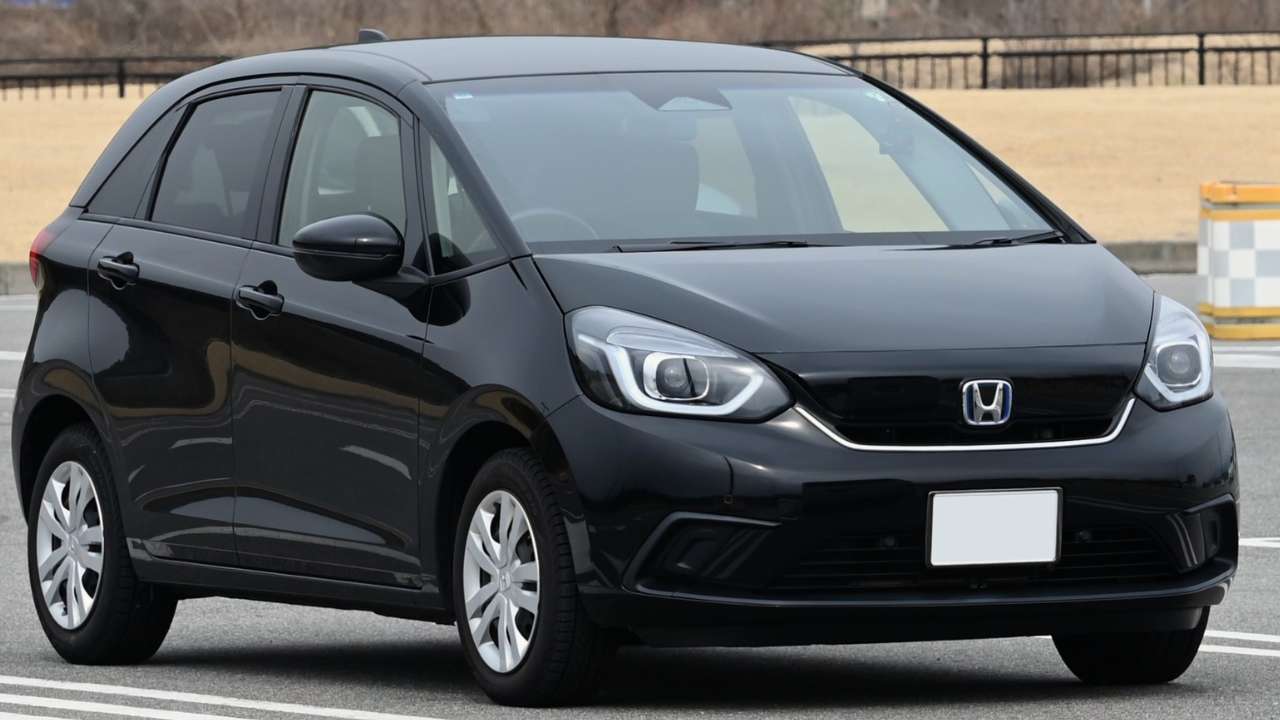
The Honda Fit concentrated on maximizing interior space, efficiency, and reliability. Instead of trying to become a luxury car or sports car, it delivered exceptional practicality in a compact package. Owners frequently found it more useful than much larger vehicles.
Chevrolet C10
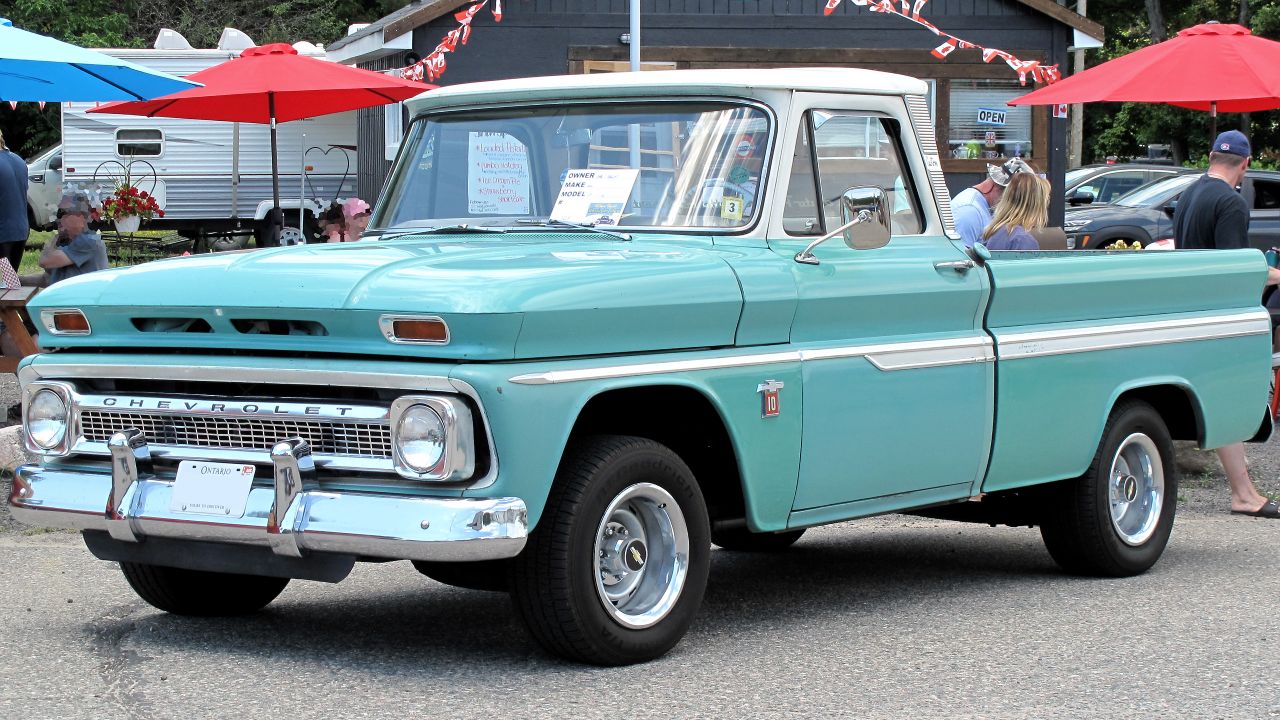
The Chevrolet C10 became successful because it offered dependable utility without unnecessary complexity. Simple mechanical systems, durable construction, and versatile capability made it a favorite among workers and enthusiasts. Its focused design remains appealing decades later.
Porsche Cayman
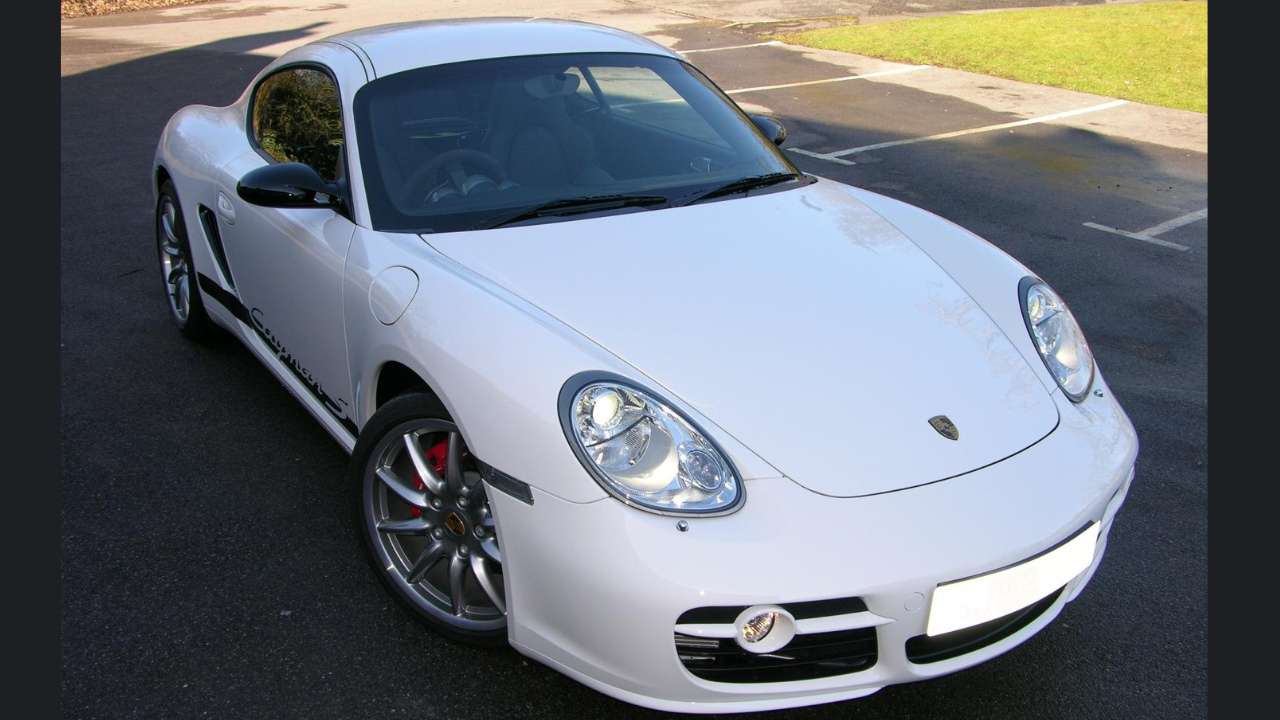
The Porsche Cayman earned respect by concentrating on handling and driver involvement. While some sports cars pursued ever-higher horsepower figures, the Cayman focused on balance and precision. That commitment to its core strengths helped it become one of the most highly regarded sports cars of its generation.
More from Fast Lane Only
- Unboxing the WWII Jeep in a Crate
- 15 rare Chevys collectors are quietly buying
- 10 underrated V8s still worth hunting down
- Police notice this before you even roll window down
*Research for this article included AI assistance, with all final content reviewed by human editors