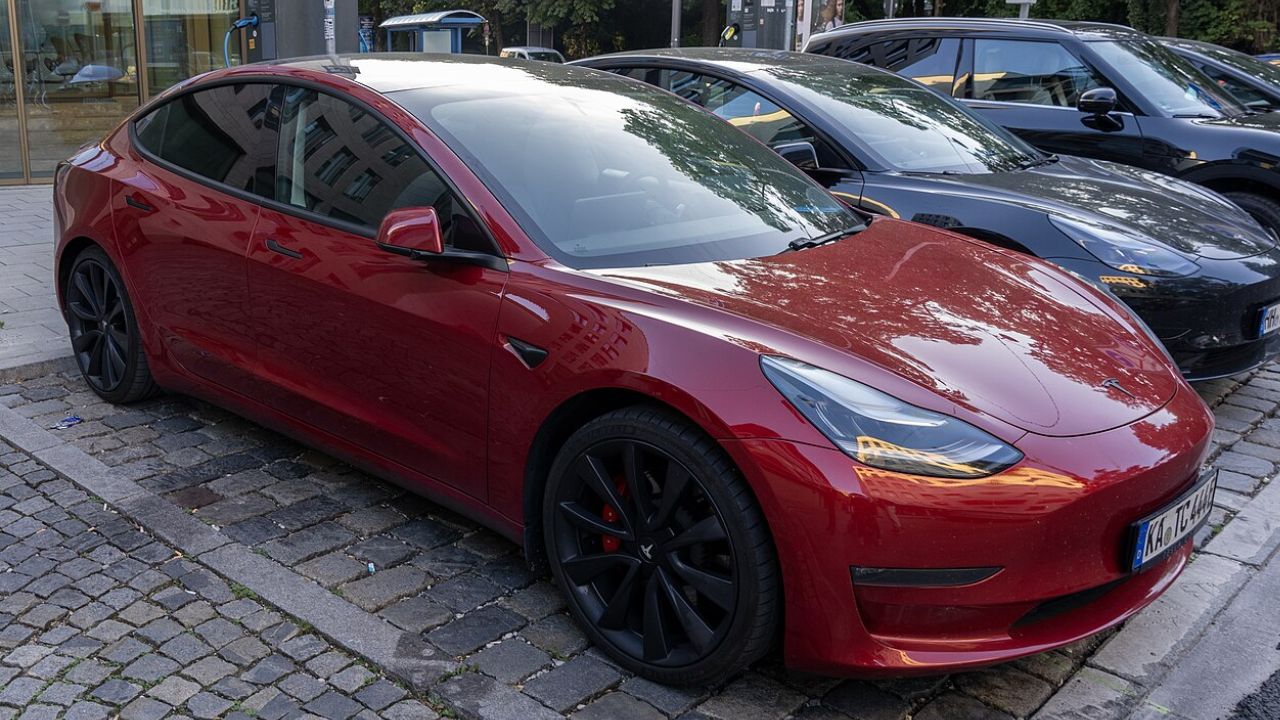
For decades, the performance car has been shorthand for raw speed, loud exhausts, and weekend track days. Yet the most interesting performance story of the moment is not about the quickest lap time. It is about how one modern sports sedan has become a test bed for software, sustainability, and culture, reshaping what drivers expect from a fast car.
That shift did not happen overnight. It reflects a broader change in how people think about mobility, technology, and even the stories that cars carry with them, from the music they inspire to the values they signal in traffic.
From straight-line weapon to rolling software platform
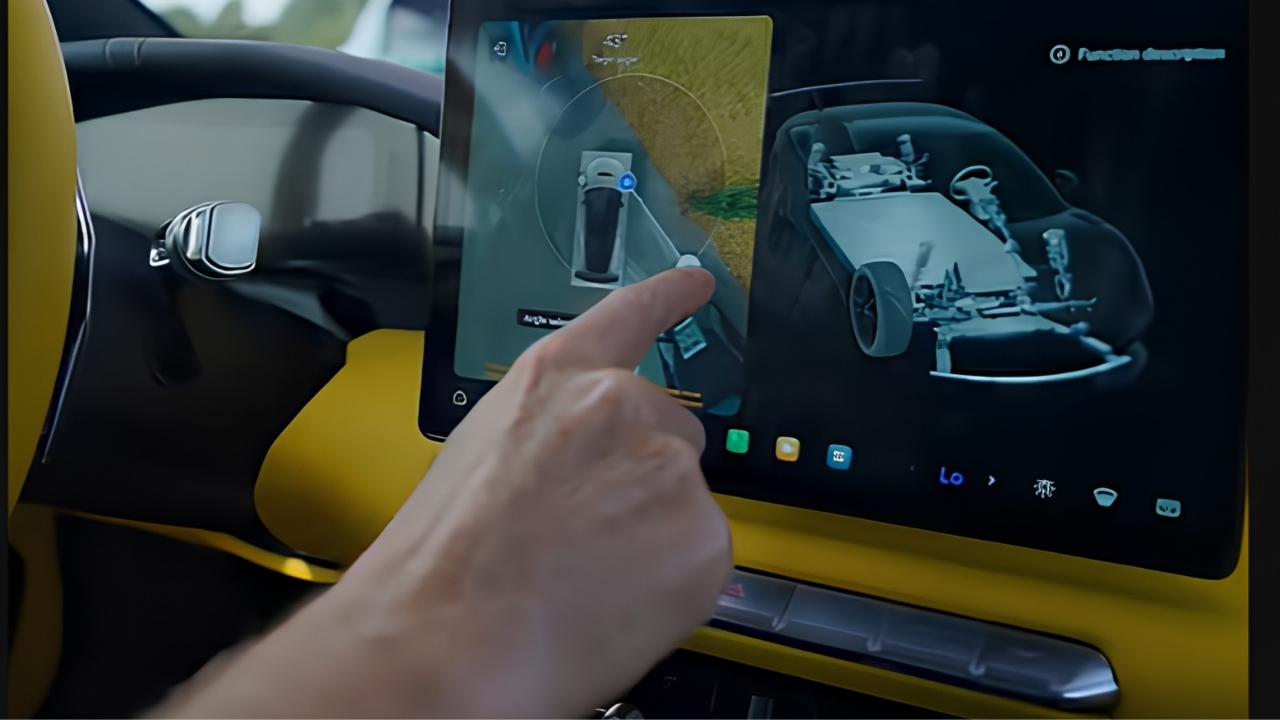
The latest generation of electric performance sedans shows how far the category has moved beyond simple horsepower wars. The 2025 Tesla Model 3 Performance, for instance, still delivers the launch shove that made earlier versions famous, yet reviewers now focus as much on its chassis tuning, software features, and everyday livability as its acceleration figures. In detailed testing of the 2025 Model 3, attention centers on revised suspension hardware, new adaptive dampers, and track-oriented drive modes that are configured through an interface more akin to a gaming menu than a traditional dashboard.
That evolution matters because it reframes speed as just one part of a broader experience. Instead of a blunt instrument that is thrilling but tiring, the modern performance car is tuned to switch personalities. It can run quiet and efficient in commuter traffic, then unlock aggressive torque mapping and sharper steering on a back road. Over-the-air software updates extend that split identity, altering power delivery, stability control logic, and even user interface layouts long after the car leaves the factory.
This software-first approach also changes how enthusiasts talk about tuning. Where previous generations swapped camshafts and exhaust systems, owners now debate firmware revisions and battery management strategies. The car becomes a rolling device that can gain features, fix flaws, or adapt to new regulations without a wrench ever touching the bodywork.
Heritage, character, and the slow-burn appeal of speed
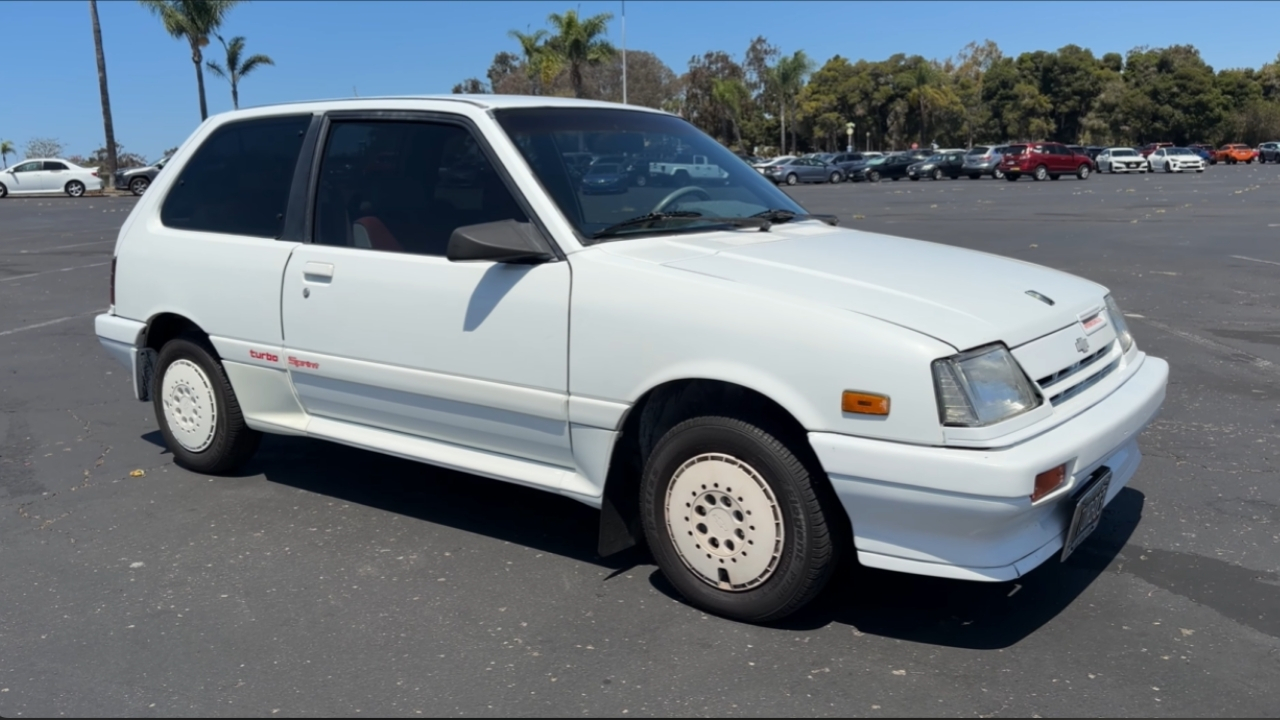
While electric sedans redefine the cutting edge, older performance icons show how character and narrative can matter more than outright pace. British sports cars have long been celebrated not just for their handling, but for the quirks that make them feel alive. A survey of lesser-known British sports highlights machines that were never the fastest in a straight line, yet earned devoted followings because of their steering feel, manual gearboxes, and compact proportions.
These cars often demand patience and mechanical sympathy. They may leak oil, rattle over bumps, or require careful warm-up rituals. Yet those imperfections become part of the bond between driver and machine. Enthusiasts speak of the way a lightweight roadster communicates grip levels through a thin-rimmed steering wheel, or how a naturally aspirated engine builds power with a rising, mechanical song. The experience is not defined by numbers on a spec sheet, but by the sensations that unfold at legal speeds on a favorite road.
That ethos has seeped into modern engineering. Even in highly digitized performance cars, development teams now talk about tuning for character. Steering systems are calibrated to feel progressive rather than simply quick. Synthetic sound profiles are designed to complement, rather than drown out, the natural noises of motors and tires. The goal is not just to go faster, but to make drivers feel more connected to the process of going fast.
When a “fast car” becomes a life story
The cultural shift around performance is not limited to hardware. It also shows up in the stories people tell about cars, and in the songs that keep returning to the charts. Tracy Chapman’s “Fast Car,” a folk song released more than three decades ago, became one of the most discussed tracks again after a high-profile country cover drew new attention to its lyrics. Analysis of why “Fast Car” resonated points to the way it uses the idea of a quick car not as a toy, but as a symbol of escape, class struggle, and fragile hope.
In the song, the car is a means to leave behind a cycle of poverty and caretaking, a vessel for a better life that may or may not arrive. That framing has always run parallel to the glossy advertising of sports coupes and supercars, yet it has grown more relevant as economic anxiety and inequality shape how people think about mobility. A performance car can be a status object in one story and a desperate ticket out in another.
The renewed attention to “Fast Car” shows how a machine built for speed can carry emotional weight far beyond its engineering. It can stand in for the promise of freedom, the fear of being stuck, or the bittersweet realization that some dreams outrun reality. When younger listeners connect with a decades-old track about a worn-out car and a fragile plan, it suggests that the meaning of performance has widened. It is no longer just about how quickly a machine covers ground, but about what that movement represents in a person’s life.
Why this broader view of performance matters now
Several forces are converging to make this redefinition of the performance car especially timely. Environmental pressure is pushing manufacturers to justify every high-output model they build. Electric drivetrains help by eliminating tailpipe emissions, yet they also expose a tension. Instant torque can make even a family EV feel brutally quick, which raises questions about how much speed is responsible on public roads.
At the same time, safety technology has advanced to the point where driver assistance systems can intervene to prevent loss of control. Stability control, adaptive cruise, and lane keeping all act as digital chaperones. In a traditional sports car, the driver carried almost all the risk. In a modern performance sedan, that risk is shared with algorithms that monitor grip, traffic, and driver attention. This shared responsibility shifts the conversation from pure skill and bravery to system design and human factors.
There is also a demographic element. Younger buyers who grew up with smartphones often see cars as one device among many, not as the central object of identity that earlier generations embraced. For them, a performance car that cannot integrate with apps, stream media, or receive updates feels incomplete. They may still want strong acceleration, but they also expect advanced driver aids, intuitive touchscreens, and a cabin that works as a mobile workspace. Performance is measured as much in quietness at highway speed or charge time at a fast charger as in quarter-mile numbers.
Taken together, these trends mean the performance car has become a proxy for broader debates about technology’s role in daily life. Is speed an indulgence or a test bench for innovation that will eventually filter down to mass-market models? Are software-controlled driving modes empowering or alienating? The answers are playing out in how people react to each new generation of fast car.
Where the next generation of fast cars is headed
Looking ahead, the performance segment is likely to stretch in two directions at once. On one side, electric sedans and crossovers will continue to chase supercar-level acceleration while adding longer range and more refined ride quality. Engineers will keep using software to tailor responses for different drivers and conditions, turning each car into a configurable platform rather than a fixed personality.
On the other side, a niche but vocal group of enthusiasts will push for lighter, simpler machines that prioritize engagement over outright speed. Some small manufacturers already experiment with compact sports cars that use modest power, low weight, and precise steering to deliver joy at sensible speeds. As regulations tighten, these cars may blend hybrid assistance with traditional engines, using electric torque to fill gaps while preserving manual gearshifts and analog feedback.
More from Fast Lane Only
- Unboxing the WWII Jeep in a Crate
- 15 rare Chevys collectors are quietly buying
- 10 underrated V8s still worth hunting down
- Police notice this before you even roll window down
*Research for this article included AI assistance, with all final content reviewed by human editors