
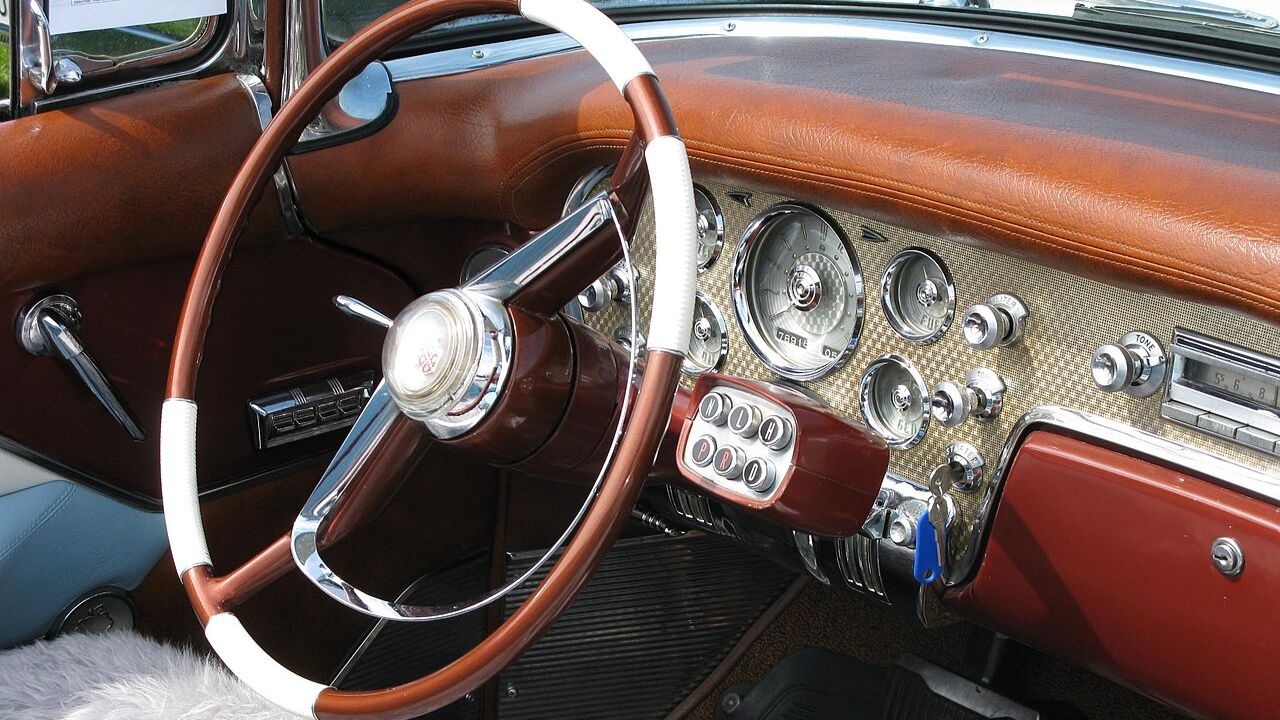
Push-button transmissions, a unique feature in automotive history, once captured the attention of car enthusiasts and manufacturers alike. Emerging prominently in the mid-20th century, these systems promised a futuristic driving experience by replacing conventional gear levers. They represented a fascinating chapter in automotive design, combining technological innovation with the allure of modernity.
The Rise of Push-Button Transmissions
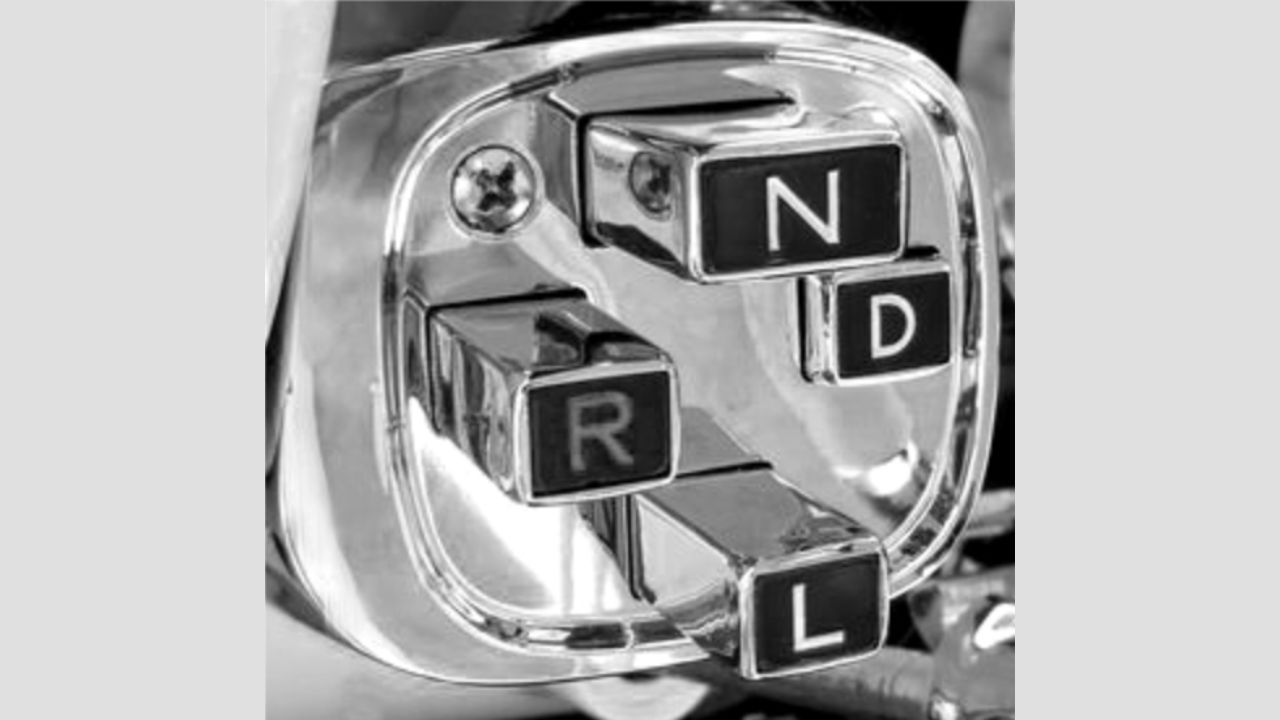
The post-war era was marked by a significant leap in technological advancements, with the automotive industry at the forefront of this change. Manufacturers aimed to infuse a sense of modernity and innovation into their designs, driven by the optimistic spirit of the 1950s and 1960s. This period was heavily influenced by the space age, where futuristic visions permeated various aspects of consumer products, including automobiles. The fascination with all things modern and convenient was palpable, and push-button transmissions fit perfectly into this narrative, promising a seamless and advanced driving experience.
Several manufacturers embraced this trend, with Chrysler leading the charge with their PowerFlite and TorqueFlite systems. These systems were marketed aggressively as a hallmark of progress and sophistication, appealing to consumers eager for novel features. Other manufacturers, such as Edsel and Mercury, quickly adopted push-button transmissions, integrating them into their models to capitalize on the consumer demand for cutting-edge technology. This trend signaled a shift in the automotive landscape, where the traditional gear lever was increasingly seen as outdated.
Technology Behind Push-Button Transmissions
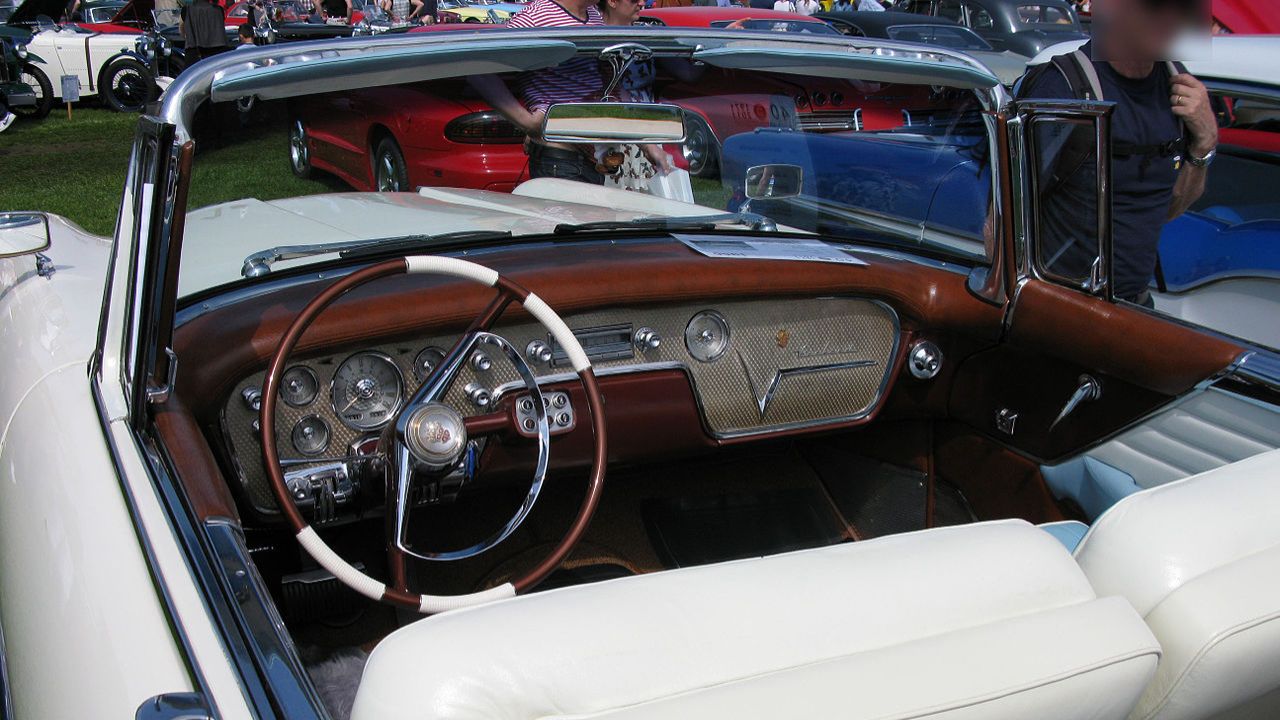
The development of push-button transmissions was an engineering marvel of its time, utilizing both mechanical and electrical systems to achieve its functionality. Early versions relied heavily on mechanical linkages connected to the dashboard buttons, which controlled the transmission’s gear changes. As technology evolved, more sophisticated electric and hydraulic systems were introduced, enhancing the reliability and efficiency of these transmissions. The integration of these technologies was a testament to the innovative spirit that defined the era.
One of the key advantages of push-button transmissions was the enhanced cabin space they offered. By eliminating the bulky gear lever, manufacturers could provide a cleaner and more spacious interior. Additionally, these systems promised smoother and more intuitive gear changes, offering drivers a simplified driving experience. The absence of a traditional gear stick was seen as a step towards a more modern and streamlined vehicle interior, aligning with the futuristic aspirations of the time.
Challenges and Drawbacks
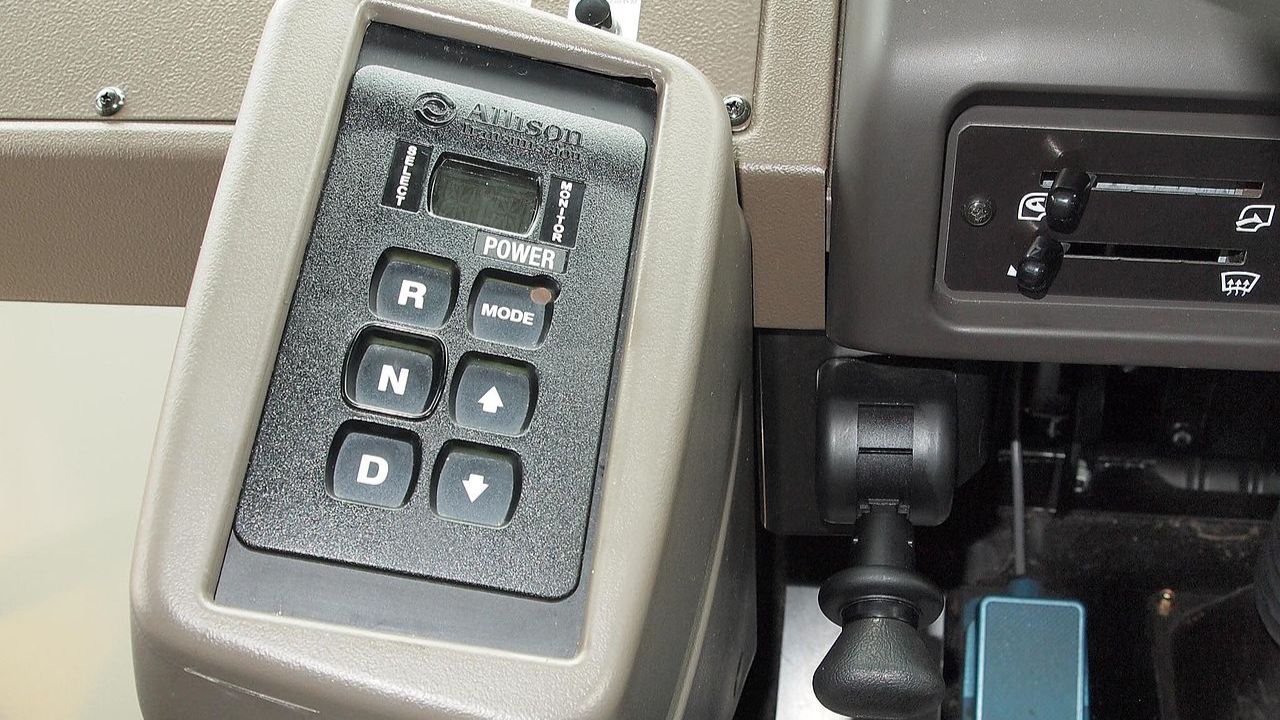
Despite the initial enthusiasm, push-button transmissions faced several technical and user-experience challenges. Early systems were prone to mechanical reliability issues, with complex linkages sometimes leading to malfunctions. Additionally, the lack of a standardized interface across different manufacturers resulted in consumer confusion, as drivers had to adapt to various button layouts and functionalities. This inconsistency hindered the widespread acceptance of push-button systems, as many drivers preferred the familiarity of traditional gear selectors.
Safety concerns were another significant drawback, with issues surrounding accidental gear shifts and the absence of tactile feedback. Drivers were accustomed to the physical sensation of shifting gears, and the push-button system’s lack of this feedback raised concerns among driving experts and regulatory bodies. There were fears that the new system could potentially lead to unintended gear changes, compromising safety. These apprehensions were compounded by the complexity of early systems, which sometimes made driving more challenging than anticipated.
The Decline and Legacy of Push-Button Transmissions
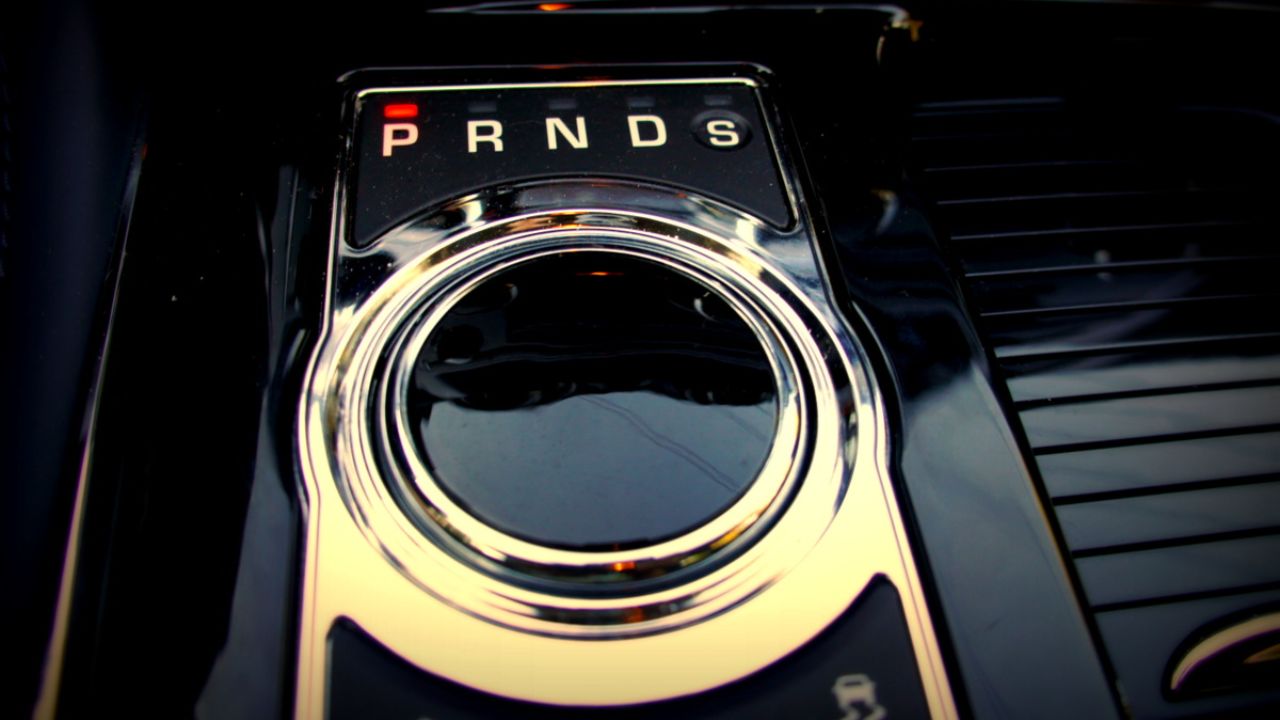
Several factors contributed to the decline of push-button transmissions in the automotive industry. As consumer preferences shifted, the demand for more user-friendly and cost-effective transmission solutions grew. The rise of new transmission technologies, such as automatic and semi-automatic systems, offered smoother and more reliable alternatives, leading manufacturers to revert to more conventional designs. The complexity and cost associated with maintaining push-button systems also played a role in their eventual phase-out.
Despite their decline, the legacy of push-button transmissions endures in modern vehicles. Elements of their design have influenced contemporary gear selector innovations, with some vehicles adopting digital interfaces and electronic shifters that echo the push-button concept. A notable example includes modern cars that integrate push-button elements in a more refined form, demonstrating the lasting impact these systems had on automotive design.
Modern Perspectives on Gear Selector Design
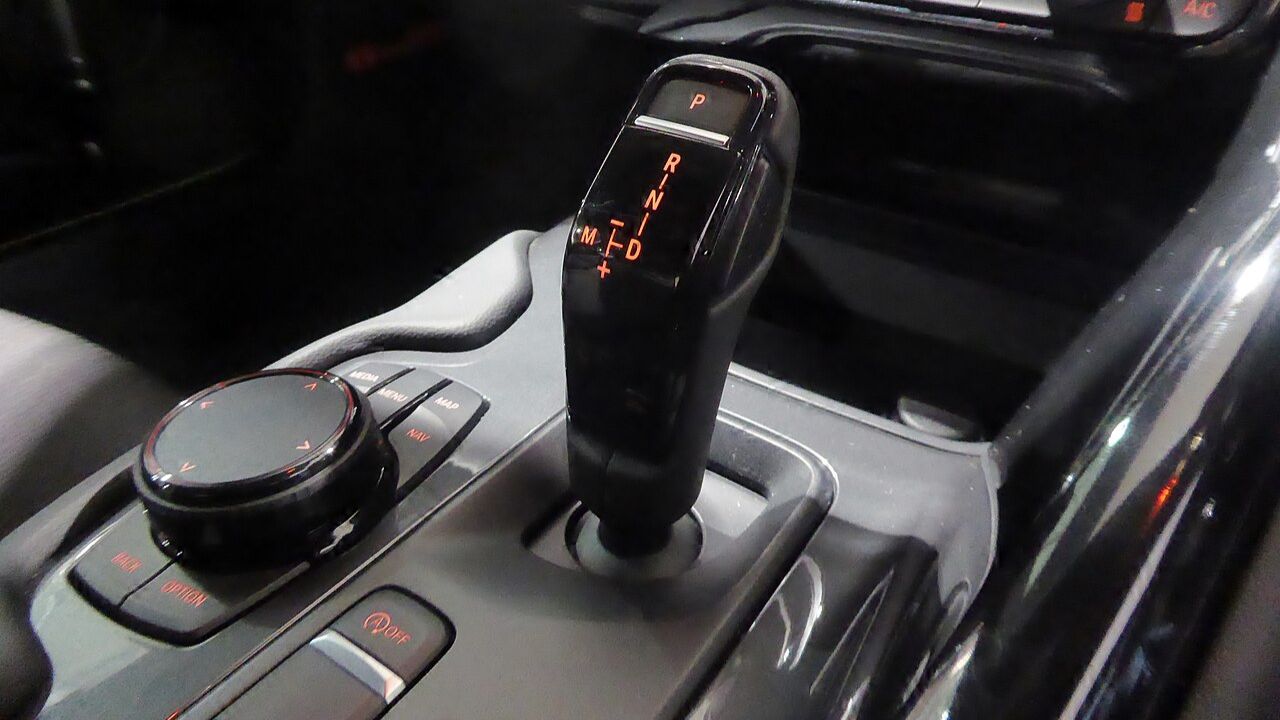
The evolution of gear selector technology continues to be a topic of interest within the automotive industry. The trend towards electronic and digital interfaces has gained momentum, with manufacturers exploring innovative designs that prioritize both functionality and aesthetics. The debate over the practicality of these designs versus their visual appeal remains ongoing, as companies strive to strike a balance that satisfies consumer demands.
Consumer and expert opinions on gear selector innovations are varied. While some drivers appreciate the sleek and modern appearance of electronic selectors, others miss the tactile feedback provided by traditional gear levers. Insights from automotive experts highlight the importance of ensuring these designs enhance the driving experience rather than complicate it. Consumer feedback indicates a growing adaptation to new technologies, as drivers become more accustomed to digital interfaces in their everyday driving.
As the automotive industry continues to evolve, the legacy of push-button transmissions serves as a reminder of the innovative spirit that drives technological advancements. While these systems may no longer be prevalent, their influence on modern gear selector designs is undeniable, paving the way for future innovations in automotive technology.
Like Fast Lane Only’s content? Be sure to follow us.
Here’s more from us:
*Created with AI assistance and editor review.




Leave a Reply