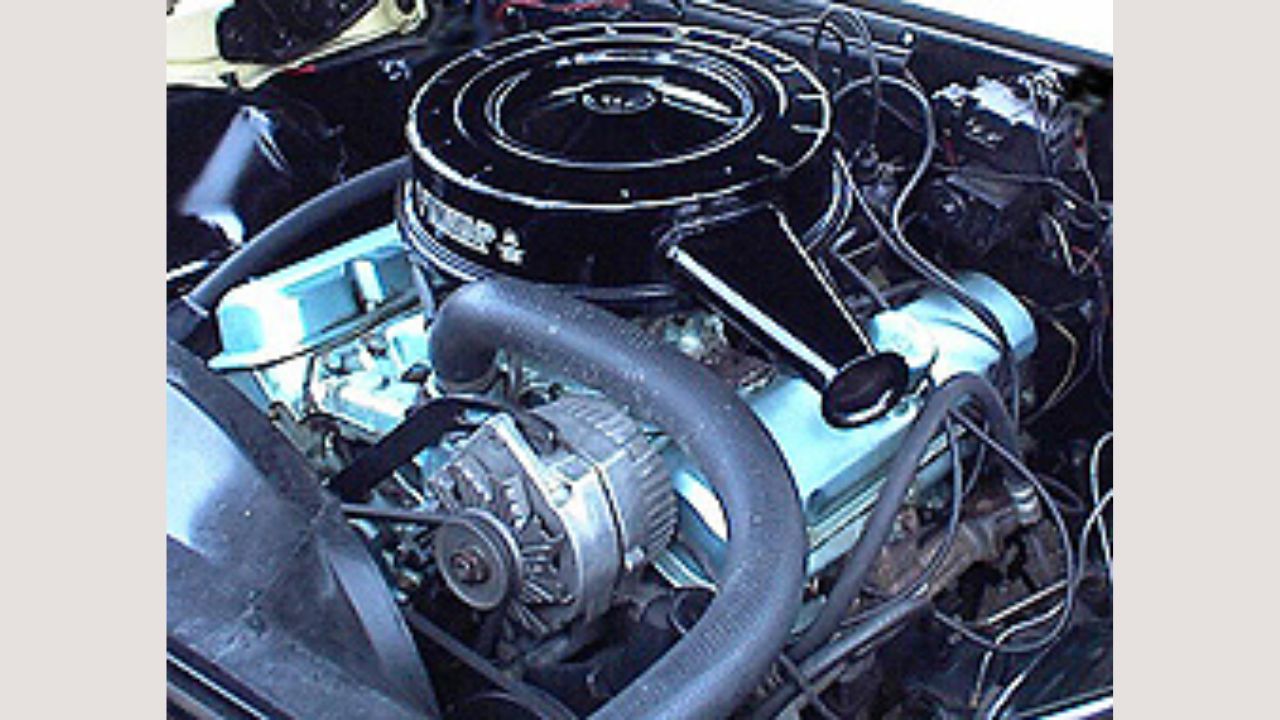
Factory build sheets, often hidden from the eyes of car owners, contain a wealth of information about vehicle specifications and manufacturing details. These documents can sometimes reveal unexpected features or discrepancies that surprise even seasoned car enthusiasts. Delving into the world of factory build sheets uncovers the secrets they hold and the implications of these revelations.
The Hidden World of Factory Build Sheets
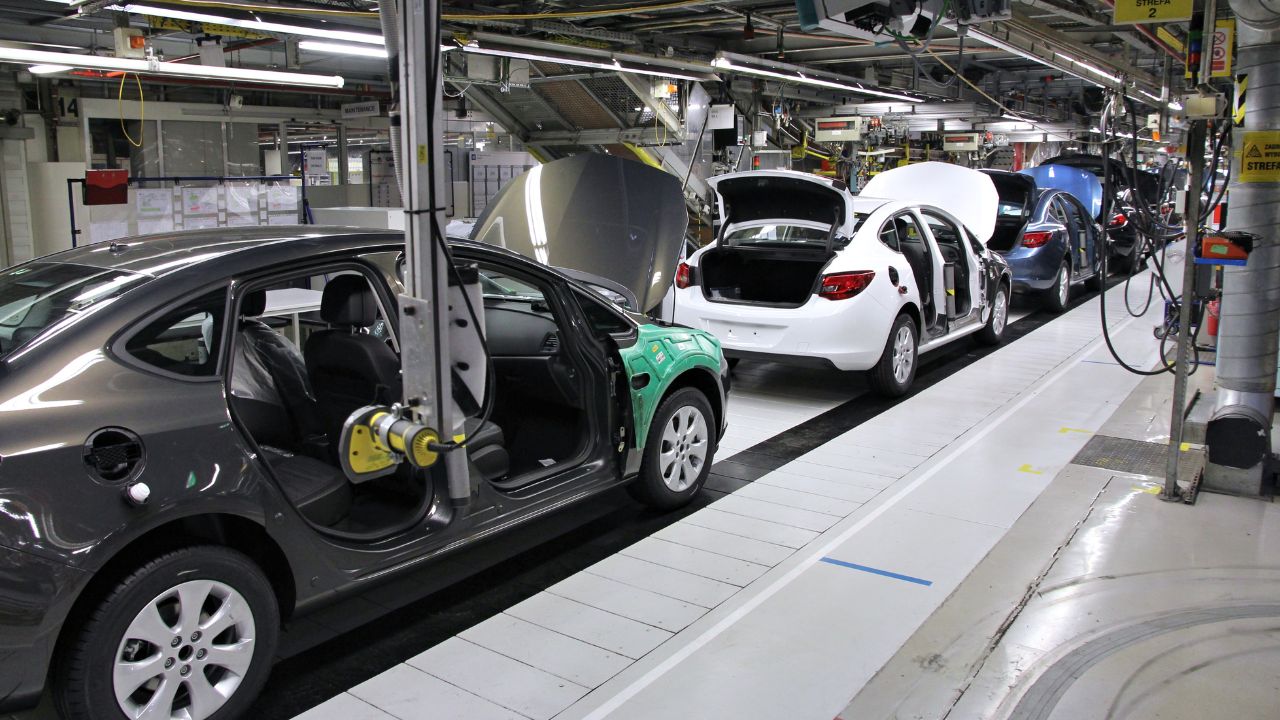
Factory build sheets are detailed documents that accompany vehicles during the manufacturing process. They serve as a blueprint of sorts, meticulously outlining every component and specification intended for a particular vehicle. Typically, these sheets include information such as engine type, transmission, color, trim packages, and optional features. The creation of build sheets is an integral part of the assembly line process, ensuring that each vehicle is constructed according to the correct specifications. These documents are generated as vehicles move through various stages of production, capturing each step and component involved.
For car enthusiasts and collectors, build sheets are invaluable. They are often the key to verifying a vehicle’s authenticity and originality. Particularly in the world of classic and vintage cars, build sheets serve as a crucial tool in confirming whether a car has been restored to its original specifications. This is especially important for rare models and special editions, where details such as specific paint colors or factory-installed options can significantly affect a vehicle’s value. Collectors rely on build sheets to authenticate vehicles, ensuring that what they are purchasing is indeed what it claims to be.
Unexpected Discoveries in Build Sheets
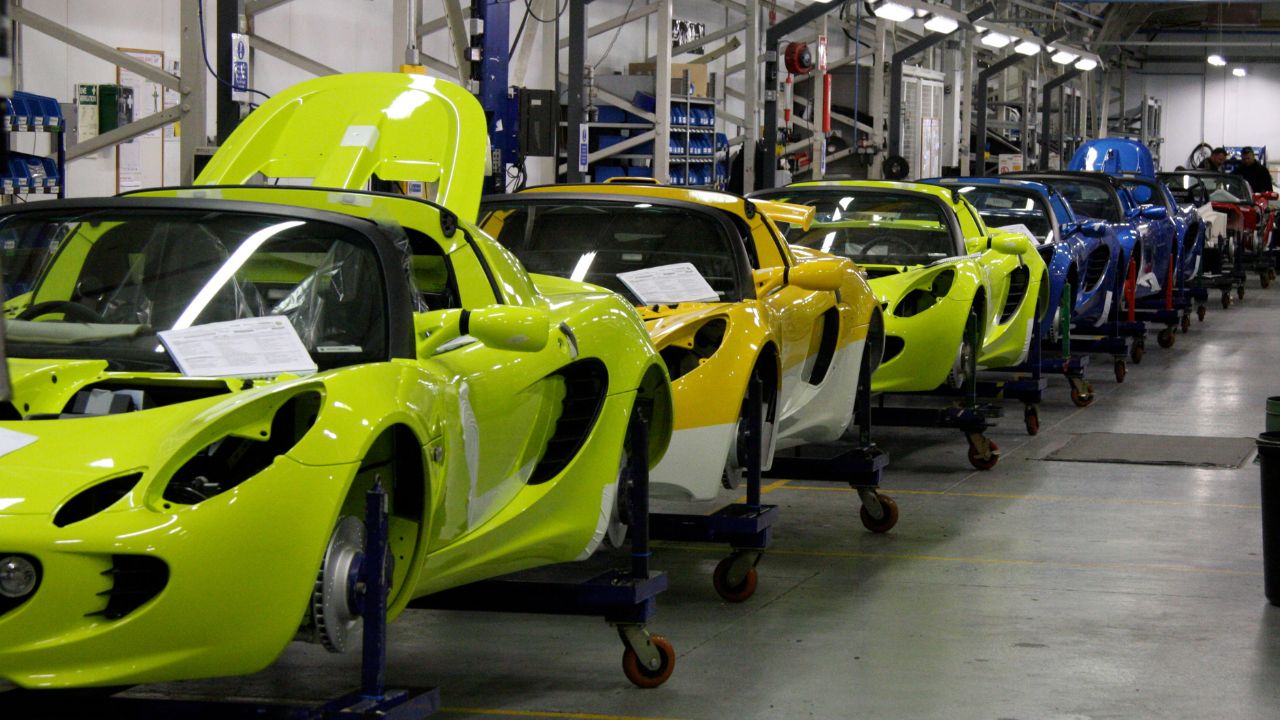
One of the more intriguing aspects of factory build sheets is their ability to uncover unexpected details about vehicles. There are numerous stories of car owners discovering mismatched equipment and options that were never listed in official documentation. For instance, a car enthusiast once uncovered that their vehicle had been equipped with an unlisted high-performance engine, which was not part of the standard offering for that model year. Such surprises can add intrigue and value to a vehicle, turning it into a unique piece of automotive history.
However, not all surprises are welcome. There have been instances where build sheets reveal missing standard features that should have been included in the vehicle. These discrepancies can sometimes highlight manufacturing errors, such as incorrect part installations or deviations from the intended production specifications. Such revelations can significantly impact the value of a vehicle and affect owner satisfaction. For some, discovering these discrepancies can lead to legal battles with manufacturers or negotiations for compensation.
Impact on the Automotive Industry
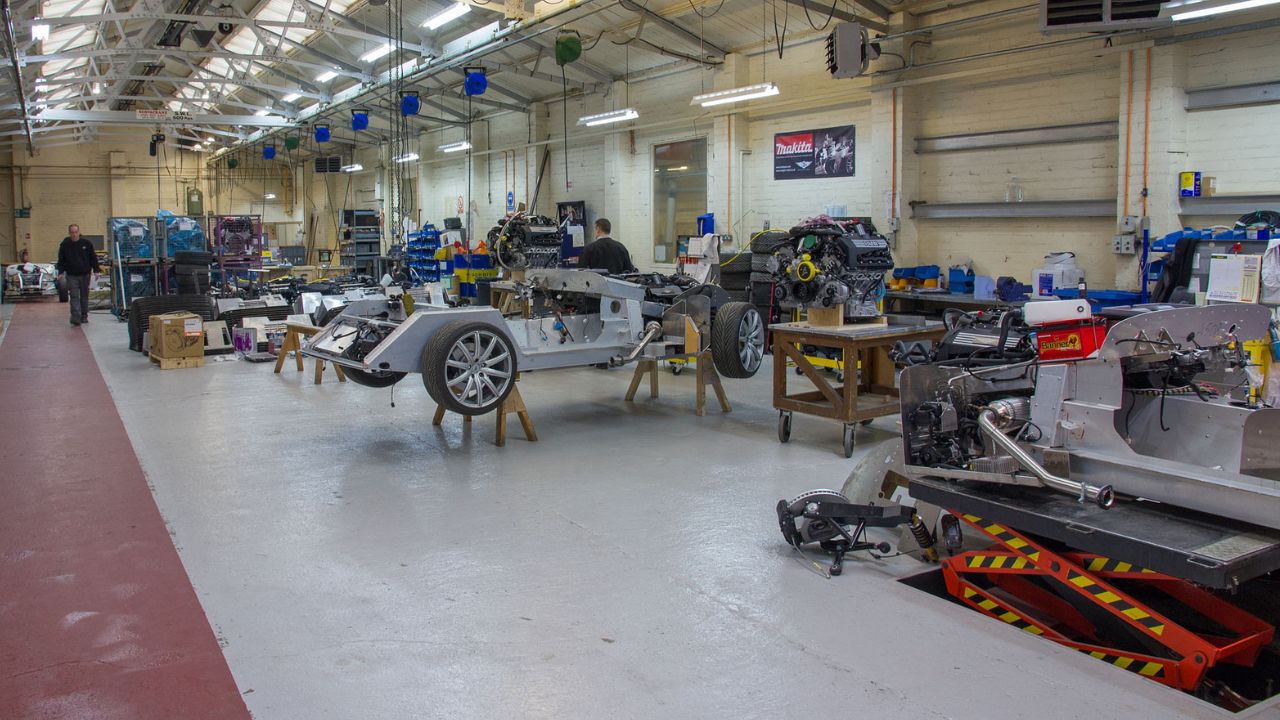
Beyond individual surprises, build sheets play a critical role in the broader automotive industry. Manufacturers use build sheet data as a tool for quality control and improvement. By analyzing the information captured in these documents, companies can track production trends and identify recurring issues that may need to be addressed. This data is invaluable when it comes to managing recalls and addressing warranty claims, as it provides a clear record of what each vehicle should have included.
Moreover, the legal and financial implications of build sheet revelations can be significant. Discrepancies discovered through build sheets have occasionally led to lawsuits or settlements when errors in documentation result in financial loss for vehicle owners. The potential financial impact on manufacturers can be substantial, as exposing errors can lead to expensive recalls, damage to brand reputation, and costly legal proceedings. This underscores the importance of accuracy and transparency in the manufacturing process.
Collecting and Preserving Build Sheets
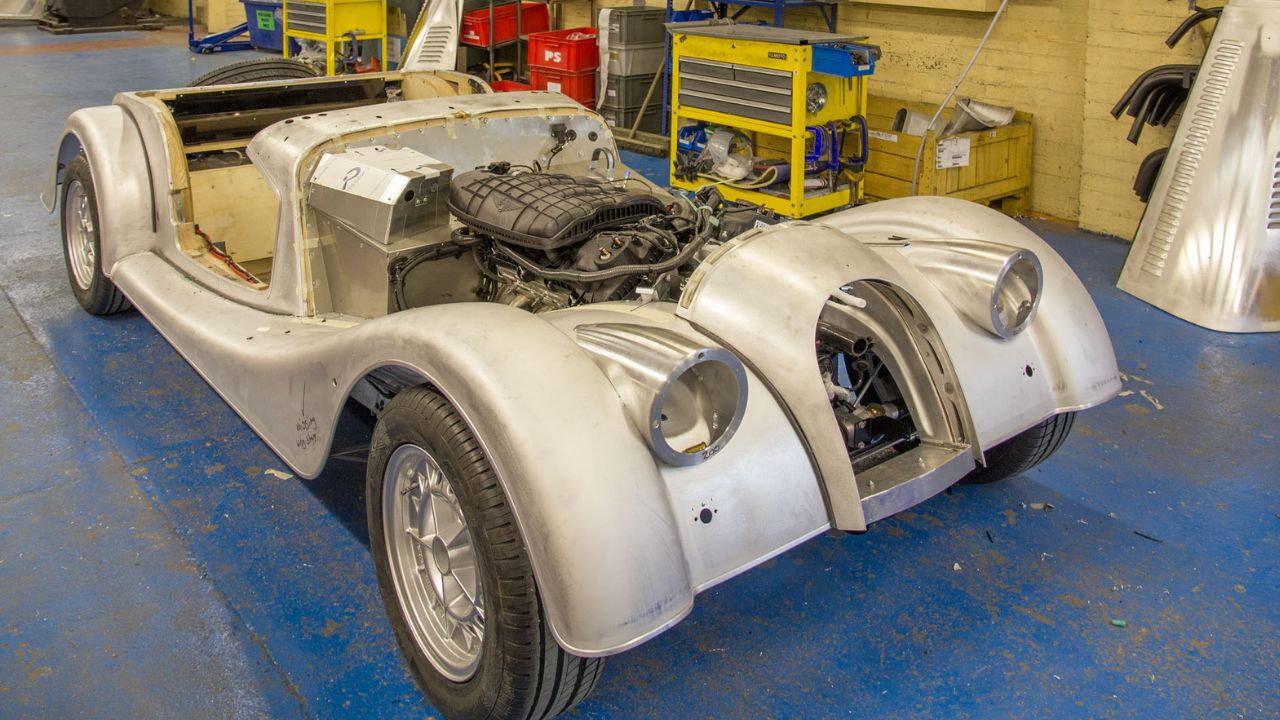
For car collectors, factory build sheets are more than just documentation; they are an essential part of a vehicle’s provenance. A build sheet can enhance the value of classic and vintage cars by providing a documented history of the vehicle’s original specifications. Collectors often seek out these documents to verify the authenticity of their prized possessions. For those looking to preserve build sheets, it is crucial to store them carefully, away from moisture and direct sunlight, to prevent deterioration over time.
In the digital age, the accessibility of build sheets is evolving. Many manufacturers are moving towards digital build sheets, making them more easily available to car owners. This shift offers both challenges and benefits for collectors. Digital build sheets are easier to store and share, but they may lack the tangible authenticity of physical documents. Nevertheless, as technology advances, digital build sheets are becoming a valuable tool for verifying vehicle details.
Frequently Asked Questions About Build Sheets
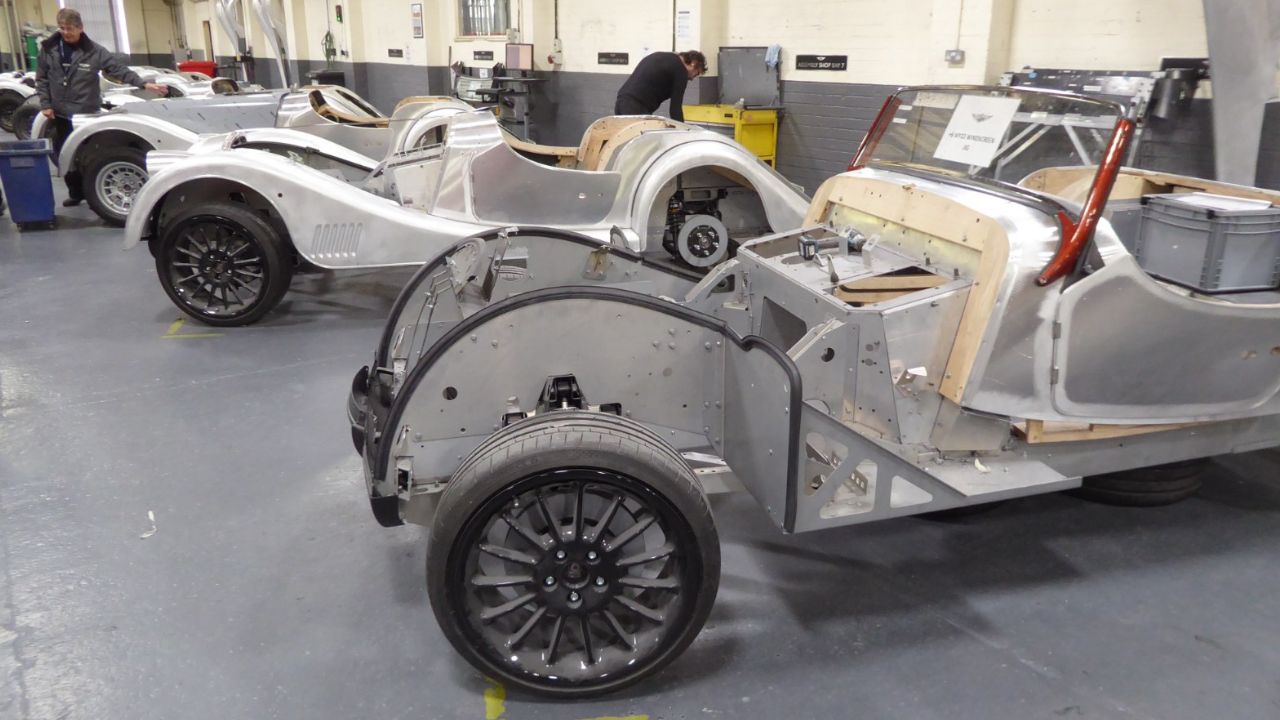
Car owners and collectors often have numerous questions about factory build sheets. One common query is how to obtain a build sheet for a specific vehicle. Typically, owners can request build sheets from the manufacturer or access them through specialized databases. Understanding the codes and terminologies used within these documents is another area where many seek clarification, as the technical language can be daunting for the uninitiated.
There are also several myths and misconceptions about build sheets. Some believe that these documents can reveal every detail about a vehicle’s history, while in reality, they primarily focus on the original specifications and components. Additionally, concerns about the ease of altering or falsifying build sheets are often exaggerated. Manufacturers take significant measures to ensure the security and integrity of these documents, making tampering unlikely.
In conclusion, factory build sheets are a fascinating aspect of the automotive world, offering insights into vehicle production that can surprise and sometimes challenge both owners and manufacturers. Whether used for verifying authenticity, uncovering manufacturing errors, or enhancing the value of a collectible car, these documents hold a wealth of information for those who know where to look.
Like Fast Lane Only’s content? Be sure to follow us.
Here’s more from us:
*Created with AI assistance and editor review.