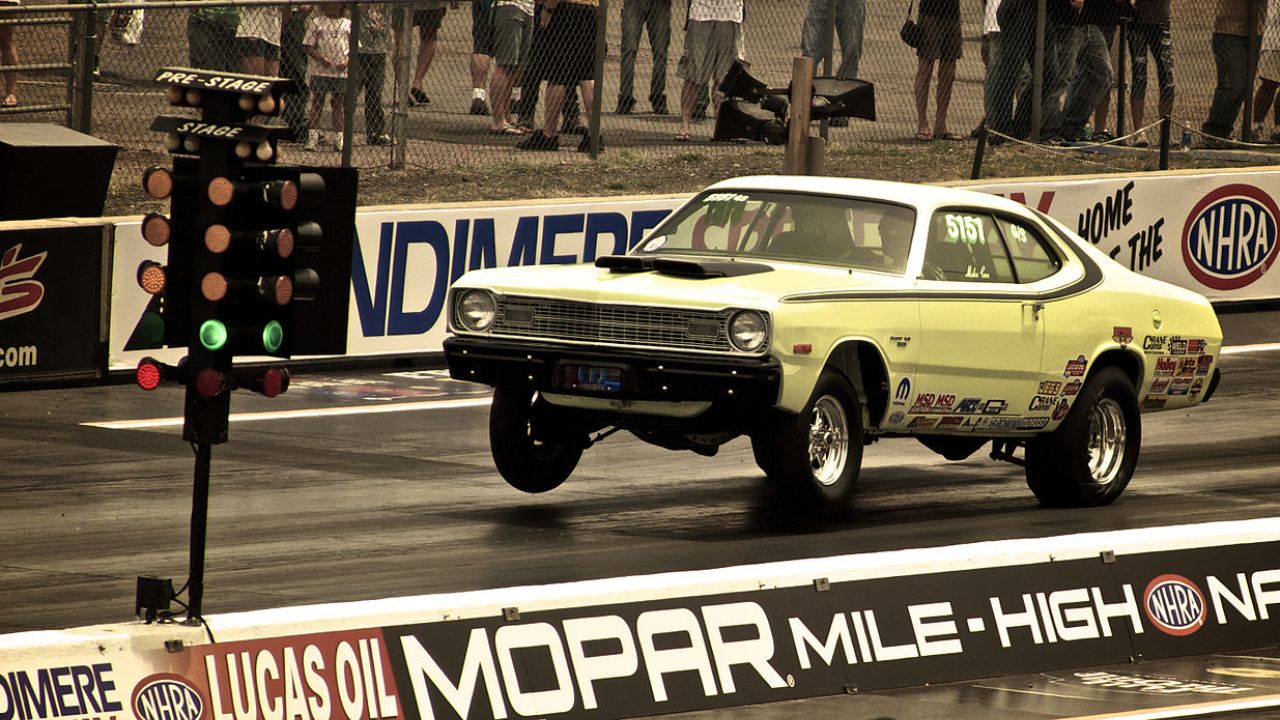
Most muscle cars looked tough—but 3.91 gears made them truly dangerous. These weren’t for cruising; they were for launching hard and pulling strong through every gear. Whether buried in a factory drag pack or slipped into a street racer’s axle, 3.91s meant you were serious about winning. Here’s why they mattered.
Factory Drag Packs Loved 3.91s
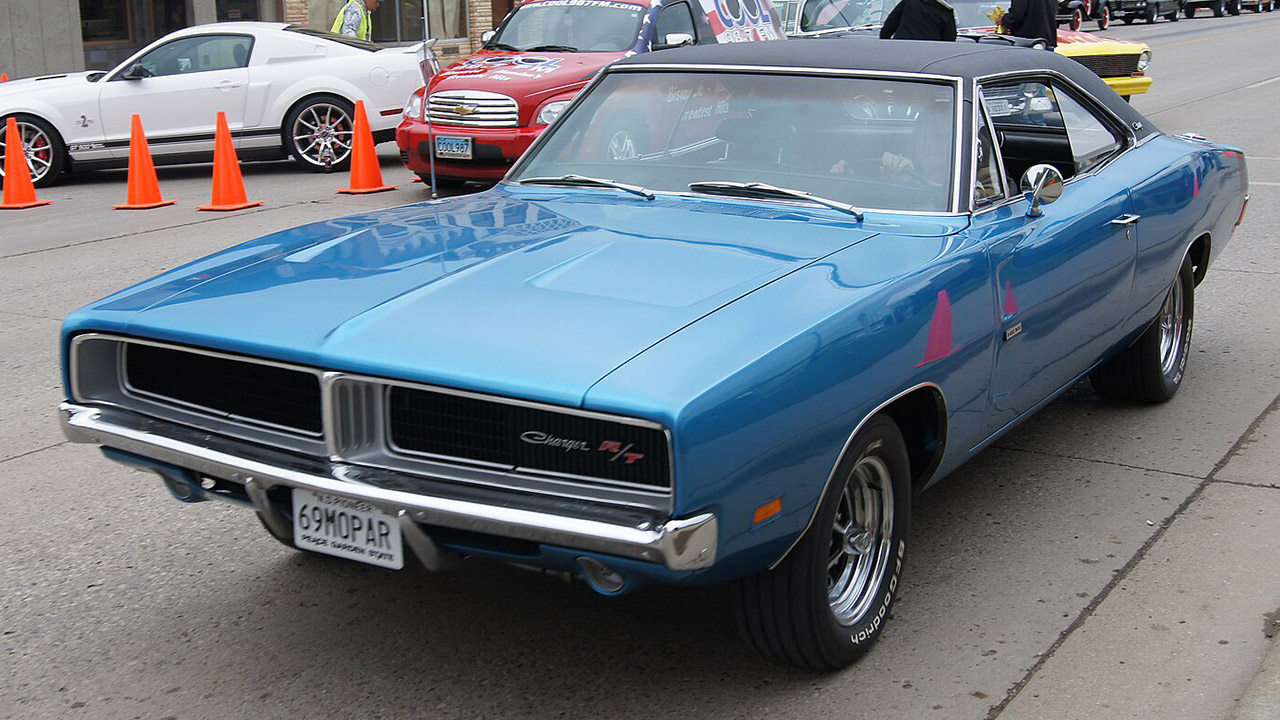
Many factory performance packages from the late ’60s and early ’70s included 3.91 gears, especially on Mopars and select Fords. Chrysler’s Super Track Pak, for example, bundled 3.91 Sure Grip gears with heavy-duty components and a Dana 60.
These weren’t just bolt-on gimmicks. Cars like the HEMI Challenger and 440-6 Road Runner used 3.91s to unlock serious acceleration. The ratio struck a balance: short enough to be quick, but not so short it killed highway manners—at least by 1970s standards.
Ideal for 4-Speed Cars
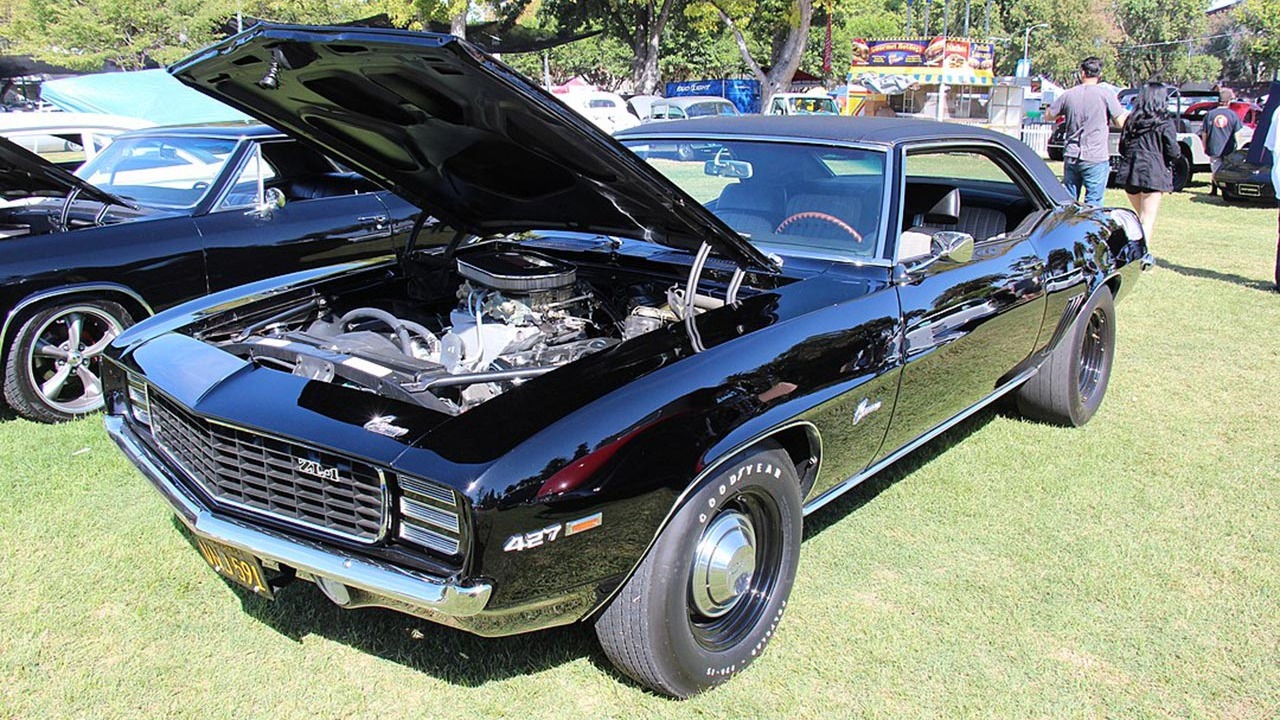
3.91s paired beautifully with close-ratio 4-speeds. Drivers could wind out each gear without falling out of the powerband—essential for street and strip performance. With the right clutch and driver, the combo made even heavy cars feel light.
These setups made their mark in NHRA Stock and Super Stock classes. Shifting through gears felt urgent and crisp, helping drivers keep the engine in its sweet spot. On paper, it looked simple. In practice, it made the car a handful—in the best way possible.
Kept RPMs in the Powerband
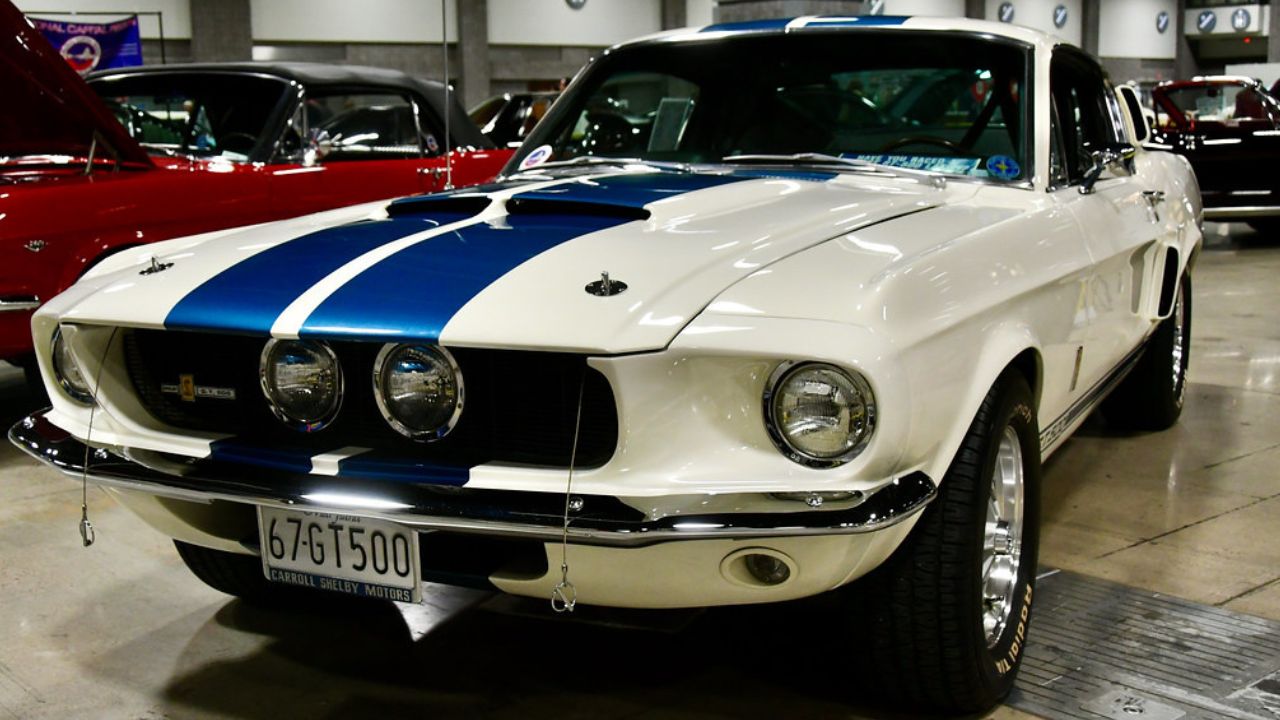
The 3.91 ratio ensured the engine stayed alive in the meat of the torque curve. That meant fewer dead zones and less time waiting for power to come back. It kept V8s aggressive and eager.
Especially in cammed-up builds with long intake runners and high-flow heads, the 3.91 gears kept revs where everything worked best. No bogging down in second gear or sluggish cruising. These were setups that begged to be rowed hard, not babied.
Terrible for MPG—and That Was Fine

Cars with 3.91 gears never pretended to be economical. On the freeway, they howled. But buyers knew exactly what they were signing up for. Gas mileage came second—if it came at all.
The sacrifice paid off at the track or on back roads. You gave up comfort for torque multiplication and mechanical violence. It made muscle cars less friendly to drive cross-country but far more capable in short bursts of brutality.
The Go-To Ratio for Street Racers
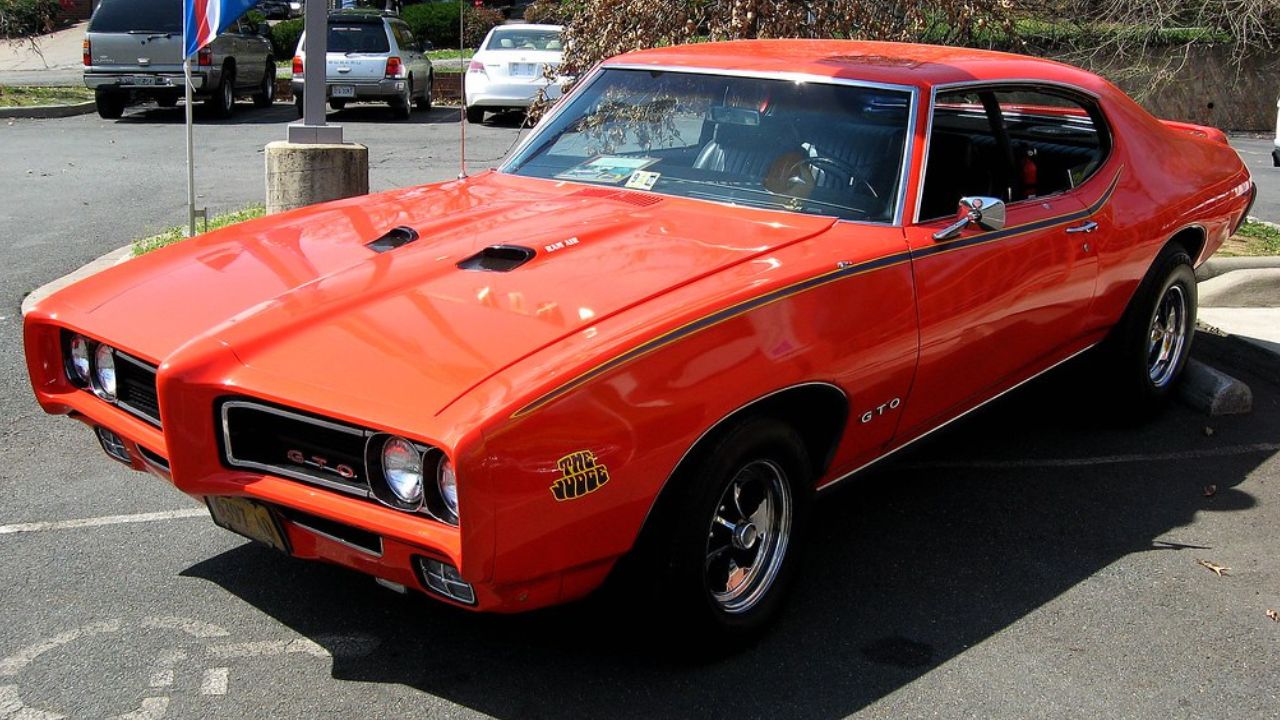
Among gearheads in the know, 3.91s became the “don’t ask, just run it” choice. Not as wild as 4.10s or 4.56s, but far more aggressive than your average 3.23. It was the sweet spot for street and strip setups.
If you were running slicks and a tunnel-ram intake on Friday night, 3.91s meant you weren’t messing around. They were just short enough to get you out front, but long enough to give you a shot in the top end if the other guy spun tires.
Often Backed by Serious Hardware
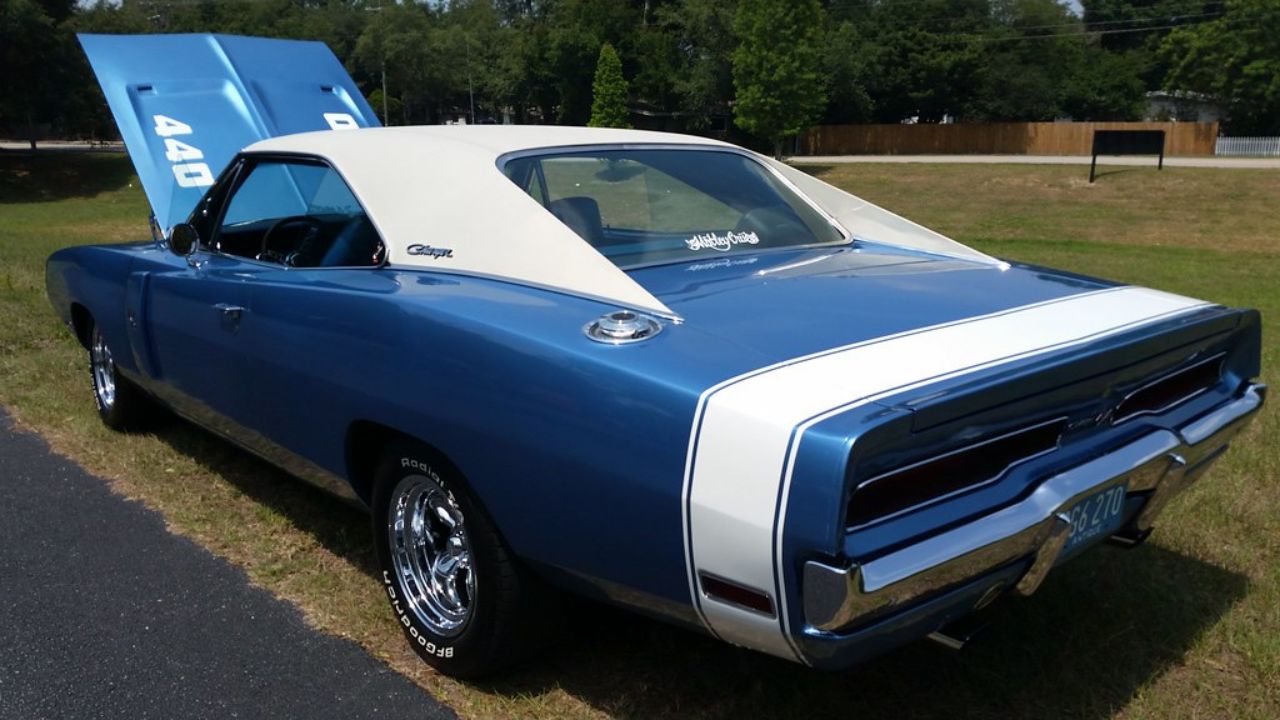
When factory cars got 3.91 gears, they didn’t get them alone. Chrysler’s Dana 60 rear axle, Ford’s 9-inch housing, and GM’s 12-bolt were usually part of the equation. These ratios needed strength behind them.
You weren’t going to pair 3.91s with a 7.5-inch open rear and expect it to live. These setups came with tougher yokes, bigger bearings, and more serious driveshafts. Because once that torque hit, weak links broke—fast.
A Red Flag for the Other Guy
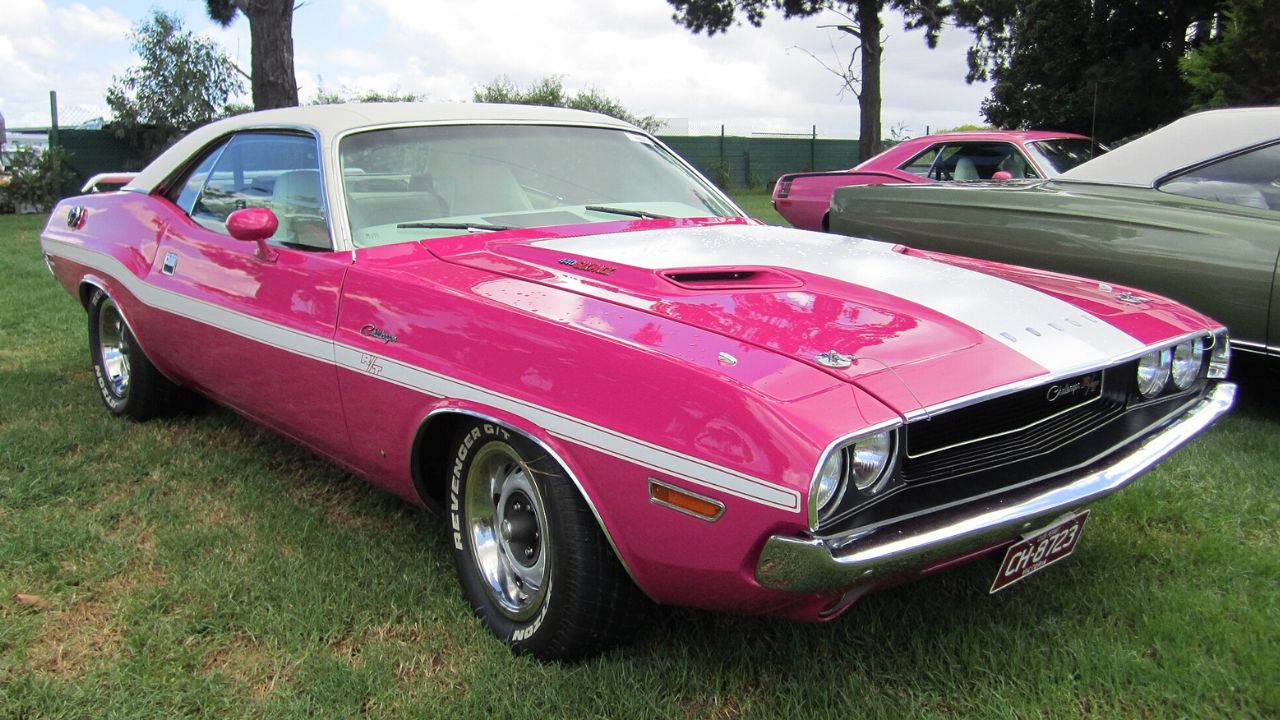
Spotting 3.91s on another car was a dead giveaway. Whether it was a coded axle tag, a printed window sticker, or just the sound of the revs at 60 mph, it was a clue the car meant business.
Street racers learned to check under the rear for telltale signs. If they saw a Dana or a beefy driveshaft and heard a high idle with lumpy cam chop, they knew to think twice. 3.91 gears didn’t bluff—they backed it up.
Like Fast Lane Only’s content? Be sure to follow us.
Here’s more from us:
*Created with AI assistance and editor review.