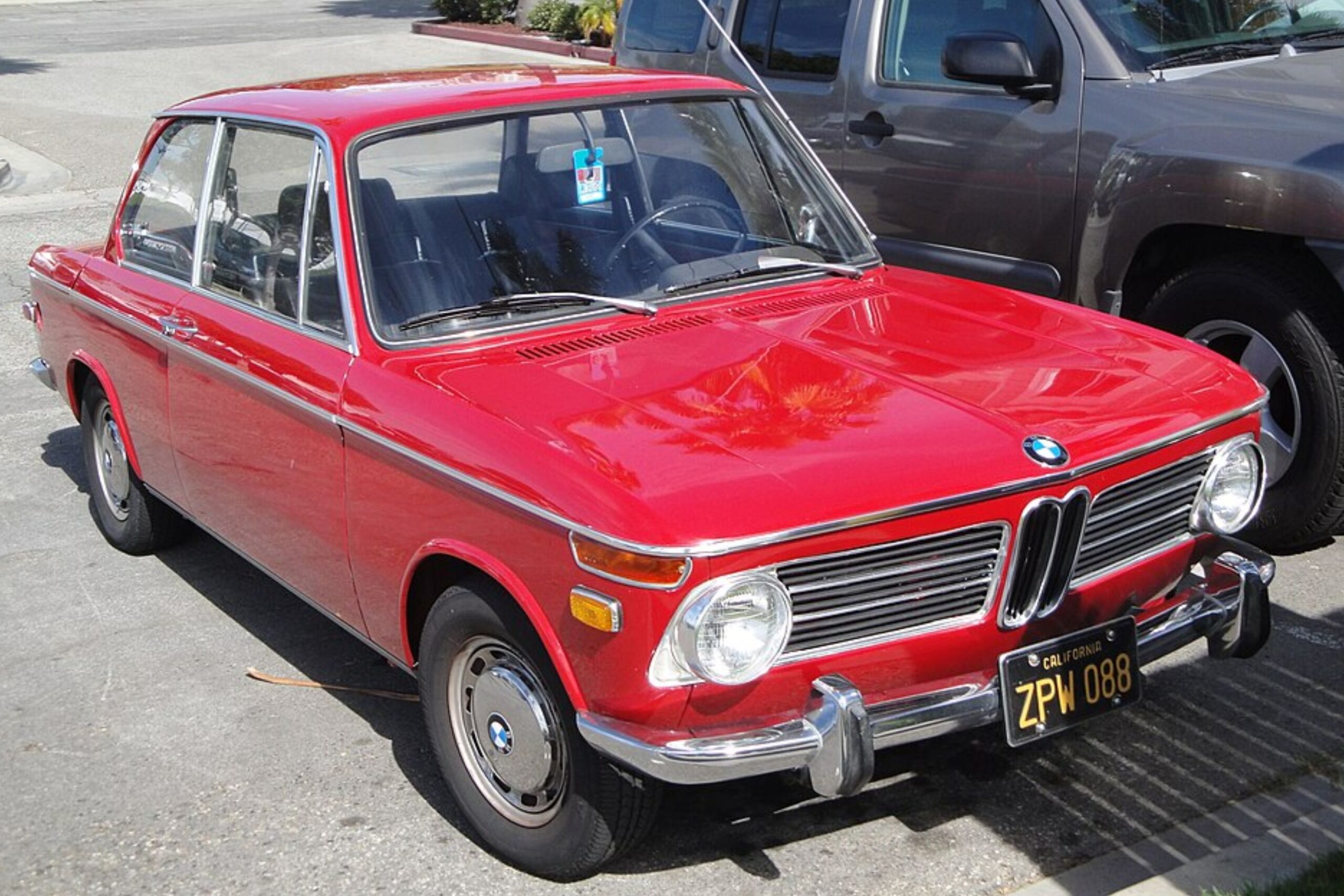
The photos were perfect. The paint looked deep and even, the chrome popped, and the interior had that tidy “weekend car” vibe that makes you start clearing space in the garage before you’ve even seen it in person. For a classic like a 1969 BMW 2002, that kind of presentation can feel like winning the lottery.
But when the pre-purchase inspection finally happened, the story changed fast. What seemed like a clean, lovingly kept vintage icon started to look more like a carefully styled set—great lighting, great angles, and just enough polish to distract from the parts that matter. The buyer walked in excited and walked out with a much longer checklist.
The “flawless” first impression
On arrival, the car still made a strong first impression. Panel gaps looked decent at a glance, the stance was right, and the engine bay had been cleaned to within an inch of its life. Even the little details—trim alignment, tidy carpets, and a steering wheel that didn’t look like it had survived a bear attack—felt reassuring.
Classic BMWs have a way of tugging at people, and the 2002 is basically the poster child for “simple, fun, and just classy enough.” That’s exactly why clean examples pull in buyers who aren’t necessarily looking for a project. The vibe here was “turn the key and enjoy,” not “learn to weld.”
Then the inspection started doing inspection things
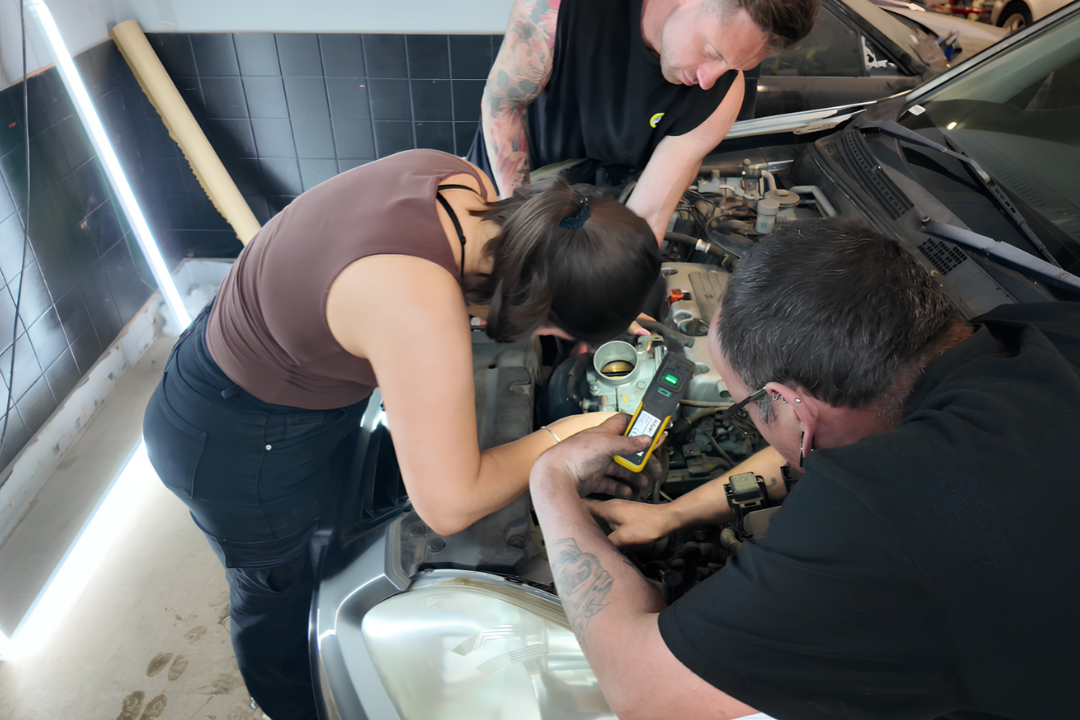
The first cracks in the story weren’t dramatic. They were the small, annoying clues a good inspector can’t unsee: fresh undercoating in suspicious places, overspray where there shouldn’t be any, and rubber plugs that looked newer than the surrounding metal. It wasn’t proof of anything by itself, but it did change the tone from “nice car” to “ask better questions.”
A magnet test around common rust points didn’t inspire confidence either. A couple spots felt strangely “dead,” like the metal was further away than it should be. That’s the sort of moment where everyone gets quiet, because everybody knows what comes next.
The real condition hiding under the shine
Once the car was on a lift, the truth showed up like it had been waiting. There were signs of old rust repair in the floors and rocker areas, and not the kind that makes you feel warm and fuzzy. Some patches looked like they’d been laid over questionable metal, then sealed and painted to keep things looking crisp from the outside.
On a 2002, rust isn’t a surprise—it’s practically a rite of passage. The surprise was how much of it had been disguised, and how recently. A clean paint job can be great, but when it’s paired with messy seams and thick coatings underneath, it starts to feel less like restoration and more like camouflage.
Bodywork tells stories, and this one had chapters
More clues came from the underside and inner panels. There were inconsistent welds in areas that usually look cleaner from the factory, plus uneven seam sealer that didn’t match the rest of the car’s aging. It suggested the shell had been worked on more than the listing implied, and not necessarily by someone chasing originality.
Inspectors also look for symmetry: do the suspension mounting points look even, do the rails run straight, do the inner fenders match left to right? The findings weren’t catastrophic, but they were enough to raise the possibility of past damage or at least a hard life. In classic-car terms, “not catastrophic” can still be expensive.
Mechanical surprises: not as charming as patina
Under the hood, the engine started and idled, but the inspection dug deeper than a quick rev in the driveway. There were signs of oil seepage in a few spots, plus aging hoses that looked like they’d been left out in the sun for sport. The car might still be drivable, but it didn’t scream “sorted.”
The cooling system raised eyebrows too, with staining around connections and a couple clamps that looked like emergency fixes rather than careful maintenance. That’s the kind of stuff that can turn a Sunday cruise into a shoulder-of-the-road chat with a tow truck driver. Charming cars don’t always do charming things.
The interior looked great—until they checked what matters
Inside, the seats and door cards photographed beautifully, and that wasn’t an illusion. But a closer look suggested a refresh meant to impress, not necessarily to restore. Some trim pieces didn’t quite fit, and a few fasteners looked mismatched, like they were replaced in a hurry.
Electrical checks added another layer. A couple accessories were intermittent, and some wiring under the dash looked “creative,” which is a polite way of saying it didn’t resemble factory routing. Electrical gremlins in old cars are common, but creative wiring can turn “common” into “why is it smoking?”
Why photos can be so convincing
This is the part that trips people up: a car can look flawless and still be fundamentally compromised. Good lighting hides waves in body panels, glossy paint hides filler, and a clean engine bay can distract from leaks that only appear after heat cycles. Sellers don’t even have to lie—sometimes the camera does the work for them.
And with iconic models like the BMW 2002, nostalgia does the rest. People remember the shape, the sound, the simplicity, and they want the story to be true. That’s why inspections matter most when you’re already emotionally invested.
What the buyer did next
Instead of arguing or storming off, the buyer did the smartest thing possible: asked for the inspection report in writing and started doing math. Not just “how much to fix,” but “how much to fix correctly.” Rust repair, if done properly, is labor-heavy and can quickly outrun the difference between a decent car and a truly solid one.
With the report in hand, there were a few options. Walk away, negotiate based on documented findings, or proceed only if the price reflected the real condition and the buyer was comfortable taking on metalwork and sorting. The key was that the decision was based on facts, not a flattering photo set.
A familiar lesson in the classic-car world
Anyone who’s shopped for vintage cars has heard some version of this story, because it keeps happening. The 1969 BMW 2002 is an especially tempting target for shiny makeovers: values are strong, demand is steady, and a fresh cosmetic refresh can look like a full restoration to the untrained eye. Sometimes it’s honest pride, and sometimes it’s a business plan.
The upside is that nothing here is mysterious. Rust, filler, patch panels, tired cooling systems, and improvised wiring are all fixable—just not cheaply, and not quickly. The inspection didn’t ruin the dream; it simply put a price tag on reality.
In the end, the buyer didn’t lose anything by checking. If anything, the inspection did its job: it kept “flawless” from becoming “why didn’t anybody tell me?” And in classic BMW ownership, that’s about as close to a superpower as you can get.
More from Fast Lane Only