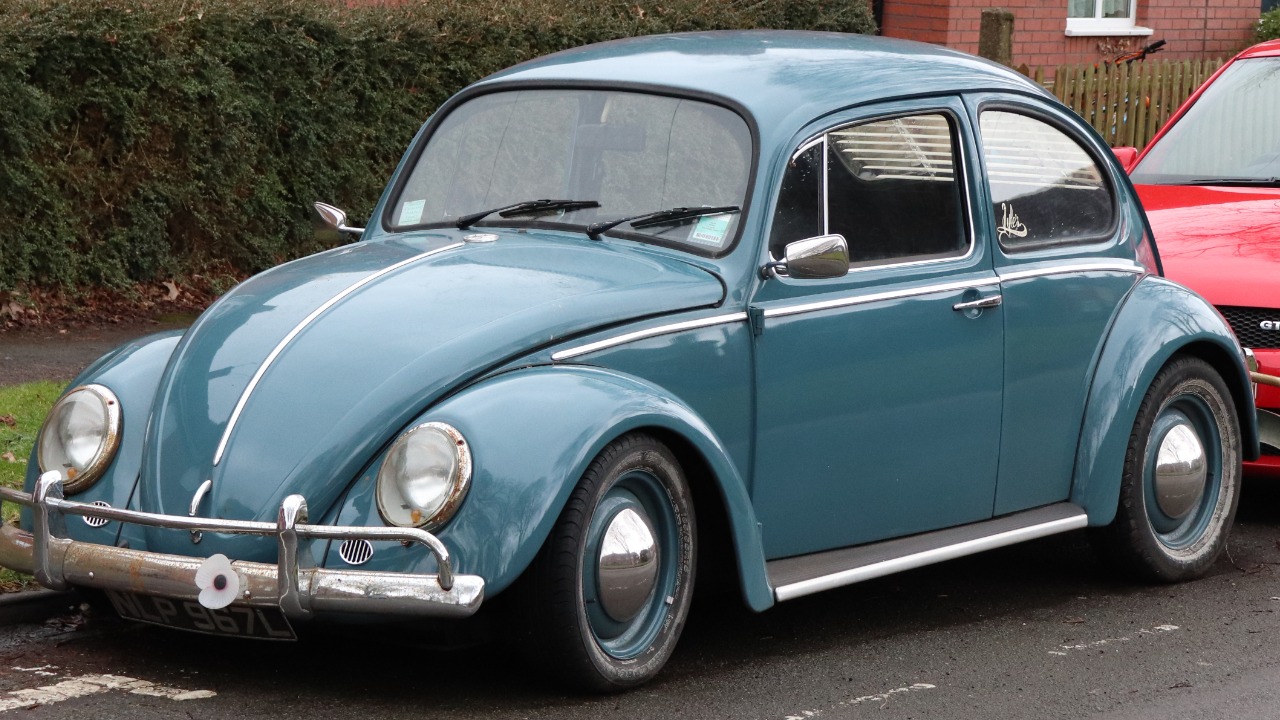
It started the way a lot of classic-car stories do: a long-time dream, a clean listing, and that little jolt of excitement when you spot a vintage Volkswagen Beetle that looks too good to pass up. He’d been hunting for a 1972 model—simple, cheerful, and just quirky enough to feel like a rolling time capsule. The seller described it as “restored,” and the photos backed it up with glossy paint, tidy chrome, and an interior that looked like it belonged in a brochure.
But after the handshake, the test drive, and the first few proud laps around the neighborhood, something didn’t sit right. Not in a dramatic “the wheels are about to fall off” way—more like the quiet, persistent sense that the car was keeping a secret. A week later, a routine cleanup turned into an all-day investigation that revealed what had been hidden under the Beetle’s shiny surface.
A “restored” Beetle that felt almost too perfect
On paper, the car checked every box. The body looked straight, the doors shut with that familiar Beetle “thunk,” and the engine started without the usual coaxing older cars sometimes demand. The seller said the restoration included fresh paint, new interior bits, and “lots of mechanical attention.”
He didn’t expect a museum piece—he wanted something to drive, tinker with, and show off at weekend meetups. Still, a couple details bugged him: the paint looked great from five feet away but seemed oddly thick around the lower panels. And underneath, the undercoating had a very uniform, freshly applied look, like it had been sprayed quickly to cover a lot of ground.
That’s not automatically suspicious, to be fair. Plenty of people undercoat classics to protect them, and repaint jobs often involve filler and touch-ups. But the longer he stared, the more he felt like the Beetle was wearing a really nice outfit to distract from what was going on underneath.
The first clue showed up during a simple cleaning
The discovery didn’t come from a mechanic’s lift or a dramatic breakdown on the roadside. It came from a vacuum, a flashlight, and one of those “I’ll just tidy this up real quick” impulses that never ends quickly. He was cleaning the front trunk area—what Beetle owners casually call the “frunk”—when he noticed the trunk liner didn’t sit quite flat.
At first, it seemed like nothing. A wrinkle, maybe, or a fastener missing. But when he pulled back the liner, he saw what looked like a patch panel with seams that didn’t match the factory lines he’d seen in reference photos.
He grabbed a small magnet, the kind people use when checking for body filler. In some spots it stuck firmly. In other spots it barely held on, like the steel was either very thin or not steel at all. That’s when “routine cleanup” became “okay, what exactly did I buy?”
What was hidden wasn’t treasure—it was history
With a closer look, the story started to come into focus. Under the trunk area and along sections of the floor, there were signs of previous repair work that didn’t look like a careful restoration. Some seams were uneven, and certain areas appeared to be layered—metal over metal—rather than cleanly replaced.
Then came the big surprise: evidence the Beetle had suffered significant damage at some point in its life. He found creases and welded reinforcements that suggested the front end may have taken a hard hit years ago, followed by repairs that prioritized “good enough to sell” over “done right.”
None of this meant the car was instantly unsafe, but it did mean the word “restored” was doing a lot of heavy lifting. The Beetle wasn’t simply refreshed. It had been resurrected, and not always with the kind of care you’d hope for in a car marketed as fully restored.
A deeper look turned up more oddities
Once you find one questionable patch, you start looking everywhere. He checked the heater channels—those notorious rust-prone structural sections on old Beetles—and found sections that appeared to have been covered rather than rebuilt. He also noticed mismatched hardware and a few telltale signs that panels might have come from different donor cars.
One detail that stood out was how new paint and undercoating seemed to “bridge” over edges and seams. That can be a sign someone sprayed over existing problems instead of addressing them. It’s like putting a fresh rug over a creaky floorboard and hoping nobody starts jumping.
He also spotted inconsistent VIN-related markings and rivets that didn’t look quite right for the era—nothing he could immediately call fraud, but enough to raise an eyebrow. In classic-car circles, even innocent inconsistencies can create headaches later, especially when it’s time to insure, resell, or register the vehicle.
So what happens next when a dream car has a past?
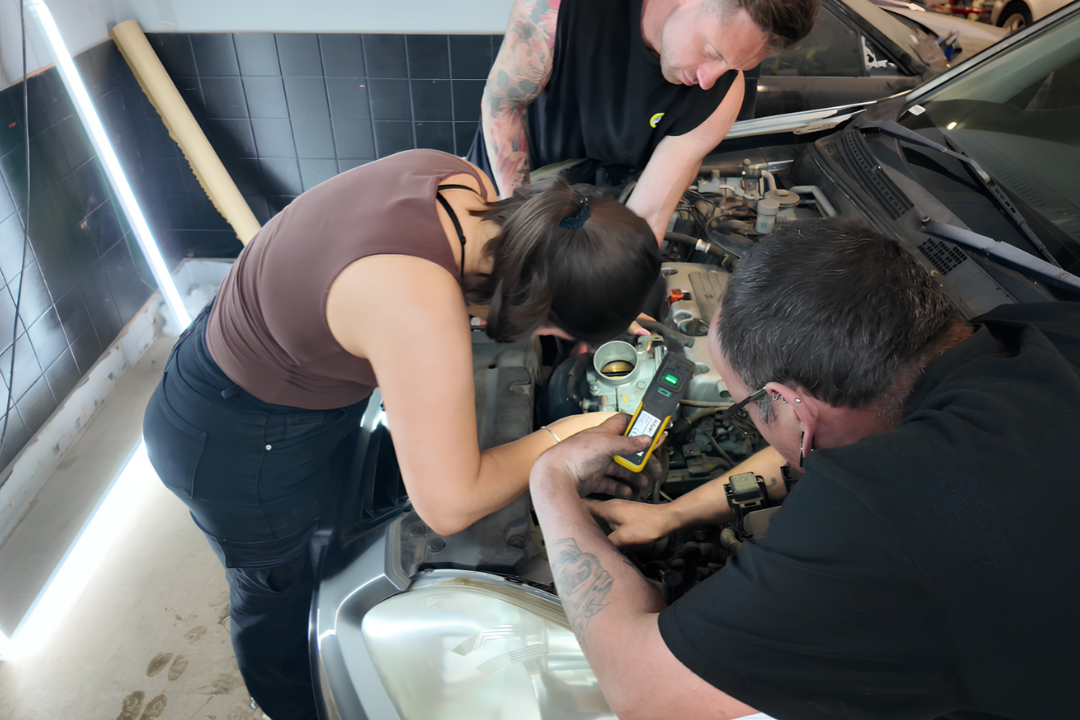
He did what a lot of people would do: he called a shop that knows air-cooled Volkswagens and asked for an honest inspection. The techs confirmed the car had extensive prior repair work, some of it acceptable and some of it questionable. The Beetle’s charm was real, but so were the compromises hidden beneath the shiny finish.
The estimate wasn’t exactly cheerful. Fixing structural areas properly—especially if rust and old accident damage overlap—can get expensive fast. The advice he got was practical: decide whether this Beetle is a “drive and enjoy” project with known flaws, or a true restoration candidate that will need time, money, and a lot of patience.
He also reached back out to the seller. That conversation, he said, was polite but tense. The seller insisted the car was restored “to the best of their knowledge,” which is a phrase that can mean anything from honest misunderstanding to careful wordplay.
Why this happens more often than people think
Classic cars live long lives, and a 1972 Beetle has had plenty of time to collect stories—some charming, some messy. Many have been daily drivers, winter beaters, or budget projects at different points. Repairs get made by different owners with different skill levels and different goals, and not everyone documents what they’ve done.
Also, “restored” isn’t a regulated term in most private sales. For one person, it means a bare-metal rebuild with receipts and photos. For another, it means “it runs, it’s pretty, and I replaced the seats.”
And because Beetles are so approachable, they’re also common candidates for quick flip-style makeovers: paint, upholstery, a few cosmetic parts, and enough undercoating to make the underside look freshly “protected.” It can be harmless, or it can be used to hide problems long enough to close a deal.
What buyers can learn from one Beetle’s hidden surprises
He says he doesn’t regret buying an old car—he regrets trusting the photos more than his instincts. If he could rewind, he’d bring a knowledgeable friend, do a magnet test in multiple spots, and insist on seeing the underside on a lift. He’d also ask for restoration photos and receipts, not as a “gotcha,” but as a normal part of verifying the story.
He’s still driving the Beetle, just with a more realistic mindset. It’s not a perfect restored classic. It’s a lovable, slightly mysterious machine with a past—one that’s now getting a second look, this time with fewer secrets and a lot more scrutiny.
And if there’s a silver lining, it’s this: the Beetle taught him quickly what every classic-car owner eventually learns. The shiny part is easy. The truth is usually underneath.
More from Fast Lane Only