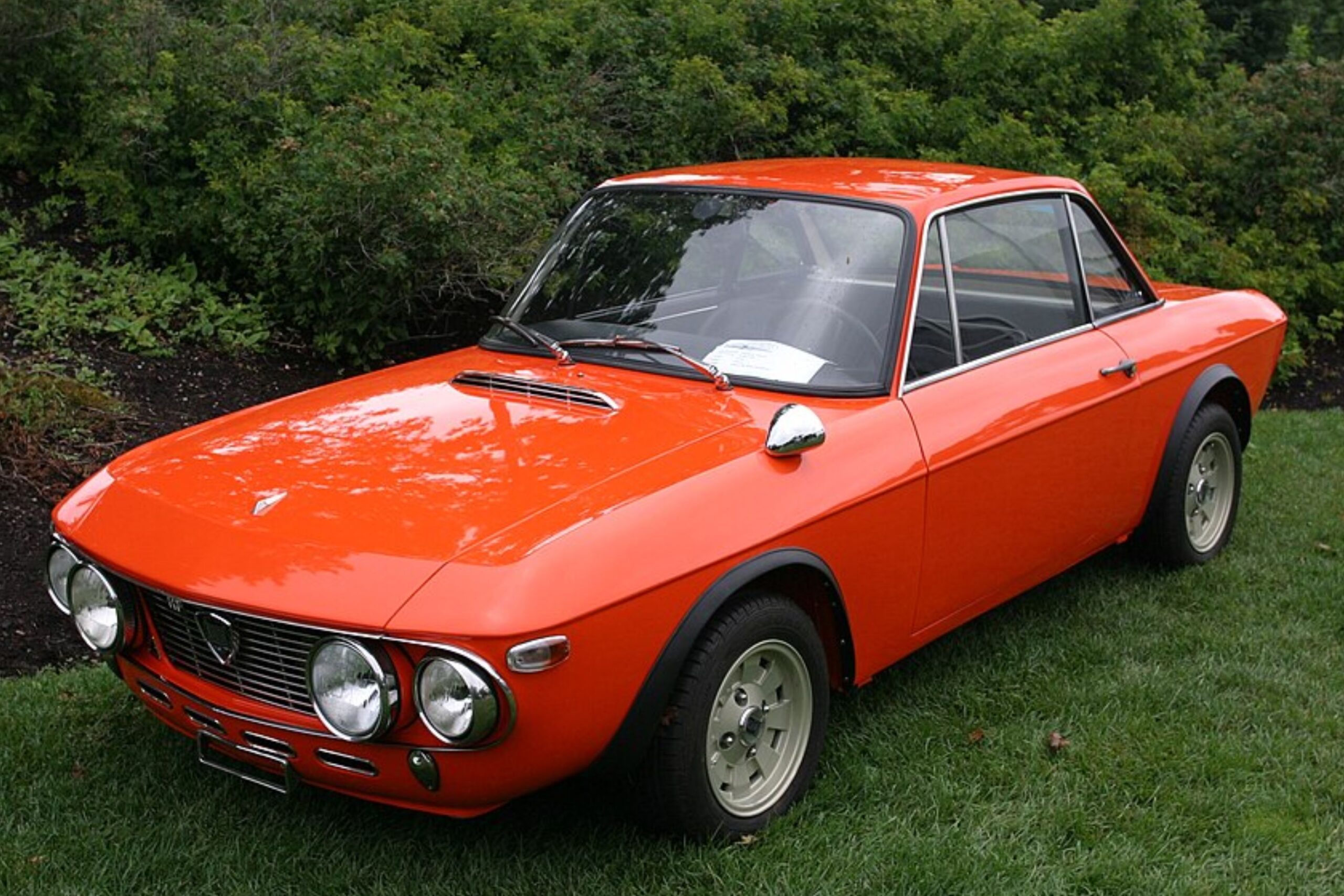
It started the way a lot of vintage-car stories do: a gorgeous listing, a confident seller, and a buyer who’d wanted this exact model for years. The car was presented as a 1970 Lancia Fulvia, the kind of compact Italian coupe that makes people linger in parking lots. The seller didn’t just imply it was real—they reportedly guaranteed it was authentic, numbers-correct, and “exactly what it claims to be.”
For a moment, everything lined up. The photos looked right, the stance was right, and even the interior had that charming, slightly serious Italian vibe. The buyer says they were told the paperwork matched, the history was straightforward, and there were “no stories” behind the car—always a suspiciously comforting phrase in the collector world.
A classic with a big reputation for small details
The Fulvia is one of those cars where details matter more than horsepower. Enthusiasts love it because it’s clever, light on its feet, and full of engineering quirks that somehow work beautifully together. But that same quirkiness makes it easy for the untrained eye to miss what’s correct and what’s “close enough.”
That’s especially true for 1970-era cars, when small production changes, market-specific equipment, and mid-year tweaks can blur the lines. A correct badge here, a period wheel there, and a car can look convincing in photos even if it’s been rebuilt from multiple sources. And in the Fulvia world, mixing and matching happens—sometimes innocently, sometimes not.
The sale sounded simple, maybe a little too simple
According to the buyer, the seller leaned hard on certainty. The story was that the car had been cared for, restored at some point, and kept largely true to its original spec. The guarantee, the buyer says, was repeated more than once—like it was meant to settle any nerves before a transfer was made.
That confidence can be reassuring, but it can also act like a shortcut around due diligence. Many buyers do hire marque specialists or request factory archive checks, but plenty don’t—especially when a car appears clean and the seller seems knowledgeable. In this case, the buyer says they felt comfortable enough to proceed, expecting that any minor surprises would be normal “old car stuff,” not a question of identity.
Then came the one detail that didn’t fit
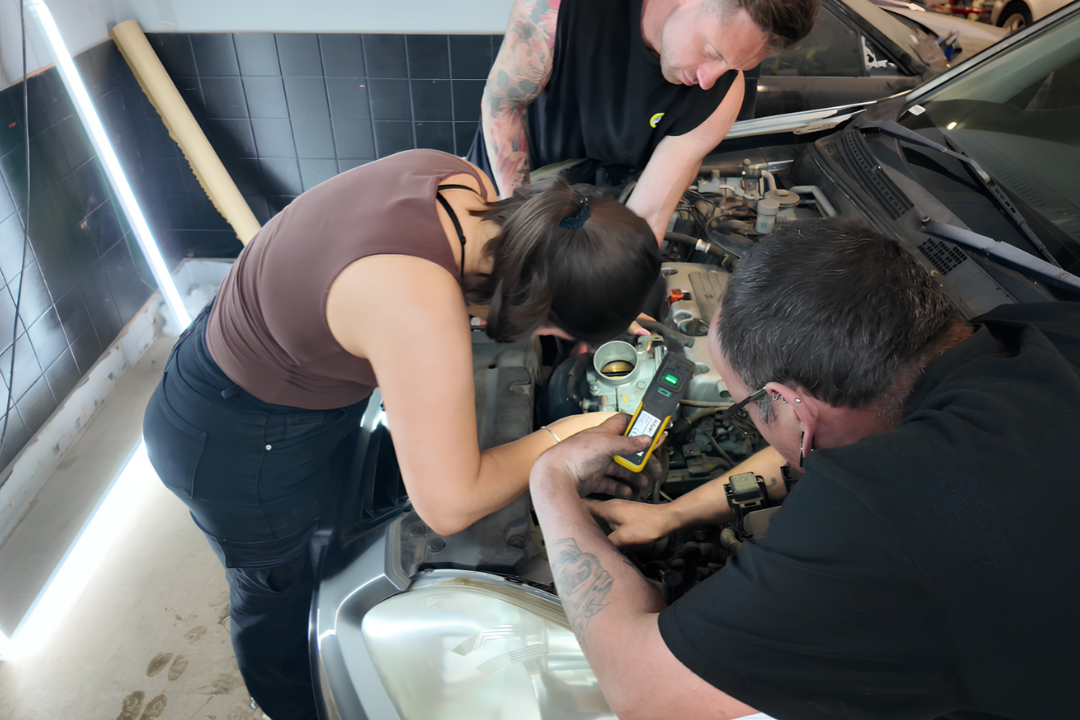
The turning point wasn’t a dramatic engine failure or a hidden accident repair. It was a detail small enough to miss until you’re looking at the car in person, up close, with time to poke around. The buyer says the first real doubt came from the chassis identification—specifically, the VIN stamping and the way the chassis plate was attached and finished.
On an authentic Fulvia from that period, the VIN stamping typically has a consistent font, depth, and placement that specialists recognize immediately. The buyer says the stamping on this car looked “off,” with characters that didn’t match known examples and spacing that seemed irregular. Even worse, the rivets and paint around the chassis plate reportedly suggested the plate had been disturbed or replaced.
It’s the kind of thing that sounds nerdy until you realize what it implies. A swapped plate can mean anything from a legitimate body-shell replacement done decades ago to a more deliberate attempt to give one car the identity of another. Either way, it’s not the kind of surprise you want after being told the car was guaranteed authentic.
How one odd VIN detail can unravel a whole story
Once that doubt landed, the buyer says they started checking everything they’d previously taken on faith. That meant comparing the VIN format to known Fulvia production records, looking at period photos of original stampings, and checking whether the claimed model year lined up with other features on the car. On cars like this, identity isn’t just a number—it’s a pattern of many little truths that should agree with each other.
The buyer also says they noticed inconsistencies that didn’t stand out at first: hardware that didn’t match the era, an interior detail that suggested a different trim level, and signs that the car may have been built up from parts sourced across multiple vehicles. None of those things automatically prove fraud. But when the core identity marker looks questionable, those inconsistencies stop being “quirks” and start looking like clues.
Authentication isn’t just paperwork, it’s fingerprints
One reason these disputes get messy is that paperwork can be misleading—sometimes accidentally, sometimes not. Titles and registrations can carry forward errors for decades, especially with imported classics that changed hands across borders. A document might say “1970 Lancia Fulvia,” but that doesn’t guarantee the shell, stamping, and factory spec all match that description.
Collectors often describe authentic cars as having “fingerprints”: stampings, weld patterns, bracket shapes, and production details that are hard to fake convincingly. A skilled restorer can do incredible work, but replicating factory-style stampings and the surrounding age tells can be trickier than people think. It’s like trying to copy a signature you’ve only seen once—close isn’t always close enough.
The seller’s guarantee meets the reality of verification
The buyer says they returned to the seller with questions, expecting a straightforward explanation. Maybe it was a known replacement plate, maybe it was a documented shell change, maybe the car had an unusual history that simply hadn’t been explained well. Instead, the buyer says the responses were vague and focused on reassurance rather than evidence.
At that point, the buyer says they sought outside input from people familiar with Fulvias, including those who’ve seen enough originals to spot inconsistencies quickly. The feedback, they claim, was not comforting. While opinions can vary without a full inspection, the message was consistent: the identification details didn’t look right for a car being sold as unquestionably authentic.
Why this happens so often with beloved classics
Cars like the Fulvia sit in a sweet spot: collectible, charismatic, and valuable enough to attract restoration money, but still old enough to have messy histories. Parts availability fluctuates, cars get repaired with whatever is on hand, and over decades it’s easy for “restored” to blur into “reassembled.” Sometimes nobody’s trying to deceive anyone—people simply inherit a story and repeat it.
But guarantees change the tone. If a seller is willing to promise authenticity, buyers reasonably expect the seller has done the homework and can back the claim with documentation, photos, and expert verification. When the promise is strong and the proof is thin, that’s when small details—like a VIN stamping—suddenly become very big details.
What buyers are learning from the Fulvia dispute
The big takeaway isn’t “don’t trust anyone,” because most enthusiasts aren’t out to fool people. It’s that authenticity is something you confirm, not something you absorb through confidence. If a seller offers a guarantee, it’s fair to ask what it’s based on: factory archive letters, prior appraisal reports, restoration photos, and clear images of all identification marks.
And if a car’s identity depends heavily on plates and paperwork, it’s worth remembering that metal can be moved and stories can be polished. The buyer’s experience is a reminder that sometimes the truth isn’t hiding in a dramatic reveal—it’s sitting quietly in a set of uneven numbers stamped into steel, waiting for someone to look closely enough to notice they don’t quite belong.
More from Fast Lane Only