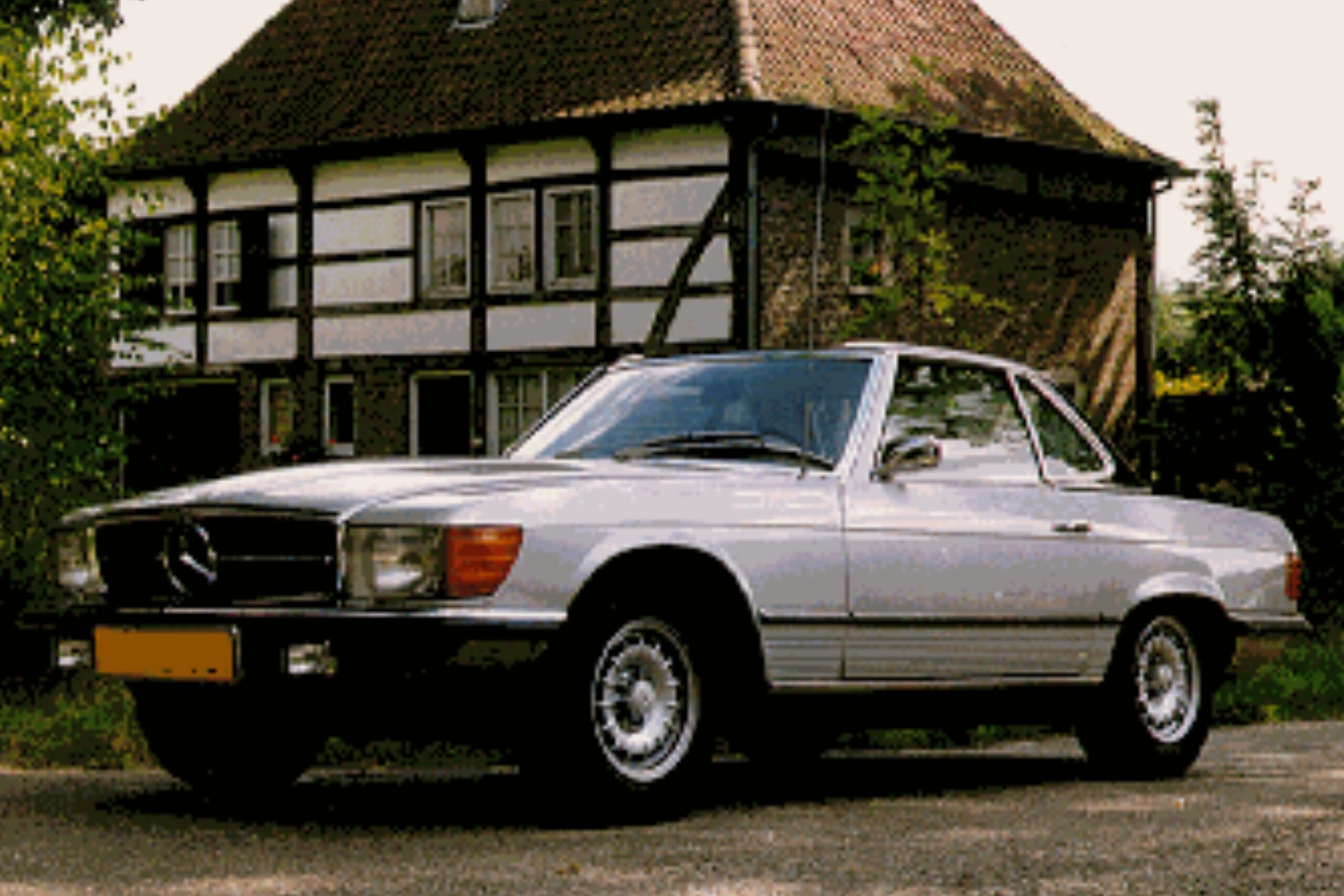
It started the way a lot of classic-car stories do: a little pride, a little worry, and a decision that seemed sensible at the time. He had a 1973 Mercedes-Benz 450SL, the kind of old-school roadster that turns errands into an event. After a few minor issues and a growing to-do list, he figured a dealer would be the safest pair of hands.
He dropped the car off expecting a professional process—inspection, estimate, updates, and a clean handoff when everything was sorted. Instead, he says the experience turned into a slow-burn mystery. Nothing exploded, no cinematic chase ensued. It was just… off.
A classic car with modern expectations
The 450SL isn’t rare in the way a one-of-one supercar is, but it’s special in the way any well-kept classic becomes special. It’s a machine with quirks, character, and a long memory. Owners learn the sound of the door closing, the feel of the steering, even the smell of the cabin—small details that become a kind of fingerprint.
That’s why he chose a dealer, he says. He figured a dealership would have the right tools, the right parts pipeline, and techs trained to work on older Mercedes models. Even if it cost more, it would be worth it for peace of mind.
The handoff: keys, paperwork, and a simple request
By his account, the plan was straightforward: address a few drivability concerns and give the car a thorough once-over. He also asked for clear communication—call before doing anything major, send photos if something unexpected came up, and keep old parts if anything needed to be replaced.
The check-in went smoothly at first. He says the staff was polite, the paperwork looked routine, and the car disappeared into the back like they’d done it a thousand times. He went home feeling like he’d made the responsible choice.
Silence stretches longer than expected
Then came the quiet. He says he expected a call within a day or two with a firm estimate, or at least a “here’s what we found.” Instead, days turned into more days, and updates were hard to pin down.
When he called, he says he got vague answers: the car was being looked at, someone would call back, a part might be needed. None of that is shocking on its own—shops get busy, parts take time, old cars surprise people. But the lack of specifics started to feel like the first pebble in the shoe.
The first odd detail: mileage that didn’t line up
He says the first real red flag hit him when he saw the mileage noted on a service document. It wasn’t wildly different, but it was different enough to make him pause. A classic owner tends to know the number the way people know their phone PIN—especially if they’ve been babying the car.
He asked about it. He says the explanation was casual, something along the lines of a clerical mistake or a rounding issue. Maybe that was true, he admits, but it cracked the sense that everything was being tracked carefully.
A new smell, a new feel, and questions nobody answered
When he finally got the car back, he says the first thing he noticed wasn’t a warning light or a missing trim piece. It was the vibe. The interior smelled different, like a stronger chemical cleaner than he was used to, and he couldn’t shake the feeling that something had been “reset” without him being told.
Then came the driving. He says the steering felt slightly different and the idle wasn’t quite what he remembered—subtle changes, but enough to spark that uncomfortable question: is this the same car, unchanged except for the work listed, or did something else happen?
Under the hood: small clues that didn’t add up
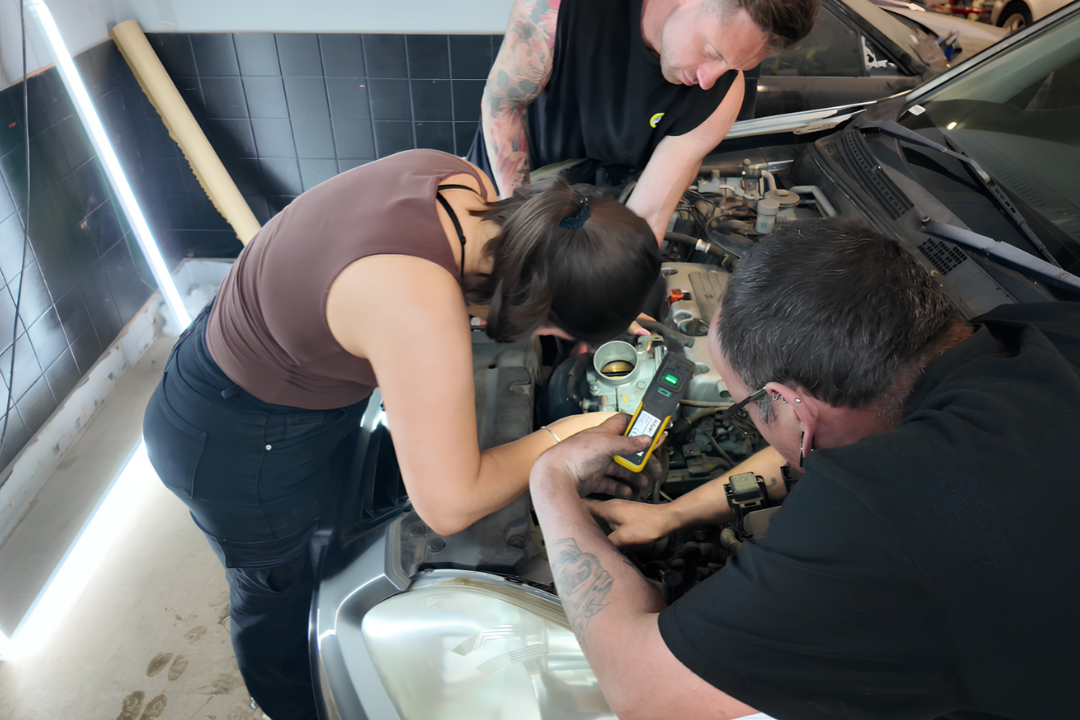
He popped the hood at home, partly out of habit and partly because curiosity had turned into concern. He says he noticed fresh marks around a couple of fasteners and what looked like newer hose clamps in places he didn’t expect. None of it screamed disaster, but it didn’t match the work he believed he’d authorized.
He also says a few items seemed out of place—routing that looked slightly different, a wire tie that wasn’t there before, and dust patterns that suggested more had been moved around than he’d been told. These are the kinds of details that sound minor until you’re the one staring at them, trying to remember how it looked last month.
Paperwork that felt thin for the price
What really bothered him, he says, was the gap between the invoice total and the level of detail. He expected a line-by-line breakdown, notes about what was tested, and a clear explanation of what was replaced versus cleaned versus adjusted. Instead, he says the documentation was generic—enough to bill, not enough to reassure.
He asked for the old parts he’d requested, and he says the response was uncertain. Maybe they’d been tossed, maybe they were somewhere in the back, maybe they weren’t replaced at all. It left him feeling like he’d paid for a story with missing pages.
Calling the dealer back: polite, but circular
He went back, not looking for a fight, he says, just clarity. If the mileage was a typo, fine—show the intake photo or the initial check-in record. If clamps were replaced, explain why. If the car had been test-driven extensively, be transparent about it.
He says the conversations stayed friendly, but went in circles. Nobody was openly hostile, yet nobody could produce a clean timeline. The effect, he says, was like trying to nail Jell‑O to a wall: lots of motion, nothing solid.
What experts say to watch for with classics
Independent mechanics who work on vintage cars often say the best protection is documentation before the car ever leaves your driveway. That means photos of the odometer, the engine bay, and any existing marks or quirks—because “before and after” settles arguments fast. It also helps to ask for a written estimate with authorization required for anything above a set amount.
They also recommend confirming who’s actually doing the work. A “dealer” can mean different things: sometimes it’s a master tech with decades of experience, sometimes it’s a general service department that rarely sees older models. A quick, direct question—who will wrench on it, and how often do they work on this era—can save a lot of stress.
The bigger lesson: trust is good, receipts are better
He says he’s not trying to paint every dealer with the same brush. Plenty of shops do excellent work, and misunderstandings happen without bad intent. But when a car is both valuable and personal, “probably fine” doesn’t feel fine for long.
For now, he’s keeping his own folder: photos, dated notes, and every piece of paperwork he can get. He also says he’ll be more direct next time—clear authorization rules, a request for old parts in writing, and a plan to check the car over immediately at pickup. It’s not paranoid, he insists. It’s just what happens when you hand someone the keys to something you love and later realize your gut noticed something your invoice didn’t.
More from Fast Lane Only