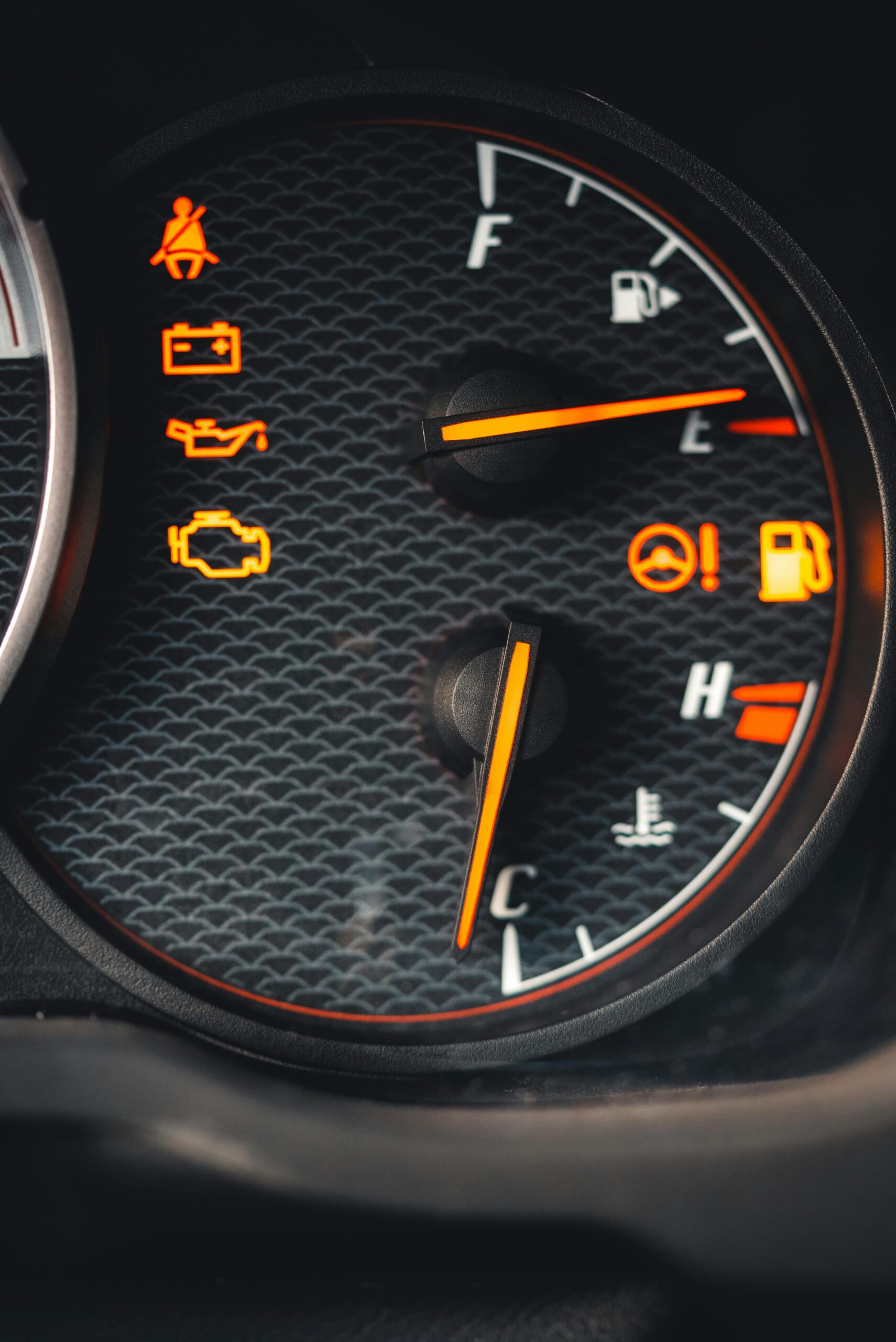
It’s the kind of thing that can turn a “new car” day into an “I knew it was too good to be true” day. A buyer says a dealership promised a used vehicle was “fully inspected,” only for the check engine light to pop on the very next morning. The purchase had barely had time to feel real before the dashboard decided to start a conversation.
According to the buyer, the pitch was reassuring: the vehicle had been checked over, it was ready to go, and there shouldn’t be surprises. Then came the little amber light—calm, steady, and somehow smug—hinting at an issue the buyer didn’t sign up for. Now the big question is whether this is a minor hiccup or the start of a very expensive relationship.
The “Fully Inspected” Promise vs. the Reality of Used Cars
“Fully inspected” sounds like a blanket of safety, but it can mean different things depending on the dealer and the paperwork. Sometimes it’s a real multi-point inspection with documentation. Other times it’s closer to “someone looked at it and it started when they turned the key.”
Used cars are complicated, too. A vehicle can drive fine on a test drive and still have a pending trouble code waiting to trigger the light after a few ignition cycles. That’s not a defense, exactly, but it’s part of why this situation happens so often.
What That Check Engine Light Could Actually Mean
Here’s the tricky part: a check engine light can signal anything from “replace the gas cap” to “prepare your wallet.” It might be an emissions-related fault, a sensor problem, or something more serious like a misfire that can damage the catalytic converter if ignored. The light doesn’t tell you severity—just that the car’s computer has feelings about something.
If the vehicle is running rough, hesitating, shaking, or smelling like fuel, that’s a bigger red flag than the light alone. And if the light is flashing instead of steady, that’s generally a “stop driving and get it checked now” situation. A steady light can still matter, but it’s often safe enough to drive straight to a shop for diagnostics.
Why It Can Show Up the Next Day
It’s surprisingly common for a warning light to appear shortly after purchase, and there are a few reasons. Some issues only show themselves once the engine is cold again, driven at highway speeds, or run through a few start-stop cycles. The car’s computer often needs a little time to confirm a problem before it turns the light on.
There’s also the uncomfortable possibility that the light was recently cleared. Clearing codes doesn’t fix anything; it just resets the computer’s memory until the system runs its self-tests again. That’s why many mechanics check “readiness monitors” during a pre-purchase inspection—because a freshly reset computer can look clean even when it isn’t.
What the Buyer Says Happened After the Light Came On
The buyer says they contacted the dealership quickly, expecting the “fully inspected” promise to translate into an easy fix. In situations like this, some dealers will bring the car back, scan it, and repair the issue—especially if the sale was recent and they want to avoid a bigger dispute. Others may point to the paperwork and insist the vehicle was sold “as-is,” even if the marketing language sounded more comforting.
Timing matters here. Reporting the issue right away strengthens the buyer’s position, if only because it shows the problem appeared immediately and wasn’t months of neglect. Waiting weeks can turn a clean complaint into a murky “who knows what happened” argument.
Paperwork, Warranties, and the Fine Print People Don’t Read (Until They Have To)
Whether the dealer has to pay for repairs often depends on what was signed. If the vehicle came with a written warranty—dealer warranty, certified coverage, or even a short “30-day powertrain” promise—that could be the buyer’s best leverage. If it was sold strictly “as-is,” the dealer may not be obligated to fix it, but that doesn’t automatically end the conversation.
Some states have used-car warranty rules, “implied warranty” protections, or specific requirements about disclosing known defects. There are also federal rules around the Buyer’s Guide window sticker in the U.S., which typically states whether the vehicle is being sold with a warranty or as-is. If the buyer still has photos from the lot or a copy of the Buyer’s Guide, that can help clear up what was represented at the time of sale.
The First Practical Step: Get the Codes Read (And Keep Proof)
The simplest next move is also the most useful: get the diagnostic trouble codes scanned and written down. Many auto parts stores will scan codes for free, and most repair shops can provide a diagnostic printout. The code doesn’t automatically equal a final diagnosis, but it’s a solid starting point and helps keep the discussion with the dealer factual.
It’s also smart to document everything. A quick photo of the illuminated dashboard, a screenshot of the code report, and notes about the date and mileage can go a long way. If the buyer ends up needing to escalate—through a manager, manufacturer program, or consumer agency—details matter.
How Dealers Typically Respond (And What Usually Works)
In many cases, a calm, specific request gets farther than a blow-up. Something like: the light came on the next day, here are the codes, and the buyer wants the dealer to diagnose and repair it at no charge. It’s not about winning an argument; it’s about getting the car into the service bay.
If the dealer pushes back, it can help to ask what exactly “fully inspected” meant and whether there’s an inspection checklist on file. If there’s a written inspection form, the buyer can compare it to the fault code and ask how the issue was missed. And if the vehicle was advertised with certain assurances, saving that listing can be handy—online ads have a funny way of disappearing once they’re inconvenient.
When It’s Minor… and When It’s Not
Some next-day check engine lights really are small stuff: an EVAP leak code from a loose gas cap, a tired oxygen sensor, or a minor emissions issue. Those can still be annoying, but they’re usually manageable. The stress level drops fast once the code points to something straightforward.
Other codes are more concerning, especially misfire codes, catalytic converter efficiency codes, overheating-related faults, or signs of internal engine issues. Even then, the key is not to guess. A proper diagnosis—sometimes including a smoke test for EVAP leaks or live-data analysis—separates “cheap fix” from “why is it making that noise?”
A Situation That’s Common, but Still Not “Normal”
Plenty of people have had this exact experience, which is both comforting and mildly infuriating. It’s common, but that doesn’t mean the buyer should shrug it off—especially when “fully inspected” was part of the sales pitch. If the vehicle truly was checked carefully, the dealer should have no problem showing the inspection record and standing behind the result.
For now, the best path is boring but effective: scan the codes, document the timeline, and give the dealer a clear chance to make it right. If they do, this becomes a quick service visit and an awkward story. If they don’t, the buyer will at least have the paper trail to pursue the next steps without relying on memory and frustration alone.
More from Fast Lane Only