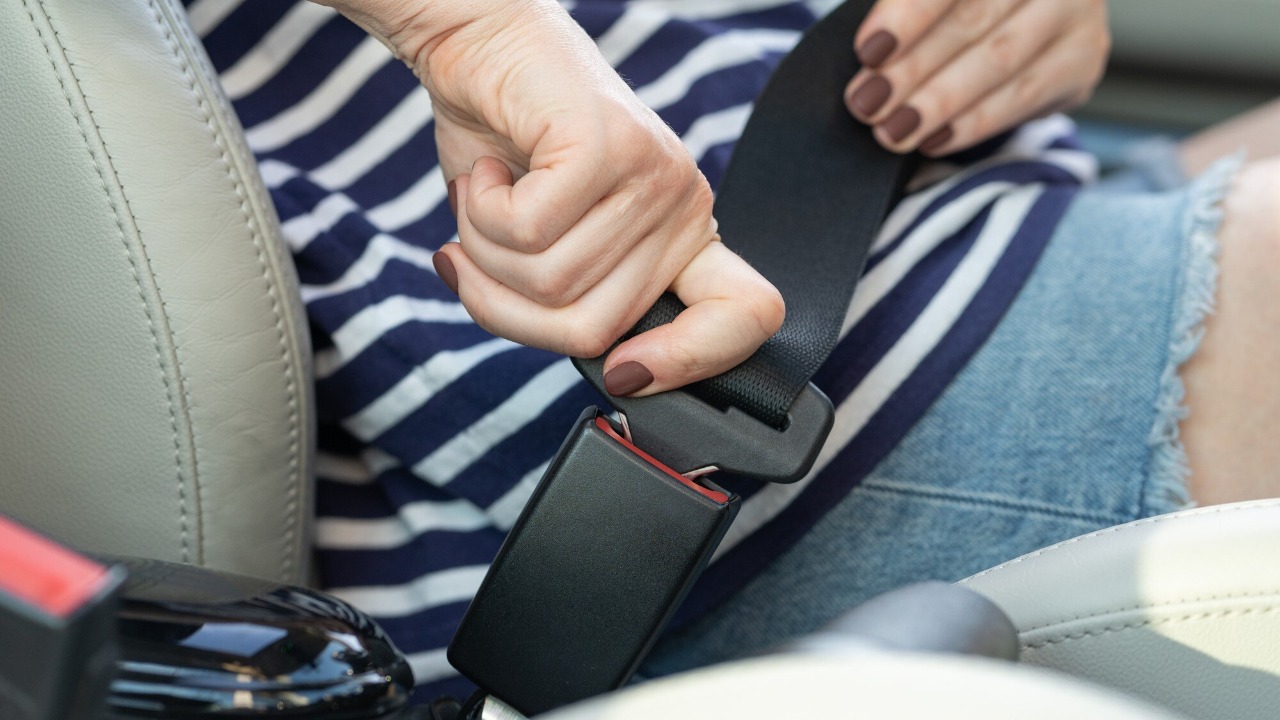
Hyundai has announced the recall of nearly 300,000 vehicles due to a potential defect in the seat belt system, which could increase the risk of injury in the event of a crash. This recall highlights ongoing concerns regarding vehicle safety and manufacturer responsibility.
Background of the Recall
The defect in question involves the seat belt anchor, which may fail under certain conditions, leading to an increased risk of injury in a crash. The implications of this defect are serious; a malfunctioning seat belt can compromise the safety of passengers, negating one of the most essential safety features in vehicles. With safety being a top priority for both manufacturers and consumers, this situation raises significant concerns about Hyundai’s commitment to vehicle safety.
Hyundai’s recall announcement came after several reports indicated potential issues with the seat belt system. The timeline of events leading to this recall includes initial investigations that began several months prior, culminating in a formal announcement from the company. These developments have sparked discussions about the adequacy of Hyundai’s safety protocols and their responsiveness to emerging safety issues. As recalls can affect consumer trust, it remains to be seen how this incident will impact Hyundai’s reputation, especially in a highly competitive automotive market.
Details of the Affected Vehicles
The recall affects a variety of Hyundai models, specifically those produced between 2017 and 2020. A full list of the affected vehicles includes popular models such as the 2017-2020 Hyundai Elantra, 2018-2020 Hyundai Sonata, and 2019-2020 Hyundai Tucson. These models have been identified due to potential issues with the seat belt anchoring system, which could lead to failures in the event of a collision.
In total, Hyundai has recalled approximately 292,000 vehicles across the United States. The geographic scope of this recall primarily targets the U.S. market, where the majority of the affected vehicles reside. However, similar concerns have prompted discussions about whether the recall will expand to international markets, given the global nature of vehicle manufacturing and distribution.
Nature of the Defect
The defect arises from a potential failure of the seat belt anchor, which is a critical component that secures the seat belt in place during a crash. If the anchor fails, it may not restrain the passenger effectively, increasing the risk of injury. The specific mechanism of failure has yet to be fully detailed by Hyundai, but they have indicated that it could result from wear and tear or manufacturing variances that compromise the integrity of the anchor.
The potential risks of this defect are alarming. In the event of an accident, the failure of the seat belt to properly secure a passenger could lead to severe injuries or fatalities. To address these concerns, Hyundai has issued a statement acknowledging the issue and emphasizing their commitment to resolving it swiftly. The company plans to implement corrective actions to ensure that all affected vehicles are brought up to safety standards.
Recall Process
As part of the recall process, Hyundai will notify all affected vehicle owners via mail. The notification will include specific details about the recall, instructions for what to do next, and information on how to schedule repairs. Affected owners are encouraged to check the Hyundai website or contact their local dealership for further information on the recall.
The corrective measures involve replacing the defective seat belt anchors with updated components designed to meet safety standards. Hyundai has indicated that repairs will be performed free of charge for the vehicle owners. The timeline for the recall process is expected to unfold over several months, as the company works to ensure that all affected vehicles are repaired effectively and efficiently.
Consumer Reactions
Facebook highlights the apprehension of many owners who feel unsettled about the reliability of their vehicles. The recall’s impact on Hyundai’s sales is yet to be fully determined, but there is speculation that it could lead to a temporary dip in consumer confidence. Customers looking to purchase new vehicles may hesitate if they perceive ongoing safety concerns. As a result, Hyundai may need to implement marketing strategies to reassure consumers about the safety and reliability of their vehicles moving forward.
Regulatory Oversight
The National Highway Traffic Safety Administration (NHTSA) plays a crucial role in overseeing vehicle recalls and ensuring public safety. In this case, the NHTSA’s involvement began when reports of the seat belt defect surfaced. The agency monitors the situation closely and provides guidance to manufacturers on the necessary steps to take in response to safety concerns. Hyundai’s cooperation with the NHTSA will be vital in restoring consumer confidence and ensuring compliance with safety regulations.
In addition, there may be potential legal implications for Hyundai due to this defect. If injuries occur as a result of the seat belt failure, the company could face lawsuits or penalties, depending on the circumstances surrounding those incidents. Comparatively, this recall is not an isolated incident in the automotive industry; other manufacturers have faced similar challenges in the past, leading to increased scrutiny and regulatory oversight for all automakers.
Safety Measures and Recommendations
The importance of wearing seat belts cannot be overstated. According to the NHTSA, seat belts save thousands of lives each year and significantly reduce the risk of serious injury in motor vehicle accidents. As such, it is essential for vehicle owners to ensure that their seat belts are functioning correctly. The current recall serves as a reminder of the importance of regular vehicle maintenance and responsiveness to manufacturer notifications.
Automakers have a responsibility to ensure the safety of their vehicles, and the proactive measures taken by Hyundai in response to this defect are an essential part of that obligation. Consumers should remain informed about recalls and safety issues, as this knowledge can be critical for their safety. For those who own affected Hyundai vehicles, it’s advisable to check if their vehicle is included in the recall and to take immediate action by contacting their local dealership for repairs.
Future Implications for Hyundai
The long-term impact of this recall on Hyundai’s brand loyalty is uncertain. While some consumers may choose to remain loyal to the brand due to its history of reliability and customer service, others may become wary of future purchases. The company will need to navigate these concerns carefully to maintain customer trust and retention in a competitive marketplace.
Moreover, this incident may catalyze innovations in safety technology within Hyundai. As automotive technology continues to evolve, there is significant potential for manufacturers to enhance safety features in future models. By prioritizing safety and transparency, Hyundai can not only address current concerns but also position itself as a leader in automotive safety innovation.
More from Fast Lane Only