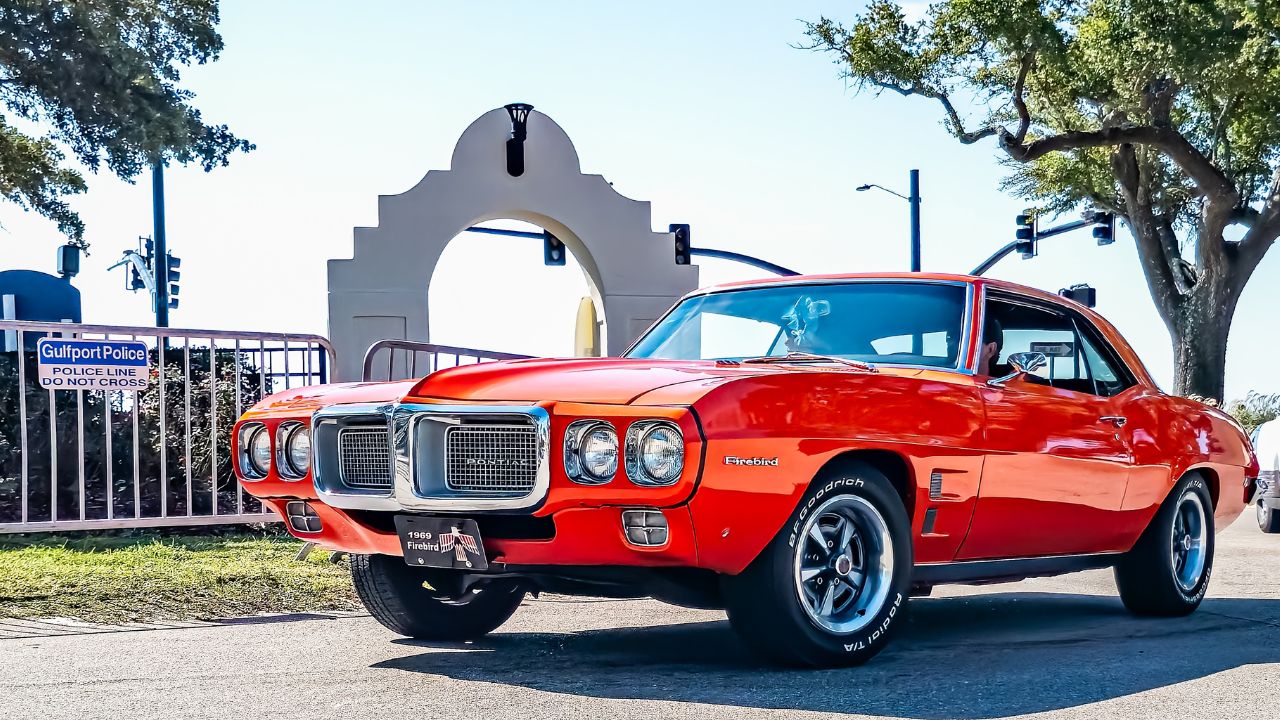
When the breakup dust finally settled, there was one detail that kept nagging at her more than the arguments or the awkward logistics: the 1969 Firebird. It wasn’t just a car. It was the weekend project, the “someday” dream, the thing they talked about fixing up when life got less busy.
So when he insisted on keeping it—without much discussion—she took it personally. Not because she needed another vehicle, but because the Firebird felt like a shared chapter, and he was ripping the last page out of it.
The Firebird that became a third roommate
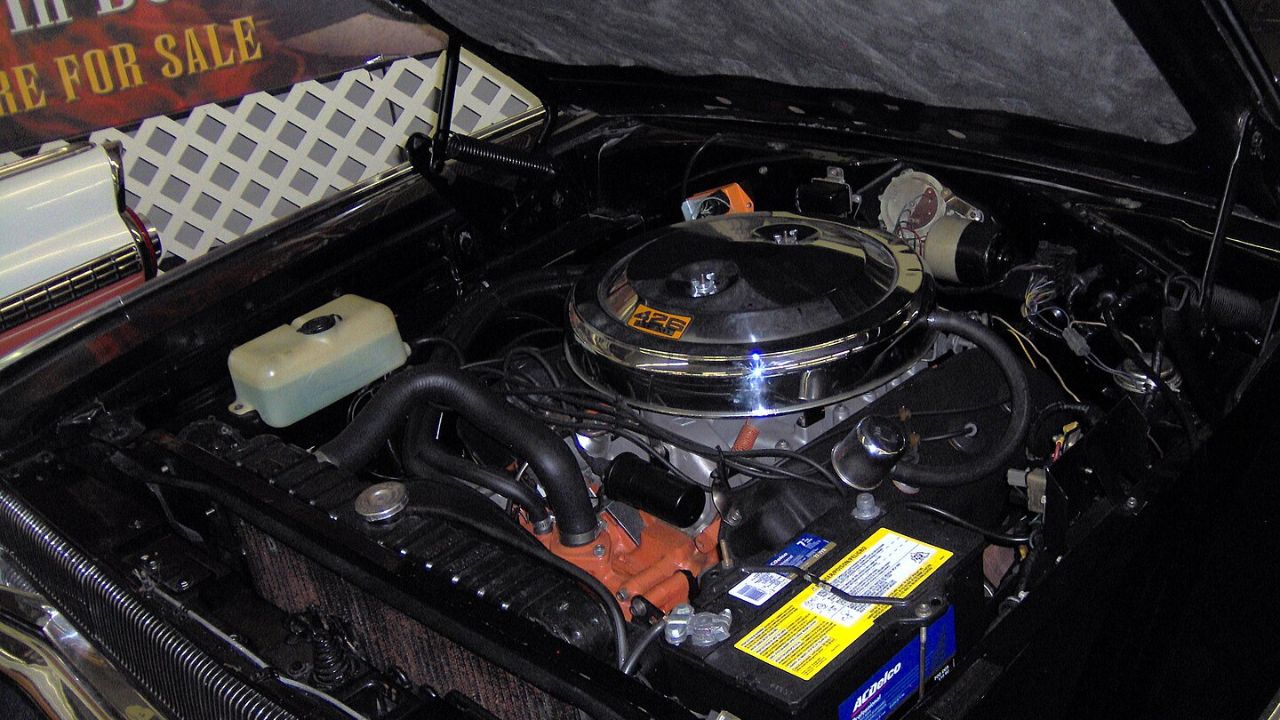
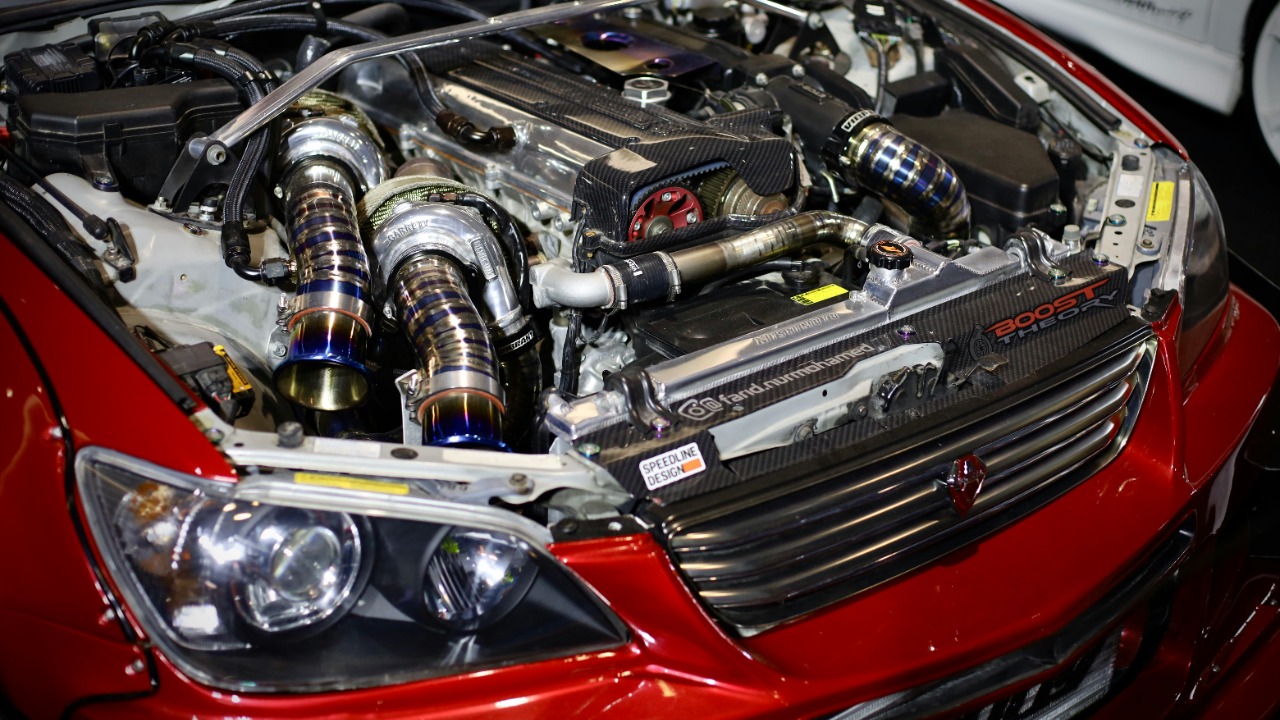
Friends knew about the car because it came up constantly. If they were grabbing coffee, the conversation drifted to carburetors and paint codes. If they were at a barbecue, he’d end up showing someone pictures of the engine bay like it was a baby’s first steps.
She didn’t pretend to be a muscle-car expert, but she was invested. She’d spent Saturdays running for parts, holding flashlights, and cheering through small wins—an engine that finally turned over, a panel that fit like it was supposed to.
Breakup math: who gets what, and why it stings
When they split, they divided things in the usual, slightly miserable way. Furniture. Kitchen stuff. Random items you didn’t realize you owned until you had to decide whose they were. The Firebird seemed like the biggest question mark, mostly because it carried the most emotion.
He didn’t ask. He stated. He’d keep the Firebird, and he’d handle “all of it.” He didn’t elaborate, and when she pressed, he shut down in that familiar way that suggested the conversation would only get colder if she kept pushing.
She walked away feeling like she’d lost something twice: first the relationship, then the symbol of the relationship. She told herself it was just a car, but it didn’t feel like “just” anything.
Then a detail didn’t add up
A few weeks later, she heard a comment from someone in their wider circle that made her pause. Apparently, he’d been seen trailering the Firebird across town late at night. That wasn’t totally weird—projects get moved—but it didn’t match what he’d said about “handling it” like it was staying put.
She tried not to spiral. Still, there’s a specific kind of curiosity that shows up when something feels off, like your brain is tapping you on the shoulder saying, “Hey. Pay attention.”
So she did a thing most people swear they won’t do after a breakup: she asked around. Casually, at first. Just little questions that sounded like small talk, even though her stomach was doing the tight-rope walk.
A paper trail hiding in plain sight
The real clue didn’t come from gossip. It came from paperwork. While sorting through old mail and shared documents, she found a copy of a storage agreement and a receipt for a climate-controlled unit—one that wasn’t in her name.
The date on it was the part that made her blink. It was from months before the breakup. Meaning this wasn’t a rushed decision after they split; it was something he’d planned while they were still together.
She checked the address. It was a storage facility across town, nowhere near where the car had been kept. And suddenly, his urgency to “just take the Firebird” started to feel less like sentiment and more like strategy.
The reason he was so determined to keep it
When she finally got a straight answer, it didn’t come from him. It came from someone who worked around the project-car scene and recognized the situation instantly: the Firebird wasn’t just a hobby anymore. It had become collateral—informal at first, then increasingly serious.
According to what she pieced together, he’d taken out a personal loan and used the car’s value and parts receipts to justify it. Later, when money tightened, the Firebird became the “thing” he couldn’t let go of, because letting go meant admitting how tangled things had gotten.
In other words, he didn’t keep the Firebird because it meant the most. He kept it because it was the easiest asset to control, move, and—if it came to it—sell quickly without her knowing the details.
It gets weirder: the car wasn’t exactly the same car
As she kept digging, another twist surfaced, the kind that makes you laugh once and then immediately stop laughing. The Firebird was still a 1969 Firebird, sure. But it had quietly changed over time in ways she hadn’t clocked.
A few original parts had been swapped for cheaper replacements. A “temporary” engine component had become permanent. Even the VIN-related paperwork had gotten messy, not necessarily illegal, but sloppy enough to raise questions about what was original, what was replaced, and what the car was truly worth.
It explained why he’d gotten cagey whenever she asked about selling it or getting it appraised. An appraisal would’ve forced the story into the open, and the numbers might not have matched the narrative he’d been telling everyone—including himself.
How she found out without turning it into a war
She didn’t go full detective in a dramatic, movie-scene way. It was more like steady adulting: confirming the title status, checking what was in her name, and figuring out whether she had any financial exposure tied to the vehicle.
She also talked to someone who actually understands this stuff—someone who knows what liens look like, how titles and loans connect, and which “handshake deals” can come back to haunt you. That conversation didn’t make her feel paranoid. It made her feel calm.
The big relief was learning she wasn’t on the loan. The Firebird, for all its emotional weight, wasn’t going to drag her credit down with it.
What people around them started noticing
Once the story got out in bits and pieces, friends began reinterpreting moments they’d previously shrugged off. The late-night towing. The sudden “don’t touch that box” attitude about certain parts. The defensiveness whenever anyone mentioned registering it properly or getting it insured at its real value.
Meanwhile, she had her own quiet reckoning. She realized she’d spent a lot of time protecting his pride, smoothing over questions, and treating his stress like a temporary phase. It wasn’t that she’d been naive; she’d been kind, and she’d assumed honesty was the default.
It’s a strange feeling to discover you weren’t just losing a relationship—you were stepping away from a problem that had been forming in the background for months.
A classic car, a modern lesson
In the end, the Firebird became a symbol, just not the one she thought. It wasn’t proof of their shared dream. It was proof that when someone’s finances start wobbling, they might cling to the one thing that makes them feel powerful, even if it means rewriting the rules.
She’s not out here saying every project car is a red flag. Plenty of people restore cars for the pure joy of it. But she does say this: if someone gets unusually controlling about an asset during a breakup, it’s worth asking whether sentiment is really the reason—or just the cover story.
And yes, she still thinks about that 1969 Firebird sometimes. But now it’s less heartbreak and more clarity—the kind you don’t get until after you’ve stopped trying to make someone else’s secrets make sense.
More from Fast Lane Only