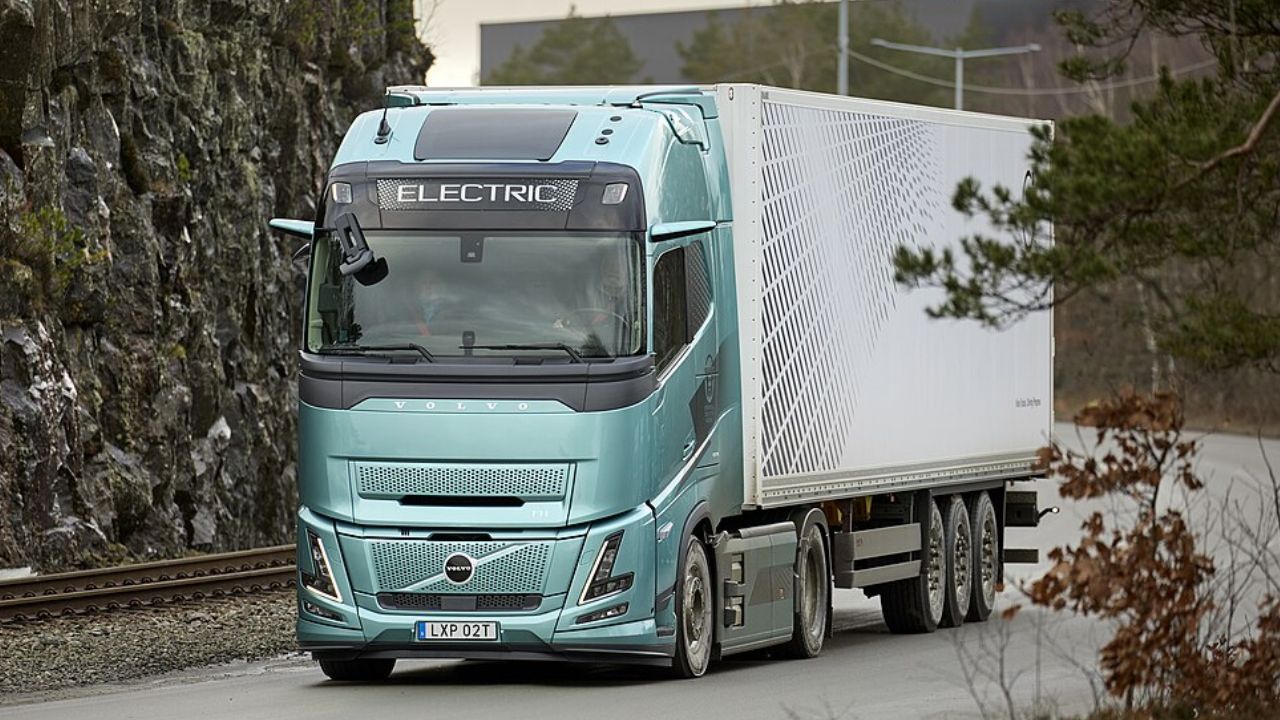
Volvo has made significant strides in the electric semi-truck market by refreshing its lineup to offer a remarkable range of up to 435 miles on a single charge. This innovation not only enhances the viability of electric logistics but also positions Volvo as a competitive player in the rapidly evolving electric vehicle sector.
Overview of Volvo’s Electric Semi Lineup
Volvo’s electric semi lineup features cutting-edge models designed for efficiency and performance. The current offerings include the Volvo VNR Electric and the upcoming VED series, which aims to cater to diverse logistics needs. These semi-trucks are equipped with advanced electric drivetrains, providing significant torque and responsiveness, making them suitable for various freight tasks.
What sets Volvo’s electric semis apart from their competitors is not only the range but also the integration of smart technology that enhances operational efficiency. Features such as advanced fleet management systems, regenerative braking, and automatic route optimization allow operators to maximize productivity while minimizing costs. The strategic importance of the electric semi market for Volvo cannot be overstated, as the company aims to lead the transition to sustainable transportation solutions in a sector traditionally dominated by fossil fuels.
Enhanced Range: Up to 435 Miles
Volvo’s achievement of a 435-mile range on a single charge is attributed to its innovative battery technology and energy management systems. The new models utilize high-capacity lithium-ion batteries that are not only lightweight but also efficient in power distribution. Engineered specifically for long-haul applications, this technology allows fleets to operate longer distances without the frequent need for recharging, which is a game-changer for logistics operations.
When compared to previous models like the VNR Electric, which offered a shorter range of around 250 miles, this enhancement positions Volvo ahead of many competitors, who typically provide electric semis with ranges of 300 miles or less. The implications for long-haul trucking operations are substantial; logistics companies can now plan routes with greater confidence, potentially reducing downtime and increasing overall productivity. For instance, companies can optimize delivery schedules without worrying about recharging stops, thus enhancing service efficiency.
Charging Capabilities
One of the most significant advancements in Volvo’s electric semi lineup is its fast-charging technology, which allows for a full charge in approximately 50 minutes. This capability is crucial for logistics operations that require quick turnaround times. The incorporation of high-power charging stations enables fleet operators to recharge their vehicles during brief stops, making it easier to integrate electric semis into existing logistical frameworks.
However, to effectively utilize this technology, there will be a need for substantial infrastructure investments. Logistics hubs will require the installation of fast-charging stations, and partnerships with established charging networks will be essential. Companies like ChargePoint and EVgo are already exploring opportunities to create a robust network of charging stations that can support the growing number of electric vehicles on the road. Collaboration with these service providers can facilitate the smooth introduction of electric semis into the market.
Environmental Impact and Sustainability Goals
Volvo has long been committed to reducing carbon emissions in the transportation sector, and the introduction of their new electric semi aligns seamlessly with this mission. By replacing conventional diesel trucks with electric models, Volvo aims to significantly lower greenhouse gas emissions, contributing to global sustainability initiatives. The shift to electric trucks is not just about compliance; it represents a proactive approach to environmental stewardship.
For companies looking to enhance their green logistics strategies, adopting Volvo’s electric semis can provide a competitive edge. Firms can market their commitment to sustainability, potentially attracting environmentally conscious customers. Furthermore, governments across various regions are offering incentives for companies that invest in electric vehicles, which can provide additional financial motivation for transitioning to greener alternatives.
Cost Considerations and Economic Viability
When it comes to the initial investment in electric semis, the costs can be higher than traditional diesel trucks. However, the long-term savings associated with electric vehicles often outweigh the upfront expenses. For instance, the operating costs for electric semis are generally lower, given the reduced expenses related to fuel and maintenance. Electric motors require less maintenance than diesel engines, leading to lower overall operational costs.
In addition, many regions offer incentives and rebates for companies that adopt electric commercial vehicles. Programs such as the U.S. federal tax credit for electric trucks or state-specific incentives can help offset the initial costs, making electric semis more economically viable. As more logistics companies recognize these benefits, I anticipate a trend toward increased adoption of electric vehicles in the commercial sector.
Technological Innovations in Volvo’s Electric Semis
The new models in Volvo’s electric semi lineup are packed with technological innovations that enhance both performance and safety. For example, the integration of advanced driver-assistance systems (ADAS) contributes significantly to the safety of fleet operations. Features such as lane departure warning, collision avoidance, and adaptive cruise control not only improve driver safety but also enhance overall fleet efficiency.
Additionally, Volvo is continuously working on future innovations that may include improved battery technology and enhanced connectivity features. The potential for real-time data analytics to optimize vehicle performance and maintenance scheduling is an exciting area of development. As electric semi technology continues to evolve, I believe Volvo is well-positioned to lead the industry with these advancements.
Customer Feedback and Market Reception
Early adopters of Volvo’s new electric semis have provided valuable insights into their performance and reliability. Fleet operators have praised the impressive range and quick charging capabilities, noting that these features have significantly improved their logistics operations. However, some concerns have been raised regarding the initial purchase costs and the need for adequate charging infrastructure.
Volvo is actively engaging with customers to address these concerns and gather feedback for future iterations of its electric semis. By listening to the market, Volvo can enhance its product offerings and ensure that they meet the evolving needs of fleet operators. The company’s commitment to customer satisfaction will be crucial as they navigate this competitive landscape.
Future Outlook for Volvo’s Electric Semi Strategy
Looking ahead, Volvo’s roadmap for electric vehicle development is ambitious. The company aims to expand its electric semi lineup further, exploring new models that cater to various market segments. With the increasing demand for sustainable transportation solutions, I anticipate that Volvo will continue to innovate and adapt to the changing landscape of the logistics industry.
As emerging players enter the electric truck sector, Volvo has the advantage of established brand recognition and a commitment to sustainability. The company plans to leverage its experience and technological expertise to compete effectively against these newcomers. With a clear strategy for growth and innovation, Volvo is poised to maintain its leadership position in the electric semi market.
More from Fast Lane Only