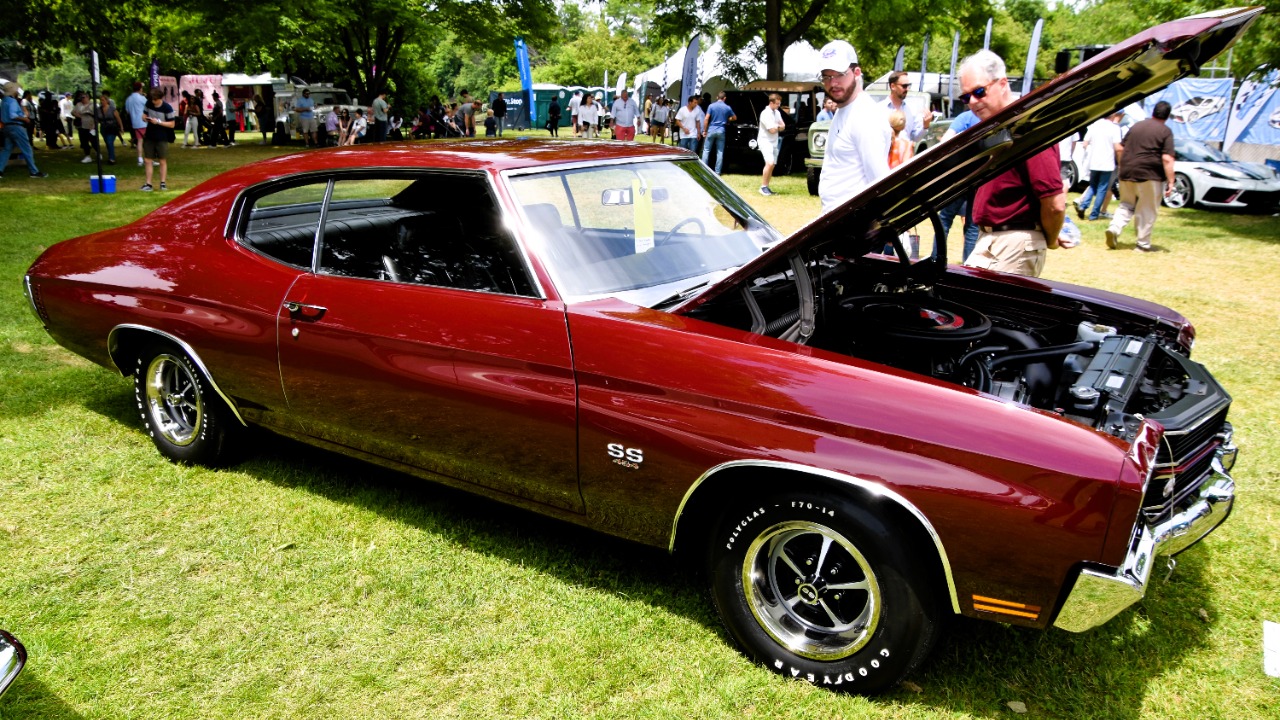
The pitch sounded familiar to anyone who’s ever scrolled late-night classifieds: a “numbers-matching, all-original” 1970 Chevrolet Chevelle SS, “just as it left the factory,” with photos that looked like they were taken on the sunniest day of the year. The seller insisted it hadn’t been messed with, only “kept up” and “well cared for.” The price, while steep, was right in that danger zone where a dream car feels just barely attainable.
The buyer, who’d been looking for months, didn’t want to be paranoid. Still, a 1970 Chevelle SS is one of those cars that attracts both serious collectors and creative storytellers, and the difference between the two can be about six figures. So before any money changed hands, the buyer did what a lot of smart shoppers do now: asked for specific photos and documentation, then started checking details one by one.
The promise: “All original, just like it left the factory”
According to the buyer, the seller’s confidence was almost disarming. Every question got an immediate, reassuring answer: yes, the engine was original; yes, the transmission matched; yes, the rear end was correct. When asked about restoration work, the seller brushed it off as “cosmetic stuff” and routine maintenance, nothing that would change the car’s authenticity.
It’s a tempting story because it’s plausible. Plenty of muscle cars survive with surprisingly original drivetrains, especially if they spent years tucked away. The problem is that “original” can mean a lot of different things depending on who’s talking—anything from “it’s been in the family” to “the block stamping lines up, please don’t ask about the rest.”
The buyer’s gut check: details beat vibes
The buyer approached it like a detective, but a friendly one. Instead of arguing, they asked for close-ups: the VIN tag, cowl tag, engine pad stamping, casting numbers, and the partial VIN derivative on the engine and transmission. They also asked for shots of the alternator, carburetor number, distributor, and the little things that often get swapped without anyone thinking twice.
That last part matters because on a car like this, “one-owner vibes” don’t prove much. A clean interior and shiny paint can hide decades of parts swapping. The buyer wasn’t trying to catch anyone in a lie; they just wanted the car to be what it was claimed to be.
The detail that didn’t add up
It wasn’t the paint. It wasn’t the stripes. It wasn’t even the big-ticket stuff like the engine casting number. The issue was a small but stubborn mismatch: the dates didn’t make sense.
From the photos, the buyer noticed that one of the key components carried a date code that appeared newer than the car’s build window. On cars from this era, date codes on major parts typically precede the vehicle’s assembly date—sometimes by weeks, sometimes by a couple months—but they don’t usually time-travel into the future. When a part’s date is after the car was built, it can be a sign the component was replaced later, or that the story is getting a little help from imagination.
The buyer circled the date in a screenshot and asked, casually, if the seller knew why it looked like that. The seller initially said it was “normal” and that “factories used whatever was on hand.” That’s true to a point, but it doesn’t explain a component that seems to have been produced after the car would’ve rolled off the line.
Why one mismatch can matter a lot
On paper, a single swapped part doesn’t automatically ruin a classic. Plenty of genuine SS cars have had engines replaced, transmissions rebuilt, and rear differentials swapped, especially if they lived a fun life. The problem is the word “original,” because it’s a promise that everything major lines up: the car’s identity, its equipment, and its drivetrain.
For highly valued models, buyers are often paying for that promise as much as they’re paying for horsepower. If the story starts cracking at one point, it forces a bigger question: what else hasn’t been checked yet? And if the seller is unwilling to acknowledge a mismatch, that’s its own kind of warning light.
What the buyer checked next
After the date-code issue, the buyer widened the search instead of getting locked into one detail. They asked for a clear photo of the cowl tag and compared it to known format guides for the year. They also requested a shot of the VIN derivative stamping on the engine and transmission—because that’s the place where “numbers matching” stops being a vibe and becomes something you can verify.
They also looked for consistency in the small stuff: did the carburetor list number fit the claimed engine and transmission combination? Did the distributor part number align with the stated horsepower rating? Were the gauge cluster, steering wheel, and dash details consistent with what that trim and build period usually had?
None of these checks require mystical expertise, but they do require patience. And they require the seller to cooperate, which is sometimes the real test. An honest seller might not know every answer, but they’ll usually help you find it.
The seller’s reaction raised more questions
According to the buyer, the seller’s tone shifted once the mismatch was pointed out. The quick, friendly answers became shorter. Requests for additional photos were met with delays, then a suggestion that the buyer was “overthinking it.”
That’s a tough moment because nobody wants to be the person who ruins a deal over a stamp the size of a fingernail. But it’s also exactly how expensive mistakes happen: the pressure to be “easygoing” nudges people into ignoring the only evidence that actually matters.
What “original” should look like on a 1970 Chevelle SS
With cars like this, “original” isn’t one thing—it’s a stack of things. The VIN should align with the model and plant, the cowl tag should match the body’s build information, and the drivetrain should show correct stampings and date logic. You’re looking for a story where every detail agrees with the others, not a story where you have to invent explanations to keep it alive.
Documentation helps, too. A build sheet, Protect-O-Plate, service records, or a reputable third-party inspection can turn a foggy claim into something solid. And if the seller won’t allow an inspection or won’t provide clear photos of the key stamps, that’s basically the market’s way of handing you a free lesson before you pay tuition.
Where the deal landed
The buyer didn’t accuse the seller of anything dramatic. They simply said they couldn’t pay “all-original” money for a car with unanswered questions, and they offered a lower number based on the possibility of replacement parts and an unclear drivetrain history. The seller declined and reiterated the original asking price.
In the end, the buyer walked. It wasn’t a satisfying Hollywood ending, but it was a practical one, and probably the kind that saves a bank account and a few months of regret. As the buyer put it later, if a car is truly what it’s claimed to be, the details won’t fight you—they’ll line up and quietly prove it.
And that’s the funny thing about classic cars: the biggest clue isn’t always a smoky exhaust or a suspicious weld. Sometimes it’s a tiny date code sitting in plain sight, patiently waiting for someone to notice it doesn’t belong in 1970.
More from Fast Lane Only
- Unboxing the WWII Jeep in a Crate
- 15 rare Chevys collectors are quietly buying
- 10 underrated V8s still worth hunting down
- Police notice this before you even roll window down
*Research for this article included AI assistance, with all final content reviewed by human editors.