It started like one of those boring, responsible errands: swing by the shop, rotate the tires, maybe sip bad waiting-room coffee, and head home. But according to one driver’s account shared online, the “quick” appointment spiraled into a noisy, nerve-wracking problem that ended with a repair bill hovering around $2,000. The reason, they say, was as maddening as it was simple—something critical was installed backward.
If you’ve ever driven away from a service visit and immediately thought, “Wait… was it doing that before?” this story is going to feel uncomfortably familiar. And it’s a reminder that even routine maintenance can go sideways when a small detail gets missed.
A Routine Visit That Didn’t Stay Routine
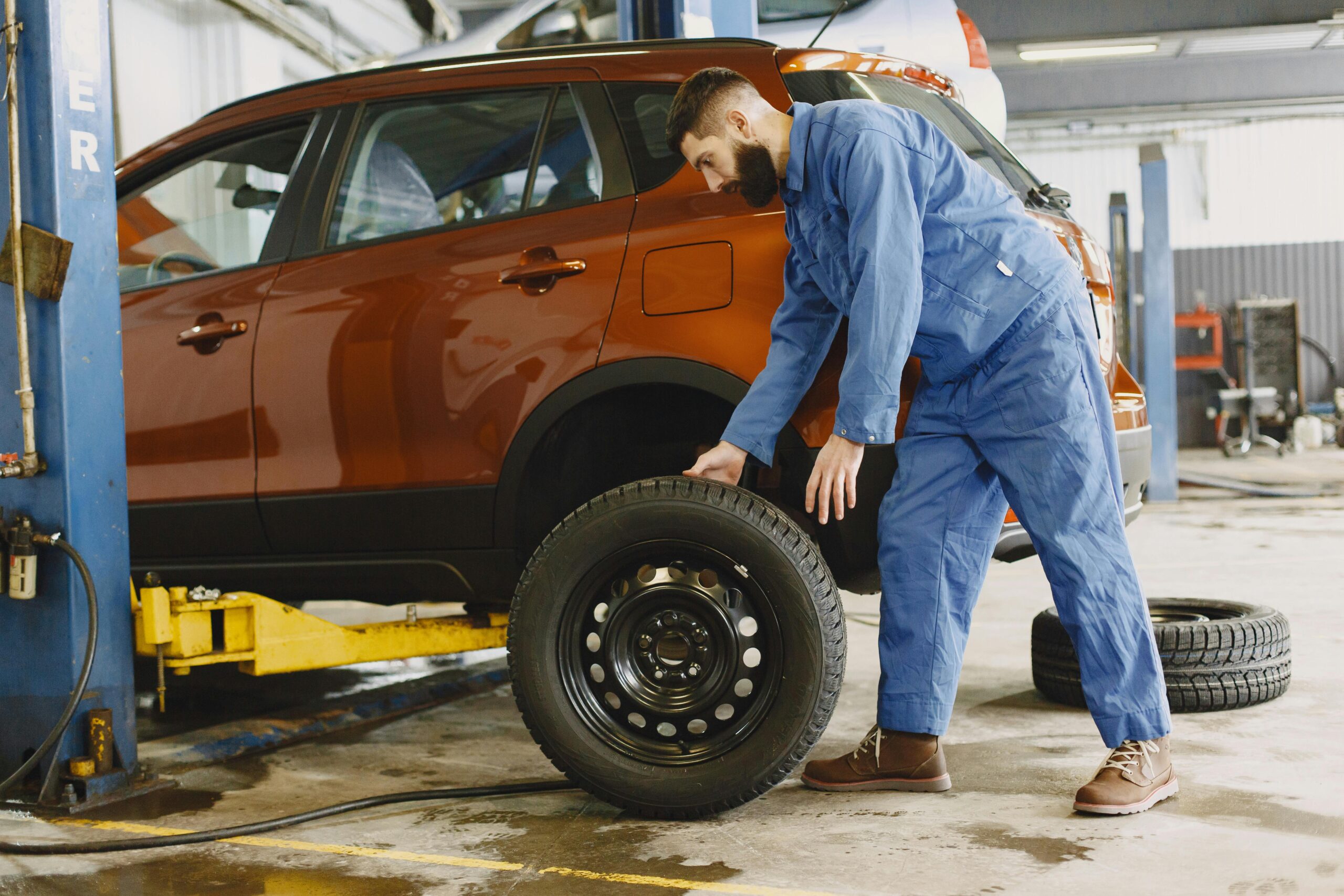
The driver described bringing the car in for a basic tire rotation, the kind of service most people get without a second thought. No warning lights, no weird clunks—just standard upkeep. A tire rotation is supposed to be the automotive equivalent of switching your pillow to the cool side: small effort, better results.
But not long after leaving the shop, they noticed something felt off. Maybe it was a new vibration, an unusual sound, or that vague “this doesn’t feel right” sensation that’s hard to explain but impossible to ignore. They did what most of us would do: watched it for a bit, hoping it would go away.
The Symptoms That Made Them Turn Around
The driver said the problem didn’t fade—it got worse. The car reportedly developed a noticeable noise and driving feel that hadn’t been there before the rotation. That’s the moment when your brain starts doing math you didn’t plan on: “Is this dangerous?” and “How much is this going to cost?”
They went back to investigate, expecting maybe an unbalanced wheel or a tire pressure issue. Those things happen, and they’re usually fixable in minutes. What they claim they found instead was more like a facepalm with a price tag.
“Installed Backward”: A Small Mistake With Big Consequences
According to the driver, a component related to the wheel assembly had been installed backward during the service. Depending on the vehicle, that could mean a rotor oriented incorrectly, a hub-related part reversed, or even a brake or suspension component put back in the wrong direction after being removed. To be clear, the driver’s description points to an error in reassembly—something that should only go back on one way, but apparently didn’t.
Here’s the annoying part: when a wheel-area component is reversed or incorrectly seated, it can cause rubbing, uneven pressure, vibration, and accelerated wear. And unlike a loose floor mat, it doesn’t fix itself. It tends to chew through other parts until something gives.
How You Get From “Rotation” to “Two Grand”
People hear “installed backward” and assume it’s a quick correction. Sometimes it is—if it’s caught immediately, before any damage spreads. But if the car’s driven like that, even for a short time, it can start a chain reaction that’s expensive to stop.
In a wheel and brake area, mistakes can lead to damaged wheel bearings, warped rotors, compromised calipers, shredded dust shields, ruined studs, or uneven tire wear. And once a bearing or hub assembly is affected, the parts and labor jump fast. Many modern cars use sealed hub assemblies, and the labor can be a bear depending on corrosion, access, and design.
Why This Kind of Error Can Slip Through
Tire rotations are often treated as “fast lane” work. Shops squeeze them between bigger jobs, and the process can be split between employees—one person lifts the car, another removes wheels, another torques them down. That’s efficient when everyone’s locked in, and a mess when communication or attention slips for even a minute.
It’s also worth noting that some cars have directional tires, staggered setups, or specific torque requirements that leave less room for improvisation. Add in rusted components, rushed schedules, or a new tech learning on the job, and small assembly errors become more plausible than anyone wants to admit.
What Drivers Can Watch for After Any Wheel Service
You shouldn’t have to play detective after paying for service, but a quick “sanity check” can save you grief. If you pick up the car and immediately notice pulling, grinding, squealing, thumping, vibration at speed, or a steering wheel that suddenly feels off-center, treat it like a fresh symptom that deserves a fresh look. Even a faint scrape that changes with speed can be a clue something is contacting where it shouldn’t.
Also pay attention to warning lights like ABS or traction control, especially if they pop on right after the visit. Those systems share sensors and components near the wheels, and accidental damage or disconnection can trigger alerts. The sooner you return, the easier it is to connect the dots.
Easy Steps That Can Protect You (Without Becoming “That Customer”)
Start with the simplest question: “Can someone ride with me so I can show the noise?” That keeps the conversation concrete and avoids the dreaded “could not reproduce” note. If the issue is obvious, ask what was touched during the tire rotation besides swapping wheels—lug nuts, wheel studs, brakes, dust shields, sensors, anything.
If you can, request a printout of the inspection notes and the torque spec used, or at least confirmation that the lugs were torqued with a wrench and not just hammered on with an impact tool. A reputable shop won’t be offended by basic accountability. Think of it like asking a barista if your drink has caffeine because you’d like to sleep tonight.
What to Do If You Suspect a Shop Mistake
If something feels unsafe—grinding brakes, wobbling steering, harsh vibration—don’t keep driving to “see if it settles.” Drive back carefully or have it towed if it feels genuinely risky. Continuing to drive can turn a correctable mistake into an actual parts failure, and that’s where bills balloon.
Keep records: your receipt, the mileage at the time of service, and a quick video of the sound if it’s audible. If a second shop diagnoses an installation error, ask for the finding in writing, including photos if possible. It’s not about starting a fight; it’s about having a clear timeline if you need the original shop to make it right.
The Bigger Takeaway: Small Parts, High Stakes
This story hit a nerve because tire rotations are supposed to be the safe, predictable part of car ownership. When a basic service ends in a $2,000 repair, it doesn’t just hurt the wallet—it messes with trust. And once trust is gone, every future squeak becomes a personal insult.
The bright side is that most shops don’t want this outcome either. Mistakes happen, but good shops own them quickly, fix the issue, and learn from it. For drivers, the best move is staying alert after any wheel-related service and speaking up early—before “a little weird” turns into “why is my car auditioning for a percussion section?”
More from Fast Lane Only