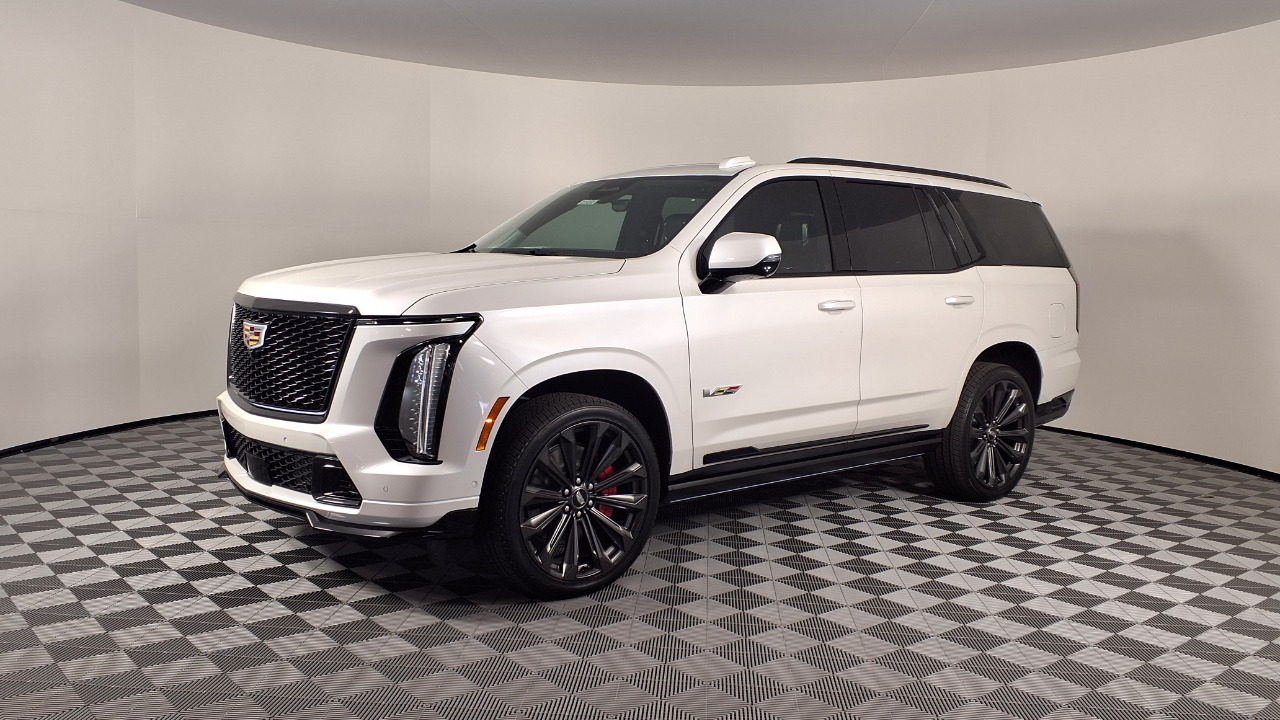
Shoppers who hear “bulletproof SUV” and immediately picture a Toyota or Honda may need to broaden their assumptions. Fresh reliability and longevity data highlight a full-size American luxury SUV that quietly racks up high mileage with few complaints, challenging the notion that only Japanese brands are safe long-term bets.
Rather than a crossover from a familiar import badge topping the charts, analysts are pointing to the Cadillac Escalade as a standout for durability, low repair frequency, and long service life, especially in later generations. That finding comes as owners are keeping vehicles longer than ever and growing more sensitive to repair costs and downtime.
What happened
Several independent rankings of long-lasting and reliable luxury vehicles are converging on a similar story. When researchers compare warranty claims, owner surveys, and high-mileage resale listings, the Cadillac Escalade consistently appears among the longest-lasting luxury SUVs in the United States. In some analyses of American luxury models, it is the only body-on-frame SUV that regularly reaches 200,000 miles with relatively few major mechanical failures, particularly in its 2015-and-newer generations, which benefit from updated drivetrains and electronics.
Broader reliability comparisons of premium brands still show familiar leaders like Lexus, Acura, and Porsche near the top. Narrow the focus to large luxury SUVs that combine towing capacity, three-row seating, and a truck-based frame, however, and the Escalade stands out as an American model that can legitimately compete with those import benchmarks on long-term dependability. In lists of the most reliable luxury, Cadillac does not always dominate across every segment, yet the Escalade itself often performs better than the brand’s overall reputation would suggest.
Coverage of American luxury ownership trends has noted that the Escalade, especially in fleet and livery service, routinely logs 250,000 miles or more while remaining in front-line duty. Operators who track cost per mile report that powertrain issues are relatively rare compared with the vehicle’s workload, and that most out-of-pocket expenses involve wear items like brakes, tires, and suspension components. That pattern has led some analysts to describe the Escalade as an American luxury SUV that “rarely needs repairs” in the context of its class, even though no vehicle is literally maintenance free.
Technical breakdowns of the Escalade’s engineering help explain this performance. The SUV shares its basic ladder frame, V8 engines, and heavy-duty transmissions with full-size GM trucks, which are designed to tow and haul under commercial conditions. That truck DNA, combined with incremental improvements to electronics and interior quality in recent generations, has produced a luxury SUV that can absorb abuse in ways some unibody rivals cannot. Analysts who track long-term ownership costs have also pointed out that this architecture simplifies certain repairs and supports a deep parts supply chain, further reducing downtime.
Specialist reviews of long-lived American SUVs have singled out the Escalade as a model that not only lasts, but also holds its value unusually well once it passes the 100,000-mile mark. In one examination of long-lasting luxury American options, the Escalade was highlighted for combining high odometer readings with strong resale pricing, a combination that typically indicates buyer confidence in continued reliability.
Why it matters
The Escalade’s performance on durability charts matters because it runs against the grain of long-standing consumer assumptions. Many buyers still associate American luxury badges with short-term flash and higher repair risk, while viewing Japanese and some European brands as the default choice for long-haul ownership. Data around the Escalade suggest those stereotypes are increasingly out of date, at least for this particular model.
This shift arrives as the average vehicle on U.S. roads is older than ever. Recent analysis of registration data shows that the typical car or truck in the country is now more than twelve years old, a record figure that reflects both higher new-vehicle prices and improved engineering. Reporting on the aging fleet has emphasized that owners are stretching their purchases further, keeping vehicles well past the first loan term and often past 150,000 miles. One study of average vehicle age in the United States found that this upward trend has accelerated, particularly for SUVs and trucks.
In that environment, a luxury SUV that can stay on the road for a decade or more with relatively few major repairs becomes more than a status symbol. It turns into a financial strategy. Buyers who pay a premium for an Escalade are increasingly thinking about cost per year of service, not just monthly payments. If the SUV can realistically deliver 200,000 miles without chronic failures, the higher sticker price can pencil out as a better long-term value than a cheaper model that needs expensive work at 120,000 miles.
The Escalade’s reliability record also has implications for the broader luxury market. Lists of the American luxury SUV that rarely needs repairs tend to focus on this single model rather than its direct domestic rivals. That contrast puts pressure on other full-size luxury SUVs, including those from Lincoln and some European brands, to improve their own long-term performance if they want to compete for buyers who hold vehicles for a decade or more.
There is a brand perception angle as well. Cadillac has spent years trying to reposition itself as a modern luxury player, with new electric models and advanced driver-assistance technology. A reputation for building a tough, long-lived flagship SUV gives that strategy a different kind of credibility. Owners who have positive experiences with an Escalade over 8 or 10 years are more likely to consider another Cadillac, including future electric SUVs that promise lower maintenance by design.
For consumers, the main takeaway is that badge prestige and legacy stereotypes are less useful than specific model histories. A shopper who filters luxury SUVs by brand alone might overlook the Escalade in favor of a German or Japanese competitor, even if the actual reliability record tilts in Cadillac’s favor for this segment. Detailed reliability rankings, high-mileage resale data, and fleet usage patterns all suggest that the Escalade deserves a place on any shortlist for buyers who want a large, comfortable SUV that can handle long-term family duty or business use.
What to watch next
The next few model years will test whether the Escalade can maintain its reputation as a long-lasting luxury workhorse while the industry shifts toward electrification and more complex software. Cadillac is rolling out new powertrains, including hybrid and fully electric variants, that promise better efficiency and performance. Those changes introduce new variables for long-term reliability, since battery packs, high-voltage systems, and advanced driver-assistance hardware have not yet accumulated the same decade-long track record as traditional V8 engines and automatic transmissions.
Analysts will be watching several indicators. Warranty claim rates on new-generation Escalades will show whether added complexity translates into more trips to the service bay. Fleet operators, who have historically been early adopters of the model, will provide real-world data on how the latest versions handle constant use, heavy loads, and high annual mileage. Resale values at 80,000 to 120,000 miles will offer an early signal of buyer confidence in the SUV’s ability to keep going without major issues.
Regulatory and economic pressures could also influence the Escalade’s future role. Tougher emissions rules and fuel-economy standards are already nudging automakers toward smaller engines and lighter platforms. If Cadillac eventually shifts the Escalade away from its traditional truck-based frame to a lighter architecture, the brand will need to prove that durability has not been sacrificed. At the same time, high interest rates and elevated new-vehicle prices make long-term reliability even more valuable for households that cannot easily swap into a new SUV every few years.
Competition in the large luxury SUV segment is likely to intensify. Rivals are investing heavily in plug-in hybrids and electric flagships that pitch lower running costs and fewer mechanical parts as a path to greater dependability. If those claims hold up over time, the Escalade will face pressure not only to last, but to last with fewer repairs than both its combustion peers and its battery-powered challengers.
More From Fast Lane Only