For much of the twentieth century, the automobile was shaped less by the wind than by the whims of stylists and the desires of buyers. Long before drag coefficients became a selling point, car bodies were drawn to project status, optimism, or brute power, even if that meant punching a very dirty hole through the air. Looking back at those decades, when visual drama routinely trumped airflow, reveals how culture, technology, and marketing conspired to keep aerodynamics in the background until efficiency finally forced its way to the front.
The story is not a simple march from ignorance to enlightenment. Engineers understood the value of slippery shapes surprisingly early, yet their insights often collided with conservative tastes and showroom realities. The result was a long era in which a few visionary models flirted with the wind tunnel while most production cars wore upright grilles, sharp edges, and decorative excess that made aerodynamicists wince.
From motorized carriages to early streamliners
The first generation of automobiles borrowed almost everything from horse-drawn carriages, including their bluff silhouettes and exposed wheels. Function dominated, but even that function was defined by mechanical packaging and cost rather than by any serious attempt to manage airflow. Contemporary accounts of early motoring note that these vehicles, which were often little faster than the coaches they replaced, were designed with virtually no attention to drag or lift, a point echoed in historical overviews that describe the earliest cars as carriage bodies simply fitted with engines.
As speeds rose in the 1920s, a handful of engineers began to treat air as something more than invisible resistance. In Europe, specialists such as Paul Jaray, who had worked on airships, applied their knowledge of fluid flow to automotive shapes, arguing that teardrop profiles and smooth fastbacks could reduce drag and improve stability at speed. Research into so‑called streamliner bodies, documented in period analyses of aerodynamic development, shows that these experiments were technically sound but commercially fragile, because they often clashed with the upright, ornate look buyers still expected from a proper car.
Airflow, Tatra and the limits of being too early
The tension between engineering logic and market taste is captured vividly by the Chrysler Airflow and its siblings. The DeSoto Airflow, introduced in 1934 as part of Chrysler’s forward‑thinking program, was shaped in a wind tunnel and built around the idea that smoother contours and integrated fenders could cut drag and improve high‑speed comfort. Later technical retrospectives note that, although the Airflow was the first mass‑production car to use a wind tunnel as part of its design process, it arrived in a market that still equated prestige with long hoods, separate fenders, and upright grilles, so its rounded nose and cab‑forward stance were widely seen as strange rather than advanced.
Across the Atlantic, the Czechoslovakian manufacturer Tatra pushed even further. In 1934, With the Tatra T77, the company presented what has been described as the world’s first production car designed explicitly around aerodynamic principles, with a long fastback tail and carefully profiled bodywork to tame the air. Historical commentary on the Tatra T77 and related streamliners notes that these cars were engineering sensations but commercial curiosities, admired by specialists yet too radical for mainstream buyers who still preferred the familiar, boxier silhouettes that dominated showrooms before World War II.
Chrome, fins and the golden age of excess
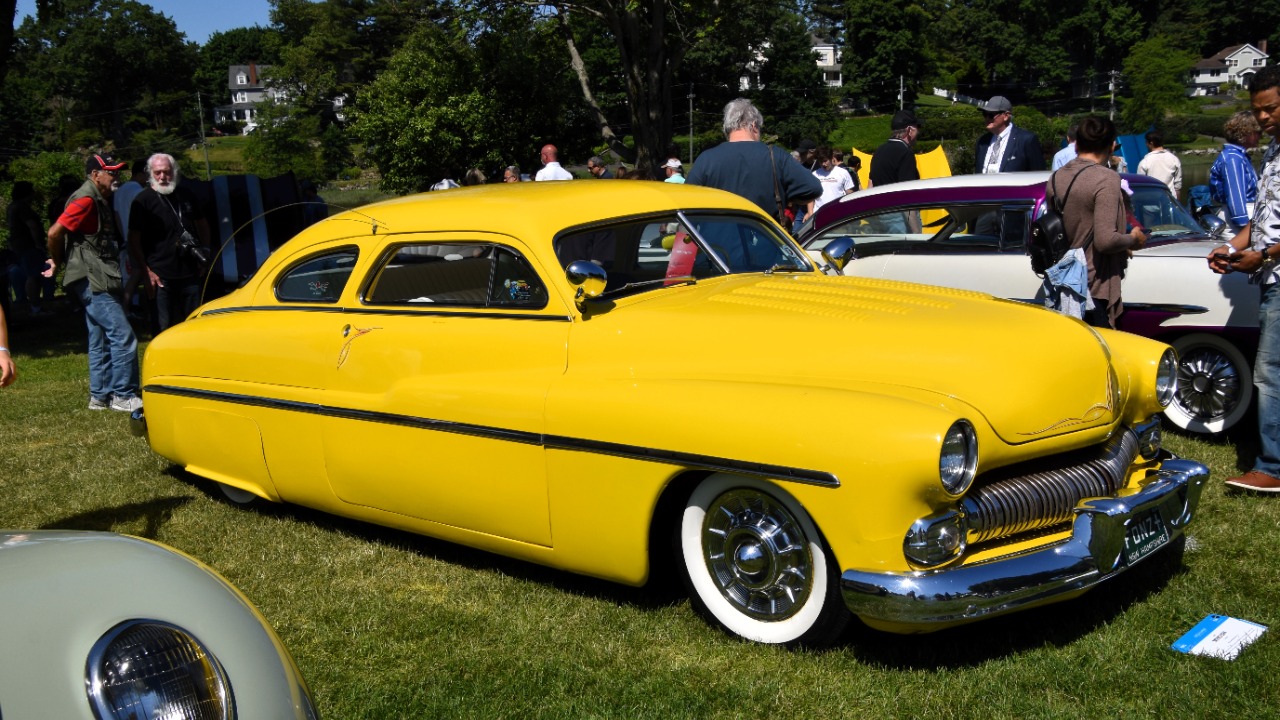
After World War II, the United States in particular embraced a vision of the automobile as rolling sculpture, and any lingering aerodynamic discipline was largely subordinated to spectacle. The 1950s are often described by curators and historians as a golden era of automotive excellence, with exhibits of the period highlighting tailfins, sweeping chrome, and towering grilles that turned cars into mobile billboards for postwar prosperity. Commentators on mid‑century styling point out that these flourishes were rarely about airflow; fins might have been inspired by aircraft, but their scale and placement were dictated by fashion rather than by any wind‑tunnel data.
By the 1960s, the car had become a central symbol of American culture, and the Golden Age of Automobile Advertising sold vehicles on image, lifestyle, and emotional appeal. Design histories of the period describe how long, low bodies, dramatic two‑tone paint, and elaborate lighting signatures were used to differentiate brands in a crowded market. Technical summaries of pre‑war and early postwar models stress that most production cars still had little or no genuine aerodynamic refinement, and even when stylists borrowed the language of speed and streamlining, the underlying shapes often remained blunt and drag‑heavy beneath the chrome and glass.
Boxy modernity and the late arrival of the wind tunnel
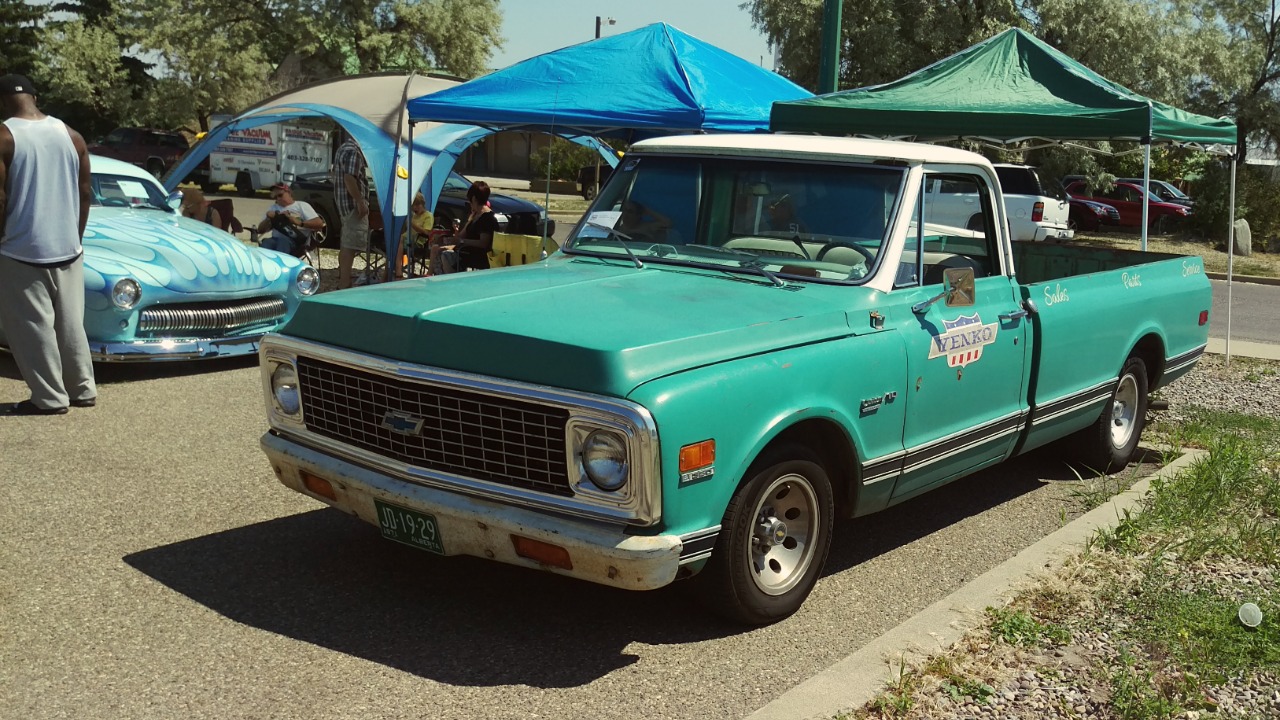
By the 1970s and early 1980s, a new kind of styling orthodoxy had taken hold, one that equated sharp edges and rectilinear forms with modern engineering. Enthusiast discussions of the era routinely describe cars as “super boxy,” with flat fronts, upright glass, and squared‑off trunks that made packaging efficient and manufacturing straightforward but did little to soothe the air. Retrospective technical pieces note that, prior to the 1980s, most mainstream models were still developed with what one engineer described as “pure styling,” with wind tunnels used sparingly, if at all, outside of racing and a few experimental projects.
When aerodynamic thinking did surface in the showroom, it was often treated as a novelty rather than a core design driver. Analyses of streamliner history describe an “era of aerodynamic enlightenment” between the late 1920s and the beginning of World War II, but they also emphasize that this knowledge was not systematically applied to mass‑market cars until much later. It was only as fuel prices rose and regulatory pressure mounted that manufacturers began to revisit those earlier lessons, recognizing that drag reduction could deliver real gains in efficiency and refinement without requiring radical mechanical changes.
From curves as fashion to curves as necessity
The pivot from styling‑led forms to aerodynamically informed bodies became unmistakable in the 1980s. Design retrospectives describe the decade as a period of “Streamlined Simplicity of the” new aesthetic, with smoother, more rounded shapes replacing the sharp‑edged boxes of the previous generation. Commentators on the evolution of car aesthetics argue that this shift was driven by a blend of fashion and function: buyers warmed to softer, more integrated forms, while engineers quietly used wind‑tunnel data to lower drag coefficients and improve high‑speed stability, even on family sedans and hatchbacks.
Technical explainers on the spread of Wind Tunnels in road‑car development note that, after the 1980s, it became common for manufacturers to refine bodywork in controlled airflow rather than relying solely on clay models and designer intuition. At the same time, discussions of performance vehicles and large SUVs highlight how some shapes remained defiantly unaerodynamic, with one analysis citing the Hummer H2’s drag coefficient of 0.57 as an example of how styling and off‑road stance could still override efficiency. That figure, described bluntly as “0.57 0 57 is bad” in a popular breakdown of aerodynamic basics, underscores how far the industry had to travel from the era when almost every car, not just a few outliers, treated the wind as an afterthought.
By the late twentieth century, the balance had clearly shifted. Historical surveys of automotive design now frame the early decades as a time when aesthetics, cultural symbolism, and marketing routinely outweighed aerodynamic logic, with only scattered exceptions like the Airflow and the Tatra T77 pointing toward a different path. The gradual mainstreaming of wind‑tunnel development, the rise of efficiency as a selling point, and the growing influence of engineers such as Paul Jaray in the collective memory have recast those flamboyant, drag‑heavy machines as artifacts of a period when style ruled the road, even as the air pushed back.
More from Fast Lane Only