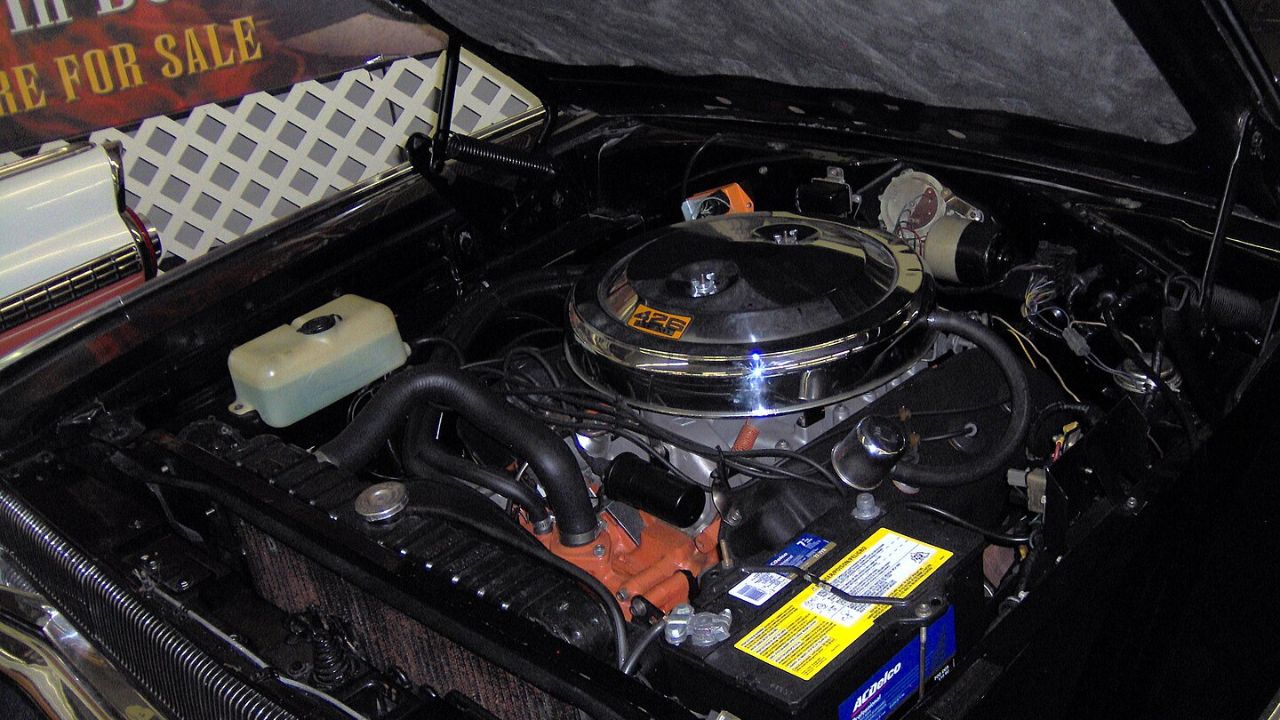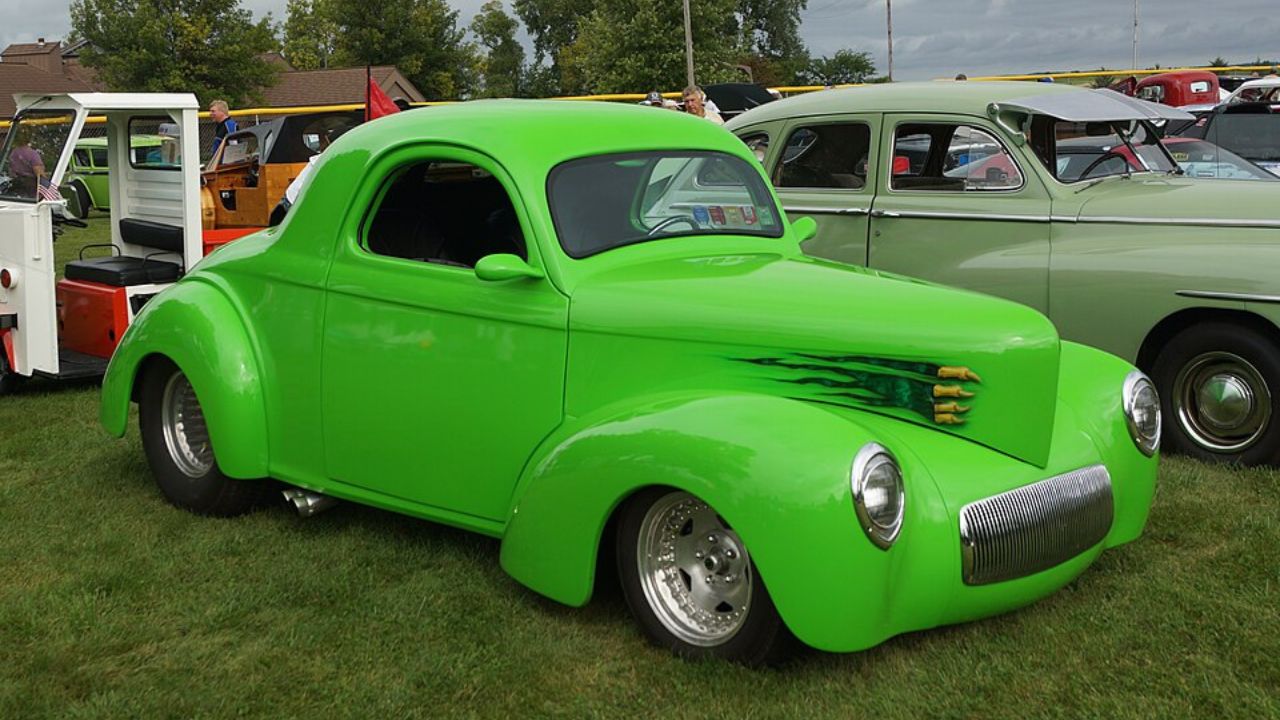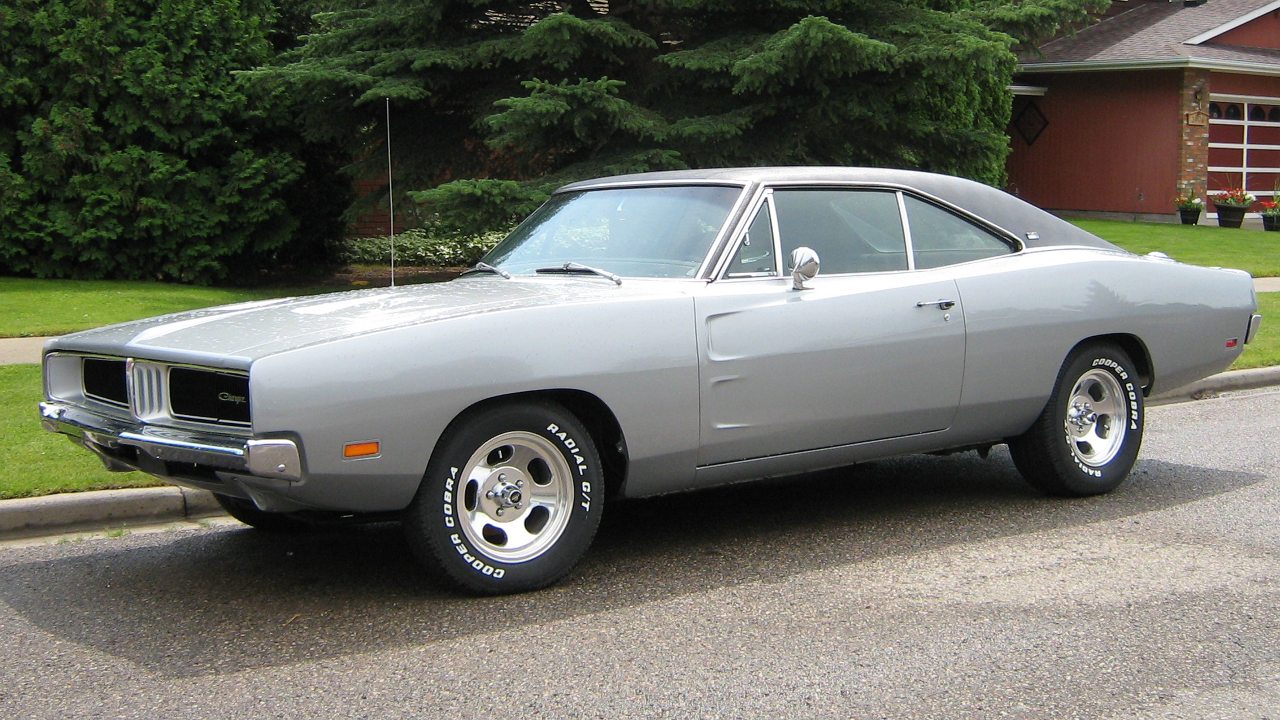
It started the way a lot of modern mysteries do: late-night scrolling, a few too many browser tabs, and a familiar shape on the screen. He’d been casually checking online listings for months, half hobby and half heartbreak, ever since his 1969 Dodge Charger disappeared. Then he saw it—same year, same color, and a handful of details that made his stomach drop.
He says it wasn’t just “a” Charger that looked like his. It was the Charger. The ad photos showed quirks he remembered down to the odd little imperfections you only notice after years of ownership.
A car that never really left his mind
The theft had happened months earlier, he says, and the shock didn’t wear off so much as it settled in. You can replace a daily driver, but a classic you’ve poured time into is a different animal. Friends told him to move on, and he tried, but every time a similar model rumbled past, it felt like a personal insult.
He’d filed a police report right away, kept copies of paperwork, and collected photos from before it went missing. Like a lot of people who’ve had something irreplaceable taken, he also did the unofficial part of the job: watching the internet. Classic cars show up online all the time, and he figured if it resurfaced, it’d be because somebody got bold or sloppy.
The listing that made him stop scrolling
The ad, he says, was posted on a popular marketplace site with a short description and a price that looked just reasonable enough to attract attention. Not suspiciously cheap, not “museum-piece” expensive. The photos were clean, taken in daylight, with the car angled like the seller had done this before.
But the details were what grabbed him. He says the Charger in the listing had a particular trim piece he’d added years ago and a small mark near the rear that lined up perfectly with an old incident involving a garage door and a moment of bad luck. Even the wheel setup looked like the one he’d chosen after weeks of overthinking it, which, in fairness, is a classic-car owner’s favorite sport.
Reaching out — and getting a story back fast
He messaged the seller and kept it casual at first, asking the usual questions: mileage, title status, any known issues. The replies came quickly, and that’s when the seller’s story arrived fully formed, like it had been sitting in a drawer waiting for someone to ask. According to the seller, the Charger had been bought recently from someone “down the road,” paid for in cash, and was now being flipped because a “family situation” changed.
The seller also claimed to have a title in hand—or said it would be available soon, depending on the message. That little wobble caught his attention. People with clean paperwork don’t usually sound like they’re improvising.
The details that didn’t quite add up
He asked for a photo of the VIN and a shot of the title, which is a normal request in the classic-car world. The seller hesitated, then offered a partial VIN, saying they “didn’t want it floating around online.” That’s not unheard of, but it’s also a convenient way to avoid showing numbers that might trace back to a theft report.
He says he pushed for more identifying photos—specific angles, close-ups of unique features—and the seller tried to steer the conversation back to meeting in person. There’s nothing wrong with wanting a face-to-face deal, but combined with the shifting paperwork answers, it felt like pressure. He describes it as that uneasy moment when your gut quietly clears its throat and says, “Hey, pay attention.”
He brings the information to police instead of playing hero
Here’s where he made a decision that a lot of people fantasize about and then get wrong in real life: he didn’t go charging in. He says he contacted police, shared screenshots of the listing, the messages, and his original theft report details. He also provided photos of his Charger from before it was stolen, pointing out the distinctive marks and modifications he believed matched the one being sold.
Police procedures vary, and not every case gets immediate action, especially with older thefts. But he says the fact that the car was actively listed—and that he could point to specific identifiers—helped. At minimum, it gave investigators something current and trackable, rather than a cold report sitting in a file.
The meet-up that became a careful operation
According to him, a meeting was discussed with the seller, but it wasn’t handled like a normal purchase. He says police advised him not to confront anyone alone and not to disclose details that might spook the seller into disappearing. If you’ve ever watched a crime show, this is the part where the background music gets tense, except in real life it’s mostly waiting, logistics, and trying not to refresh your inbox every 30 seconds.
He says the seller kept communicating, still friendly, still vague, still ready with explanations. When asked again about the car’s history, the seller repeated the same basic story with slight tweaks—different timing, slightly different source. That kind of inconsistency, he says, made him feel even more sure this wasn’t a simple misunderstanding.
Why stolen classics can pop up online so easily
Classic cars are weirdly easy to move if someone knows what they’re doing. Parts can be swapped, plates can be changed, and a car can be stored quietly until the initial heat dies down. And because many older cars have decades of paperwork quirks—lost titles, state-to-state differences, inherited vehicles—buyers sometimes accept messy documentation that would be a deal-breaker on a newer car.
Online marketplaces also reward speed. Sellers want quick messages and quick deposits, and buyers don’t want to “lose the deal.” That rush is perfect for someone hoping nobody asks too many questions, especially if the car looks good in photos and the story sounds just believable enough.
What he says other owners should watch for
He’s not pretending to be an expert, but he does have a few hard-earned tips. Save photos of your car’s unique features, he says, including close-ups of marks, aftermarket parts, and anything that would stand out in a listing. Keep records—old registration, insurance documents, restoration receipts—anything that ties you to the vehicle clearly.
And if you think you’ve found your stolen vehicle online, he says, don’t treat it like a personal mission. Document everything, stay calm, and loop in law enforcement. Even if the seller is just a middleman who bought it without knowing, you still want a lawful, safe process—because the only thing worse than losing a beloved car is getting hurt trying to get it back.
A familiar car, a too-ready story, and a lot of unanswered questions
As of the latest updates he shared, he says the case is still unfolding, with investigators reviewing the information and comparing identifying details. The seller’s story, he notes, stayed consistent in tone but not in specifics, which only deepened his suspicion. Meanwhile, the listing itself appeared and disappeared, as these things often do, making screenshots and message logs even more important.
What sticks with him most is how ordinary it all looked on the surface. A shiny classic car, a polite seller, a tidy little backstory. But when you’ve lived with a machine long enough, you recognize it like you recognize a friend’s voice—no matter how carefully someone tries to change the details.
More from Fast Lane Only