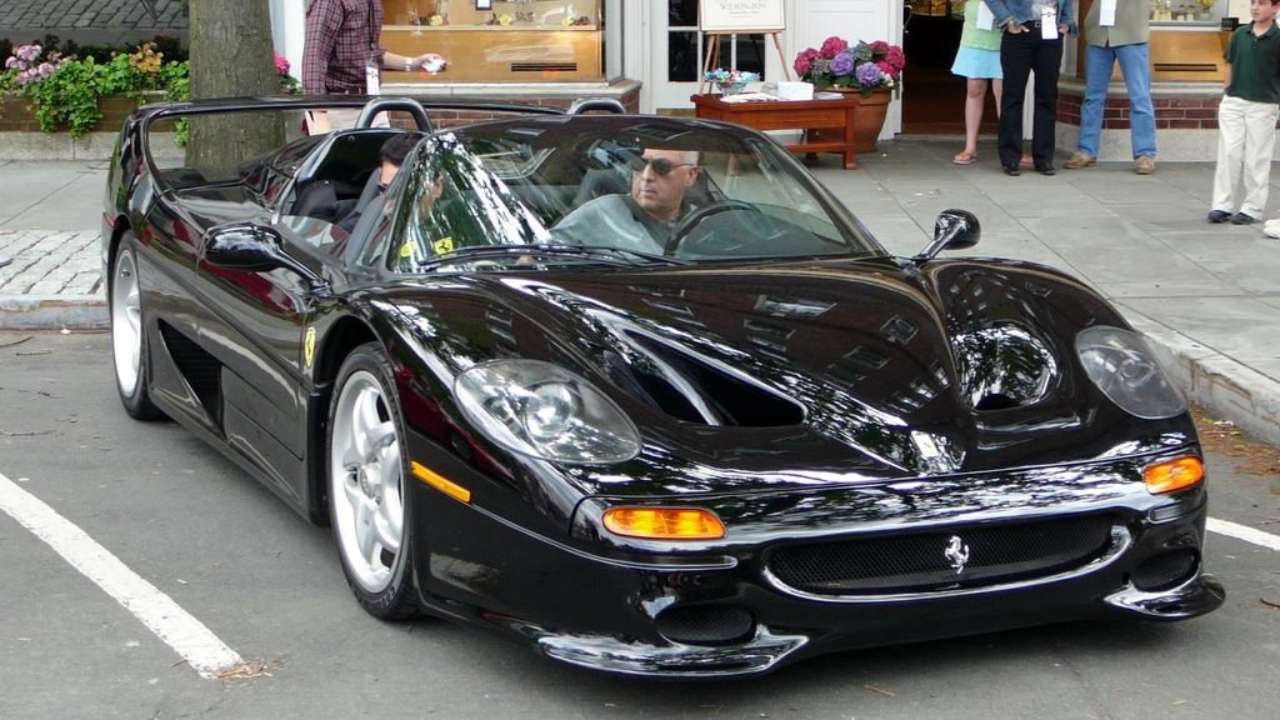
The 1995 Ferrari F50 is a limited-production supercar that epitomizes the raw and exhilarating driving experience that many modern vehicles struggle to replicate. With its race-bred technology and a naturally aspirated V12 engine, the F50 offers a unique connection between driver and machine, making it a timeless classic in the world of automotive engineering.
Historical Context of the F50
Ferrari’s evolution into a powerhouse of automotive excellence is a story steeped in racing heritage, performance, and innovation. The F50 emerged as the successor to the iconic F40, which debuted in 1987 and set the standard for supercars with its turbocharged V8 engine and lightweight construction. By the early 1990s, the automotive landscape was shifting towards more refined technologies, but Ferrari maintained its commitment to raw power and driver engagement. The F50 debuted in 1995, representing a pivotal moment in the evolution of supercars, combining the lessons learned from its predecessors with cutting-edge engineering.
During the 1990s, automotive technology underwent significant advancements, particularly in materials and aerodynamics. The F50 was a product of this era, showcasing innovations like extensive use of carbon fiber and an active suspension system. These developments allowed Ferrari to push the boundaries of performance while still delivering an experience that felt intimate and connected. The F50 not only represented a zenith in Ferrari’s lineage but also set a benchmark for future supercars in terms of performance and driver feedback.
Design and Aesthetics
The design of the Ferrari F50 is a testament to the brand’s racing heritage, embodying aerodynamics and functionality in its striking form. The bodywork, sculpted to reduce drag and enhance downforce, features aggressive lines and a low stance that conveys speed even while stationary. The removable hardtop is a nod to the open-cockpit racing cars of the past, allowing drivers to experience the elements fully while enjoying the symphony of the V12 engine. Every curve and contour has been meticulously crafted to balance aesthetics with performance.
Inside, the F50 opts for a minimalist approach that prioritizes driver engagement. The cockpit is stripped of unnecessary luxuries, focusing instead on the essential elements that connect the driver to the car. The use of lightweight materials extends to the interior, with carbon fiber accents and a straightforward layout that emphasizes functionality. This design philosophy creates an environment where the driver can fully immerse themselves in the driving experience, free from distractions. The F50’s interior, while simple, is a reflection of Ferrari’s commitment to creating a car that feels alive.
Engine and Performance Specifications
At the heart of the Ferrari F50 lies its magnificent 4.7-liter naturally aspirated V12 engine, a masterpiece of engineering that produces a staggering 513 horsepower. This power plant is not just about numbers; it delivers a visceral driving experience characterized by a throaty roar and immediate throttle response. Unlike many contemporary supercars that rely on turbocharging or hybrid systems, the F50’s engine is a pure expression of mechanical prowess, offering a direct link between the accelerator and the tarmac.
In terms of performance metrics, the F50 can accelerate from 0 to 60 mph in just 3.6 seconds, with a top speed exceeding 200 mph. When compared to modern supercars like the McLaren 720S or the Bugatti Chiron, which boast advanced aerodynamics and electronic aids, the F50 stands out for its unfiltered driving experience. It’s a car that demands respect and skill from its driver, rewarding those who can master its raw power with exhilarating speed and handling. The engineering behind this V12 engine not only defines the F50 but also shapes its driving dynamics, making it a true driver’s car.
Driving Experience
Driving the Ferrari F50 is an experience that transcends mere transportation; it’s an event. The connection between driver and machine is palpable, thanks to the F50’s responsive steering and feedback. Every turn of the wheel, every flick of the throttle, is met with immediate response, creating a sense of unity that few modern cars can replicate. The rawness of the F50 is further accentuated by the lack of electronic aids, allowing the driver to feel the road and the nuances of the chassis in a way that is increasingly rare.
Handling characteristics of the F50 are remarkable, with a balance that invites aggressive driving without compromising composure. Whether navigating tight corners or blasting down a straight stretch, the F50 feels alive underfoot. Personal anecdotes from owners often highlight moments of pure joy and exhilaration, with many describing the sensation of driving an F50 as akin to piloting a race car. Automotive journalists have praised the F50 for its ability to provide feedback that enhances the driving experience, ensuring that every journey—regardless of distance—is memorable.
Technology and Innovations
The Ferrari F50 was a pioneer in its use of advanced materials and technologies, notably incorporating a carbon fiber monocoque chassis. This lightweight yet strong construction not only improved performance but also enhanced safety. The F50’s active suspension system, which adapts to driving conditions in real-time, paved the way for future innovations in ride quality and handling. This technology allows drivers to experience a smooth ride without sacrificing the responsiveness that defines the Ferrari brand.
Telemetry data, a technology that was just beginning to emerge in the 1990s, played a significant role in enhancing the driving experience of the F50. By providing real-time information on vehicle dynamics and performance metrics, it allowed drivers to better understand their driving habits and improve their skills. This integration of technology with the raw driving experience creates a unique blend that remains relevant even in today’s era of advanced automotive engineering.
Comparisons with Modern Supercars
When comparing the Ferrari F50 to today’s electronically controlled supercars, the differences are stark. Many modern vehicles prioritize comfort and convenience, often employing electronic nannies that can dull the rawness of the driving experience. In contrast, the F50 offers a more mechanical and visceral connection, where the driver is responsible for harnessing the power and handling of the car. This authenticity is becoming increasingly rare as manufacturers lean towards technology that enhances performance while sacrificing the fundamental essence of driving.
Contemporary drivers often find themselves at a crossroads between the desire for rawness and the allure of refined technology. While cars such as the Lamborghini Huracán or the Porsche 911 Turbo deliver blistering performance with impressive handling, they also come equipped with features that cater to a broader audience. The F50, however, remains a symbol of pure driving pleasure, appealing to those who seek the thrill of being fully engaged with their vehicle. This dichotomy highlights an ongoing debate in the automotive community about the balance between technology and the emotional connection that only a car like the F50 can provide.
Collectibility and Market Value
The Ferrari F50 has cemented its status as a coveted collector’s item, with its limited production run of just 349 units enhancing its desirability. Over the years, the F50 has seen a remarkable appreciation in market value, often fetching millions at auctions. Factors such as rarity, historical significance, and the car’s performance pedigree contribute to its allure among collectors. As the automotive landscape evolves, the F50’s place in history as a raw supercar continues to resonate with enthusiasts.
Interviews with collectors reveal a deep appreciation for the F50, with many highlighting its unique driving experience as a key factor in their investment. The car’s legacy is further bolstered by its representation in various automotive events and exhibitions, where it stands alongside other legendary models. The F50’s market performance is a testament to its enduring appeal, making it not just a vehicle but an investment in automotive history.
Cultural Impact and Legacy
The cultural impact of the Ferrari F50 extends beyond the realm of automotive enthusiasts; it has become an icon in popular culture. The car has made appearances in films, video games, and automotive media, solidifying its status as a symbol of speed and luxury. In movies like “The Fast and the Furious” franchise, the F50 is often depicted as the ultimate driving machine, capturing the imagination of audiences worldwide. This visibility contributes to Ferrari’s brand image, reinforcing its reputation for performance and exclusivity.
The F50 has also influenced subsequent Ferrari models, paving the way for innovations in design and technology. Its legacy is evident in the introduction of models such as the Ferrari LaFerrari, which incorporates modern technologies while still paying homage to the brand’s roots. The F50 serves as a reminder of Ferrari’s commitment to pushing boundaries, ensuring that the brand remains synonymous with high-performance vehicles that captivate the hearts of enthusiasts.
Ownership Experience
Owning a Ferrari F50 is an experience unlike any other, marked by both joy and responsibility. While the thrill of driving such a legendary machine is unmatched, prospective owners should be prepared for the challenges of maintenance and upkeep. Common issues can arise from the car’s age, and sourcing authentic parts can be a daunting task. However, for many owners, these challenges are a small price to pay for the privilege of owning a piece of automotive history.
Stories from F50 owners often highlight the camaraderie within the community, where enthusiasts share their experiences and advice on maintenance and care. The sense of belonging to a select group of individuals who appreciate the art of driving fosters a unique bond among F50 owners. For those considering purchasing an F50, it’s essential to seek out a reputable dealer or trusted source to ensure the vehicle’s authenticity and condition. The journey of owning an F50 is as much about the community and shared passion as it is about the car itself, making it a rewarding endeavor for any automotive enthusiast.
More from Fast Lane Only
- Unboxing the WWII Jeep in a Crate
- 15 rare Chevys collectors are quietly buying
- 10 underrated V8s still worth hunting down
- Police notice this before you even roll window down
*Research for this article included AI assistance, with all final content reviewed by human editors.