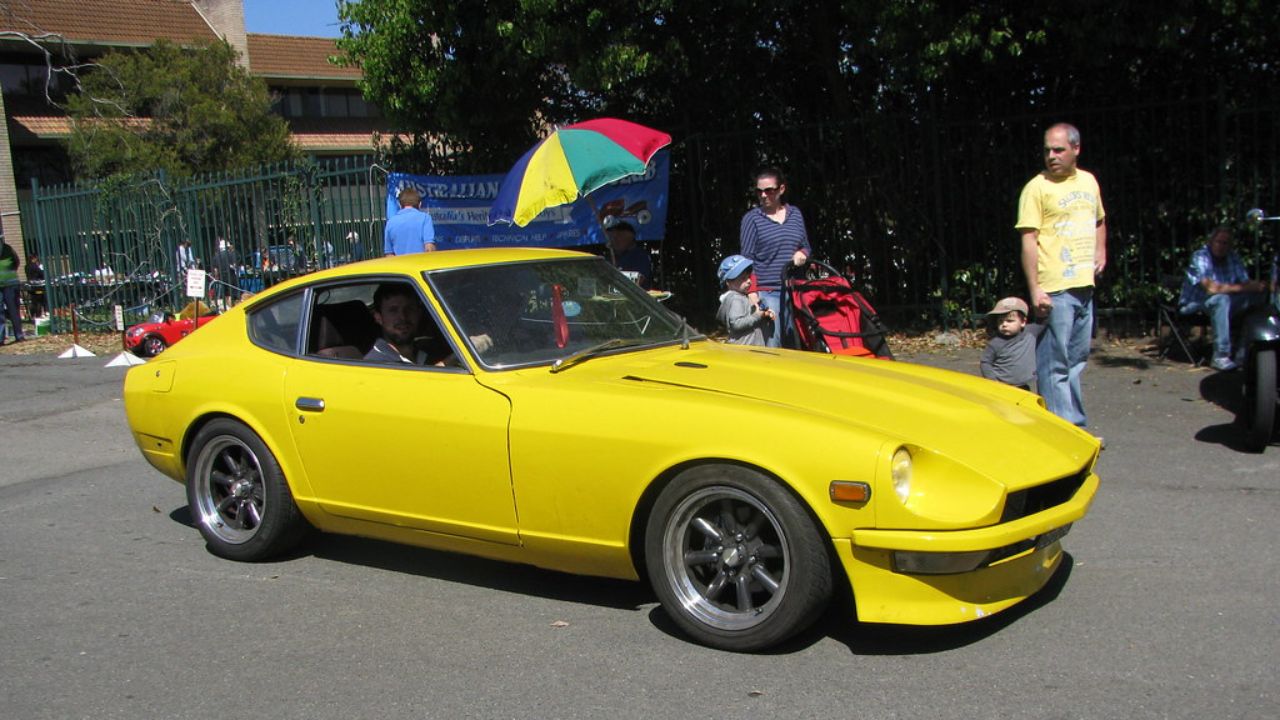
It’s the kind of car you don’t just “drop off.” A 1970 Datsun 240Z is the sort of classic that makes strangers at gas stations ask questions, and makes owners keep a mental list of every rattle and quirk. So when a man says he handed his 240Z to a shop he believed he could trust—and later spotted it being driven somewhere it shouldn’t have been—people are paying attention.
According to the man, the car went in for work that was supposed to be straightforward: professional service from a place that advertised experience with older vehicles. He expected test drives, sure, but only the kind that happen after repairs, close to the shop, and for a clear reason. What he says happened next felt a lot less like “quality control” and a lot more like “joyride.”
A classic car, a simple handoff, and a lot of trust
The man describes the handoff as normal: keys over the counter, a quick rundown of what the car needed, and the usual promise that he’d get a call with updates. Like many classic owners, he says he’s careful about where the car goes, because parts aren’t always easy to find and small mistakes can turn into big headaches. He picked the shop because it seemed established, and because the staff sounded confident talking about vintage imports.
He also says he documented the car before dropping it off—nothing fancy, just the kind of photos and notes a lot of enthusiasts keep. Older cars can come back with new scratches, weird smells, or an extra hundred miles that nobody can explain. It’s not paranoia so much as experience.
The moment he says his stomach dropped
Days later, he says he was out running errands when something caught his eye: a familiar long hood, that unmistakable fastback profile, and a paint-and-wheel combination he’d recognize anywhere. At first he thought, “No way.” Then he says he got close enough to be sure—it looked like his 240Z, moving under its own power, and not in the immediate area of the shop.
He says the driver didn’t appear to be heading to a parts store, an emissions station, or anywhere else that screamed “repair-related.” In his telling, it looked like normal driving—casual, unhurried, the kind of route you’d take if you were just enjoying a classic on a nice day. That’s when he says confusion turned into anger.
Test drive or joyride? The blurry line that causes fights
Most shops will tell you that test drives are a real part of the job, especially when diagnosing noises, drivability issues, or brake and steering problems. That’s true. But what owners expect is a test drive with a purpose—short, documented, and connected to the repair order.
Where things get messy is when there’s no heads-up, no mileage note, no explanation, and the car is spotted far from where it should reasonably be. It’s one thing to put five miles on a car to confirm a fix. It’s another thing entirely when the owner says the car is seen “out and about” like it’s on a personal errand.
What he says he did next
He says he contacted the shop right away, looking for a simple answer. Was there a reason the car was out? Was it a necessary road test? Did someone take it to a specialty vendor? He says the initial responses felt vague and didn’t match what he believed he’d seen.
When a situation like this turns tense, the details matter fast: who had authorization to drive it, what the work order allows, and whether the shop’s insurance and internal policies cover employee use. He says he asked for specifics—who was driving, why, and where the car went. In his view, a shop that’s acting appropriately should be able to explain that quickly.
Why a 240Z makes this feel personal
Even people who aren’t “car people” tend to get why this hits a nerve. A 1970 240Z isn’t just transportation; it’s a piece of history, and often a long-term project with time, money, and memories baked in. For owners, it can feel like lending someone a prized instrument and then seeing it played at a bar you didn’t agree to.
There’s also the simple reality of risk. Classic cars don’t have modern crash protection, parts can be fragile, and small incidents can have outsized consequences. A curb rash on a rare wheel or a scraped front valance isn’t just annoying—it can mean weeks of hunting and a bill that hurts.
What shops typically promise—and what owners think they’re getting
Many repair shops operate on a mix of written terms and unspoken expectations. The invoice might say “road test as needed,” but the customer might interpret that as “around the block.” The shop might interpret it as “until we’re confident,” which could mean more distance, more time, and more opportunities for misunderstandings.
For specialty or performance work, some places do longer verification drives, especially if the issue only appears at temperature or at highway speeds. That can be legitimate. But transparency is the difference between “professional diligence” and “why is my car at a coffee shop across town?”
What consumer advocates say to document when something feels off
When an owner believes a shop used a vehicle improperly, the most helpful things are boring, practical, and very specific. Keep the work order, invoices, texts, and voicemails. Write down dates, times, what was observed, and any conversations—because memory gets fuzzy the moment emotions spike.
If there’s concern about mileage, owners often compare the odometer at drop-off and pickup, and ask the shop to explain any discrepancy. Some shops also keep internal notes, scan-tool logs, or technician write-ups that can show whether a drive was tied to diagnosis. If the shop can’t—or won’t—provide a coherent explanation, that’s usually when people start looking at third-party help.
How disputes like this can escalate (and how they sometimes get resolved)
Most of these conflicts don’t start with someone planning a fight; they start with a weird moment and an awkward conversation. If the shop acknowledges the drive, apologizes, and offers a remedy—like discounts, a written policy change, or paying for any damage—things can cool down. When the shop denies everything in the face of credible details, that’s when trust breaks in a louder way.
Depending on where this happened, options can include speaking with a manager or owner, requesting the shop’s insurance information, filing a complaint with a local consumer agency, or pursuing a claim in small claims court. People also sometimes use third-party inspections to document condition, especially if they suspect new damage. None of that is fun, but it’s the kind of paper trail that turns “he said, they said” into something clearer.
The bigger lesson: clear boundaries before the keys change hands
This story is getting attention because it’s relatable: most people have trusted a professional with something important and then wondered if that trust was misplaced. With cars—especially classics—the safest move is setting expectations up front. Owners can ask, in plain language, how long test drives will be, who’s allowed to drive the vehicle, and whether the shop will call before any extended road testing.
Shops, on the other hand, can protect themselves and their customers by being explicit: noting mileage in and out, explaining road-test needs, and treating every customer car like it might be the one they’d hate to lose. Because to the owner of a 1970 Datsun 240Z, it’s not “just an old Datsun.” It’s the car—and seeing it somewhere unexpected can feel like watching someone else walk your dog without asking.
More from Fast Lane Only