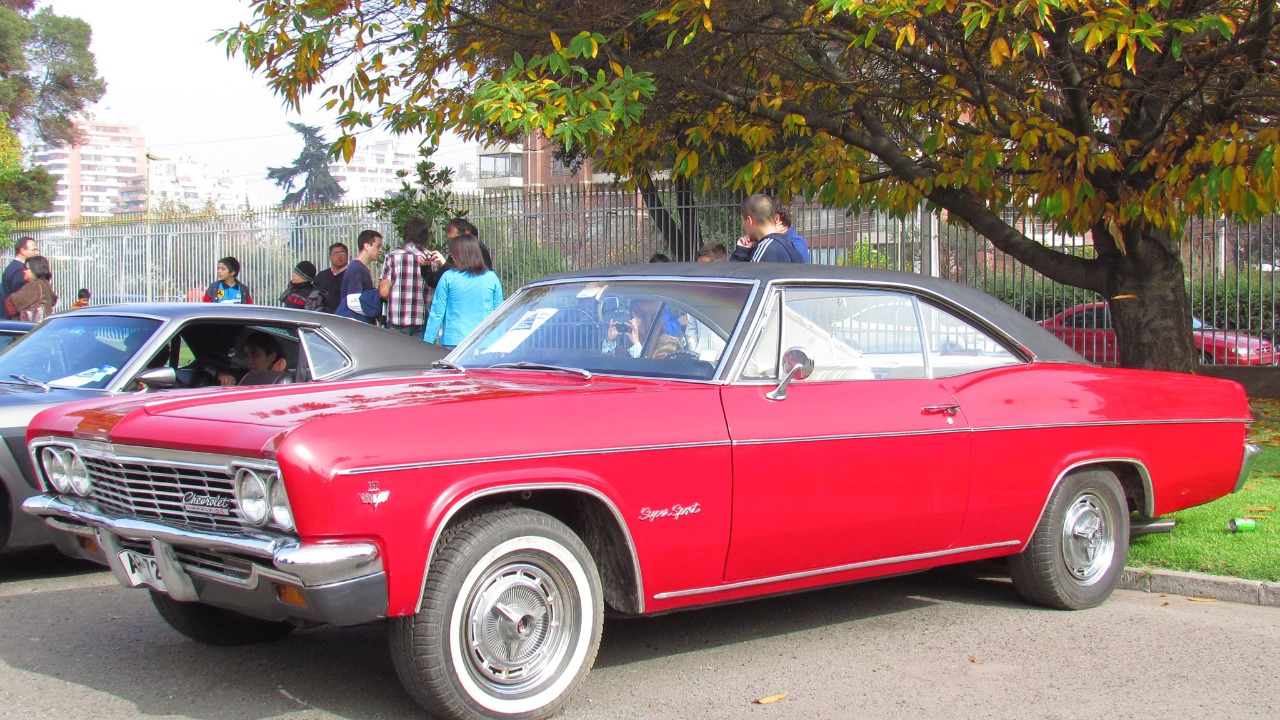
It started as a pretty normal favor to a classic car. A man says he dropped off his late dad’s 1966 Chevrolet Impala at a local repair shop, expecting a routine tune-up and a little peace of mind. A few days later, he says he spotted the same car cruising across town—nowhere near the shop, and definitely not where he thought it would be.
“It’s not just a car,” he said in an interview. “It’s the one thing I’ve still got that feels like him.” And that’s what makes this story hit a little harder than your average “my mechanic took a joyride” complaint.
A classic car with a lot of history
The Impala, he said, had been in the family for decades, the kind of car that shows up in old photos like a familiar relative. He remembered riding in it as a kid, sitting on hot vinyl seats in the summer and watching his dad’s hands work the big steering wheel like it was second nature. When his dad passed, the car became a keep-it-running promise more than a hobby.
He said he didn’t drive it every day, partly because it’s a classic and partly because he didn’t want to risk something happening to it. So when it started idling rough and sometimes stalling, he decided it was time to let a shop handle it. He picked a place he believed he could trust, based on reviews and a friendly first impression.
Dropping it off felt straightforward—until it didn’t
According to him, he dropped the car off with a clear request: diagnose the issue, call before doing any major work, and keep it at the shop. He says he also mentioned the sentimental value, not to be dramatic, but to make sure everyone understood it wasn’t just another old Chevy.
He says the staff told him they’d take a look within a day or two. No red flags, no weird vibes, nothing that screamed “keep an eye on your keys.” He left feeling like he’d done the responsible thing—hand it to professionals, avoid backyard fixes, protect what matters.
Then came the moment that made his stomach drop
A few days later, he said he was running errands across town when he heard a sound he knew instantly. That low, throaty exhaust note—distinct enough that it made him look up before he even saw the car. And then, there it was: the Impala, rolling through traffic like it owned the lane.
He says he froze for a second, trying to talk himself out of it. Same color, same stance, same small quirks he’d memorized—down to a tiny mark near the rear panel. He says he pulled out his phone, started recording, and followed at a safe distance because the whole thing felt unreal.
“Why is my car out here?”
He says he tried calling the shop while he was trailing the car, but no one picked up. The Impala didn’t appear to be on a test loop near the shop, either; it was several miles away, deep into another neighborhood. He says that’s when the situation stopped feeling like a misunderstanding and started feeling like a boundary had been crossed.
After a few turns, he says the Impala pulled into a parking lot and stopped. He didn’t want to escalate things in public, he said, but he also didn’t want to let the moment slip away. So he approached carefully, phone still in hand, and asked the driver where the car was coming from.
The shop’s explanation, and why it didn’t land
He says the driver told him it was being “test driven,” a phrase that can mean a lot of things depending on how you say it. He said he understands the need for a test drive after repairs—he’s not expecting a car to be fixed without being driven. But he also says no one told him it would be taken across town, and he hadn’t been informed the car was ready for any kind of road testing.
Back at the shop later, he says he asked for a clear timeline of what work had been done and when the car had left the property. He says he didn’t get a straight answer at first, and that the conversation felt more defensive than reassuring. “If they’d just said, ‘We messed up and we’re sorry,’ I think this would’ve gone differently,” he said.
Why this kind of situation gets messy fast
Most repair shops do need to test drive vehicles, especially older cars with intermittent issues. A short drive can reveal problems that don’t show up in the bay—hesitation, stalling under load, overheating in traffic, brake pull, weird vibrations. That’s the reasonable version of this story.
The messy version comes down to distance, permission, and purpose. If a customer believes their car is being taken for personal use, or driven far beyond what’s necessary, it starts sounding like an unauthorized joyride. And with a classic car, every mile matters a little more—wear, risk of an accident, and the simple fact that replacement parts aren’t always sitting on a shelf nearby.
What he did next
He says he documented everything he could: the time, the location, the video of the car in motion, and notes about what was said afterward. He also says he checked the odometer when the car was returned to him, looking for any clue about how far it had gone. He wouldn’t share the exact number, but said it was more than he felt comfortable with for a “quick test drive.”
He says he’s since filed a complaint with local consumer protection resources and is considering further action. His main goal, he says, is accountability—making sure the shop doesn’t treat someone else’s sentimental vehicle like a casual errand car. “I’m not trying to ruin anyone,” he said. “I just want them to treat people’s stuff like it matters.”
What to watch for if you ever leave a car at a shop
Stories like this are a good reminder that “test drive” should be a conversation, not a vague promise. If you’re dropping off a vehicle—especially something rare or meaningful—it helps to ask what road testing might look like, roughly how far they expect to drive it, and whether you’ll be notified before it leaves the lot. Some shops will even note that in writing on the work order if you ask.
It’s also smart to take a quick photo of the odometer at drop-off and pick-up. That’s not about being paranoid; it’s about having a clear reference point if questions come up later. And if the car has a tracker or a discreet GPS device, having it turned on can offer peace of mind—though it’s still worth checking local laws and being transparent when needed.
A trust issue, not just a mileage issue
For him, the part that stings isn’t simply that the Impala was driven. It’s the feeling that the trust he handed over with the keys didn’t come back with the car. “My dad trusted that car,” he said. “I trusted the shop. And then I’m watching it roll by like it’s just another ride.”
The shop has not provided a detailed public response to his claims, and the situation remains unresolved. In the meantime, the Impala is back in his driveway, and he says he’s still deciding what to do about the mechanical issue that started all of this. The irony isn’t lost on him: the car made it across town just fine—he just wishes it hadn’t happened without him.
More from Fast Lane Only