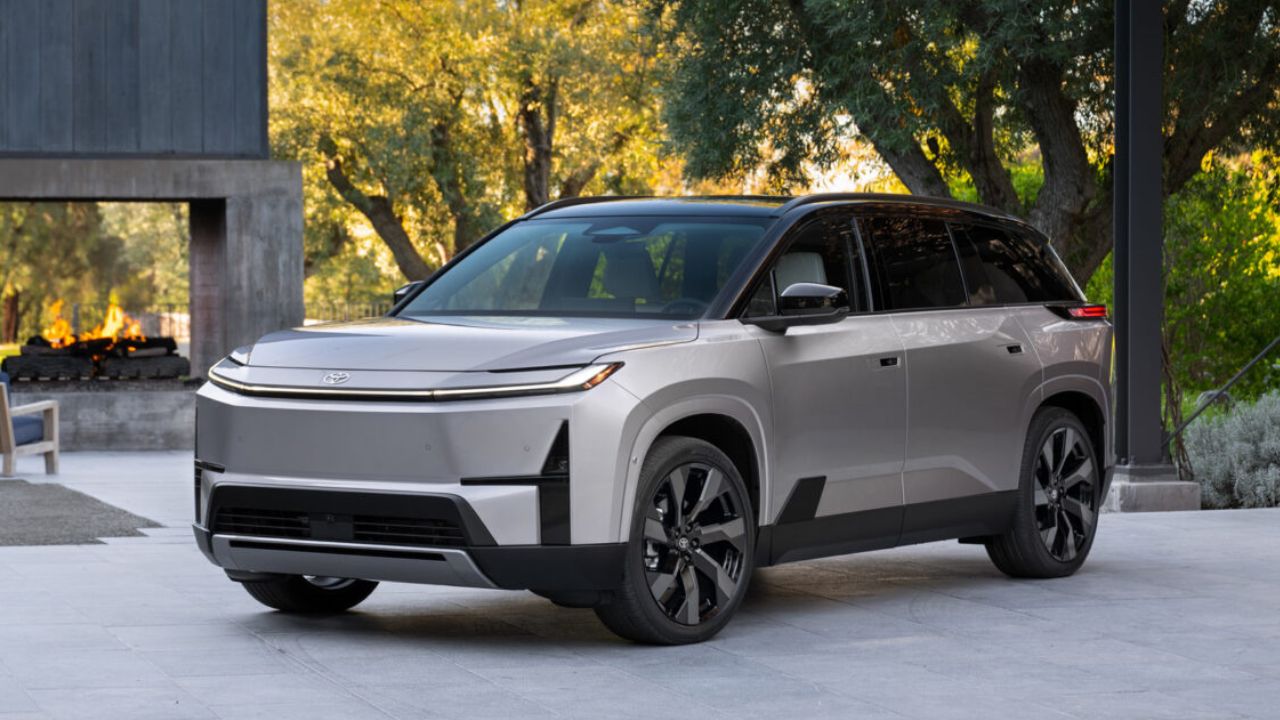
As the automotive industry increasingly pivots towards electric vehicles (EVs), Toyota’s conservative approach to EV investments is gaining recognition. While competitors like Honda and Volkswagen aggressively ramped up production, they now face significant financial repercussions, highlighting the potential wisdom in Toyota’s strategy.
Toyota’s Conservative Strategy
Toyota has long been regarded as a leader in automotive innovation, yet its approach to electric vehicles has been characterized by a measured pace. Unlike Honda and Volkswagen, which have quickly expanded their EV lineups, Toyota has opted for a more gradual transition. This strategy stems from a reluctance to heavily invest in immediate production, focusing instead on refining existing technologies such as hybrid vehicles and hydrogen fuel cells. The company believes that these alternatives can serve as viable stepping stones toward a sustainable future.
This cautious approach allows Toyota to manage risks effectively in a rapidly changing market. By not committing extensive resources to EV production prematurely, Toyota mitigates the potential fallout from investments that may not yield immediate returns. Their long-term vision emphasizes a balanced portfolio of technologies, underscoring their commitment to sustainability without placing all bets on one solution. This risk-management strategy appears increasingly prudent as competitors navigate the turbulent waters of EV development.
Honda and VW’s Rapid Expansion
In stark contrast to Toyota’s approach, Honda and Volkswagen have aggressively pursued EV expansion, aiming to capture significant market share as consumer demand for electric vehicles grows. Honda introduced its all-electric Honda e in 2020, while Volkswagen launched the ID.4, a compact SUV, in 2021. Both companies celebrated initial successes, with positive market responses and growing consumer interest. However, this rapid rollout has not come without challenges.
The aggressive strategies by both automakers have necessitated substantial investments in new technologies and partnerships. Honda has formed collaborations with various tech firms to enhance its EV capabilities, while Volkswagen has invested heavily in battery production and charging infrastructure. These partnerships are designed to support their ambitious EV initiatives, but the costs associated with scaling production have raised concerns about long-term profitability.
Financial Impacts of Aggressive EV Strategies
The financial ramifications of Honda and VW’s rapid EV strategies are becoming evident as both companies report increasing strains on their financial health. The costs associated with transitioning to electric vehicles—ranging from production expenses and supply chain disruptions to investments in new technologies—are affecting profit margins. For instance, Volkswagen announced in 2022 that it would slow down its EV production targets due to rising costs, a move that highlighted the challenges of their ambitious plans.
In contrast, Toyota has managed to maintain a more stable financial performance, leveraging its established hybrid technology and existing production capabilities. While Honda and VW face mounting pressures, Toyota’s prudence has allowed it to weather the storm with relative ease. This financial resilience not only positions Toyota favorably in the current market but also provides the company with the flexibility to adapt its strategies as the EV landscape evolves.
Market Reactions and Consumer Perception
Consumer sentiment towards automotive brands is increasingly influenced by their approaches to electric vehicles. As Honda and VW promote their aggressive EV strategies, there is a growing sense of skepticism among consumers regarding the long-term viability of these rapid expansions. Reports indicate that some consumers prefer established brands like Toyota, which are perceived to be taking a more thoughtful approach to EV development. This perception of reliability and caution can foster brand loyalty in an industry that is still grappling with the complexities of electrification.
Technological Challenges and Innovations
The rush to innovate has presented significant technological challenges for Honda and VW. As they attempt to develop and deploy new electric models rapidly, both companies have encountered difficulties related to battery technology, charging infrastructure, and software integration. These hurdles can lead to delays in product launches and increased costs, which further strain their financial resources.
On the other hand, Toyota’s focus on research and development in sustainable technologies has positioned it well for the future. The company has invested heavily in hydrogen fuel cell technology and advanced hybrid systems, which can complement its EV offerings. By leveraging a diverse technological portfolio, Toyota seeks to innovate without the pressure of immediate market demands, allowing for a more deliberate exploration of new solutions.
Regulatory Pressures and Industry Trends
As governments worldwide implement more stringent emissions regulations and offer incentives for electric vehicle adoption, automotive manufacturers must navigate a complex landscape. In Europe, for example, the European Union has set ambitious targets for reducing carbon emissions, compelling automakers to accelerate their electrification plans. However, these regulatory pressures can create additional challenges for companies like Honda and VW, which are already facing financial strains from their rapid expansions.
Toyota’s strategy appears to align more closely with the evolving regulatory framework. By prioritizing a balanced approach to electrification, the company can adapt to changes in regulations without overextending itself financially. This adaptability not only positions Toyota favorably amidst regulatory pressures but also reinforces its commitment to long-term sustainability in the automotive sector.
Lessons Learned from Industry Rivals
The challenges faced by Honda and VW serve as cautionary tales for other automakers considering aggressive EV strategies. The financial repercussions of rapid expansions highlight the importance of having a well-considered approach to investment and innovation. Brands that fail to learn from these experiences may find themselves grappling with similar issues as the market continues to evolve.
As the automotive industry navigates the transition to electric vehicles, adaptability and foresight will be paramount. Toyota’s cautious strategy underscores the value of taking a measured approach to innovation, allowing companies to learn from the successes and missteps of their rivals. This perspective could shape future strategies for other brands, encouraging them to prioritize sustainability and long-term growth over short-term gains.
Future Predictions for the EV Market
The electric vehicle market is poised for significant evolution in the coming years. As consumer preferences shift towards sustainability and environmental consciousness, established brands like Toyota may benefit from their cautious strategies. The long-term appeal of hybrid technology and hydrogen fuel cells may emerge as essential components of the industry’s future landscape, potentially influencing how newcomers position themselves in the market.
Moreover, as technology continues to advance, the potential for new players to enter the EV market will increase. However, established brands with a legacy of reliability may hold an advantage in consumer trust. Toyota’s approach, which emphasizes a balance between traditional technologies and electric solutions, may set a standard for future industry practices, encouraging other manufacturers to consider the long-term implications of their strategies.
More from Fast Lane Only