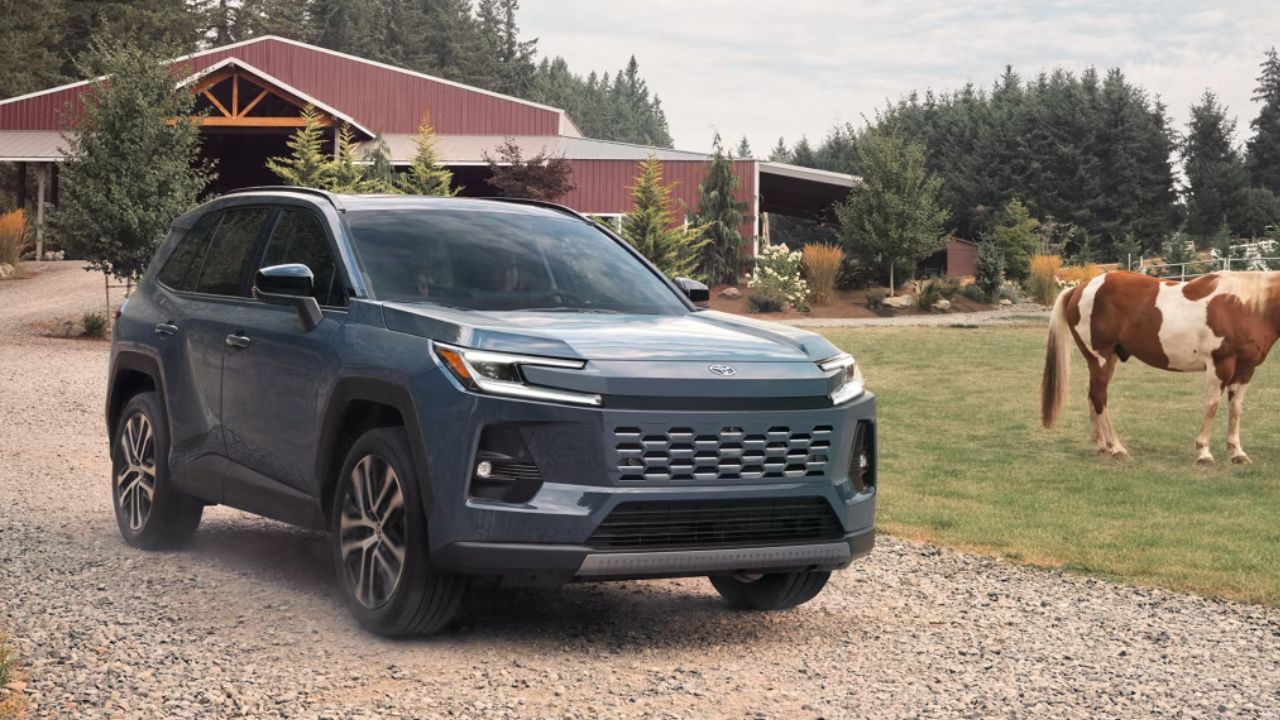
Toyota has officially ruled out the development of a RAV4 electric vehicle (EV), redirecting potential buyers toward its bZ electric SUV lineup. This decision comes amid growing demand for electric vehicles and reflects Toyota’s evolving strategy in the competitive EV market.
Toyota’s EV Strategy Overview
Toyota has long been a pioneer in the automotive industry, particularly with its introduction of hybrid technology through the Prius in the late 1990s. Over the years, the company has steadily shifted its focus toward electrification, aiming to reduce carbon emissions and meet evolving consumer preferences. Toyota’s strategy has historically emphasized hybrid models, but the increasing global push for full electrification has prompted the company to adapt its approach. The introduction of the bZ series represents a significant pivot, as Toyota aims to offer a range of fully electric vehicles that cater to diverse consumer needs.
In its long-term vision for electrification, Toyota has committed to achieving carbon neutrality by 2050. This ambitious goal encompasses not only electric vehicles but also hydrogen fuel cell technology and hybrid models. The bZ series plays a crucial role in this vision, representing a comprehensive range of electric SUVs designed to appeal to environmentally conscious consumers. The bZ lineup is not just about adding electric options; it’s about redefining Toyota’s presence in the EV market.
Why the RAV4 EV Was Considered
The RAV4 has consistently ranked as one of Toyota’s best-selling models, capturing the attention of consumers seeking a reliable and versatile SUV. With the automotive industry witnessing a significant shift toward electric vehicles, the idea of a RAV4 EV seemed like a logical progression. The growing popularity of electric SUVs among consumers indicated a strong market demand, prompting discussions within Toyota about the feasibility of developing a fully electric version of its flagship model.
Furthermore, the rise of competitors in the electric SUV space, such as the Ford Mustang Mach-E and the Tesla Model Y, raised the stakes for Toyota. As consumers increasingly prioritize eco-friendly options, the RAV4’s established reputation and loyal customer base made the prospect of a RAV4 EV particularly enticing. However, the fast-paced nature of the EV market and the unique challenges associated with electric vehicle development complicated the situation.
Reasons for Ruling Out the RAV4 EV
Ultimately, Toyota’s decision to rule out the RAV4 EV stemmed from careful analysis of production costs and financial feasibility. Developing a new electric vehicle requires substantial investment in research and development, manufacturing capabilities, and supply chain management. Toyota’s internal assessments indicated that the financial risks associated with launching a RAV4 EV outweighed the potential rewards, especially given the company’s commitment to the bZ series.
Market research findings further influenced Toyota’s decision. The company recognized the need to allocate resources strategically in a rapidly evolving landscape. Internal challenges, including supply chain constraints and the need to maintain a competitive edge, required Toyota to focus on the bZ lineup rather than spreading its efforts across multiple electric models. By concentrating on the bZ series, Toyota aims to create a robust offering that aligns with its long-term vision for electrification.
Introducing the bZ Electric SUV
The bZ lineup represents Toyota’s bold foray into the electric vehicle market, with models designed to cater to a wide range of consumer preferences. The first model in this series, the bZ4X, is a mid-size electric SUV that boasts an impressive range, advanced safety features, and a modern design. With a target range of approximately 250 miles on a single charge, the bZ4X is positioned to compete effectively with other electric SUVs in the market.
One of the key differentiators of the bZ series is its integration of cutting-edge technology. The bZ4X features an intuitive infotainment system, complete with over-the-air updates and seamless smartphone integration. Additionally, Toyota’s commitment to safety is evident in the bZ lineup, which includes advanced driver-assistance systems designed to enhance the overall driving experience. As electric vehicles gain traction, the bZ series positions Toyota as a serious contender in the competitive electric vehicle market.
Market Response and Consumer Sentiment
The announcement of Toyota’s decision to forego the RAV4 EV has elicited mixed reactions from potential buyers and automotive enthusiasts. Many consumers who were eagerly anticipating a fully electric RAV4 expressed disappointment, given the model’s popularity and the growing demand for electric SUVs. Discussions on social media platforms, such as Reddit, have highlighted the sentiments of consumers who feel that Toyota’s decision may hinder its competitiveness in the rapidly evolving EV market. For instance, a recent post on Reddit captured the frustration of potential buyers who had hoped for a RAV4 EV.
On the other hand, some consumers have expressed optimism about the bZ series, recognizing that Toyota is still committed to electrification, albeit through a different avenue. The bZ lineup promises to deliver innovative electric vehicles that align with modern consumer needs. As Toyota shifts its focus, the automotive community is watching closely to see how the bZ series performs in comparison to established electric vehicles from competitors.
The Future of Electric SUVs
Looking ahead, the electric SUV market is poised for significant growth, driven by evolving consumer preferences and increasing environmental awareness. Trends indicate that consumers are leaning toward larger electric vehicles that offer practicality without compromising on sustainability. As more automakers enter the electric SUV segment, competition will intensify, creating opportunities for innovation and differentiation.
Predictions suggest that consumer preferences will continue to evolve, with an increasing emphasis on range, charging infrastructure, and technological advancements. Toyota’s decision to focus on the bZ series positions it to adapt to these changing preferences. By leveraging its experience in hybrid technology and its commitment to quality, Toyota aims to establish itself as a leader in the electric SUV market.
Government Incentives and Support
The landscape of electric vehicle adoption is significantly influenced by government incentives at both federal and state levels. Programs designed to promote electric vehicle purchases, such as tax credits and rebates, play a crucial role in encouraging consumers to make the switch to electric. For instance, many buyers are eligible for federal incentives that can substantially reduce the upfront costs of purchasing a new EV. Information about these incentives can be found on various platforms, such as Driving.ca.
From Toyota’s perspective, these incentives are vital for driving consumer interest in electric vehicles. As potential buyers weigh their options, the presence of financial support can be a deciding factor. The company’s commitment to the bZ series aligns with the growing trend of government support for electric vehicle adoption, positioning Toyota favorably in the evolving market landscape.
Comparative Analysis with Competitors
In the competitive landscape of electric SUVs, the bZ lineup faces formidable rivals, including models from established automakers and new entrants. For instance, the Ford Mustang Mach-E and the Hyundai Ioniq 5 have garnered significant attention for their performance, design, and innovative features. A comparative analysis reveals that while the bZ series offers impressive specifications, factors such as pricing, range, and technology will ultimately determine its success in the market.
Moreover, Toyota’s extensive experience in hybrid technology provides a unique advantage. The company has a deep understanding of integrating electric components with traditional combustion engines, allowing it to leverage this expertise in developing the bZ series. By focusing on the bZ lineup, Toyota aims to carve out its niche in the electric SUV market, positioning itself as a key player in the transition to sustainable transportation.
Final Thoughts on Toyota’s EV Direction
The decision to forgo the development of a RAV4 EV reflects Toyota’s strategic approach to navigating the complexities of the electric vehicle market. While the absence of a RAV4 EV may disappoint some consumers, the focus on the bZ series signifies a commitment to providing innovative electric options that align with modern needs. Potential future developments in Toyota’s electric vehicle strategy will likely emphasize adaptability and consumer feedback, ensuring that the company remains responsive to the evolving market landscape.
As the automotive industry continues to shift toward electrification, Toyota’s decisions will play a pivotal role in shaping its future in the EV sector. The company’s ability to innovate and adapt will determine its success in meeting consumer demands and maintaining its position as a leader in the automotive market.
More from Fast Lane Only