It started the way a lot of family stories do: with a garage, a memory, and a promise that seemed simple at the time. A woman says her dad always told her the 1965 Mustang would be hers one day. After he died, she expected the handoff to be emotional, maybe a little paperwork-heavy, but straightforward.
Instead, she says she walked into a surprise twist that felt like it belonged in a courtroom drama. Someone else had already claimed the car first. And suddenly, what she saw as a clear family legacy turned into a messy dispute over keys, titles, and who gets to decide what “left to me” really means.
A Mustang that was more than just a car
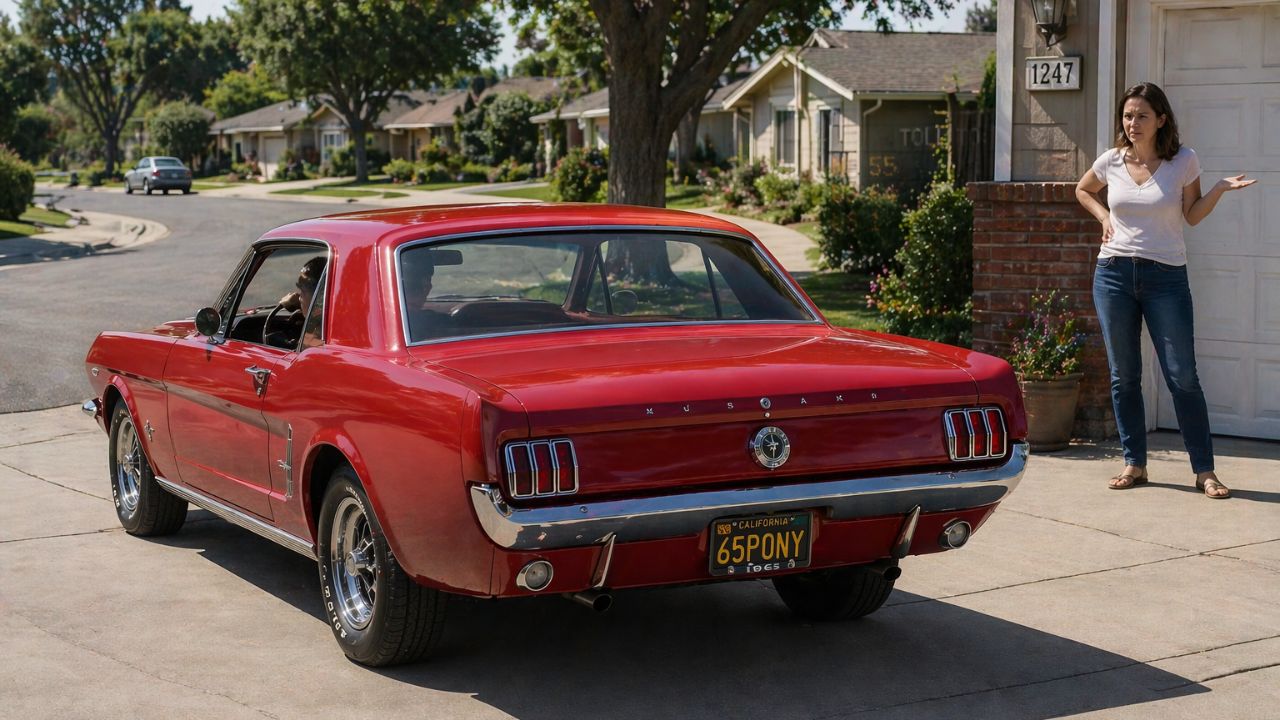
The 1965 Mustang isn’t exactly a background object. It’s a rolling piece of Americana, the kind of car people stop to stare at in parking lots and talk about like it’s an old friend. According to the woman, her dad kept it for decades, tinkering with it on weekends and talking about it like it had a personality.
She says the Mustang was tied up in family milestones—rides to school events, Sunday drives, the occasional “don’t tell your mom” detour. The promise that it would eventually be hers wasn’t delivered like a contract. It was more like a repeated family refrain, the kind you hear enough times that it starts to feel like fact.
What she expected after he died
After the funeral and the early waves of grief, she says she began sorting through practical matters. She assumed the car would be part of the estate, and that she’d handle the transfer like anyone does: confirm it’s listed, sign what needs signing, and drive it home carefully like it’s made of glass. In her mind, the hard part wasn’t legal—it was emotional.
But when she went looking for the Mustang, she says the situation already looked off. The car wasn’t where she expected, and the paperwork she thought would be waiting wasn’t. That’s when she learned someone else had stepped in and claimed the vehicle.
The first claim: “It’s already mine”
The other person, she says, didn’t treat this like a misunderstanding. They reportedly claimed they had the right to the Mustang and acted like the matter was settled. The woman describes it as being blindsided—like showing up to pick up a birthday cake and being told someone else already ate it.
Exactly how the claim was made is at the center of the dispute. In cases like this, it can come down to whether the car was transferred before death, whether someone’s name was added to the title, or whether an informal promise was never backed by the legal steps that make it stick. And yes, it’s as frustrating as it sounds: the law often cares more about documents than dinner-table assurances.
Why car ownership can get weird fast
Cars feel personal, but legally they’re objects with paperwork attached. In most places, the title is the heavyweight document—the thing that says who owns the car, who can sell it, and who gets to register it. If someone’s name is on that title, they often have a strong claim, even if the family story says otherwise.
There’s also the question of possession. If the other person already had the car, the keys, or access to where it was stored, they may have been able to move quickly. And once a classic car disappears into a private garage, it can feel less like a dispute and more like a scavenger hunt with attorneys.
Promises vs. paperwork: the part nobody wants to talk about
The woman says she doesn’t doubt what her dad wanted. She points to years of conversations and the way he spoke about the Mustang as her future project, her future joy. From her perspective, it wasn’t “maybe,” it was “when.”
But estates don’t run on vibes, even very sincere ones. If the will didn’t specifically mention the Mustang, or if the car wasn’t properly listed as part of what she’d inherit, she may have to prove intent through other evidence. That can mean texts, emails, witnesses, or any documentation showing he consistently said the car would go to her.
What typically happens when two people claim the same car
When ownership is disputed, families often start with the executor or administrator of the estate—the person responsible for gathering assets and distributing them. If the Mustang is considered part of the estate, the executor may be tasked with recovering it or freezing any attempt to sell it. If the other person claims it was transferred before death, that’s where things can turn into a formal challenge.
In many disputes, the timeline is everything. When was the title last changed? Was a new title application submitted? Was there a bill of sale, even one scribbled on paper? Did anyone pay for the car, insure it, or maintain it in a way that suggests ownership rather than “borrowing Dad’s car again”?
Classic cars raise the stakes
A 1965 Mustang isn’t just sentimental—it can be valuable, sometimes very valuable, depending on condition, originality, and trim. That value can turn a family disagreement into a financial fight fast. Even a car that needs work can be worth enough to motivate someone to get bold.
The woman says that’s part of what makes this sting. It’s not only about money, but she can’t ignore that money might be driving the other person’s confidence. When a classic car is involved, “I thought it was mine” can quickly become “I’m not giving it up.”
The emotional whiplash of inheriting anything
People don’t always behave like themselves after someone dies, and the woman’s story reflects that uncomfortable truth. Grief can make folks clingy, defensive, or suddenly strategic. Sometimes it’s not even malice—just panic mixed with old resentments and a little too much certainty.
She describes feeling like she’s grieving twice: once for her dad, and once for the version of this inheritance she thought would be simple. The Mustang, in her mind, was a connection she could keep polishing and maintaining. Now it’s also a reminder that even a beloved object can become a battleground.
What she can do next
If she decides to fight, the first step is usually boring but crucial: gather paperwork. That means locating the title history, any registration records, insurance documents, storage receipts, and anything showing where the car was kept and who paid for what. If the vehicle is at risk of being sold, she may need to move quickly to notify the estate’s representative or seek legal steps to prevent a transfer.
She can also document the story she’s been telling for years. Who heard her dad say it was hers? Were there messages about “your Mustang” or plans to restore it together? Courts and negotiators tend to prefer hard evidence, but consistent, credible witnesses can still matter—especially if the paperwork is unclear or suspiciously recent.
A family heirloom caught between memory and law
For now, the Mustang sits at the center of a story that’s equal parts nostalgic and nerve-racking. The woman says she’s not trying to “take” something that isn’t hers—she’s trying to receive what she believes was promised to her for years. And she’s learning, in real time, that the difference between a promise and an inheritance is often just one missing signature.
If there’s a lesson hiding in all this, it’s a simple one people tend to avoid until it’s too late: put it in writing, and make sure the paperwork matches the heartfelt speeches. A classic car can last generations. Unfortunately, so can a family dispute.
More from Fast Lane Only