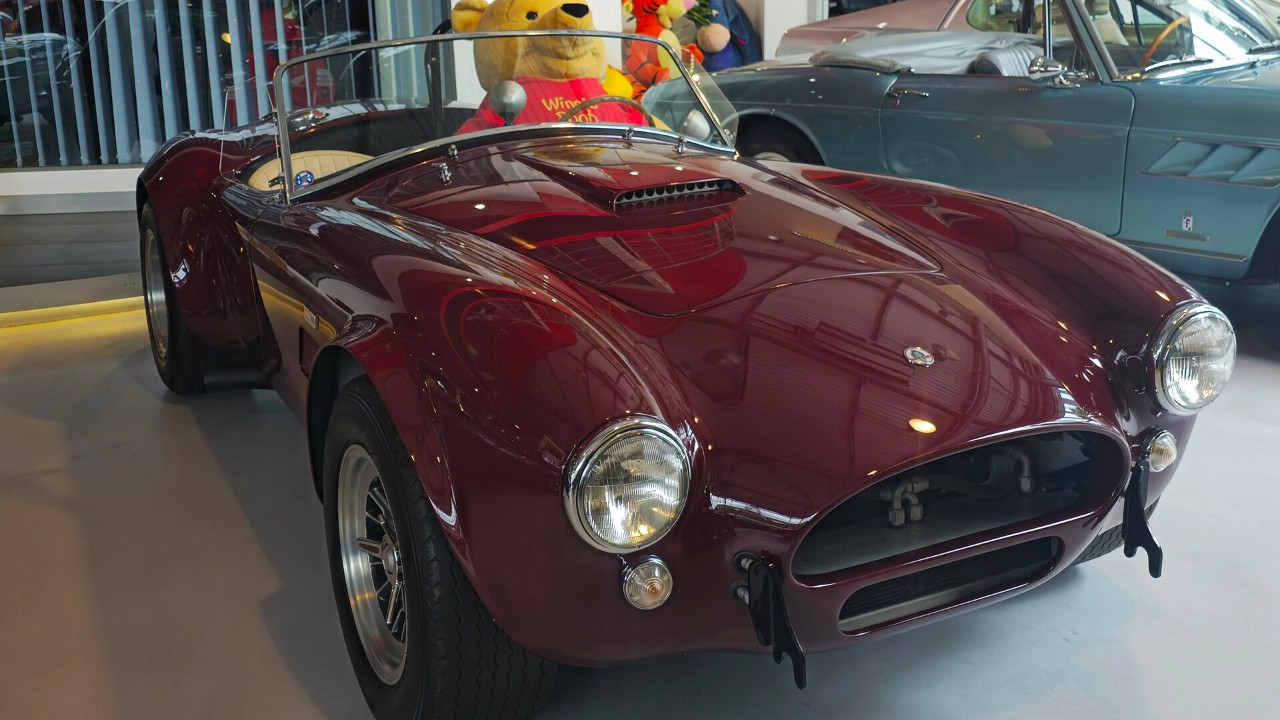
AC Cars put six different engines in the Ace and its Cobra offspring between 1953 and 1967. The story of the AC Ace engines runs from a British six first built in 1919 to Ford’s 427 V8.
Here they are in order, with the year each arrived and the output the record supports. The dates and figures come from Motor Sport’s archive, the AC Owners Club, the Shelby American Collection and published specification tables.
1. 1919 AC/Weller six, the first of the AC Ace engines
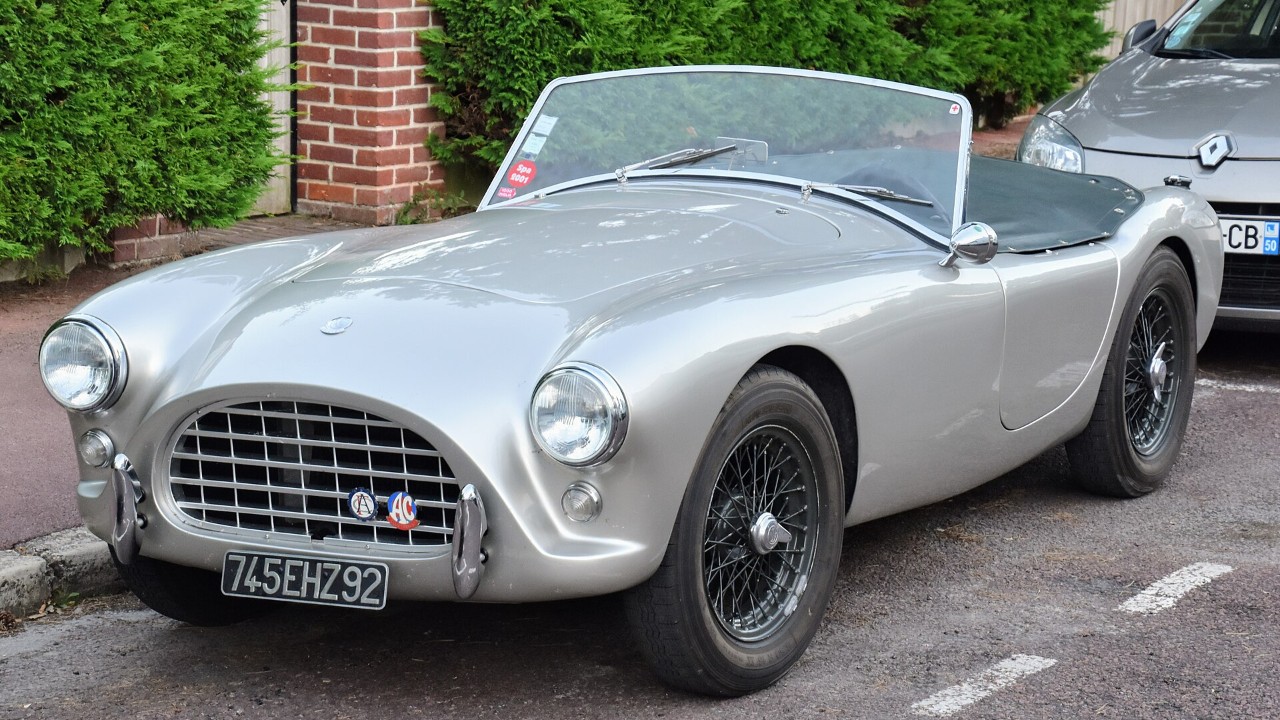
John Weller built his first AC “light six” in 1919, according to a 1990 Motor Sport road test. It was a wet-linered six-cylinder of 1,991 cc, and it started out at 40 bhp. By the time it went into the new Ace in 1953, it made 85 bhp.
The AC Owners Club describes it as an alloy engine with a single overhead camshaft. In fact, the club says it enjoyed a record production run from 1919 to 1963. Grace’s Guide also says AC built the Weller motor until 1963, a decade after the Ace’s debut at the 1953 Earls Court show.
2. 1956 Bristol 2-litre six
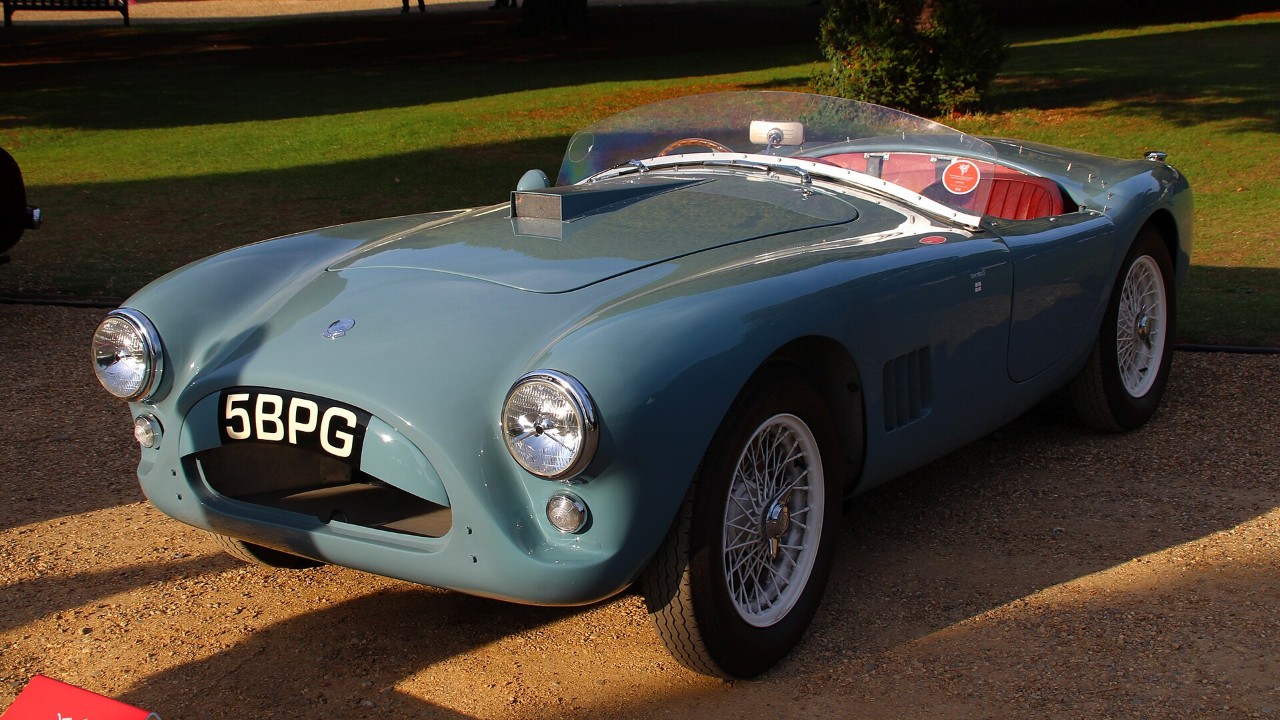
The biggest change came in 1956, when AC replaced its own engine with the two-litre Bristol unit, according to Motor Sport. The Bristol made 120 bhp at 5,750 rpm. As a result, the Ace became a much more potent car.
The swap also saved weight. Motor Sport says the whole Bristol assembly was about 25 lb lighter than the AC engine and its Moss gearbox. However, the supply didn’t last. By 1961, the same article says, Bristol engines were in short supply, and that opened the door for Ford.
3. 1961 Ford Zephyr six (Ken Rudd)
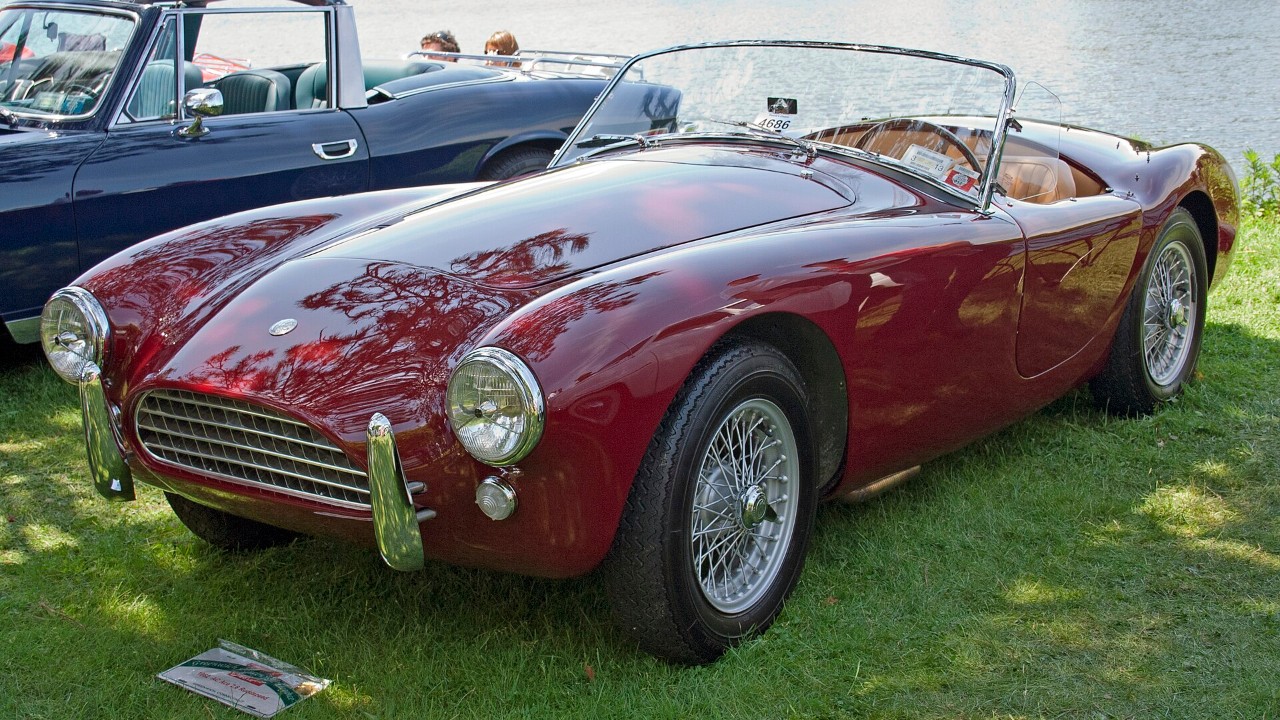
From 1961, K.N. Rudd Ltd of Worthing fitted Ace and Aceca models with modified Ford Zephyr engines, Motor Sport reports. That made the Zephyr the third six-cylinder engine to go into the Ace.
In standard form, the Zephyr six made 90 bhp at 4,700 rpm. Buyers who wanted more could pick one of five stages of tune, priced from £75 to £225, with output from 120 to 170 bhp. Meanwhile, the Ace itself was nearing its end. Motor Sport says production stopped in 1963, when AC turned its attention to the Cobra.
4. 1962 Ford 260 V8
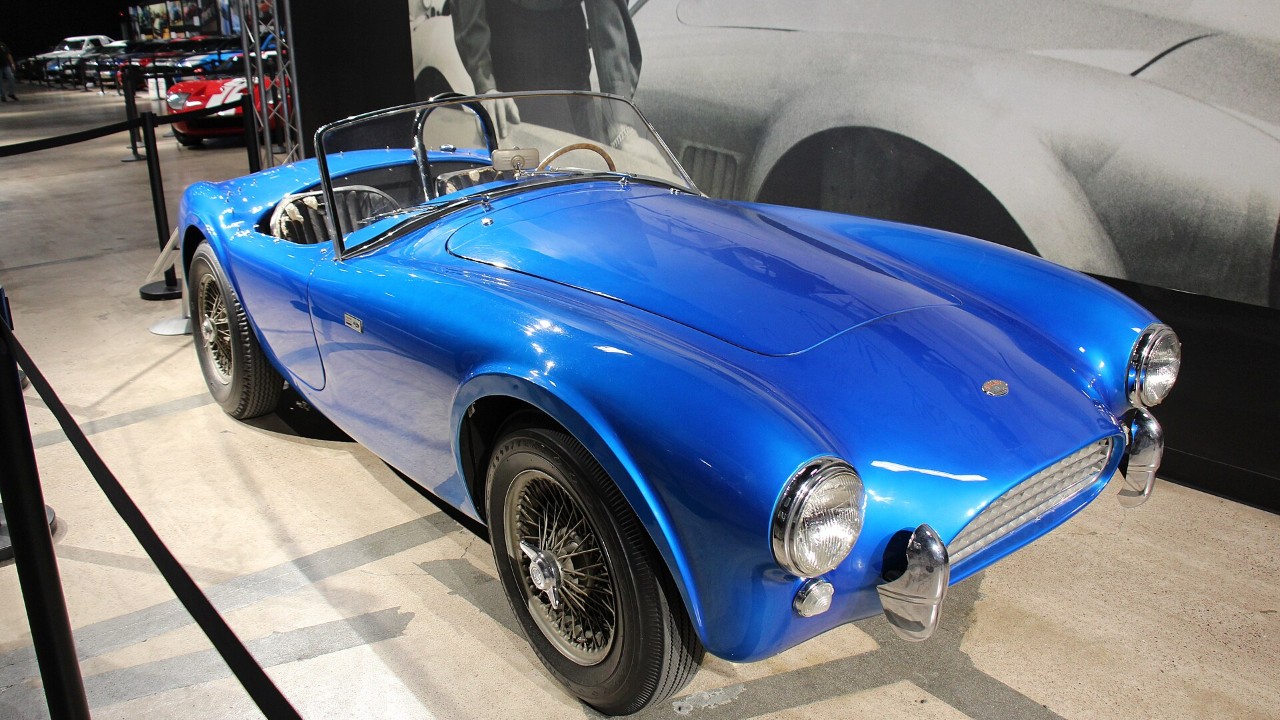
Carroll Shelby’s prototype, chassis CSX2000, began as an Ace that AC modified at Thames Ditton. According to the Shelby American Collection, it was finished in late February 1962 and flown to Los Angeles. Then, at Dean Moon’s shop in Santa Fe Springs, California, it got a four-speed gearbox and one of the first Ford 260 V8s.
Before that, the car had tested in England with a Ford Fairlane 221 V8, the museum says. The 260 had a short run in customer cars, though. According to Supercars.net, the first 75 Cobras used the 260 before the bigger engine took over. CSX2000 is now on display in Boulder, Colorado, on loan from the Miller Family Automobile Foundation.
5. 1963 Ford 289 V8
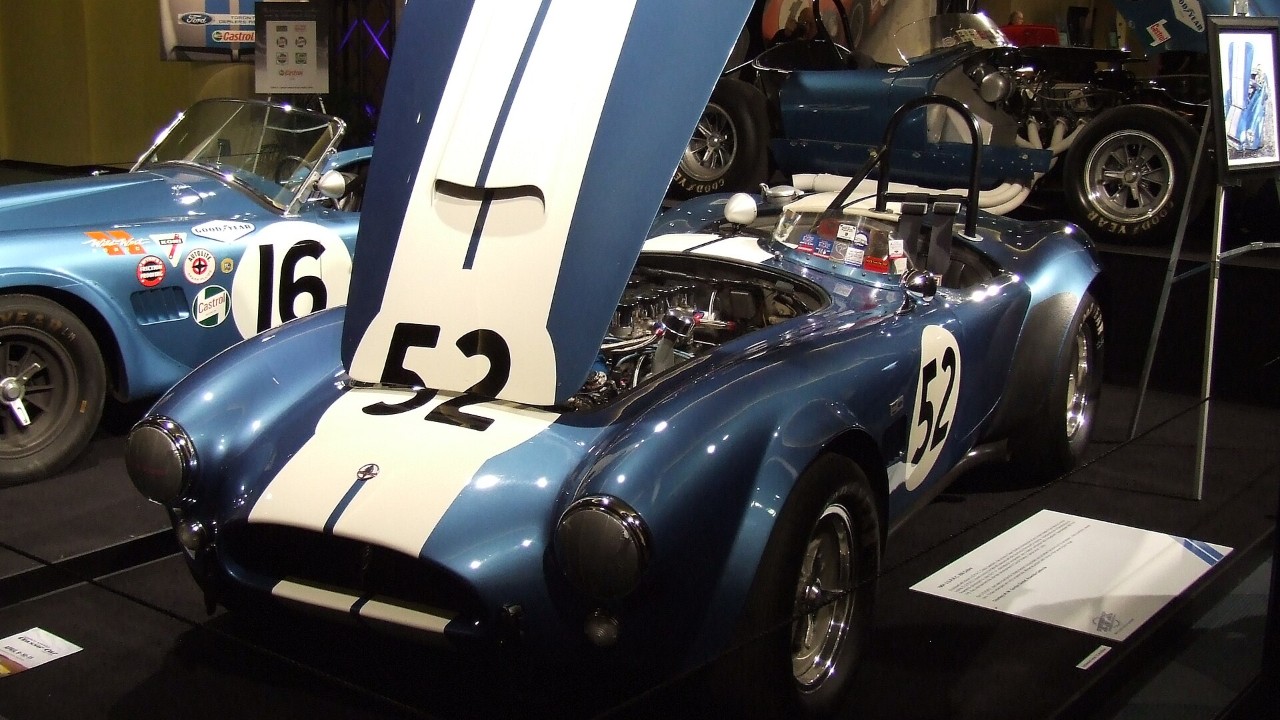
The 289 arrived in 1963, according to Sports Car Market. Street versions made around 271 horsepower. Supercars.net lists the same 271 hp, gross, at 5,800 rpm.
Other changes came at the same time. A late-1962 front-end redesign added rack-and-pinion steering, and the revised car entered production in 1963 as the Mk II, Supercars.net says. Even so, the 260 and 289 cars kept transverse leaf springs, Sports Car Market notes.
6. 1965 Ford 427 V8
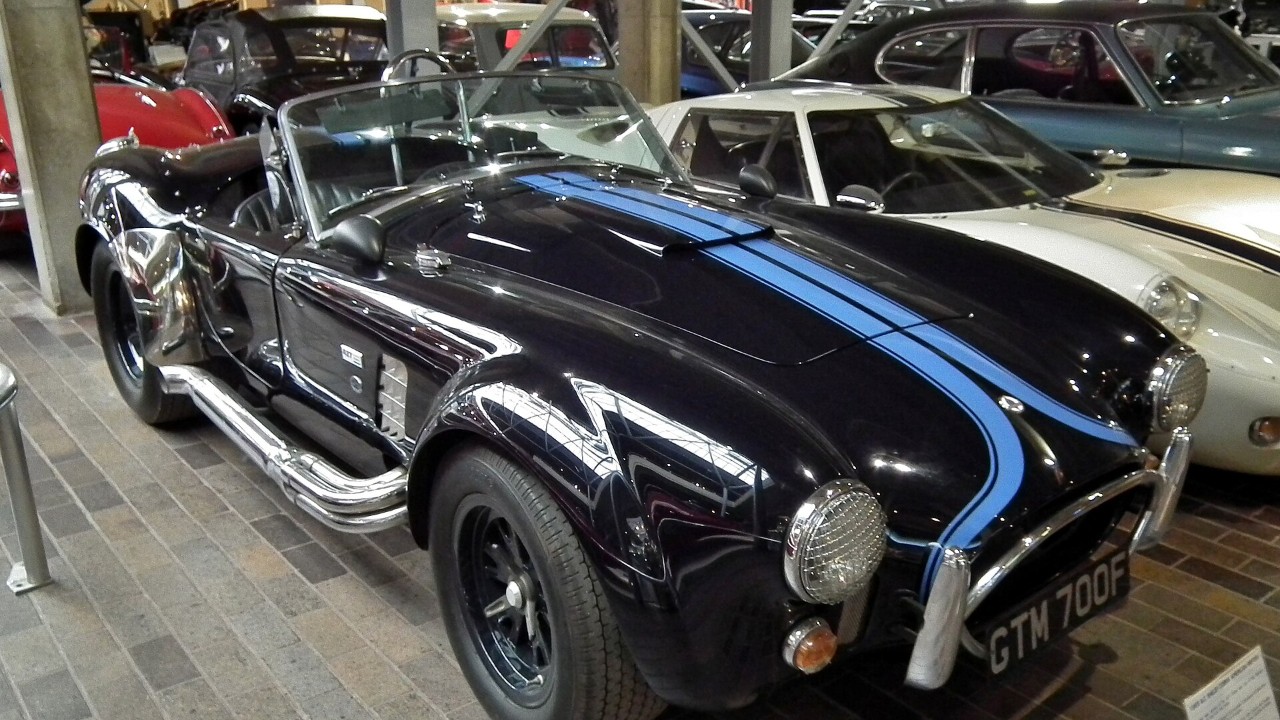
The final step was the biggest. The 427 Cobra debuted in 1965 with an all-new, much stronger chassis, according to Silodrome. Its 427 V8 made 425 bhp and 480 lb-ft of torque.
The new car swapped the leaf springs for coil-spring independent suspension at all four corners, Sports Car Market says. It also got uprated brakes and revised bodywork for bigger wheels and tires. Silodrome dates the original Cobra’s sales from 1962 to 1967. Across the 289, 427 and competition cars, Supercars.net counts 998 Cobras completed.
More from Fast Lane Only
- Unboxing the WWII Jeep in a Crate
- 15 rare Chevys collectors are quietly buying
- 10 underrated V8s still worth hunting down
- Police notice this before you even roll window down
This article was created with the help of AI and was reviewed and edited by Fast Lane Only editors before publication.