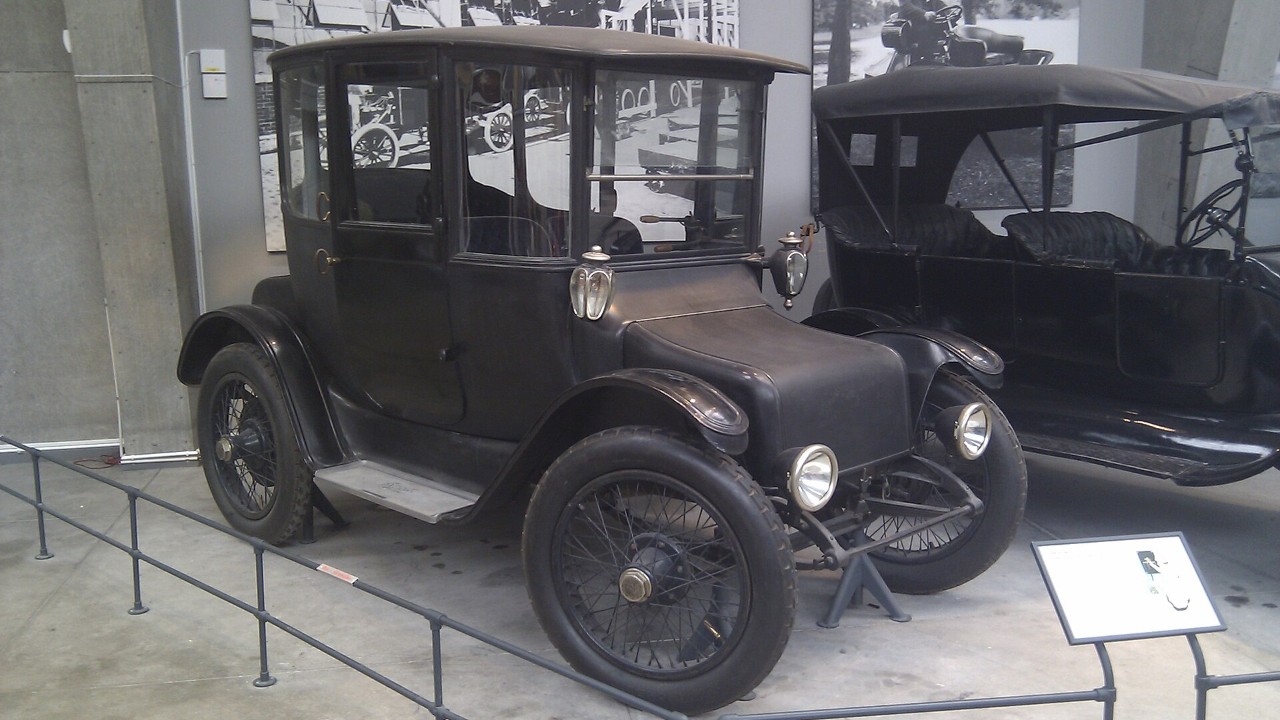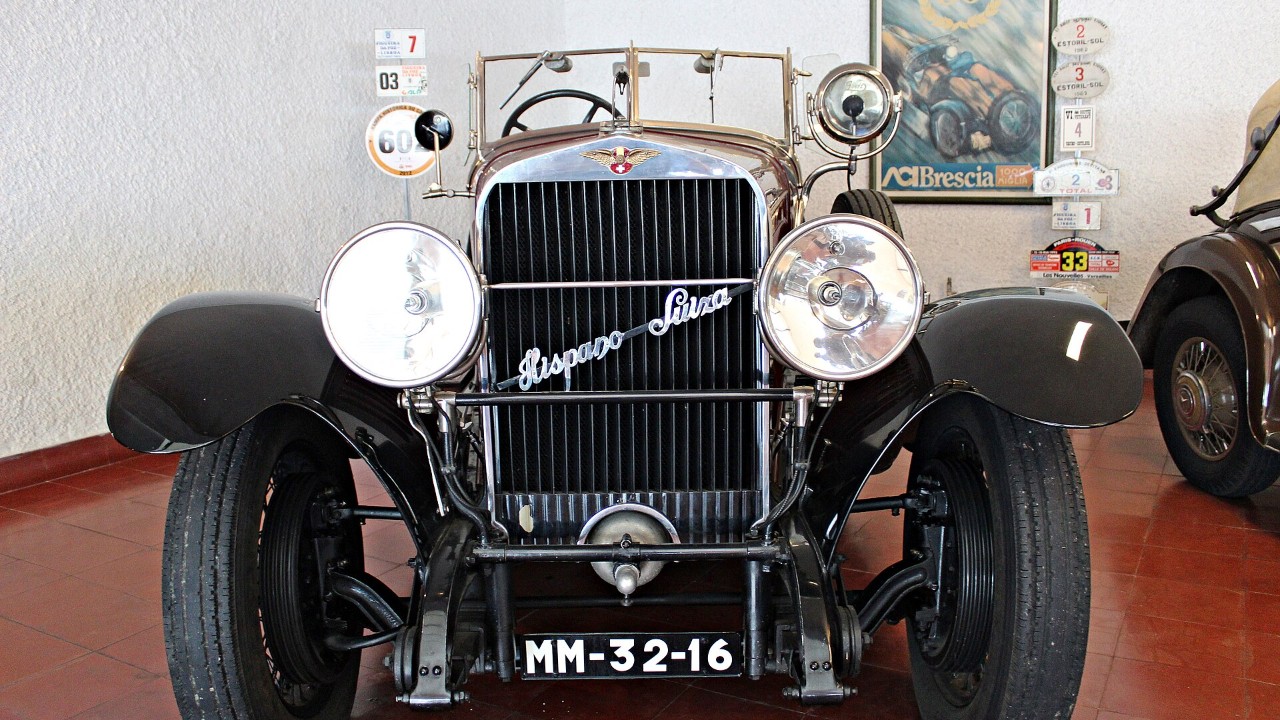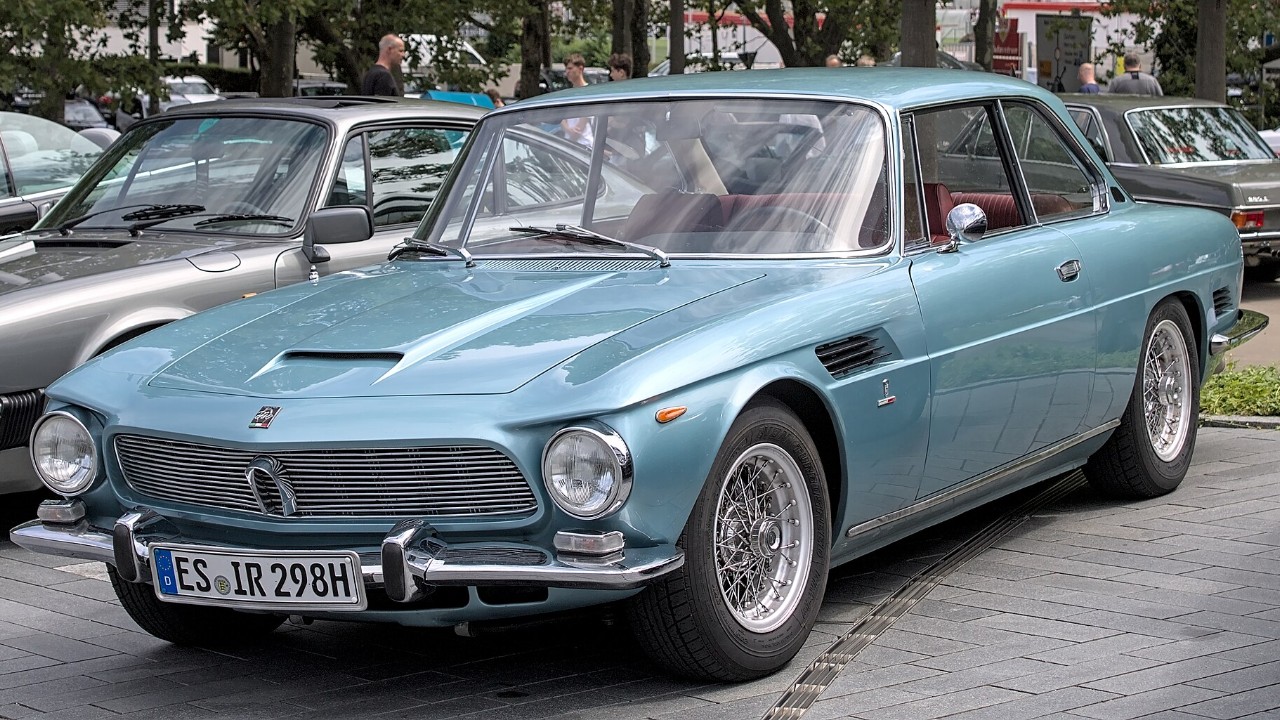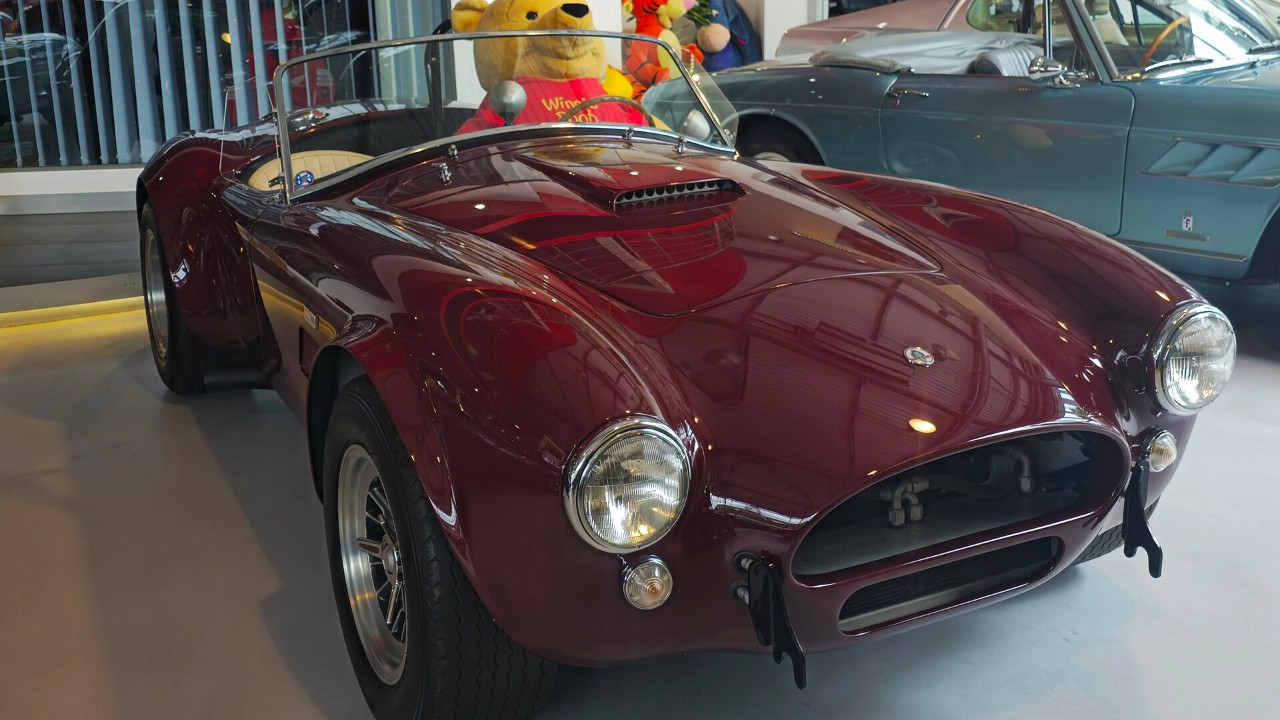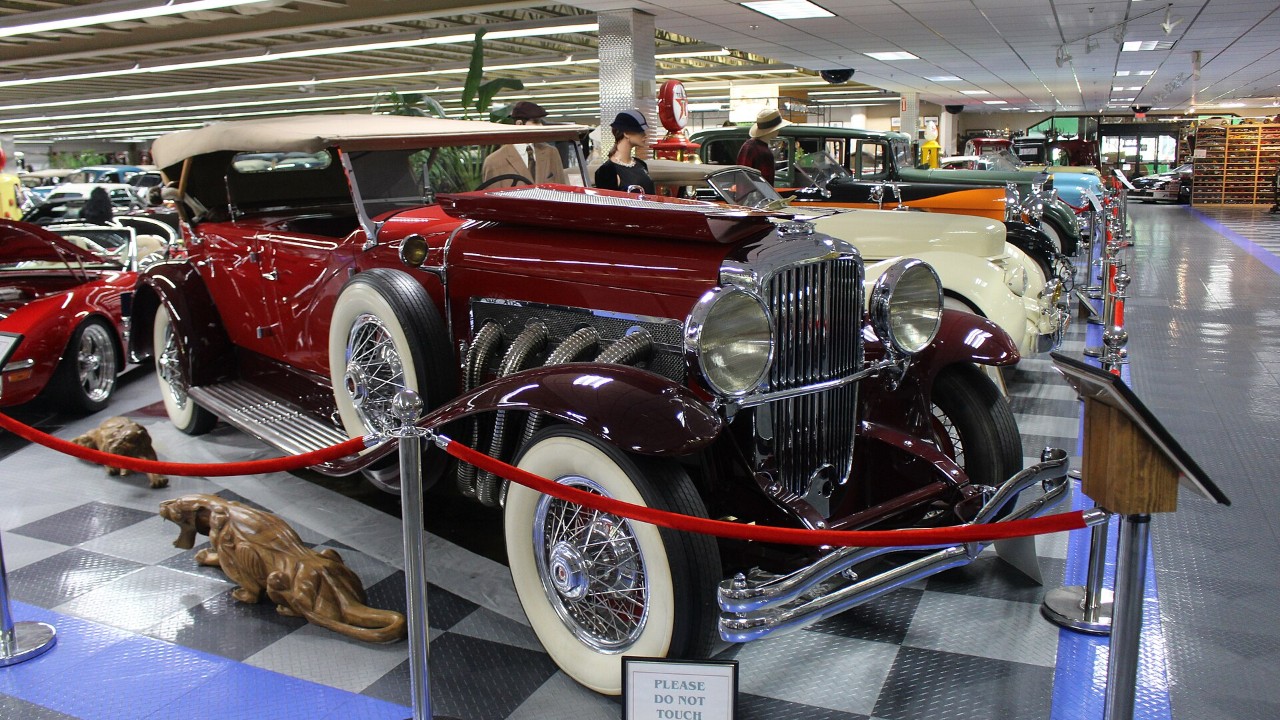
A coachbuilder took a bare chassis from a carmaker and built a custom body on it. These six East Coast coachbuilders dressed Duesenberg, Packard, Lincoln and Rolls-Royce chassis, among many others.
Most grew out of the carriage trade, and four of the six had closed by 1941. Their dates, owners and clients below come from Hagerty’s history of the East Coast firms, auction records and the coachwork files at conceptcarz.
1. Brewster & Company, the oldest of the East Coast coachbuilders
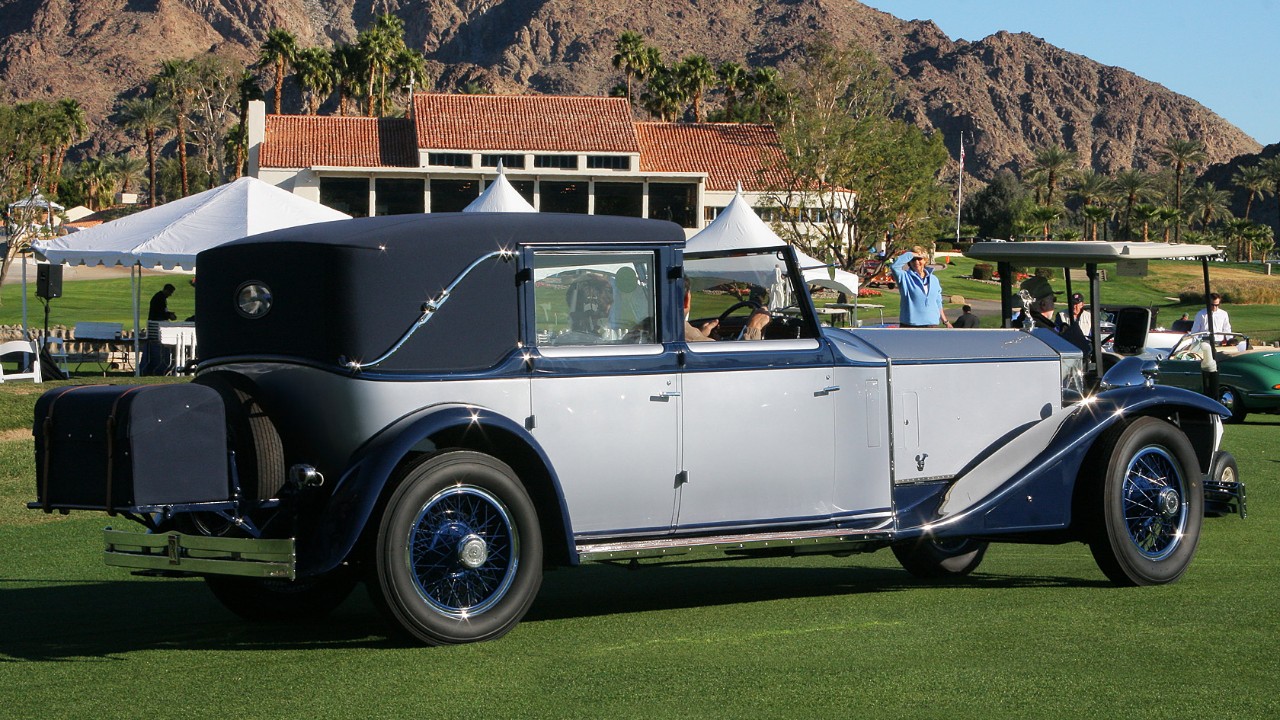
Brewster’s roots ran deepest. Founder James Brewster’s carriage-building history went back as far as 1804, according to Hagerty. The firm built its first car body in 1905 and its last horse-drawn carriage in 1911.
Rolls-Royce of America bought Brewster in 1926, after talks began in 1925, Hagerty says. Meanwhile, the conceptcarz coachwork file lists many Brewster bodies on Rolls-Royce Silver Ghost and Phantom chassis, dated 1919 to 1938. The Brewster family took the firm back in 1933, and it later built bodies on Ford V8 chassis from 1934 to 1936. Even so, it went bankrupt, and its assets went to auction in August 1937.
2. Brunn & Company (Buffalo, 1908–1941)
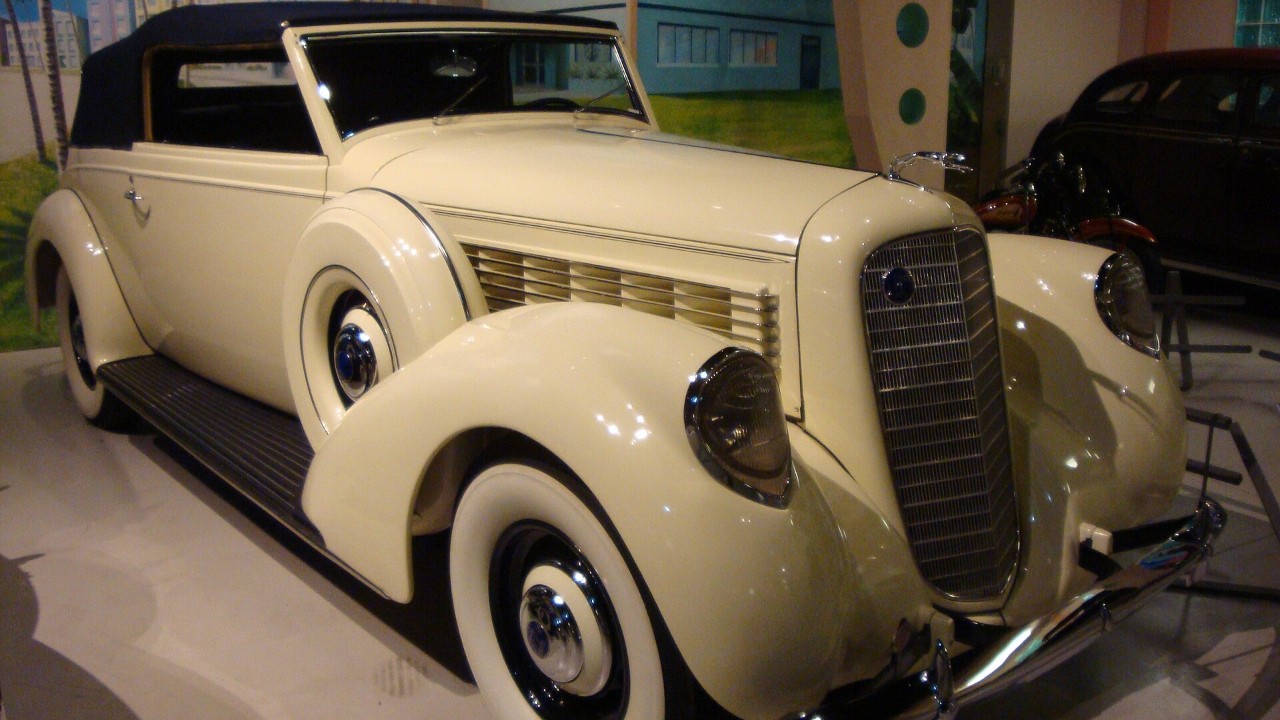
Hermann A. Brunn founded Brunn & Company in Buffalo, New York, in 1908, according to the University of Michigan’s archive guide to the firm’s records. From the start, Lincoln was its biggest client. Hagerty says Brunn drew 12 new designs for Lincoln for 1923.
At its peak, the firm had 150 craftspeople and built about 20 bodies a month, most of them for Lincoln, RM Sotheby’s says. In 2013, the same house sold a 1936 Lincoln Model K Convertible Victoria by Brunn for $242,000. Brunn also bodied Duesenberg, Packard, Pierce-Arrow and Rolls-Royce chassis, conceptcarz lists. However, Hermann’s death in 1941 marked the end of the company, Hagerty says.
3. Derham Body Company, Philadelphia’s Main Line
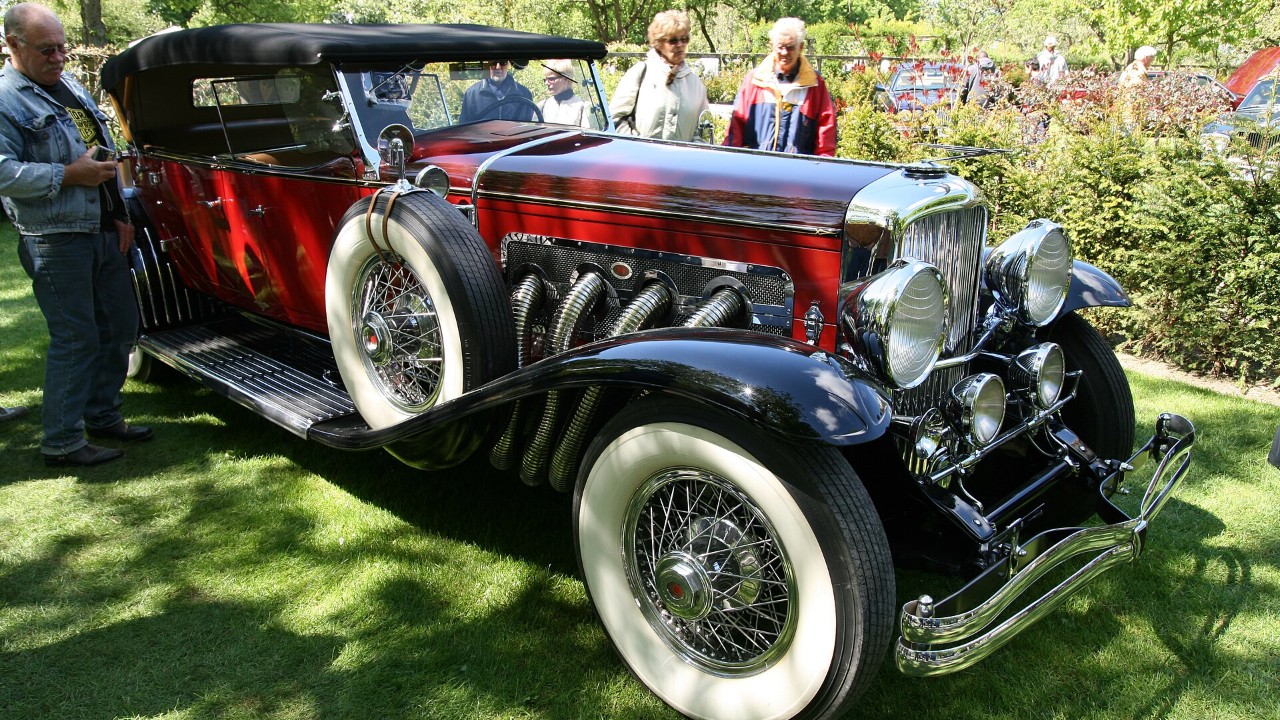
Joseph J. Derham got his start as an apprentice carriage builder. Then he set up shop near Philadelphia’s wealthy Main Line, Hagerty says, which brought him plenty of rich clients. In particular, Derham built bodies for Duesenbergs, Packards and Franklins.
Later, a Plymouth-DeSoto franchise led the firm to build special-bodied Chryslers and Imperials. It also restyled Lincoln Continental coupes for designer Raymond Loewy and his wife. The conceptcarz Derham file lists its work from a 1910 Franklin to a 1962 Lincoln Continental. Joseph died in 1928, but the firm carried on until his son Enos died in 1974, Hagerty says.
4. LeBaron (New York, 1920)
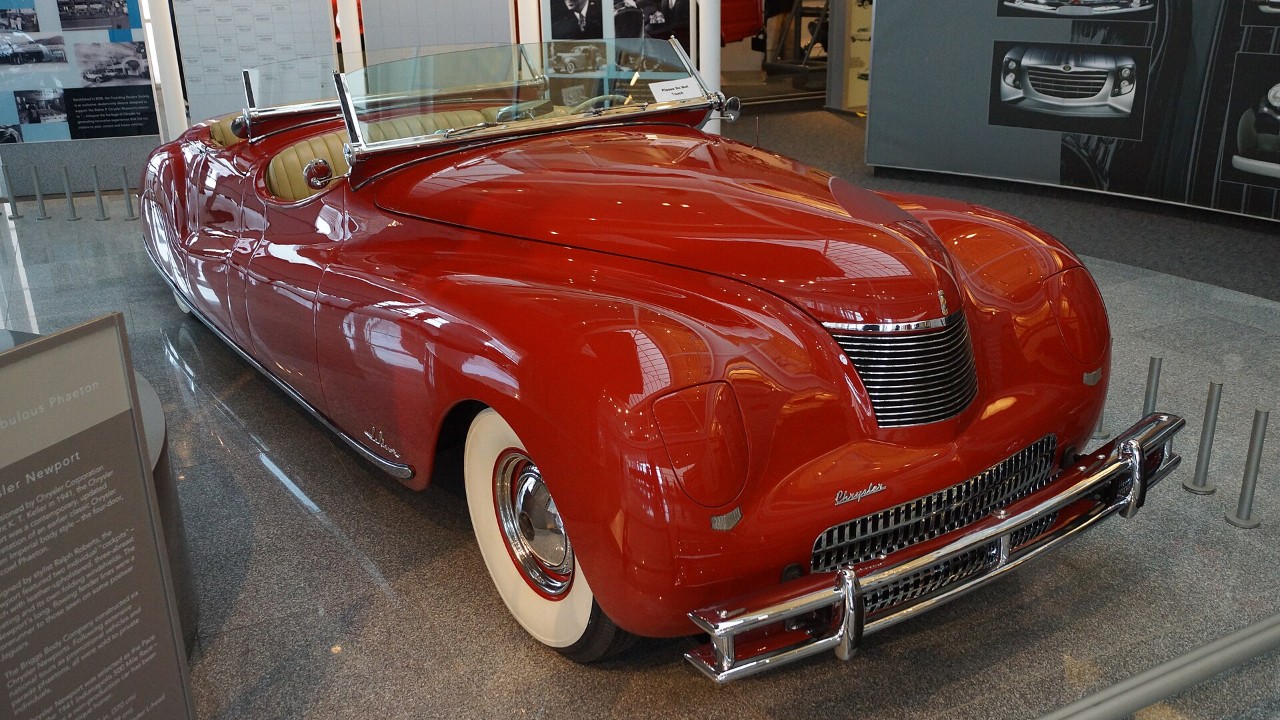
Thomas L. Hibbard and Raymond Dietrich founded LeBaron in 1920 at 2 Columbus Circle in New York City, according to conceptcarz. Both men had started out in Brewster’s design department, Hagerty says. Also, they chose the name for a sense of French elegance.
By the mid-1920s, LeBaron turned out about 200 bodies a year. Then Detroit’s Briggs bought the business in 1927, Hagerty says. It bodied Duesenberg, Packard, Lincoln and Chrysler chassis, among others, according to conceptcarz. Later still, Chrysler bought Briggs in 1953 and with it the LeBaron name, which it used for four decades.
5. Rollston (New York, 1921–1938)
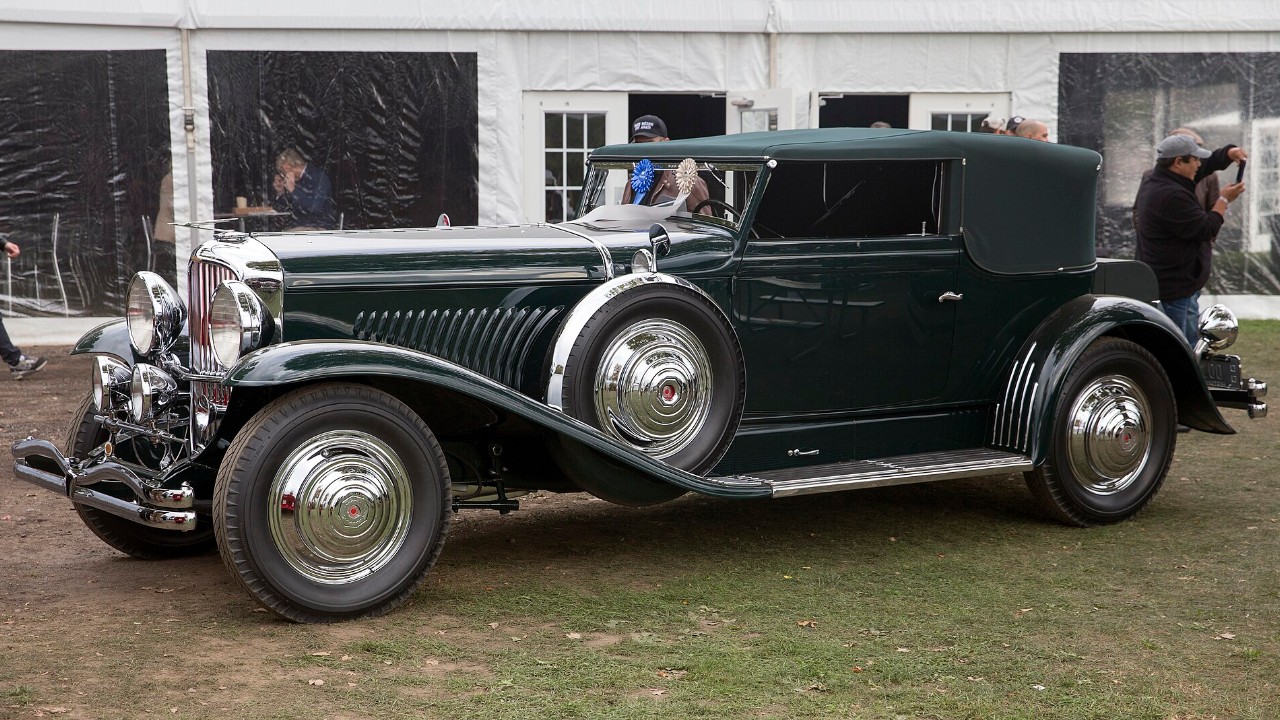
Harry Lonschein learned coachbuilding at Brewster, starting in 1903. He and two partners named their own firm Rollston as a gesture to his favorite brand, Hagerty says. According to RM Sotheby’s, it sat at 601–603 West 47th Street in New York and bodied cars from 1921.
In fact, much of Rollston’s work went on Packard chassis. It also bodied many Duesenberg Model J and SJ chassis, according to the conceptcarz Rollston file. Output averaged about 54 bodies a year in the 1920s, then fell to about 20 during the Depression. By April 1938 the firm had closed, Hagerty says, and it later reorganized as Rollson.
6. Willoughby Company (Utica, N.Y., 1903–1938)
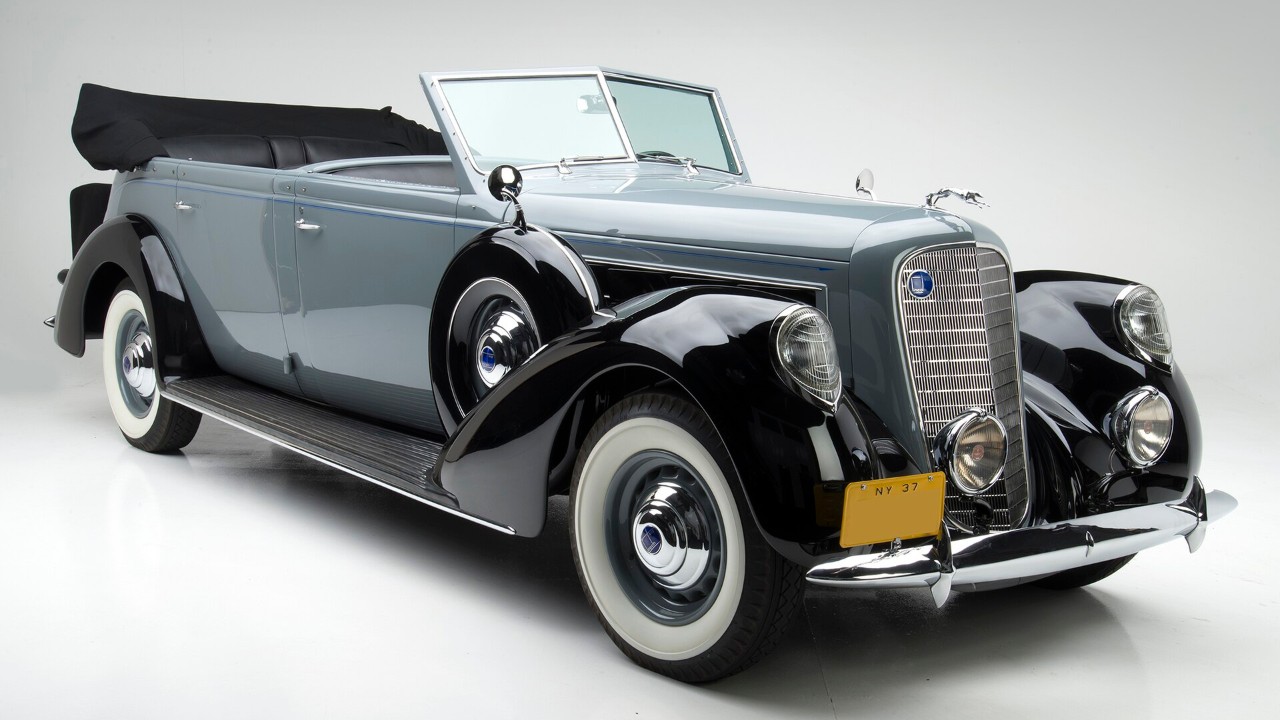
Edward A. Willoughby came from business management, not the trade. He took over the bankrupt Utica Carriage Company and formed the Willoughby Company in 1903, Hagerty says. At first, it built carriages, sleighs and car bodies. After his death in 1913, his son Francis took over.
Studebaker ordered more than 1,000 closed bodies in 1914. Later, Willoughby won contracts with Marmon and Lincoln and built custom coachwork on Duesenbergs and Rolls-Royces. The conceptcarz Willoughby file says the firm built bodies in Utica from 1903 through 1938. Finally, in 1939, Francis failed to find a buyer, and everything went to public auction, Hagerty records.
More from Fast Lane Only
- Unboxing the WWII Jeep in a Crate
- 15 rare Chevys collectors are quietly buying
- 10 underrated V8s still worth hunting down
- Police notice this before you even roll window down
This article was created with the help of AI and was reviewed and edited by Fast Lane Only editors before publication.