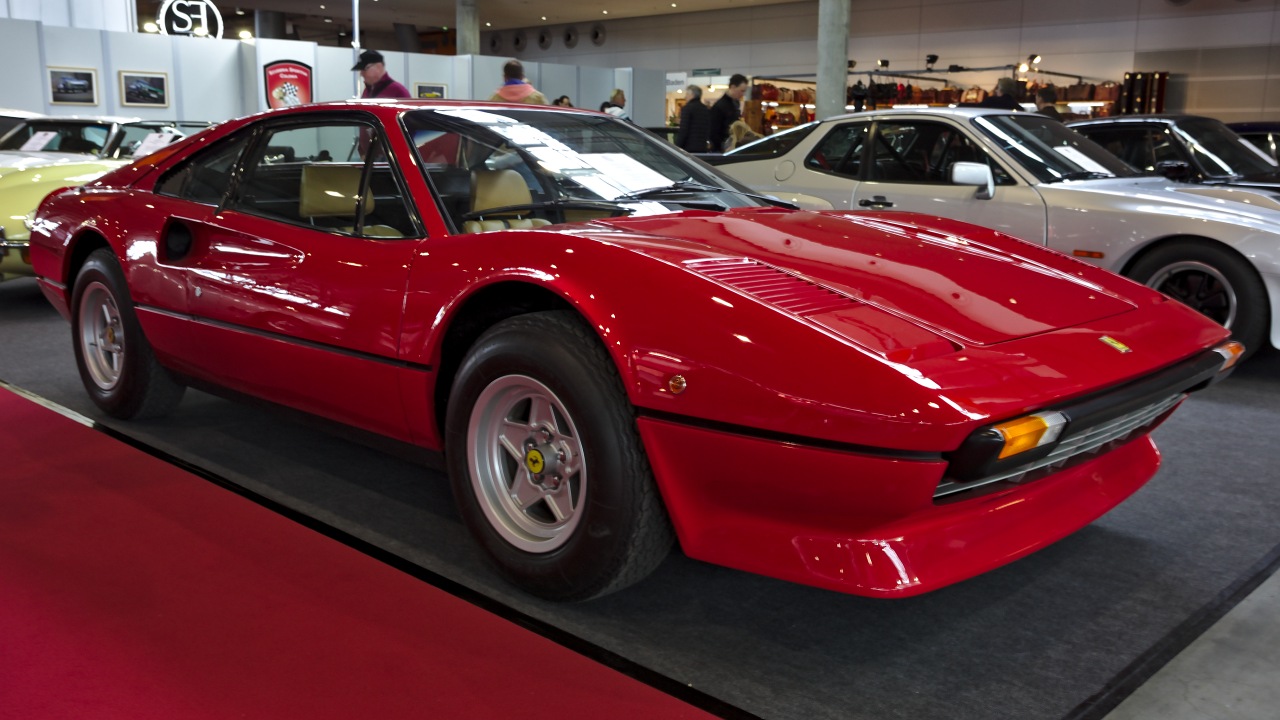
After three decades sealed away in a cluttered Midwestern garage, a pair of Ferrari 308s has stepped back into the light with their stories, and their sheet metal, remarkably intact. What began as a family decision to clear out a long-ignored property has turned into one of the most compelling barn finds in recent memory, complete with a rare Vetroresina example valued at over 200,000 and a supporting cast that even includes a DeLorean. I see in this rediscovery not just a windfall for collectors, but a vivid snapshot of how passion, circumstance, and time can freeze a moment in automotive history.
From forgotten garage to headline barn find
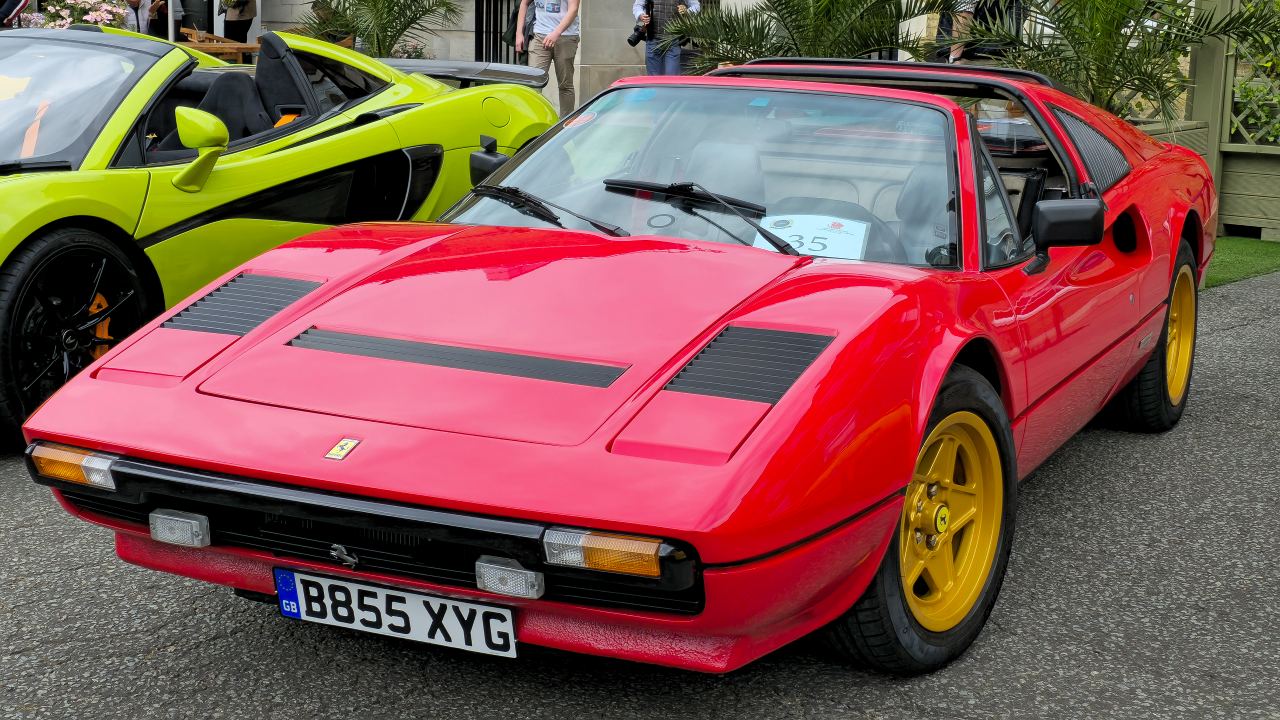
The core of this story is simple and striking: Two Ferrari 308 GTBs, untouched for roughly thirty years, were found sealed inside a crowded garage in Minnesota, their bright paint buried under heavy layers of storage dust. The cars had belonged to an enthusiast who, after a life-changing accident that left him partially paralyzed, could no longer drive them, yet could not bring himself to let them go. According to reporting on the discovery, he adapted as long as he could, shifting with his left hand across the cabin, before the Ferraris were finally parked and the garage slowly filled around them, turning the space into a time capsule of 1980s and early 1990s performance culture.
The rediscovery came only after the original owner died and his family, led by his son, decided it was time to open the doors and deal with what had become a long-shelved chapter of their lives. As the clutter was cleared and the dust began to fall away, the outlines of the Two Ferrari 308 G TBs emerged, their iconic wedge profiles instantly recognizable even under decades of neglect. Reporting on the cleanup notes that the focus quickly shifted from simple removal to careful restoration, with the son determined to bring the Ferraris out of their long slumber and back into running condition rather than simply cashing out. That choice, rooted in respect for his father’s passion, is what transformed a routine estate chore into a barn find that has captured global attention.
The rare Vetroresina and its surprising condition
Among the pair, one car stands out as especially significant: a Vetroresina version of the Ferrari 308, built with a fiberglass body rather than steel. These early production cars are prized for their lighter weight and limited numbers, and the example uncovered in Minnesota has been valued at over 200,000 in current market terms. Reporting on the find emphasizes that this Vetroresina is not only rare on paper, but also unusually well preserved for a car that has been static for three decades, with its panels and structure spared the corrosion that often plagues long-stored exotics.
The fiberglass construction plays a key role in that preservation story. Unlike later steel-bodied 308s, the Vetroresina does not rely on a protective varnish in the same way, and the absence of that layer, combined with the car’s long indoor storage, appears to have helped it avoid the bubbling and rust that can devastate a neglected classic. Coverage of the discovery notes that, beneath the dust, the Ferrari red still presents strongly, a testament both to the original build quality and to the accidental protection provided by a sealed, if chaotic, Minnesota garage. For collectors, that combination of rarity, condition, and documented long-term storage is exactly what underpins the 200,000 valuation and fuels intense interest in how the car will be restored and potentially sold.
Life, loss, and the owner who could not let go
Behind the metal and market numbers sits a more personal narrative that gives this barn find its emotional weight. The late owner was not a speculator chasing rising values, but a driver who used his Ferraris as they were intended until a serious accident changed everything. Reporting on the case describes how the crash left him partially paralyzed, forcing him to improvise by shifting with his left hand across the cabin so he could continue to enjoy the cars. That adaptation speaks to a level of attachment that goes beyond simple ownership, and it helps explain why, once driving them became impossible, he chose to keep the Ferraris close rather than sell them on.
Over time, the garage turned from a workshop into a storage bunker, with the Two Ferrari 308 G TBs gradually buried under boxes, parts, and household overflow. The cars were not abandoned in the sense of being discarded; they were entombed, held in place by a mix of sentiment and denial. When his son finally decided to clear the space, he was not just uncovering valuable assets, he was confronting the physical legacy of his father’s interrupted passion. Accounts of the rediscovery make clear that this is why the family opted for a careful cleanup and documentation process, including video of the restoration work, rather than a quick, anonymous sale. In that choice, I see a recognition that these Ferraris are as much family artifacts as they are high-value collectibles.
Minnesota’s unlikely supercar time capsule
The setting for all of this, a modest property in Minnesota, adds another layer of intrigue. Reports describe the garage as a cluttered, sealed space that somehow ended up housing not only the two Ferrari 308 GTBs but also a DeLorean DMC-12, creating a tableau that feels almost scripted for a movie. The presence of the DMC alongside the Ferraris turns the site into what some coverage has called Minnesota’s ultimate barn find, a snapshot of late twentieth century performance and pop culture hidden in plain sight in the Upper Midwest. For a region better known for pickup trucks and snow-ready SUVs, the idea of multiple Italian exotics and a stainless steel icon sitting dormant for decades is striking.
From a preservation standpoint, the Minnesota climate could have been a disaster for long-term storage, yet the sealed nature of the garage appears to have mitigated the worst risks. Reporting on the discovery notes that, despite the heavy layers of storage dust, the cars emerged in surprisingly solid condition, with no immediate signs of catastrophic rust or structural decay. That outcome underscores how much environment and luck matter in barn finds. A similar collection left in a damp, unsealed building might have dissolved into parts cars, but here the combination of indoor storage and relative isolation turned the garage into an accidental museum. For enthusiasts, it is a reminder that extraordinary machines can surface in the most ordinary places, from suburban Minnesota to small-town industrial units.
Restoration, value, and what comes next
With the Ferraris now out in the open, the focus has shifted to what happens next, both mechanically and financially. The son’s decision to prioritize restoration means that the immediate task is not auction catalog photography, but careful mechanical recommissioning after thirty years of inactivity. Coverage of the cleanup emphasizes that the process is being documented in detail, from the first wash that stripped away decades of dust to the inspection of engines, fuel systems, and interiors. For cars like these, the difference between a sympathetic mechanical refresh and a full, bare-metal restoration can have a major impact on both authenticity and value, especially for a rare Vetroresina example already pegged at over 200,000.
Market context matters here as well. Reports on the Minnesota discovery point out that Ferrari 308 GTBs, particularly early and special variants, have matured from entry-level exotics into serious collector cars, with the 308 G designation now carrying more weight than its long-standing “baby Ferrari” reputation might suggest. The combination of documented long-term single-family ownership, a compelling backstory involving a dedicated but ultimately sidelined driver, and the presence of both a standard steel-bodied car and a Vetroresina creates a package that auction houses and private buyers will find hard to ignore. As I see it, the real value, beyond the 200,000 headline figure, lies in how faithfully the family and any future custodians preserve that story alongside the metal, ensuring that when these Ferraris finally return to the road or the concours lawn, they carry their three decades of silence with them rather than erasing it in the pursuit of perfection.