The teenager accused of driving a stolen Chevrolet Camaro in a crash that killed five people on a San Antonio stretch of Interstate 35 is now at the center of a case involving forensic evidence, vehicle theft charges, and public calls for accountability on Texas highways. Investigators say the 19-year-old was behind the wheel of a speeding muscle car that slammed into a small bus and an 18-wheeler on the city’s Southwest Side, turning a routine evening drive into one of the deadliest collisions in recent memory.
As police and prosecutors assemble their case, the focus has grown beyond a single night of reckless driving. Detectives have connected the crash to an earlier vehicle theft, layered DNA with digital evidence to place the suspect in the driver’s seat, and filed charges against others linked to the stolen Camaro — signaling that authorities view the wreck not as an isolated tragedy, but as the violent end of a criminal chain that began days before the impact.
Five dead, more than a dozen injured in I-35 chain-reaction crash
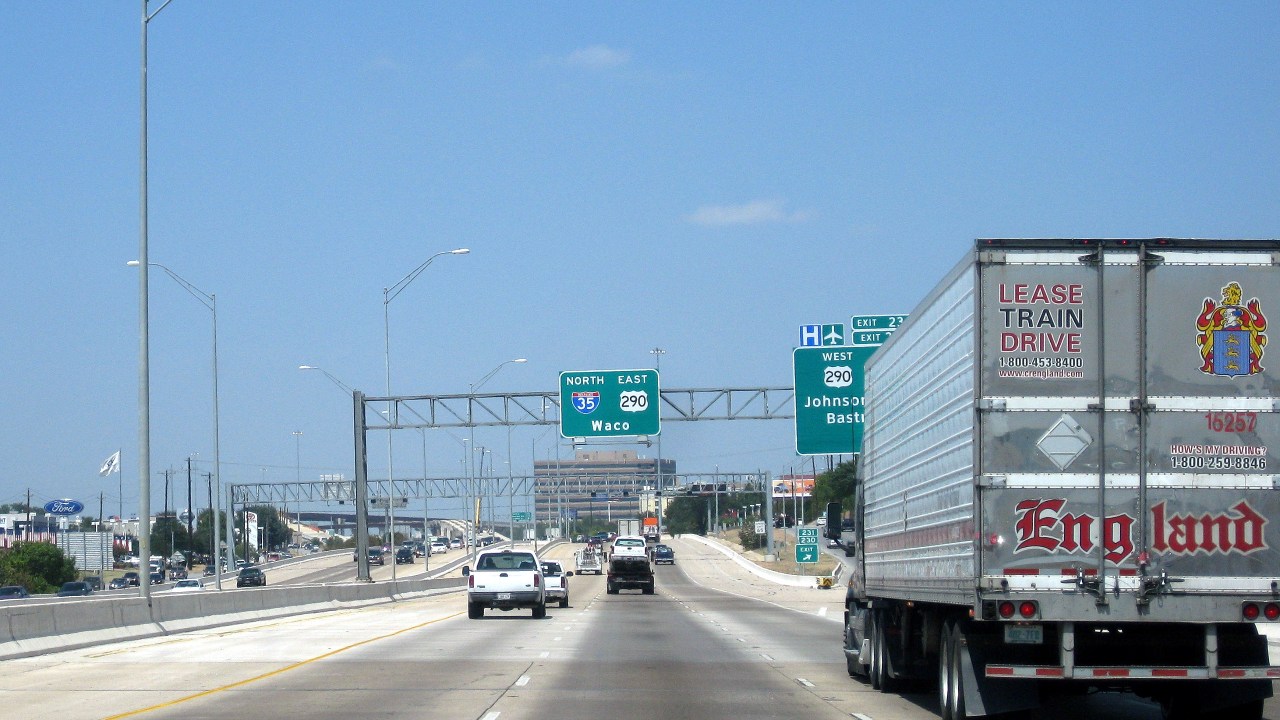
San Antonio police say the white Camaro was reported stolen from a driveway in Converse before it was later seen speeding on I-35 near Cassin Road. Officers allege the car was traveling at more than 100 mph when it collided with a small passenger bus hauling a trailer, triggering a chain-reaction impact that also involved an 18-wheeler. The force of the crash flipped the bus onto its side, ejected passengers, and scattered debris across multiple lanes.
Five people have died — including 50-year-old bus driver Jose “Tito” Hector Guerra — and more than 15 others were injured, with some reports noting that as many as 20 passengers were taken to hospitals. The interstate was shut down for hours as first responders worked a scene described as “catastrophic,” with mangled metal, overturned wreckage, and belongings strewn across the roadway.
For families affected, the numbers now stand for lives lost: a working driver who never made it home, passengers injured while simply trying to travel, and a community shaken by a crash born from a stolen car.
The suspect: 19-year-old Ethan Gonzales, identified through DNA
Police identified the suspected driver as 19-year-old Ethan Gonzales, who is now facing multiple counts tied to the crash, including five counts of manslaughter and five counts of failure to stop and render aid resulting in death, with additional charges expected. Officers say Gonzales fled the scene on foot, but forensic evidence linked him back to the Camaro.
Investigators emphasize that their case does not rely solely on witnesses. DNA recovered from inside the stolen Camaro matched Gonzales, and detectives cite surveillance video and cell phone records that place him with the vehicle in the hours leading up to and after the collision. In police filings, DNA is described as a critical element that allowed investigators to identify the driver despite the chaos of the wreckage.
From stolen driveway Camaro to highway catastrophe
Long before the crash, the Camaro was the subject of an earlier investigation. According to police, the vehicle was stolen from a driveway days prior, and evidence later placed it in a series of movements around San Antonio before it reached I-35. In that timeline, the burglary of a vehicle escalated into a five-fatality collision — a chain that prosecutors say shows how stolen cars can become lethal when combined with speed and inexperience.
Two men accused of touching the Camaro before the crash — 21-year-old Eric Perez and 18-year-old Matthew Espinosa — have been arrested on burglary of vehicles charges and related counts involving the stolen car. Perez also faces unauthorized use of a motor vehicle, while Espinosa was additionally charged with failure to identify. Detectives have openly suggested that more arrests are possible as they map who had access to the vehicle and when.
By charging people tied to the initial theft, investigators are drawing a line from driveway to freeway — building a case that the wreck was not random, but the foreseeable outcome of a stolen, high-powered car in the wrong hands.
Public outrage and pressure on police as scrutiny intensifies
News of the arrest sparked grief and anger across San Antonio. A widely shared clip showing Gonzales in custody has drawn thousands of comments, many demanding answers and accountability. The emotional tone is unmistakable — residents grappling with how a stolen Camaro could barrel down I-35 at race-car speeds before killing five people without intervention.
The San Antonio Police Department now faces a delicate balance: pursue charges quickly enough to satisfy public demand, while navigating the slow, evidence-heavy process required for a high-fatality case. Investigators have publicly stressed that they are following every thread, from the theft of the Camaro to digital forensics and DNA tying Gonzales to the driver’s seat. Each update is being parsed online by a city still processing the scale of loss.
For a 19-year-old, a lifetime of consequences at stake
If prosecutors convert their current charges into convictions, Gonzales could face decades in prison — or longer, if additional homicide-level counts are filed. His case is now a symbol in a broader debate about street-speed culture, youth crime, and the proliferation of stolen performance vehicles on Texas roads.
On one side of the wreck sits a 19-year-old in jail, awaiting a courtroom reckoning. On the other are families grieving five lives, survivors facing recovery, and a city demanding to know how a stolen car and a stretch of Interstate 35 collided to create so much devastation.
Whether this case becomes a legal turning point or another grim entry in the long ledger of high-speed fatalities will now play out in court — driven by DNA, eyewitness accounts, charging documents, and the irreplaceable absence left behind by five lives lost on I-35.