Across the United States, traffic tickets are increasingly being written by software that never pulls a driver over. Cities are wiring buses, poles, and even parking enforcement cars with artificial intelligence systems that watch for violations, flag offenders, and feed a steady stream of citations into municipal databases. What began as a niche experiment in speed and red-light cameras is evolving into a broader regime where algorithms, not officers, decide who gets fined.
That shift promises safer streets and faster buses, but it also raises hard questions about fairness, accuracy, and how much surveillance drivers should accept in the name of public safety. As more local governments lean on automated traffic enforcement, the debate is no longer about whether AI will police the roads, but how far cities will let it go.
From cameras to “ticket bots”: how AI traffic enforcement actually works
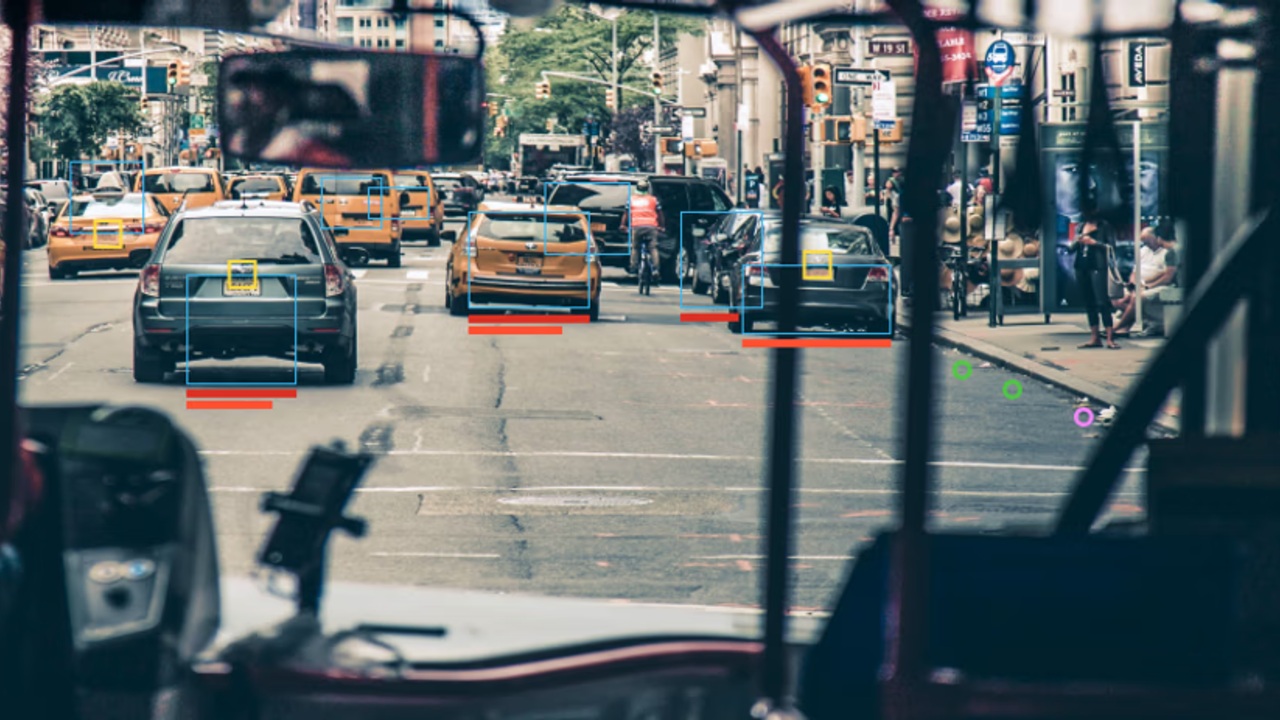
The core idea behind AI traffic enforcement is simple: replace sporadic human observation with continuous, automated monitoring that never gets tired, distracted, or stuck in traffic. Modern systems combine high resolution cameras, sensors, and machine learning models that can recognize license plates, detect lane positions, and classify vehicles in real time. In many deployments, an “Event Captured” moment, such as a car entering a bus lane or speeding through an intersection, triggers an automated review pipeline that checks whether a violation occurred, logs the evidence, and prepares a citation for mailing.
Vendors describe this as a layered process that blends automation with human oversight. One framework, labeled “How It Works, AI, Human, and Hybrid Review,” starts with AI scanning footage for likely violations, then routes ambiguous cases to staff for confirmation before any citation gets printed and mailed. Machine learning has long powered automatic license plate recognition, or ALPR, and those same techniques now underpin broader Automated Traffic Enforcement, often shortened to ATE, that can track repeat offenders, unpaid fines, and patterns of risky driving across a city’s network of cameras.
Bus lanes, bike lanes, and curb space: where cities are already ticketing by algorithm
The most visible frontier for AI enforcement is not the highway, but the curb. Transit agencies in New York, Washington, and Oakland, Cal have partnered with a company called Hayden AI to mount computer vision cameras on buses that scan for cars blocking dedicated lanes. As the buses roll through traffic, the onboard systems identify vehicles that are obstructing the bus lane, capture plate numbers, and send that data back for processing, turning every route into a roving enforcement platform that operates in the background while drivers focus on the road.
Los Angeles has gone further, equipping Metro buses with Hayden AI technology that has already generated nearly 10,000 tickets for bus lane violations. Officials there say the program is designed to improve bus times, increase ridership, and address mobility and Transportation Justice and Public Safety concerns by keeping lanes clear for transit riders who cannot simply switch to another mode. Similar efforts are spreading as New York and other cities deploy camera equipped vehicles to protect bus and bike lanes, signaling that curb management is becoming a prime target for automated enforcement rather than an afterthought.
Parking patrols and mobile cameras: AI moves onto neighborhood streets
Beyond transit corridors, cities are starting to use AI to police everyday parking behavior at scale. In Pittsburgh, Hundreds of smart cameras on mobile enforcement cars now roam the streets, scanning license plates and curbside conditions as they go. Those systems, described in local reporting “By Andy Sheehan” for CBS Pittsburgh, rely on artificial intelligence to spot expired meters, illegal parking in loading zones, and other violations that once required a human officer to walk block by block.
Similar technology is being tested in other dense urban cores, where parking turnover is critical for small businesses and delivery traffic. One widely discussed “ticket bot” program uses AI to record drivers that software says are bad, including those parked in commercial loading zones for too long. As these deployments expand, the line between routine parking enforcement and continuous automated surveillance blurs, with cameras effectively creating a rolling map of where every car is and how long it has been there.
Do AI tickets actually make streets safer?
Supporters of AI traffic enforcement argue that the technology is not just about convenience or revenue, but about reducing crashes and saving lives. Speeding remains a major factor in roadway deaths, and national data show there were 12,151 deaths in speeding-related crashes in 2022, a figure that was down 2.8% from the year before but still 6.3% above the 11,428 fatalities recorded in 2020. Automated enforcement uses cameras to identify vehicles that are speeding and running red lights, and proponents say that consistent, predictable penalties can change driver behavior more effectively than sporadic patrols.
Research backs up some of those claims. A New INFORMS Management Science Study Key Takeaways report found that a city using AI powered traffic cameras can prevent hundreds of crashes without simply shifting risk to nearby intersections, a common criticism of older camera programs. A broader review of Automated Traffic Enforcement Systems, or ATES, concluded that such tools can reduce traffic accidents and improve road safety, while also stressing the need to address public perceptions and ensure equitable enforcement. Together, these findings suggest that when designed carefully, AI enforcement can deliver real safety gains rather than just moving dangerous behavior from one block to another.
Police departments, dashboards, and the promise of “always on” enforcement
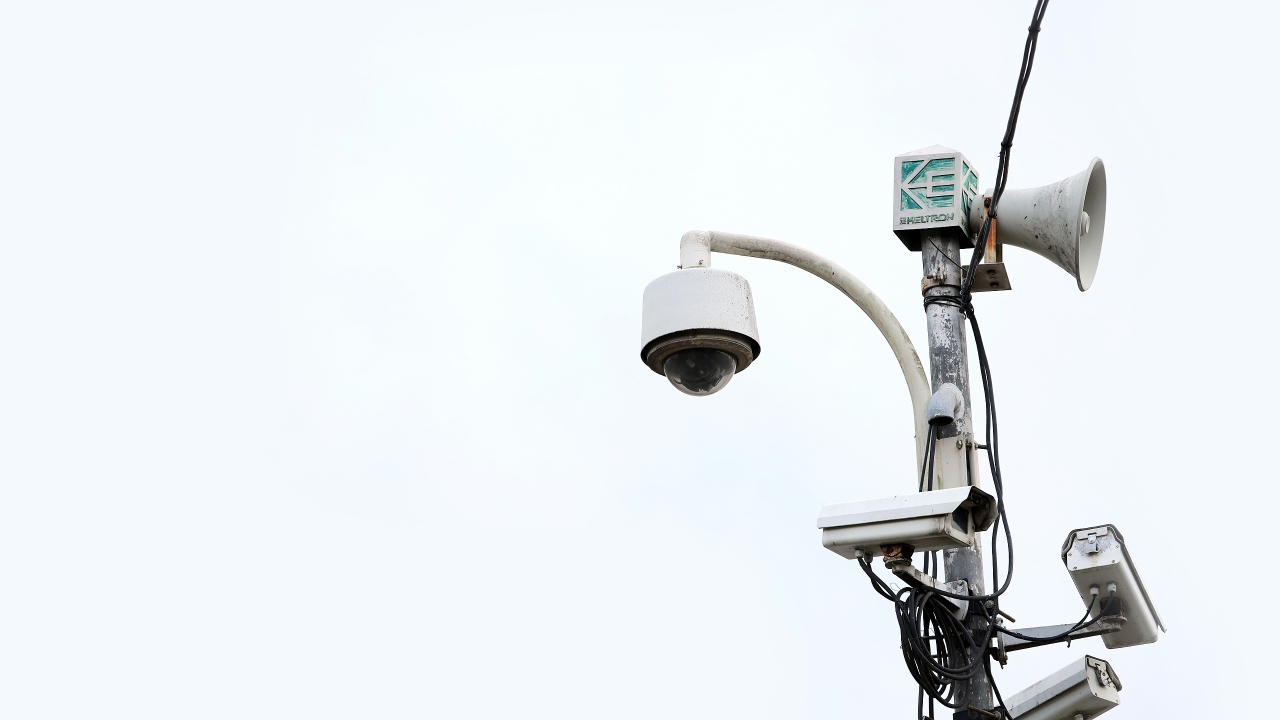
For police departments, AI traffic tools are pitched as a way to boost safety without overloading officers. Vendors argue that agencies should not have to choose between public safety and operational overload, and that AI powered cameras and analytics can handle routine violations so human officers can focus on serious crimes. One guide to AI traffic enforcement tools describes how systems can automatically flag repeat offenders or unpaid fines, generate reports, and even integrate with existing records to streamline follow up.
These systems also promise to minimize errors. When skeptics ask “What about false positives?” vendors respond that AI systems are built to reduce mistakes by relying on high resolution footage, time stamped records, and multi angle views that can be reviewed before a ticket is finalized. Outside of fixed cameras, some states are experimenting with AI enabled dashboard cameras, such as a Hawaii program that is giving away 1,000 dash cams as part of a broader effort to improve road safety. While those devices are not always tied directly to ticketing, they reflect a growing comfort with AI watching the road from inside and outside the vehicle.
Revenue, debt, and the risk of automated inequality
Even as safety data accumulate, critics warn that AI enforcement can deepen existing inequities if cities treat it as a cash machine. Some advocates note that it would be one thing if automated traffic enforcement were used strictly to raise money for infrastructure, but in many places the revenue flows into the general budget, making it harder to separate safety goals from fiscal incentives. When cameras operate 24 hours a day, seven days a week, the volume of tickets can climb quickly, and without careful policy design, that burden often falls heaviest on low income drivers and communities of color.
The downstream consequences are not theoretical. One city level debate over new automated traffic tickets and cameras highlighted how Unpaid tickets can lead to license suspensions, impoundments, and debt that traps people in poverty, according to the F. That cycle can turn a minor parking or bus lane violation into a cascading crisis that affects employment, housing, and family stability. Equity focused researchers and advocates argue that if cities are going to let algorithms drive enforcement, they also need to build in safeguards such as income based fines, warning periods, and robust appeal processes that are accessible to people without lawyers.
Designing fairer AI enforcement: transparency, equity, and human checks
Some cities and vendors are starting to grapple with those concerns directly. Several programs in cities like New York and pilot initiatives in California demonstrate the potential of automated systems to improve social equity when they are paired with thoughtful policy. One equity focused framework emphasizes Community Engagement, transparent rules about where cameras are placed, and clear communication about how data are used and how drivers can contest tickets. The goal is to ensure that AI enforcement does not simply replicate existing biases in a more efficient form, but instead helps build safer, fairer communities.
Technical design choices matter as well. Companies that specialize in Enhancing Traffic Safety through Automated Traffic Enforcement stress that AI and ML are powerful tools, but they must be deployed with explicit guardrails. That can include limiting data retention, avoiding real time tracking of individual drivers outside of specific violations, and maintaining a meaningful Human or Hybrid Review step before any citation is finalized. As more cities, from New York and Chicago to Los Angeles, San Jose, and Washington, D.C., explore AI enforcement, the difference between a trusted safety program and a resented surveillance system will hinge on how seriously they take those design and governance questions.