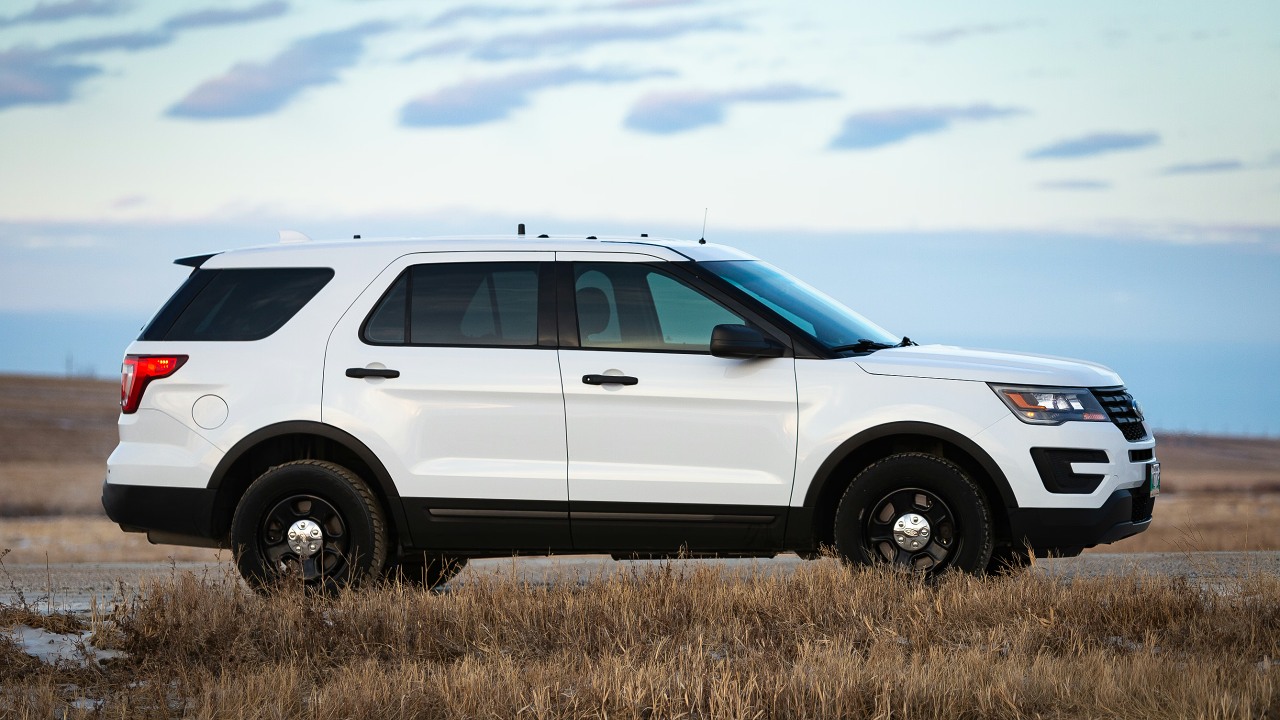
Ford’s latest sales mix shows how sharply the ground has shifted under new car buyers. Instead of flocking to cutting-edge electric models, shoppers are gravitating toward familiar trucks and SUVs that promise practicality, incentives and a sense of value in a market where the typical new car buyer is staring at prices around $50,080. The company’s best-sellers now function as a mirror, reflecting the trade-offs consumers are making between aspiration and affordability.
Trucks still rule, even as prices test buyer limits
The most striking reality in Ford’s lineup is that the full-size pickup remains king, even as affordability strains household budgets. The Ford F-Series has been the most popular truck and best-selling truck in the United States for nearly half a century, a run that dates back to 1977 according to Ford, and that dominance continues to shape what “normal” looks like for new vehicle purchases. When a work and family hauler like this becomes the default choice, it signals that buyers are prioritizing capability and perceived long-term utility over chasing the newest tech or the lowest possible payment.
That loyalty persists even as the cost of entry climbs. Reporting on Ford’s recent sales notes that the typical new car buyer is now facing a transaction price around $50,080, a figure that would have sounded like luxury territory not long ago. Yet shoppers are still lining up for large trucks and well-equipped SUVs, helped along by price incentives and regained inventory that make monthly payments feel just manageable enough to justify the purchase. The Ford F-Series, and the broader truck segment around it, has become the symbol of this uneasy compromise: buyers know they are stretching, but they also see few alternatives that deliver the same mix of space, towing and status.
SUV gains reveal how buyers are redefining “value”
Ford’s November sales show that while overall volumes are essentially flat, the company is quietly gaining ground where it matters most to mainstream buyers. Ford brand sales for the month came in at 156,791, a 0.2% decline compared with the year-ago period, which on its face looks like stagnation. Under the surface, however, the mix is shifting toward SUVs, with surprising gains that highlight how shoppers are recalibrating what counts as a smart buy in a high-price environment.
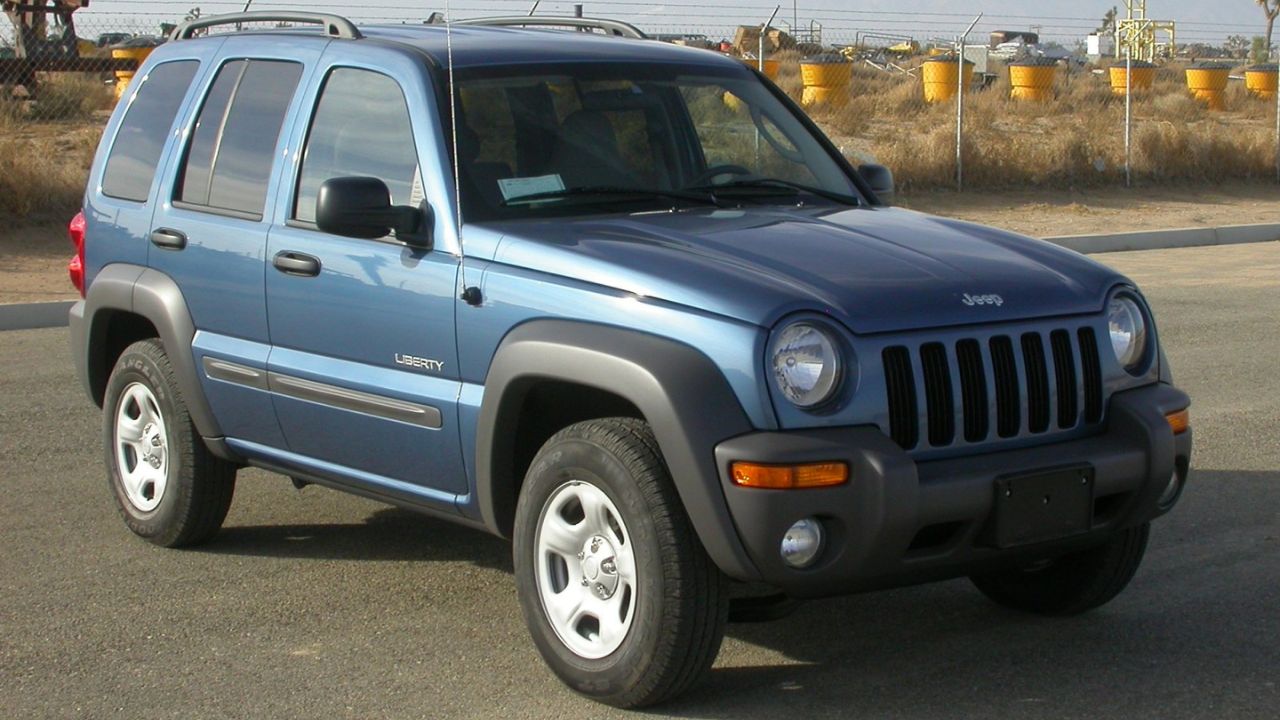
Those SUV gains are not happening in a vacuum. Analysts point to a mix of price incentives, better inventory on dealer lots and the simple fact that many of Ford’s crossovers and sport-utility models now sit at the top of search results when shoppers start hunting online. In other words, buyers are not just being pushed into SUVs by marketing, they are being pulled there by a combination of visibility and perceived practicality. When a family compares a compact or midsize SUV that can handle school runs, road trips and light towing against a similarly priced sedan, the taller, more flexible option increasingly wins, even if it means accepting a higher sticker price than they might have considered a few years ago.
EV fatigue collides with Ford’s electric ambitions
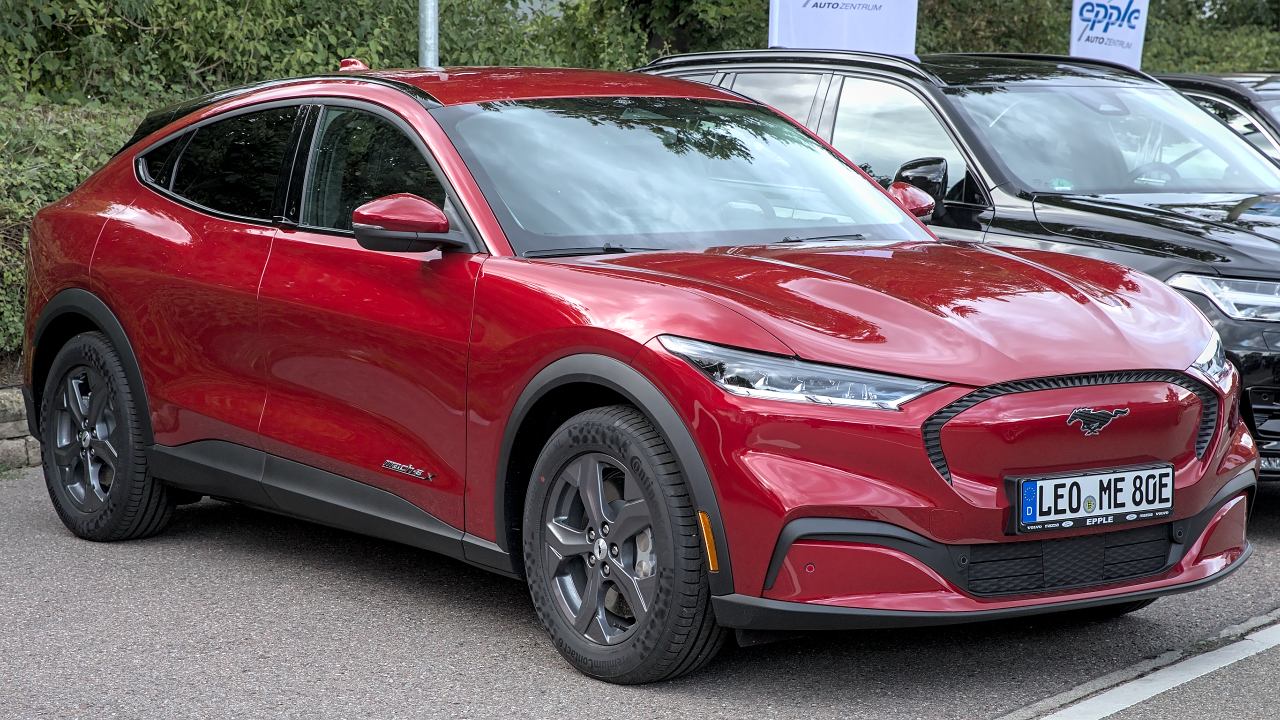
At the same time that SUVs are gaining traction, Ford’s electric story has hit a rough patch that says as much about consumer anxiety as it does about product planning. The company’s November report shows a notable decline in EV sales, a pullback that stands in contrast to the broader narrative of inevitable electric growth. For new buyers, that slump reflects lingering concerns about charging access, resale values and the risk of paying a premium for technology that still feels like a moving target.
Ford is not standing still in the face of that hesitation. Earlier this year, the company unveiled what it calls the Ford universal electric vehicle platform, describing it as the most radical change in how it designs and builds vehicles. Executives have framed this as a “Model T moment,” a bid to simplify EV engineering and drive costs down so electric trucks and SUVs can compete head-on with gasoline models. The strategy is bold, but the current sales dip underscores the challenge: even a transformative platform will not instantly erase buyer doubts that have been reinforced by recent price volatility and shifting incentives.
Pricing whiplash and the search for a fair deal
Behind the model-by-model shifts sits a deeper tension over pricing that is reshaping how buyers approach the showroom. Ford CEO Jim Farley has already signaled that the company is willing to rethink sticker strategies, with a high-profile announcement that shook up the car market by cutting MSRPs on some models. That move acknowledged what many shoppers already feel, that the gap between advertised prices and what feels fair has grown too wide, especially as interest rates and insurance costs pile on top of already steep MSRPs.
Those price moves are not just about goodwill, they are also about competitive positioning in a market where electric and gasoline trucks are starting to collide. Ford’s plan for a roughly $30,000 electric pickup is a direct shot at Tesla and its future ambitions in the truck space, an attempt to anchor EV pricing closer to what mainstream buyers can actually afford. If Ford can deliver a credible electric work truck at that price point, it could reset expectations for what a “normal” EV costs and force rivals to follow. For now, though, the very need for such aggressive repositioning highlights how far new vehicle prices have drifted from the comfort zone of many households.
What Ford’s best-sellers say about the next wave of buyers
Put together, Ford’s hottest vehicles sketch a portrait of a buyer who is both cautious and determined. Trucks like the Ford F-Series remain the backbone of the lineup, a sign that capability and familiarity still carry enormous weight even as budgets tighten. The surge in SUVs shows that families are willing to stretch for vehicles that promise flexibility and a sense of security, especially when incentives and better inventory soften the blow of a high sticker price.
At the same time, the slowdown in EV sales and the need for headline-grabbing price cuts reveal a market that is not yet ready to fully embrace the future on automakers’ terms. Ford’s push toward a universal EV platform and a $30,000 electric pickup suggests that the company understands this disconnect and is trying to bridge it with products that feel less like experiments and more like everyday tools. For new buyers, the message is clear: the next few years will be defined less by radical shifts in taste and more by a grinding negotiation over value, where every truck, SUV and EV has to justify its place in a world where $50,080 has become the uncomfortable new normal.