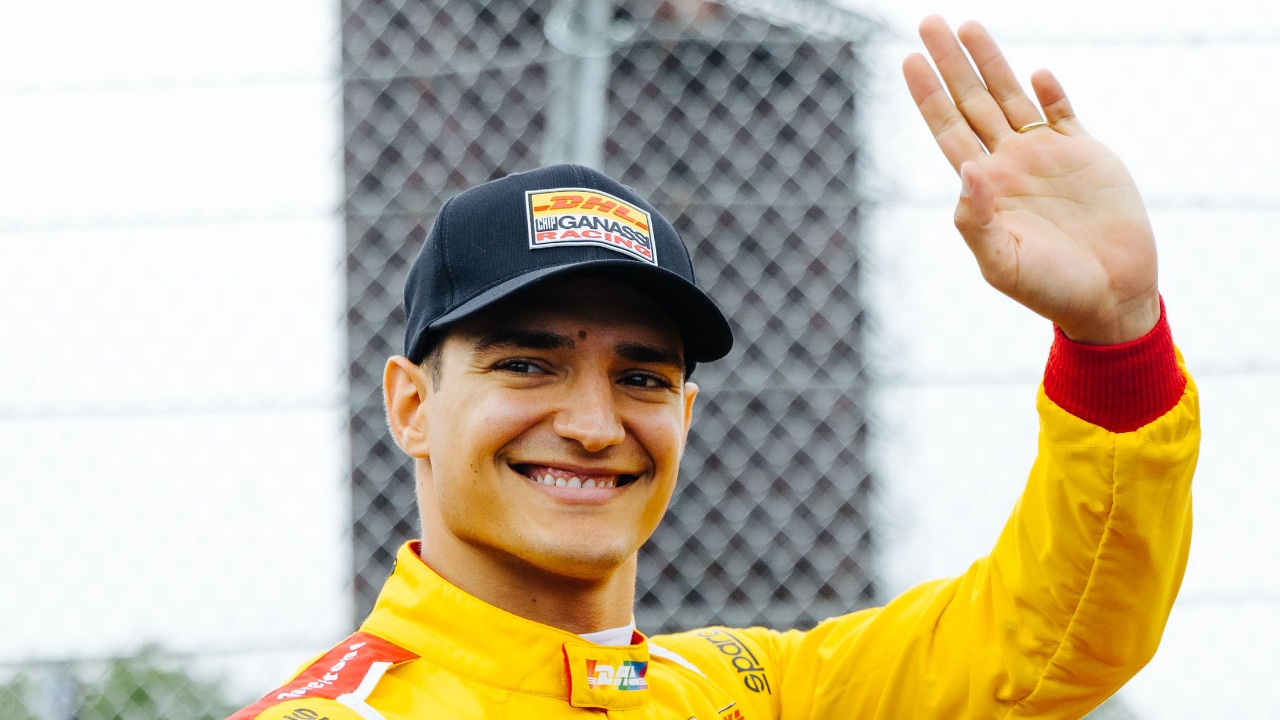
Alex Palou has not just taken over INDYCAR, he has reset what dominance looks like in a spec series that is supposed to keep everyone honest. His run of titles, his control of the 109th Indianapolis 500, and the way rivals already talk about next season all point in the same direction: the curve of his career is still bending upward, not flattening out.
I want to dig into why that is, because with Palou we are not just watching a driver win a lot, we are watching a complete competitive package harden into something era defining. The numbers, the way he wins, and the way the paddock reacts all suggest his peak is still ahead of him.
From promising talent to four-time benchmark
The first thing I look at with any “dominant” driver is whether the résumé actually backs up the hype, and in Palou’s case it absolutely does. Get to Know Alex and you find a driver who is already a four-time INDYCAR SERIES champion with titles in 2021, 2023, 2024 and 2025, and winner of the 109th Indianapolis 500. That is not a hot streak, it is a sustained takeover of the championship fight across different car evolutions and competitive cycles.
What jumps out to me is how early the signs were there that he would be more formidable over time, not less. Back in 2022, his own team was already talking about why he was “more formidable than ever,” pointing to how he could absorb an early race penalty at Indy and still come back to win. That kind of resilience undercuts the idea that his success is purely about having the right car at the right time; it shows a driver who processes setbacks quickly and turns them into fuel.
Dominance built on consistency, not just speed
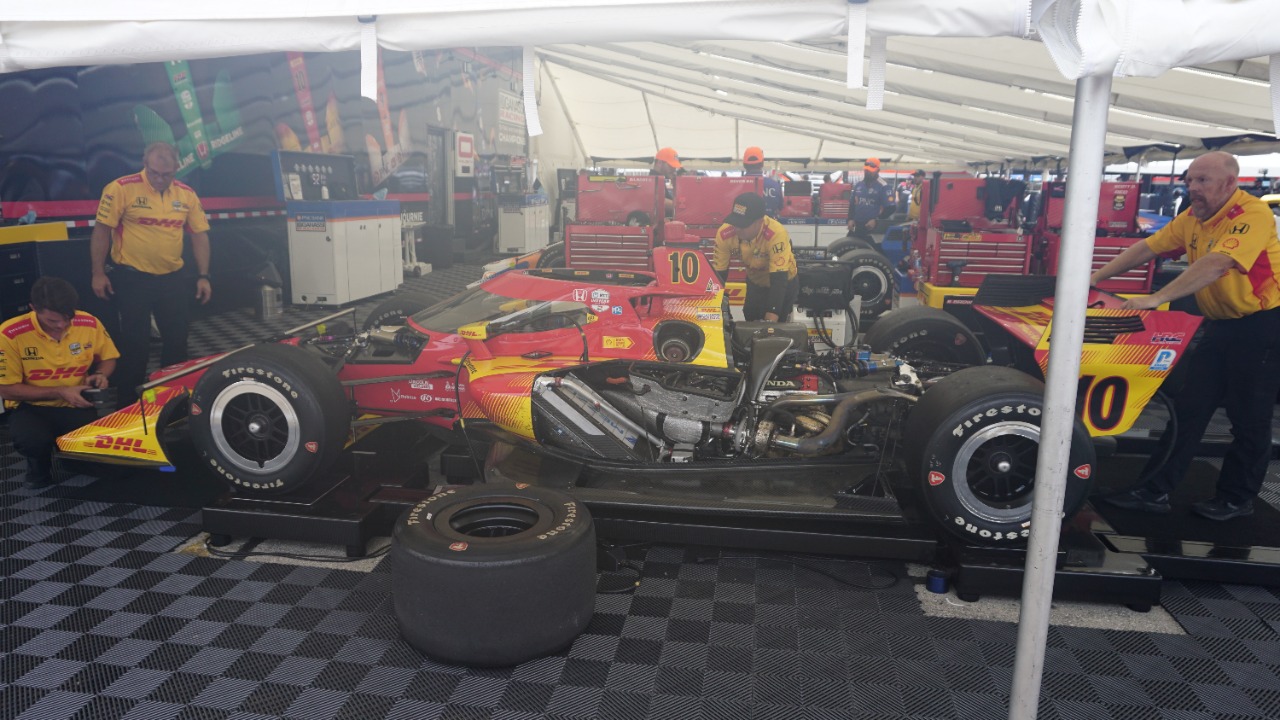
Plenty of drivers can flash raw pace, but Palou’s edge is how rarely he drops the ball. One detailed breakdown of his 2024 campaign framed it as “Alex Palou: Dominance Through Consistency,” noting that he had only two finishes outside the top ten all season, one of them due to a crash, as he closed in on a third title in four years. That kind of week-in, week-out reliability, captured in that Aug analysis, is the foundation of his control over the points table.
By 2025, the numbers had gone from impressive to absurd. In a season where Palou locked up his fourth title, he stacked eight wins in 17 starts, led 1,729 laps and finished on the podium in roughly half the races. Another breakdown of his season highlighted that he turned 16 starts into eight podiums, a 50% clip of top-three finishes, and that Two more wins late in the year only tightened his grip. When half your races end with a trophy, you are not just quick, you are structurally better at avoiding the days that ruin championships.
The Indy 500 as a turning point, not a peak
If there was a single race that crystallized how complete Palou has become, it was the 109th Indy 500. The Palou who showed up at Indianapolis at 28 years old was the same driver who had been one contract away from a Formula 1 seat with McLaren, and he drove like someone determined to prove he had chosen the right arena. He managed the race from inside the top dozen, stayed out of trouble, and then pounced when it mattered, turning a long day of patience into a late burst of aggression that finally put his face on the Borg-Warner Trophy.
What impressed me most was how methodical that win looked from the outside. Earlier in the hybrid era, detailed reporting on how he and Honda were approaching the new power units described how, Prior to his decisive move, Palou sat calmly in the top 10 or 12, managing fuel, executing clean pit stops and waiting for the race to come to him. That is not a driver riding a wave of luck, it is someone using every tool the hybrid package gives him and trusting that if he hits his marks, the result will follow.
Even in the glow of that victory, there were reminders that success at Indianapolis is not automatic, even for a driver this good. One post-race breakdown of his season made the point that his dominance in INDYCAR does not guarantee repeat POST RACE INTERVIEWS at the 500, because the event is so chaotic and weather, cautions and traffic can flip the script. That tension between his control over the series and the unpredictability of its biggest race is part of what keeps his story interesting: even at his most dominant, there are still mountains left to climb.
Why rivals already fear the next chapter
When I listen to how other drivers talk about Palou, I hear less resignation and more wary respect, which is usually a sign that someone’s peak is still ahead. In one candid assessment, a competitor flatly said, “Yes, he’s in a great car with a great team, but he’s also delivering in qualifying week after week,” and warned that peak Palou would be a handful again in 2026. That is not the language of rivals who think the series will naturally “come back” to them; it is the sound of a paddock recalibrating around a new normal.
The internal view from his own camp lines up with that. An “Inside Line” look at his 2025 season pointed to a three-race win streak that effectively sealed the title for the No. 10 car, and Paul Kelly highlighted how that run showcased Palou’s astonishing speed and consistency. When your own team is comfortable using words like “astonishing” after several seasons of success, it suggests they believe there is still more performance to unlock rather than a plateau to manage.
The mindset and habits behind the numbers
Dominance at this level is never just about car and setup, it is about how a driver thinks, and Palou’s mindset is quietly ruthless. In a wide-ranging Q&A, he was asked a wildcard question, “You’ve won three of four championships and you’ve won (finally) the Indy 500, do you have any new habits?” The way he answered, focusing on small routines and incremental improvements rather than basking in what he had already done, sounded less like a satisfied champion and more like someone treating each title as a data point in a longer project.
Fans have picked up on that blend of calm and intensity. One Far from expert commenter, by their own admission only watching INDYCAR for three seasons, still felt confident enough to break down three big factors that separate him from the field: his ability to avoid unforced errors, his race management, and his synergy with his team. Another Comments Section regular, tagged as a Top Commenter, traced his rise back to how he “rocked in karts” and then kept sharpening his racecraft in Europe before landing in INDYCAR, arguing that his path forced him to be adaptable and precise.
Why his trajectory still points up
Put all of this together and the picture that emerges is not of a driver who has already hit his ceiling, but of one who keeps adding layers. The early hints in Alex Palou: Dominance Through Consistency, the resilience shown at Aug Indy, the methodical way he and Honda approached the hybrid era, the eight wins and Sep title, the Aug assessment of him as a “talent of the century,” and the way rivals already talk about 2026 all point in the same direction. He is still learning, still refining, still finding new ways to turn a spec car into a personal signature.
That is why, when I look at Alex Palou right now, I do not see a finished product. I see a driver who has already built a dynasty in INDYCAR, who has turned the 109th Indy 500 into a personal milestone rather than a career capstone, and who carries himself like someone more interested in the next lap than the last trophy. In a series built to keep everyone close, that mindset is the scariest advantage of all.