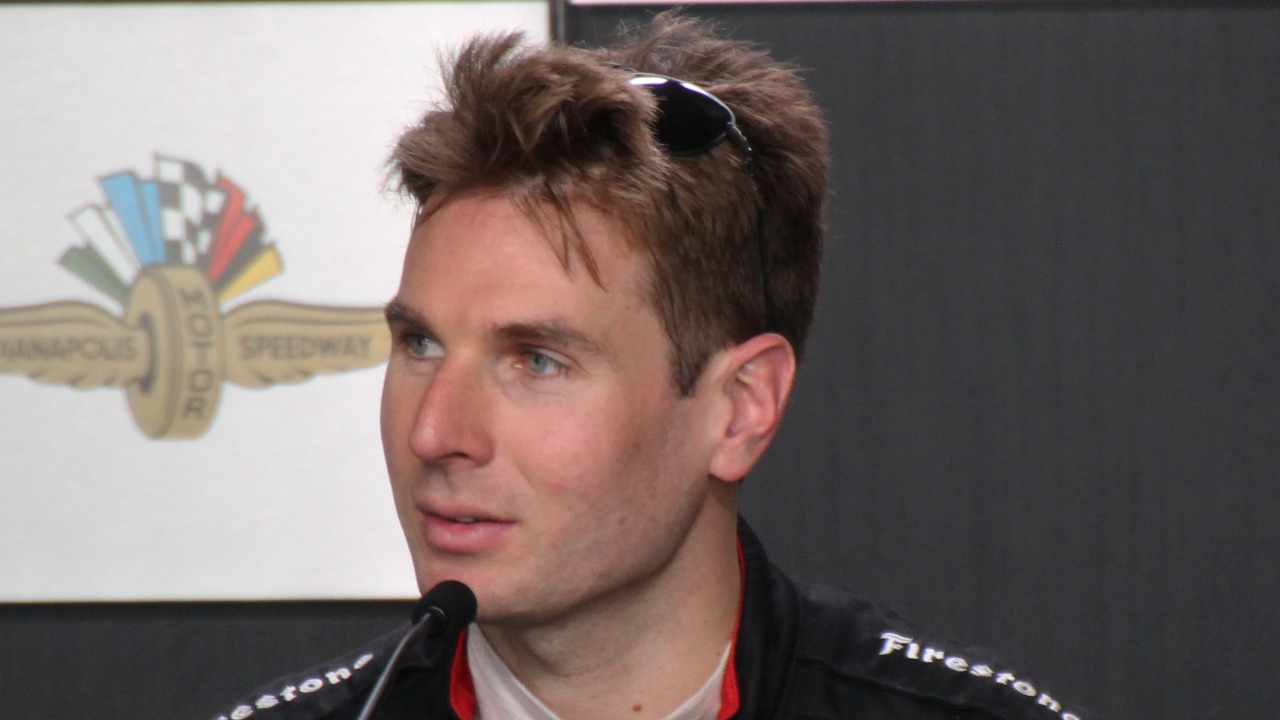
Will Power has built a career on the kind of precision that makes engineers smile and rivals quietly swear into their helmets. His championships and Indianapolis 500 triumph did not arrive in a blaze of chaos, but through a long, meticulous campaign of perfect braking points, inch‑perfect lines, and a refusal to accept that “fast enough” is actually a thing. If you want to understand how a methodical Australian turned accuracy into a trophy factory, you start with the way he treats every lap like a math problem he fully intends to solve.
The meticulous Australian at the heart of it all
I tend to think of William Steven Power as the rare driver who looks like he is doing calculus at 230 miles per hour and somehow enjoys it. Officially, he is an Australian Series star, but the label barely covers the scope of what his precision has produced. He has turned that cool, analytical style into a career that stretches from street circuits to ovals, with a résumé that reads like a checklist of everything a modern open‑wheel driver is supposed to win.
That measured approach is not some late‑career reinvention, it has defined him from the moment he became a fixture in the Two time NTT INDYCAR SERIES Champion ranks. The same mindset that keeps his steering inputs tidy also keeps his ambitions sharply focused, and it is why his name now sits in the record books as an Indianapolis 500 winner and a multi‑season benchmark for consistency. Precision, for him, is not a style choice, it is the operating system.
Turning raw speed into a championship instrument
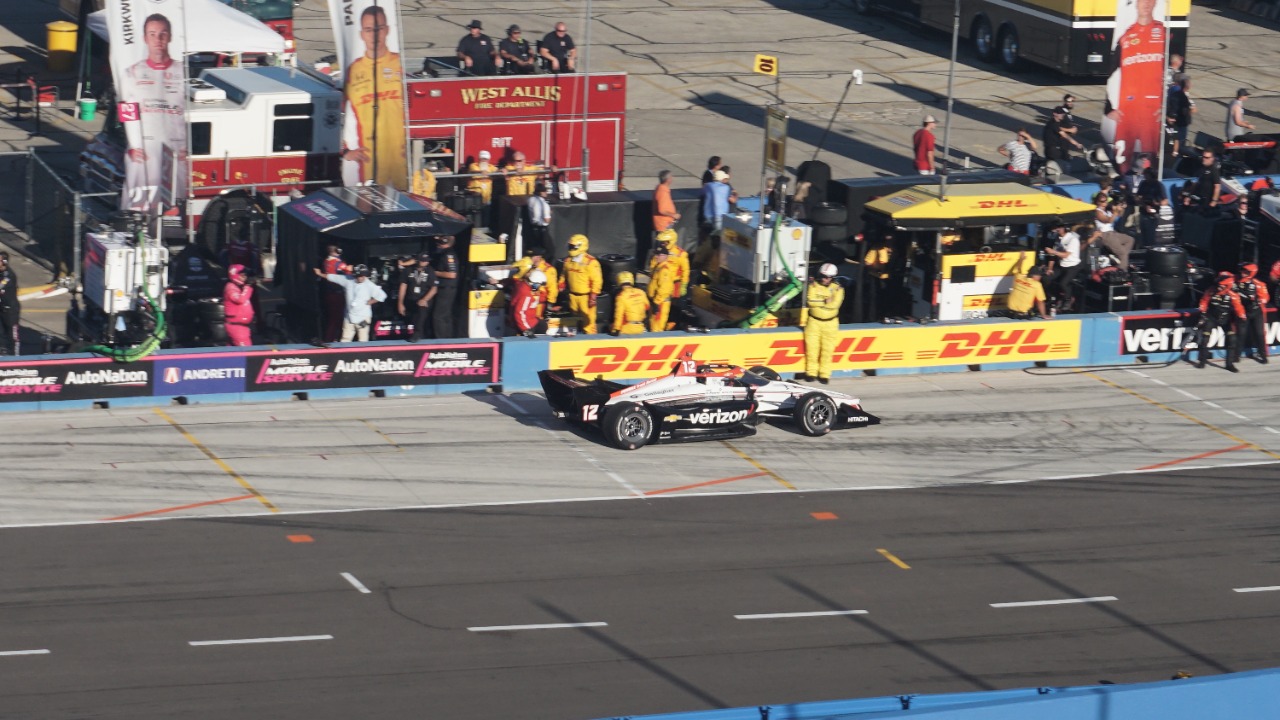
Plenty of drivers are fast, but Power has spent his career turning raw pace into something closer to a musical instrument, tuned and retuned until it plays only championship notes. His own camp describes him as one of the quickest in the field, and that reputation is baked into his official Will Power NTT biography, which frames him as a long‑recognized benchmark for outright speed. The trick has been converting that speed into points over a full season, a task that demands the kind of lap‑by‑lap discipline that leaves very little room for improvisational heroics.
That evolution from pure pace to polished champion is written all over his status as a Champion Became the standard bearer for methodical excellence in the paddock. When you stack his titles and podiums, you see a driver who learned to treat every qualifying run and race stint as a data set to be refined. The result is a career arc that looks less like a roller coaster and more like a carefully plotted graph, trending steadily upward toward the top of the standings.
Precision under 500 miles of pressure
If you want the purest example of Power’s accuracy under stress, you go straight to Indianapolis, where the margin between immortality and “nice try” is measured in inches. His official site proudly lists him as an Indianapolis Champion Running of the Indianapoli winner, and that 2018 triumph was the logical outcome of a driver who treats every lap of the 500 as a laboratory experiment. Over 200 tours of the Speedway, he turned the most chaotic race on the calendar into a controlled environment, hitting marks with the kind of repeatability engineers dream about.
That victory did not come out of nowhere. Power had already built a deep relationship with the event, arriving as a veteran who had logged How Will Power What Power levels of experience around the Speedway. By the time he finally drank the milk, he had already learned exactly how much risk the place would tolerate and how much precision it demanded, and he built his race around that line like a tightrope walker who has personally measured every step.
The Penske years and a Legacy of Excellence
Power’s precision did not develop in a vacuum, it was sharpened inside one of the most ruthlessly organized operations in motorsport. His long stint with Legacy of Excellence Power Team Penske gave him a platform where every tiny gain was measured, logged, and turned into the next incremental step forward. In that environment, his obsession with details was not just tolerated, it was practically a team value.
That partnership also meant his precision had a very fast canvas to work with, including the Chevrolet Team Penske machinery that carried him through so many title fights. When you combine a driver who lives for perfect execution with a team that color‑codes its color‑coding, you get a career that feels less like a series of seasons and more like a long, carefully engineered project, with championships as the planned deliverables.
Age, adaptation, and the 500 as a moving target
Precision is not a static skill, and Power has treated it like a living thing that needs constant updating. As he has moved deeper into his forties, he has been blunt about the fact that he is not interested in coasting, insisting that at 44 Aug Power he feels faster, not slower. That is not bravado so much as a statement of method, a reminder that he has spent years refining his craft to the point where experience becomes a performance enhancer rather than a polite footnote.
Nowhere is that ongoing adjustment clearer than in how he approaches the 500 itself. Ahead of another run at the Speedway, he talked about how his car had been almost too good in clean air and how that setup choice backfired once he was buried in traffic, a lesson that led him to prepare differently for the next attempt at the 500 interesting to see what happens. That is classic Power: treat a painful day not as a disaster but as a data point, then adjust the inputs until the math comes out in his favor.
The mental math behind a champion’s calm
For all the talk about setups and strategy, the sharpest edge in Power’s toolkit might be the space between his ears. In longform conversations, including a sit‑down on Jan Chat Champions Lee Diffy Indie Car Serie, he has been candid about the mental side of his job, from handling pressure to processing the strange reality of waking up as a champion and still needing reminders that the title is real. That kind of honesty is not just refreshing, it is revealing, because it shows how much of his precision is rooted in self‑awareness.
He has also leaned into explaining his journey to new fans, including those who discover him through breakdowns like Feb Indie Car Will Power, where his career is framed as a case study in how to build a title run out of small, repeatable advantages. When you listen to him talk about racing, you hear a driver who treats his own brain like another component to be tuned, one more system that has to be calibrated if the whole package is going to work at the limit.
From Get to Know Will to the record books
Strip away the trophies for a moment and you still have a driver whose life story reads like a long experiment in focus. The official Get Know Will Will Power NTT INDYCAR SERIES profile sketches out the path from his early days to the top tier of American open‑wheel racing, and it is striking how often discipline shows up as the throughline. Even the off‑track details, from his hobbies to his training habits, feel like extensions of a personality that prefers structure to chaos.
That same profile also underlines just how thoroughly he has embedded himself in the fabric of the series, from his record‑setting qualifying performances to his relentless presence at the front of the field over what feels like 500 NTT INDYCAR SERIES Champion seasons of relevance. When you zoom out, the pattern is obvious: a kid who learned to love the craft of driving grew into a veteran who treats every lap as another chance to get the details right, and the sport has spent years updating its record books to keep up.
Precision as a career‑long habit
In the end, Power’s story is not about one magical season or a single perfect race, it is about the habit of precision repeated so often it becomes muscle memory. His official site leans into that legacy, celebrating him as a driver whose name is now inseparable from the 500 and from the broader history of top‑level open‑wheel competition. The numbers, the titles, the big wins, they all trace back to the same core idea: if you do the small things right often enough, the big things eventually have no choice but to follow.
Even as the series evolves around him, with new rivals, new cars, and new variables to solve, he keeps treating the job like a long equation that still has a few unknowns left. That is the quiet magic of Will Power’s career. Precision did not just help him win races, it gave him a way to keep chasing perfection long after most drivers would have settled for a highlight reel and a comfortable retirement.