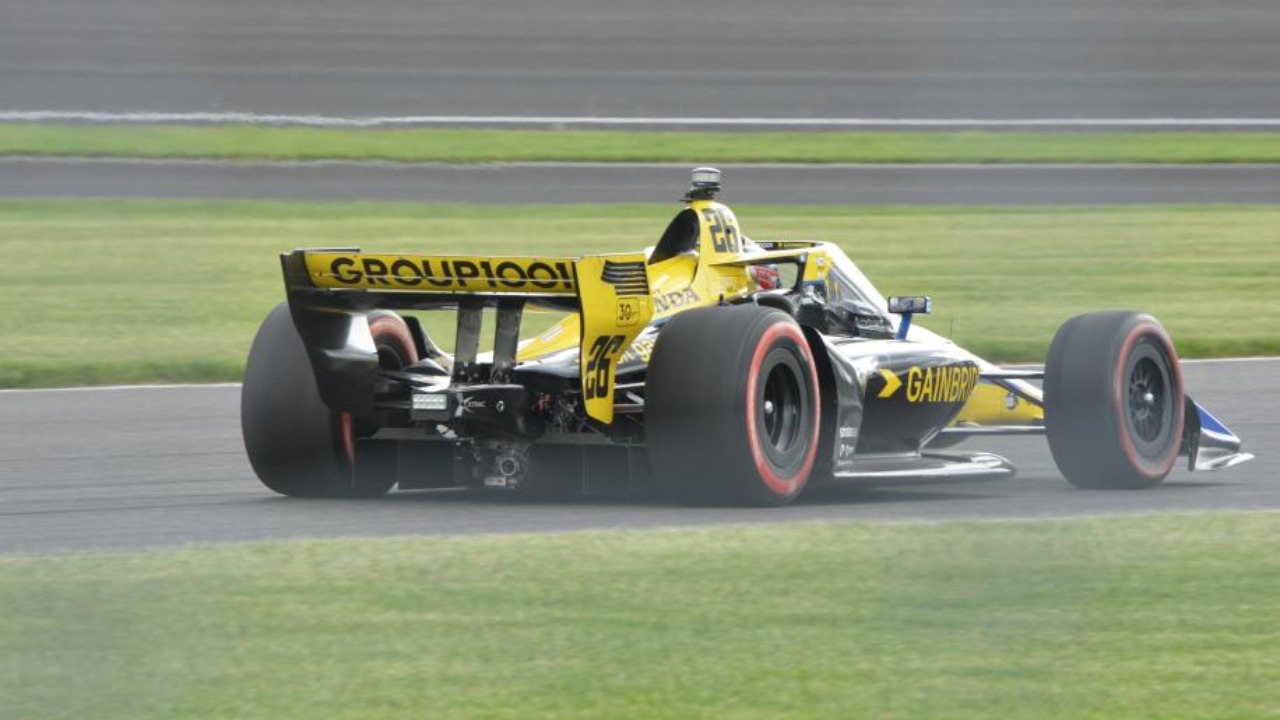
Colton Herta has built a reputation as one of the most aggressive young drivers in top-level open-wheel racing, and that edge is exactly what keeps teams circling his name. His willingness to live on the limit, combined with a refined technical feel, has convinced decision-makers that the risk is worth the reward, even when the results column does not fully capture his ceiling.
When I look at Herta, I see a driver whose raw speed and attacking instincts are not a phase but a defining trait that teams are actively trying to harness, not tame. The story around him is not simply about crashes or highlight-reel passes, it is about how that aggression, shaped correctly, can turn into the kind of star power that changes a program’s trajectory.
Herta’s attacking style, explained
To understand why teams are so drawn to Colton Herta, I start with how he actually drives a race car. His approach is built on late braking, decisive commitment on corner entry, and a readiness to lean on the rear of the car in ways that would spook more conservative drivers. That picture comes through clearly in detailed breakdowns of his Driving Style and Strengths, which frame “Understanding Colton Herta” as a matter of appreciating how much speed he can carry while still keeping the car just inside the edge of control.
From my vantage point, that style is not reckless, it is calculated aggression. Herta’s best days are built on the confidence that if there is grip to be found, he will be the one to find it first, even if that means flirting with the marbles or attacking a damp patch others avoid. That is why engineers talk about him as a driver who can unlock lap time that is simply unavailable to a more cautious hand, and why rivals often describe him as the benchmark when the track is evolving and the window for a perfect lap is razor thin.
Why teams actively encourage his aggression
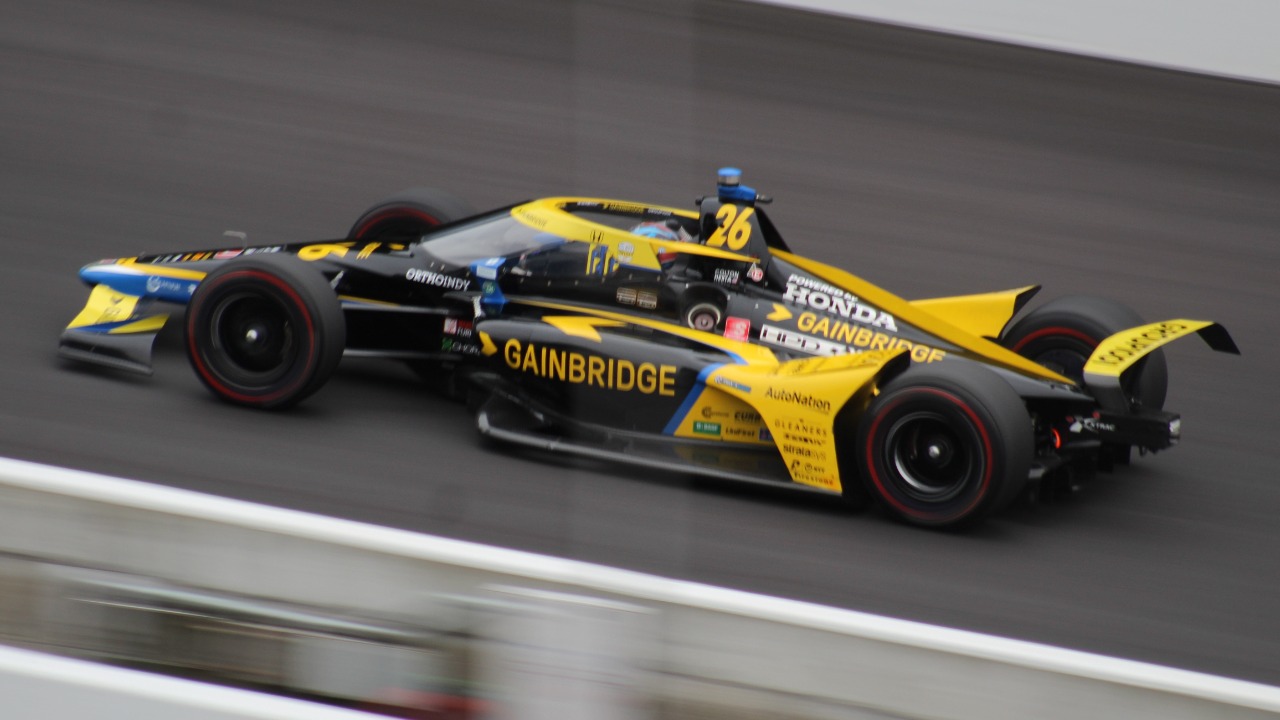
The most telling sign that Herta’s edge is valued, not feared, is how his own team talks about it. Longtime engineer Nathan O’Rourke has been explicit that the group around Herta does not try to sand down his instincts, but instead builds a car that lets him attack. O’Rourke has said that the crew encourages him to be aggressive and that “he’s going to be able to handle” that level of commitment, a view that underlines how Longtime engineer Nathan Rourke sees Herta as someone who is not afraid to be on the limit when the stakes are highest.
From a team’s perspective, that mindset is gold. You can coach a driver to dial back, but it is far harder to manufacture the instinct to send the car into a corner with total conviction when a win is on the line. Herta’s camp clearly believes that if you give him a platform that responds to his inputs, his aggression becomes a strategic asset, especially in races where track position is king and only the bold can make passes stick in dirty air.
How rivals and fans measure his raw pace
Outside the timing screens, one of the clearest windows into Herta’s reputation comes from how other series’ fans talk about him. In one widely discussed thread, a commenter simply called him a “Kid” who is “fast, very damn fast on his day,” and went on to say that his peak performances belong in the same conversation as Alexander Rossi, Josef Newgarden and Alex Palou. That kind of comparison, laid out in a discussion of how good Colton Herta actually is, shows how his best drives have forced people to bracket him with established champions rather than treating him as a prospect.
When I weigh those peer comparisons, I see more than fan hype. Putting Herta in the same breath as Rossi, Newgarden and Palou is an acknowledgment that his ceiling is already at title-contender level, even if the consistency has not always matched. That is exactly the profile that tempts top teams: a driver who, on his day, can match the very best, and whose rougher edges might be smoothed out by better tools, deeper resources, or a fresh competitive environment.
Why F1 decision-makers keep circling his name
The fascination with Herta is not limited to North American paddocks. In conversations around what people in Formula 1 see in him, one recurring theme is that the points table does not tell the whole story. Commenters in a detailed debate about what people in F1 see in Colton Herta argued that his underlying pace, racecraft and ability to shine in tricky conditions are what catch the eye, even if his résumé lacks the neat progression that European ladder systems prefer.
That perception has translated into concrete opportunities. When Herta was linked to Formula 1 programs and later signed as a test driver for a major manufacturer, observers noted that his style aligns with what Helmut Marko traditionally values in young talent. One fan summed it up by saying that Herta’s approach “very much fits what I think Helmut values in drivers,” describing him as “incredibly fast and aggre…” in a discussion of IndyCar star Colton Herta signed to Cadillac as a key development driver. When a figure like Helmut is invoked as a reference point, it underlines that Herta’s aggression is seen as compatible with the ruthless, high-upside philosophy that defines the sharp end of F1 talent scouting.
The IndyCar fanbase and the “principle” of backing Herta
Among core IndyCar supporters, the conversation around Herta often stretches beyond his lap times into what he represents. In one Comments Section thread about how true Indy Car fans want the Colton Herta situation to turn out, a user named DrDohday wrote that they were “all for it,” but stressed that for them it was “not so much about Herta himself but the principle.” That line captures a broader sentiment: Herta has become a symbol of whether homegrown talent with an aggressive, American-flavored style can get a fair shot on the world stage.
From my perspective, that symbolic weight only adds to his star potential. Teams are not blind to the marketing value of a driver who energizes a fanbase and stands at the center of debates about opportunity and recognition. When supporters rally around the idea that a driver like Herta deserves a pathway, they are also signaling to manufacturers and sponsors that backing him is about more than results, it is about aligning with a story that fans care about deeply.
Strategic brain to match the right foot
It is easy to caricature an aggressive driver as someone who simply throws the car into every gap, but Herta’s radio traffic and race management tell a more nuanced story. In one widely shared clip, he learned on the cooldown lap that he had actually been on the winning strategy before circumstances intervened. The reaction from fans, including one who said “I think Herta was headed for a win” and admitted to yelling at the screen when the pit stop went wrong, shows how closely people follow his tactical arc in races like the one captured in the team radio Herta finds out he was on the winning strategy moment.
What I take from that is that Herta’s aggression is layered on top of a sharp strategic mind. He is not simply driving flat out regardless of context, he is working within fuel windows, tire life and traffic patterns, then using his bravery to execute when the plan calls for it. That blend of calculation and courage is exactly what top teams want when they hand a driver complex race simulations and ask them to turn theory into trophies.
Peaks, slumps and why teams still buy the upside
No discussion of Herta’s trajectory is complete without acknowledging the dips. In a candid thread asking why Colton Herta had “fallen off,” one commenter, DPCHKLSF, pushed back on the idea that he had regressed, arguing that “the guy is just plain fast pretty much anywhere” and even suggesting that “Colton is actually driving better this year than” before. That defense, laid out in a debate over why has Colton Herta fallen off, reflects a belief that external factors like car performance and team form can mask a driver’s underlying growth.
From a team’s point of view, that distinction matters. If the data and onboards show that a driver is executing at a high level even when the results wobble, the appetite to invest in their future remains strong. Herta’s combination of pace, adaptability and willingness to keep pushing through lean spells is part of why decision-makers continue to see him as a long-term asset rather than a short-lived sensation whose best days are already behind him.
Why his aggression still feels like the future
When I zoom out, what strikes me is how often Herta sits at the center of big-picture conversations about where top-level open-wheel racing is headed. In one video that framed his potential move as “HUGE,” the host described it as a bittersweet day for “Indie Car” fans while celebrating the idea that he could finally wear a certain shirt in public without it feeling like a jinx. That kind of reaction, captured in the clip titled HUGE – Herta to F1 – Power to Andretti – Crazy News!, shows how emotionally invested people are in the idea of Herta taking his aggression onto an even bigger stage.
For me, that is the clearest sign of why teams see star potential in Colton Herta. His driving style, his willingness to take risks, the way engineers like Nathan O’Rourke build around his strengths, and the way fans and rivals talk about him all point in the same direction. He is not a finished product, and his aggression will always carry a measure of jeopardy, but in a sport that rewards those who dare, he looks less like an outlier and more like a preview of the kind of driver everyone will be chasing next.