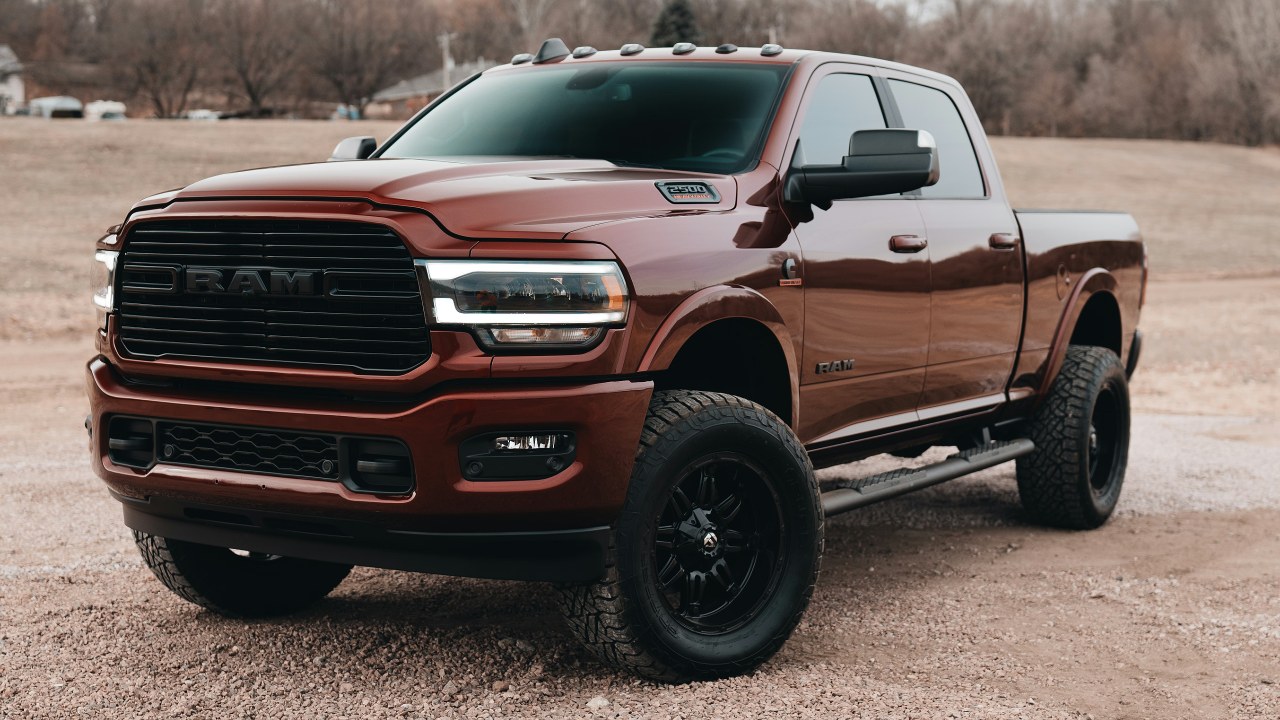
Americans just poured an extraordinary $15 billion into full-size pickup trucks in a single month, a spending surge that helped push the typical new vehicle to its most expensive level on record. That figure is not a quirky outlier, it is a window into how deeply trucks now shape the economics and culture of the United States auto market. As I look across the latest sales and pricing data, the story that emerges is one of buyers stretching for bigger, more capable vehicles even as affordability strains reach a breaking point.
How pickups helped drive record prices
The most striking number in the recent data is the average price paid for a new vehicle in December, which hit $50,326, an all-time high for the U.S. market. That New Vehicle Average Transaction Price did not climb in a vacuum. Robust demand for full-size pickups, which sit at the top of the price ladder, pulled the entire market upward and helped explain how shoppers collectively managed to spend $15 billion on trucks in a single month. When a segment with such high sticker prices grows faster than the rest of the market, it exerts what one analyst described as record pressure on overall pricing.
New-vehicle prices also tend to crest at the end of the year, when incentives shift and buyers rush to close deals, but December 2025 set a new benchmark even against that seasonal backdrop. Reporting on the month’s results notes that new car prices in the United States reached a historic high, with strong sales of full-size pickups singled out as a primary driver of the increase. Analysts tracking the New Vehicle Average Transaction Price have emphasized that the $50,326 figure reflects not just inflation or higher interest rates, but a mix of vehicles that is tilting more heavily toward large, expensive trucks.
The $15 billion truck month, explained
Spending $15 billion on pickups in roughly four weeks sounds almost abstract until I break it down. Full-size trucks routinely transact at prices well above the market average, so a wave of buyers choosing those vehicles instead of compact cars or smaller crossovers multiplies the total dollars changing hands. Coverage of December’s results describes Americans effectively “blowing” that $15 billion on pickups, with the surge in Truck purchases powerful enough to push U.S. average transaction prices to the new $50,326 peak and lift the entire industry’s ATP higher.
Other analyses of the same period describe “Record Pressure from Pickups,” noting that December is traditionally a month of peak prices but that 2025 set an absolute record. According to those accounts, Americans Spent that Record sum on Pickups in Just One Month at the same time New car prices in the U.S. hit a historic high, a combination that underscores how concentrated the spending was. The pattern is clear: when buyers flock to high-margin trucks at the end of the year, the result is not just a sales win for automakers, it is a structural shift in what the average new vehicle costs.
Ford, General Motors and the race to dominate trucks
The $15 billion truck binge did not materialize out of nowhere, it sits on top of a competitive landscape where the largest automakers have spent years prioritizing pickups. Ford’s latest U.S. results illustrate the payoff. In 2025, the company’s total sales reached 2,204,124 vehicles, a gain of 6.0 percent, and its Total Share in the market rose by 0.6 percent. Within that performance, Trucks were described as Dominating the Market, with the F-Series line selling 828,832 trucks, an increase of 8.3% that left it outselling its nearest competitor by almost a quarter of a million units. When a single Series of pickups moves at that scale, it anchors both revenue and profit.
General Motors has been on a similar trajectory, using its own truck and SUV portfolio to maintain its position at the top of the U.S. industry. A recent corporate update highlighted that General Motors led the domestic market in Sales in 2025, with its News and events summary noting that deliveries to retail and fleet customers grew and that the company’s Financial performance benefited from a richer mix of high-margin vehicles. Broader industry reviews list General Motors GM among the Top Automakers by Sales in the United Sta market, reinforcing how central full-size pickups and related models have become to the company’s strategy. When the two largest Detroit players are both leaning into trucks, a $15 billion month for the segment becomes less a surprise and more an expected outcome of their long-term bets.
Why Americans keep choosing expensive trucks
Even with prices at record levels, buyers are not turning away from pickups, and I see several reasons for that resilience. For many households, a full-size truck is both a work tool and a family vehicle, a combination that can justify a higher monthly payment. Modern pickups also come loaded with technology and comfort features that rival luxury sedans, which helps explain why so many shoppers are willing to stretch for them despite the financial strain. Analysts who track the New Vehicle Average Transaction Price point out that the December ATP of $50,326 was up 0.8% year over year, a modest percentage increase that masks a much larger shift in what people are actually driving off the lot.
Cultural factors matter as well. Trucks have long been woven into American identity, and the latest reporting on the $15 billion month underscores how that identity now intersects with consumer finance. Articles describing how Americans just blew that sum on pickups emphasize that Truck buying has become a kind of statement purchase, even as it pushes the entire industry’s ATP higher. Other coverage framed the trend as Record Pressure from Pickups, suggesting that the appetite for large, capable vehicles is strong enough to override concerns about affordability, at least for now. When I connect those dots, I see a market where emotional appeal and practical utility are reinforcing each other in ways that keep demand elevated.
What record truck spending means for the broader auto market
The implications of a $15 billion truck month extend far beyond the pickup aisle. For one, it cements high prices as the new normal. With the New Vehicle Average Transaction Price sitting at $50,326 and full-size pickups selling briskly, automakers have little incentive to chase volume with deep discounts. Industry reviews of 2025 note that, despite high vehicle prices and rising borrowing costs, overall demand remained solid and the largest auto giants performed well. That combination suggests that the market has so far absorbed the shock of higher costs, but it also raises questions about how much further consumers can stretch.
At the same time, the concentration of spending in trucks shapes investment decisions across the industry. When Americans Spent that Billion-level sum on Pickups in Just One Month, it sent a clear signal to product planners and executives about where profits lie. Companies are likely to keep channeling capital into new truck platforms, hybrid and electric variants of their best-selling pickups, and the factories that build them. For buyers, the result could be an even richer array of high-end trucks and a slower pace of innovation in less lucrative segments. For the market as a whole, the December data is a reminder that as long as full-size pickups command such loyalty, they will continue to set the tone for pricing, profitability and the direction of the U.S. auto industry.
More from Fast Lane Only